

Old Master Artwork
When you search for old master artwork, you enter a centuries-old tradition of European painting, drawing and printmaking.
Old Master Artwork
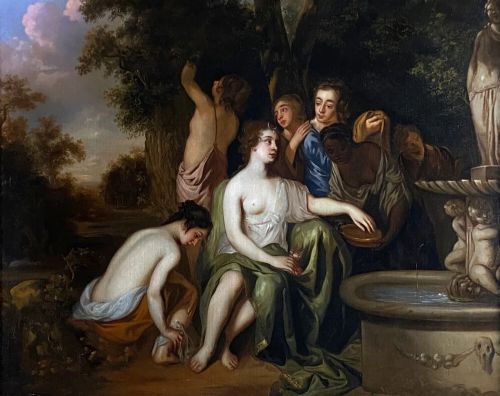
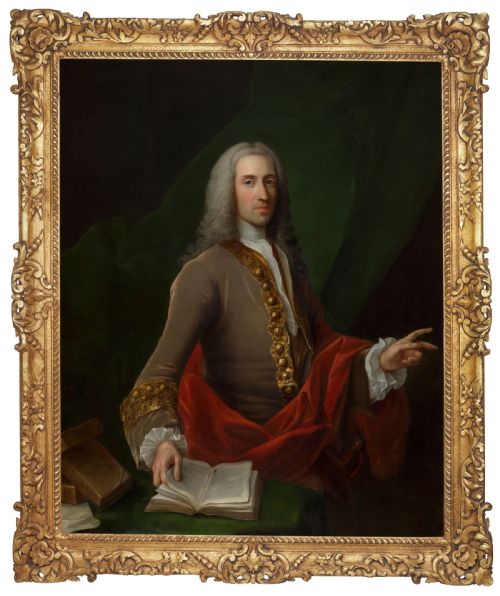
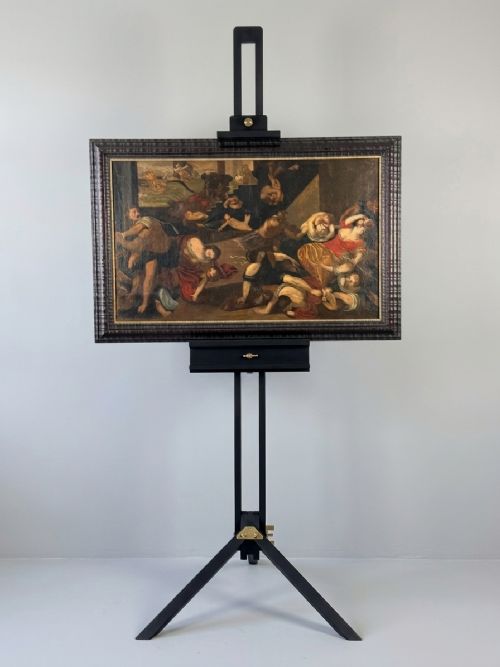
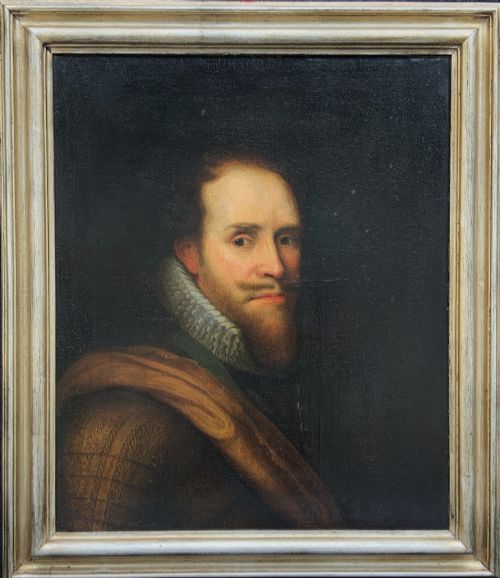
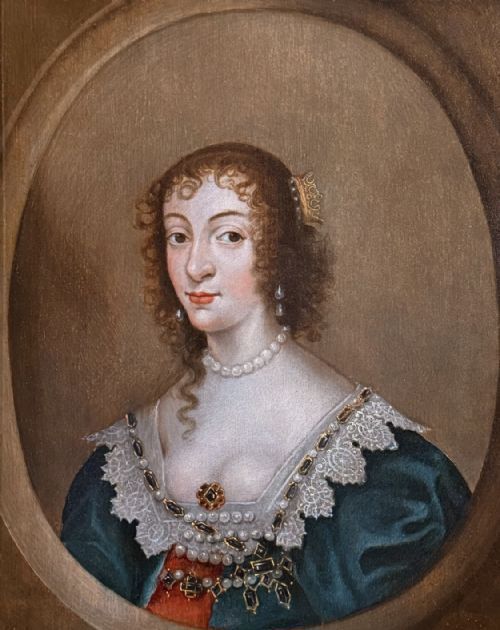
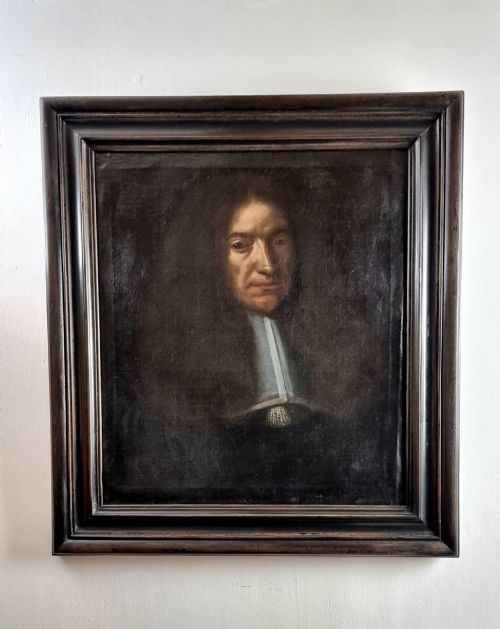
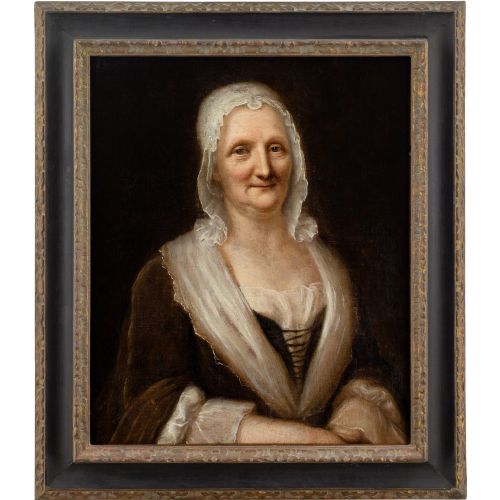
When you search for old master artwork, you examine historical paintings, prints and drawings created by European artists from the sixteenth century through the eighteenth century. These pieces record religious narratives, classical mythologies and formal portraiture of nobility, judges and gentlemen.
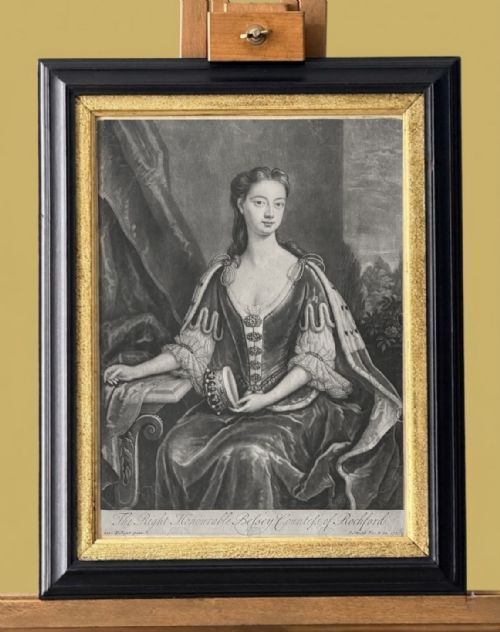
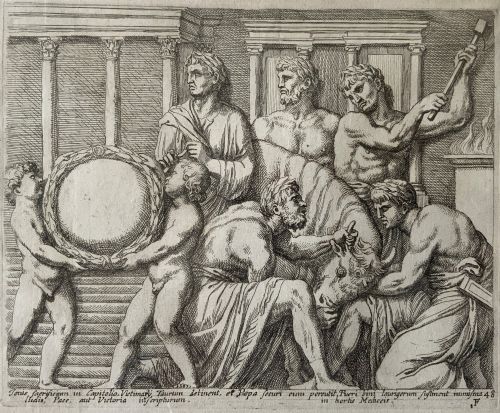
The versions you meet most frequently on this page are oil paintings on canvas or wood panel, often enclosed in period giltwood frames. Alongside these paintings, you encounter period etchings, engravings and mezzotints executed on paper by continental European schools.
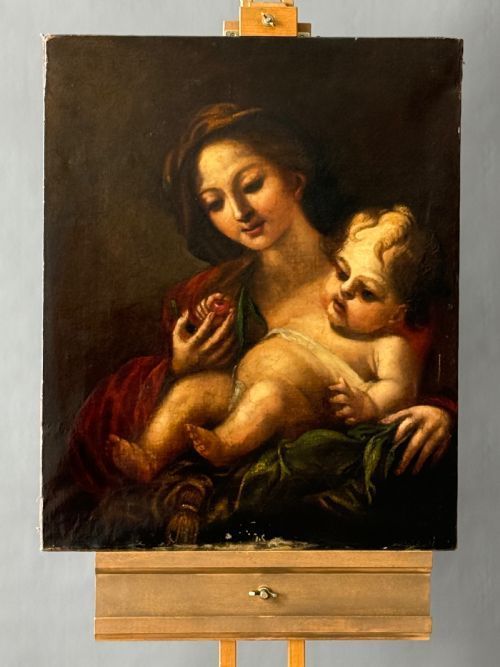
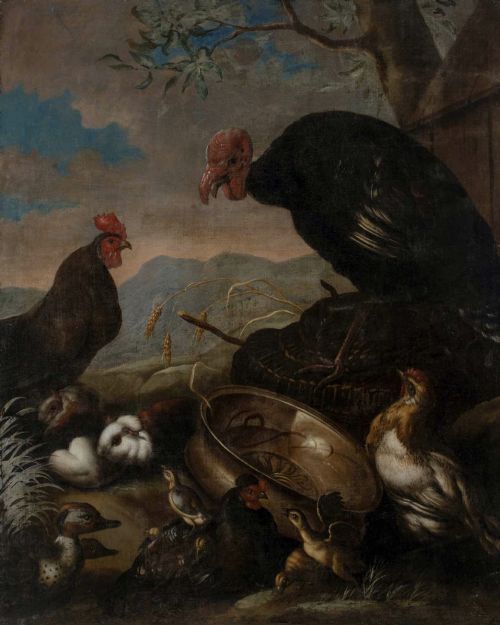
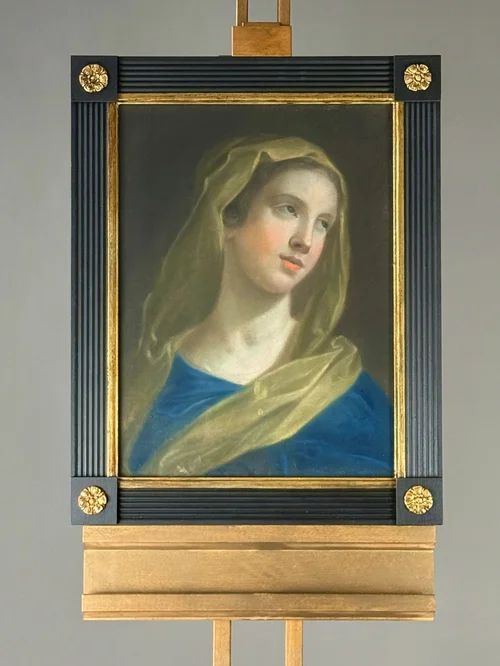
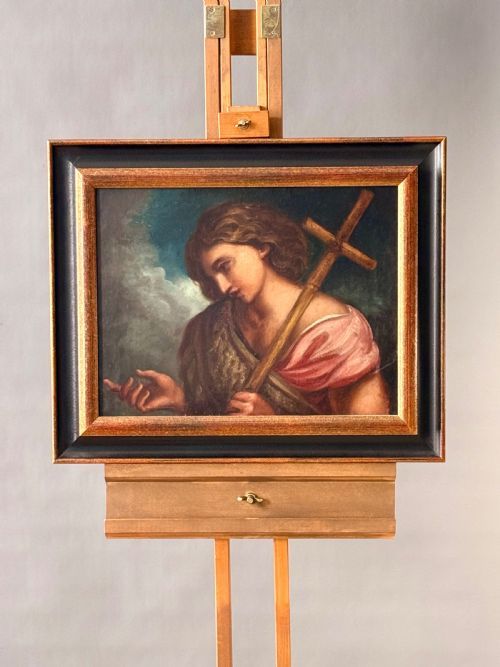
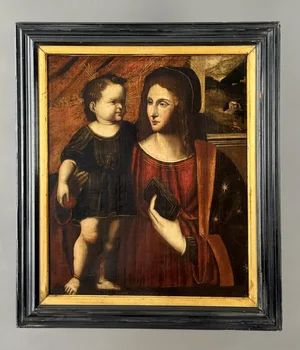
The creators range from named masters and their immediate studios to regional circles and followers working in Flemish, Dutch, Italian, Spanish and French artistic traditions. Subjects span from intimate devotional panels of the Madonna and Child to expansive landscape scenes featuring figures, animals and castle ruins.
Materials and technique
Makers built these pieces using oil paint applied to prepared canvas or timber panels such as oak, often layering pigments to achieve depth in drapery and flesh tones. Works on paper utilised etching plates, engraved lines and mezzotint rockers to transfer tonal images with fine detail.
Frames formed an integral part of the presentation, employing carved wood finished with gold leaf or giltwood to complement the dark, rich palettes of the Baroque and Renaissance periods.
Several seventeenth-century canvases record surprisingly fierce expressions on the faces of small dogs peering from beneath aristocratic skirts.
Judging quality
The integrity of the surface and the survival of the original or period-appropriate giltwood frame elevate the historical standing of a work.
Sir Peter Lely·Joshua Reynolds·Angelo Maria Crivelli·Jeremiah Davison·Benedetto Luti·John Smith·Charles D'Agar·Van Dyck·François Perrier·Bernardino Luini·Hyacinthe Colin de Vermont·Johannes Lingelbach·David Teniers·Pieter Borseler·Adriana Verelst·Poussin·Philippus Vilain·James Maubert·Titian·Nicolaes Maes·Benvenuto Tisi·Raphael·Cornelis Van Poelenburgh·Francesco Solimena·Rosa di Tivoli
The Old Master Artwork Glossary
- Baroque
- A style of European art spanning the seventeenth and early eighteenth centuries, characterised by drama, deep shadow and rich movement. It emerged in Italy before spreading across Flanders, Spain, France and the Netherlands.
- Circle of
- A designation indicating an artist worked in close association with a master, absorbing their specific style and technique during the period. These pieces share the aesthetic vocabulary of the primary hand.
- Etching
- A printmaking technique where an artist uses acid to cut lines into a metal plate held beneath a ground layer. Ink is then pressed into these grooves and transferred to paper under pressure.
- Mezzotint
- A tonal printmaking method where the copper plate is roughened uniformly to produce dark areas, then scraped and burnished to create highlights. This process allows for subtle gradations of light and shade.
- Provenance
- The documented history of ownership of a piece from its creation to the present day. Clear records substantiate the authenticity and past exhibitions of historical fine art.
Old Master Artwork: Frequently Asked Questions
What defines an old master artwork?
An old master artwork originates from a European artist working before the nineteenth century, encompassing the Renaissance, Baroque and subsequent classical periods.
These pieces include oil paintings on canvas or panel, alongside early prints such as engravings and etchings produced by named masters or their regional schools.
How do I care for these paintings?
Protect historical oil paintings and giltwood frames by keeping them away from direct sunlight, high humidity and sudden temperature fluctuations.
Dust surfaces gently with a soft, dry brush without applying liquid cleaners or household polishes to the canvas or the gold leaf.
How can I identify the period?
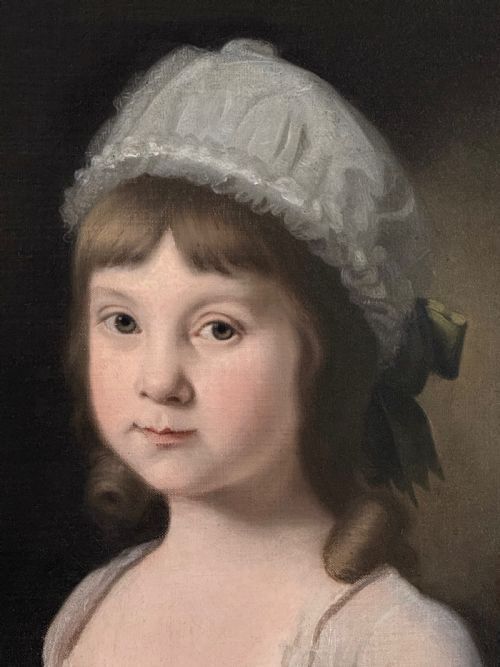
Period identification relies on stylistic cues such as the dramatic chiaroscuro of seventeenth-century Baroque art or the softer palette of eighteenth-century portraiture.
Examining the panel construction, canvas weave, stretcher frames and framing style provides further physical evidence of the era of creation.
What is the difference between circle and follower?
A work from the circle of a master denotes production by an artist working in direct contact with the principal figure during their lifetime.
A follower typically describes someone painting later in the manner or tradition of the master without that direct personal association.