




Antique Biblical Oil Painting
These antique biblical oil painting works span centuries of sacred narrative, offering collectors profound theological depictions captured by regional European schools.
Antique Biblical Oil Painting
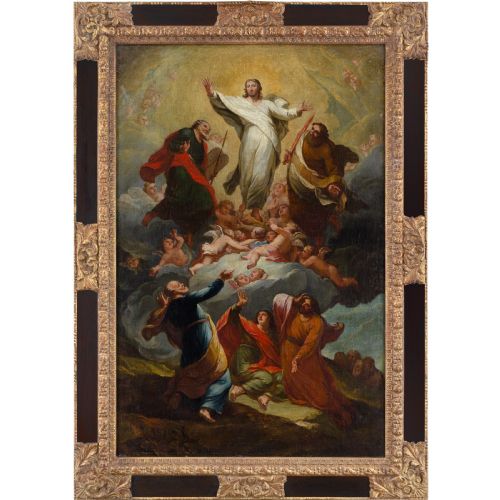
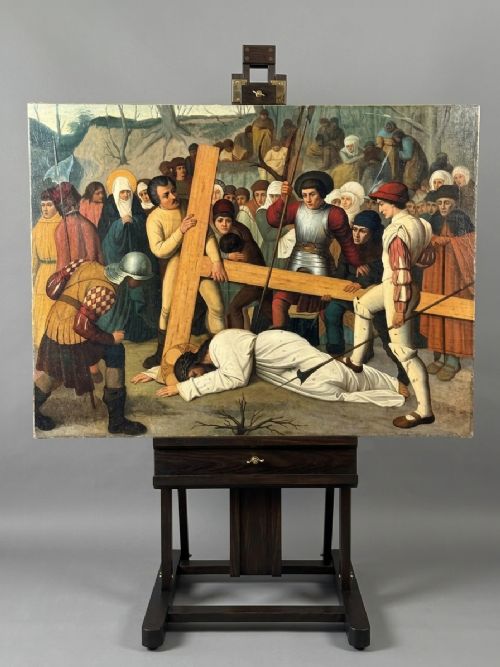
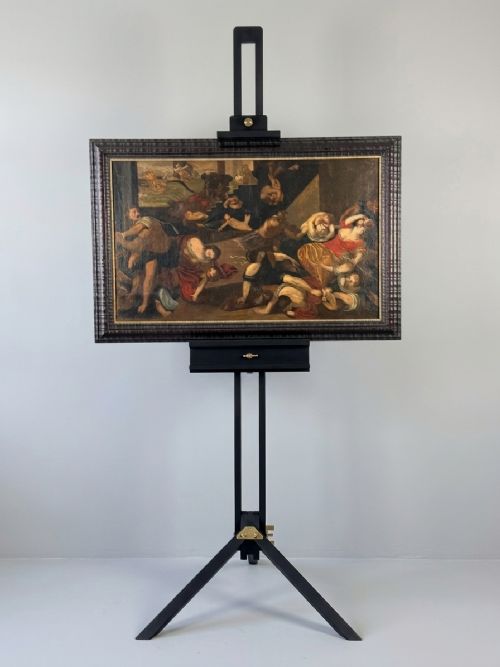
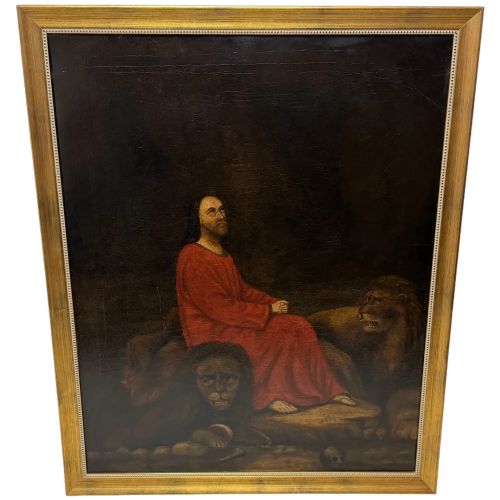
An antique biblical oil painting presents sacred narratives drawn from scripture, capturing pivotal moments from Old and New Testaments alike. Buyers searching for an antique biblical oil painting will encounter works ranging from the mid-sixteenth century through to the twentieth century. These canvases and panels depict subjects such as the Massacre of the Innocents, the Adoration of the Magi, and Daniel in the Lions' Den.
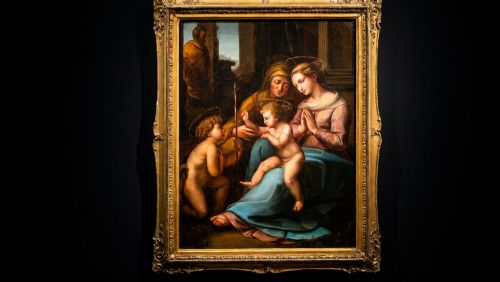
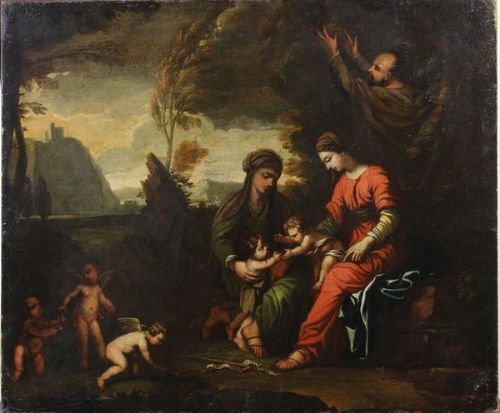
Regional European schools dominate the selection, with Italian Renaissance, Venetian Baroque, and Hessian traditions frequently represented. Pieces appear as devotional items, large narrative portraits, and depictions of holy families with figures like John the Baptist. The selection includes works by named followers of historical masters as well as attributed circles and schools.
Materials and construction
Makers utilised oil paint applied to prepared canvas or wood panels to create these religious scenes. The physical support often reflects the period of origin, utilising stretched canvas or timber panels suited to the school of painting. Giltwood and gold leaf frames frequently accompany the works, complementing the rich pigments used within the compositions.
Techniques range from the expressive brushwork of the Baroque period to the refined precision of earlier Italian schools. Artists layered pigments to achieve depth in drapery, flesh tones, and atmospheric backgrounds. The resulting surfaces display the distinct craquelure and pigment stability characteristic of centuries-old oil media.
Lions, donkeys, and cherubs frequently share canvas space with saints, reminding viewers that historical biblical art was an animal lover's paradise.
Assessing quality in religious works
Quality rests upon the strength of the composition, the anatomical confidence of the figures, and the expressive handling of the narrative. Finer examples display accomplished draughtsmanship in complex multi-figure scenes such as the Conversion of Saint Paul or the Adoration of the Magi. Lesser works may show stiffer execution and more formulaic arrangements by follower workshops.
The preservation of the original paint layer and the integrity of the canvas or wood panel significantly influence the standing of a piece. Retaining historical frames, such as giltwood surrounds, adds context to the artwork. The distinction between a master's hand, a documented follower, and a regional school defines the upper tiers of the market.
Jozef Jansessens·Antonio Tempesta·Pietro D'asaro·Reynard Le Vieux·Eugene Hindle
The Antique Biblical Oil Painting Glossary
- Baroque
- A style of European architecture, music, and art of the 17th and 18th centuries that followed Mannerism and is characterised by ornate detail. In painting, it uses dramatic contrast between light and dark.
- Giltwood
- Wood that has been covered with a thin layer of gold leaf or powder. This finish is commonly found on traditional frames housing historical canvases.
- Provenance
- The chronology of the ownership or location of a historical object. It provides the documented history that supports the attribution of a painting.
- Craquelure
- A network of fine cracks in the paint surface of an oil painting, caused by the natural ageing of the materials over time.
Antique Biblical Oil Painting: Frequently Asked Questions
How do I identify the biblical scene?
Study the key figures, attributes, and accompanying iconography depicted within the composition. Common visual markers include animals in dens, specific groupings of holy figures, or narrative titles recorded in historical documentation.
Comparing the imagery against well-known scriptural texts and established historical representations often clarifies the specific event being portrayed.
What periods do these paintings come from?
The available works span from the mid-sixteenth century through the seventeenth and eighteenth centuries, extending into the nineteenth and early twentieth centuries. Earlier pieces often reflect Italian Renaissance or Baroque traditions.
Later examples demonstrate Gothic Revival or nineteenth-century academic interpretations of traditional sacred narratives.
How should I care for an old oil painting?
Keep the artwork away from direct sunlight, high humidity, and rapid temperature fluctuations to protect both the paint layer and the canvas support. Avoid using water or chemical cleaners on the painted surface.
Consult a professional art conservator if the canvas requires cleaning, structural stabilization, or varnishing maintenance.
What is a follower school painting?
A follower school painting is a work created by an artist who studied under, was influenced by, or worked within the circle of a renowned master. These pieces reflect the style and techniques of the primary artist without necessarily being by their own hand.
Such attributions help contextualize regional art production and stylistic developments during specific centuries.