




Antique Catholic Wall Art
These antique catholic wall art pieces bring centuries of devotional imagery and sacred portraiture into the home.
Antique Catholic Wall Art
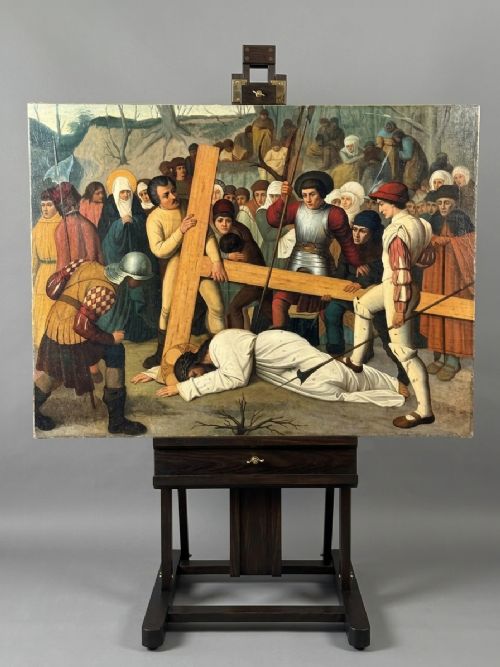
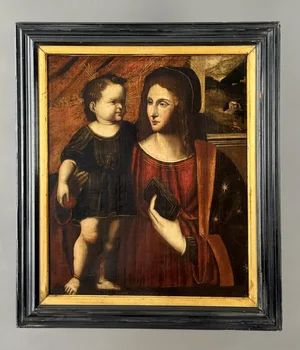
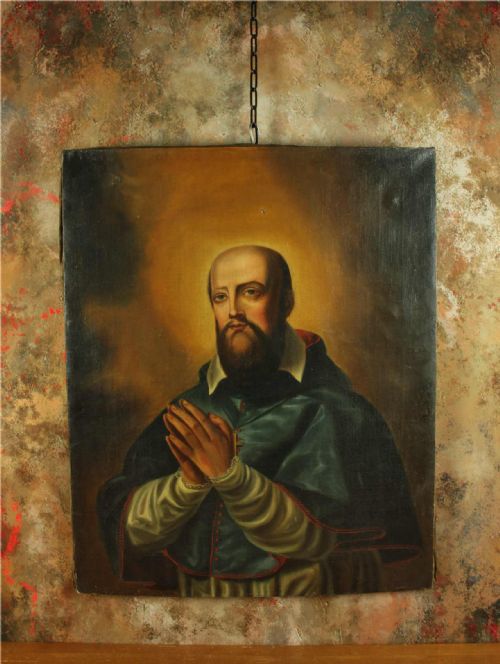
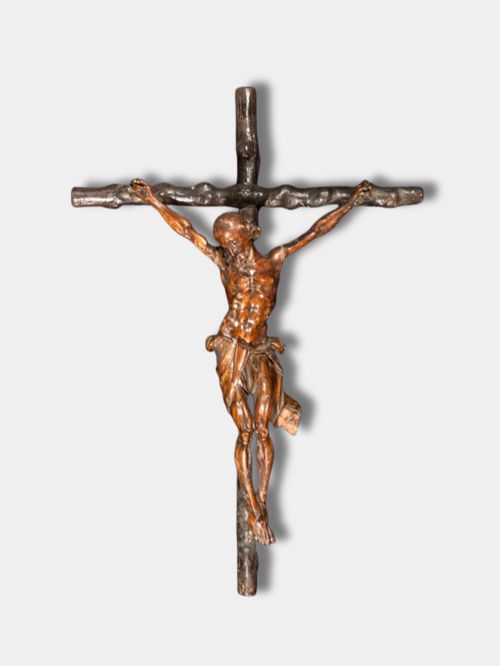
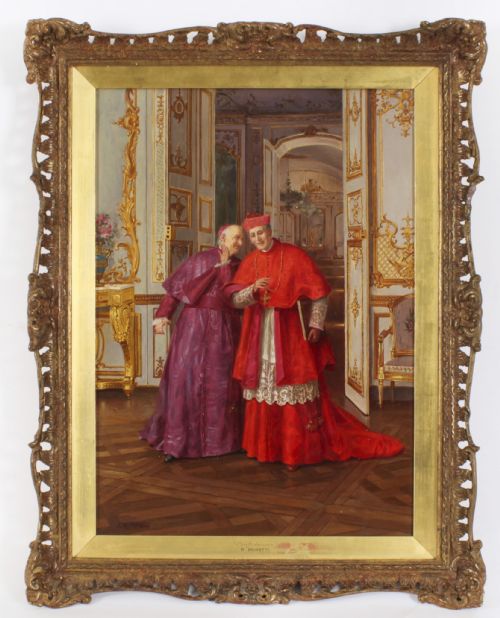
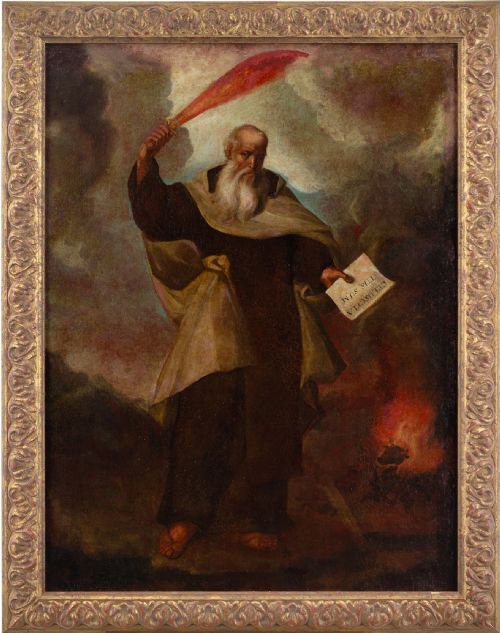
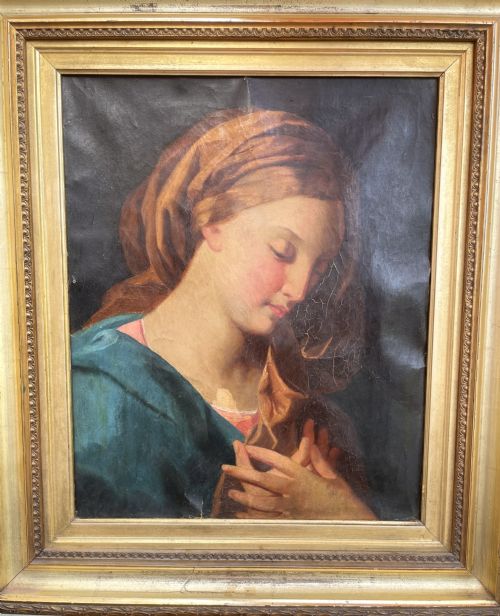
When you search for antique catholic wall art, you encounter centuries of sacred imagery spanning from the sixteenth century through the early twentieth century. The selections available here heavily feature oil paintings on canvas, framed prints, and wooden crucifixes originating primarily from Italian, Spanish, and French schools. You will find devotional subjects ranging from the Virgin and Child to specific saints and cardinal portraits.
The most common forms on this page include oil on canvas paintings, shadowboxes, and framed prints capturing iconic religious scenes. Pieces often reflect distinct regional traditions, such as Spanish Baroque works or Italian Renaissance revivals. These artworks served private devotion and ecclesiastical spaces alike, carrying centuries of ritual history.
Materials and methods
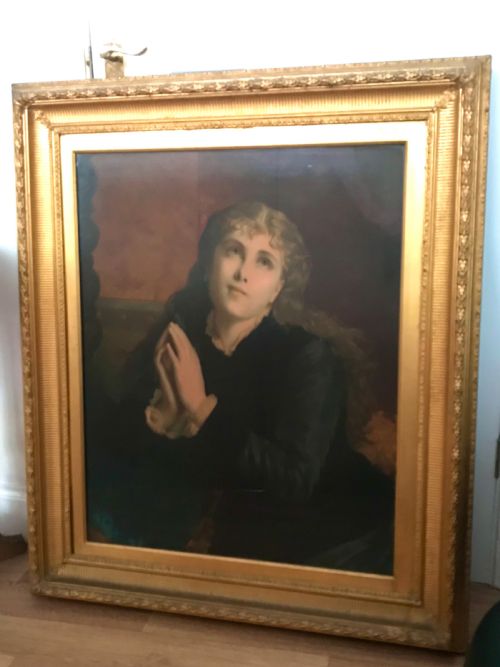
The physical construction of these pieces relies heavily on oil paint applied to canvas, frequently supported by wooden stretcher frames and accented with gold leaf or gesso. Artists utilised traditional pigments to build rich, layered portraits of holy figures and biblical scenes. Many canvases are protected beneath glass or housed within heavy decorative frames.
Carpentry and joinery played a vital role in three-dimensional objects like wooden crosses and religious shadowboxes. Artisans carved and gilded wood to create ornate housings that complemented the painted devotional scenes within. The interplay of oil, canvas, gesso, and wood defines the physical substance of these works.
Listings feature works spanning from the sixteenth century through the 1920s, utilising canvas, wood, gold leaf, and gesso.
Differentiating quality
Quality in these devotional works rests upon the mastery of draftsmanship and the subtlety of expression achieved by the artist or workshop. Pieces executed by named followers or recognised school circles typically display more sophisticated handling of light, shadow, and anatomy than routine decorative workshop output. The depth of the oil pigments and the integrity of the canvas support further distinguish superior examples.
The preservation of the original surface and the quality of the surrounding period frame also influence the standing of a piece. Works retaining their initial gesso ornamentation, gold leaf detailing, and untouched canvas present a more complete historical record. Subtle variations in the rendering of hands, drapery, and facial expressions mark the distance between standard religious artefacts and fine art.
The Antique Catholic Wall Art Glossary
- Ex-voto
- A votive offering given to a saint or a divinity, often in fulfillment of a vow or as a token of gratitude. These painted or metal objects frequently depict miraculous events or the person making the petition.
- Gesso
- A white paint mixture consisting of a binder mixed with chalk, gypsum, or pigment used as a preparation surface for wood or canvas. It provides a smooth base for subsequent layers of oil paint and gold leaf.
- Oleograph
- A type of chromolithography used to produce a textured imitation of an oil painting. These printed reproductions became popular in the nineteenth century for mass-producing religious imagery.
- Corpus Christi
- Latin for the body of Christ, specifically referring to sculptural representations of Jesus on the cross. These wooden figures emphasise the physical suffering of the crucifixion.
Antique Catholic Wall Art: Frequently Asked Questions
What is an ex voto painting?
An ex voto is a devotional offering presented to a saint or divinity, typically commissioned to give thanks for a miraculous recovery or survival. These works often record the rescued individual alongside holy figures.
They serve as deeply personal records of faith and domestic devotion from earlier centuries.
How do I care for antique oil paintings?
Antique oil paintings require stable environmental conditions away from direct sunlight and extreme humidity fluctuations. Keeping the canvas in a room with moderate temperatures prevents the paint and wood from cracking.
Avoid touching the painted surface directly and consult a professional conservator for cleaning.
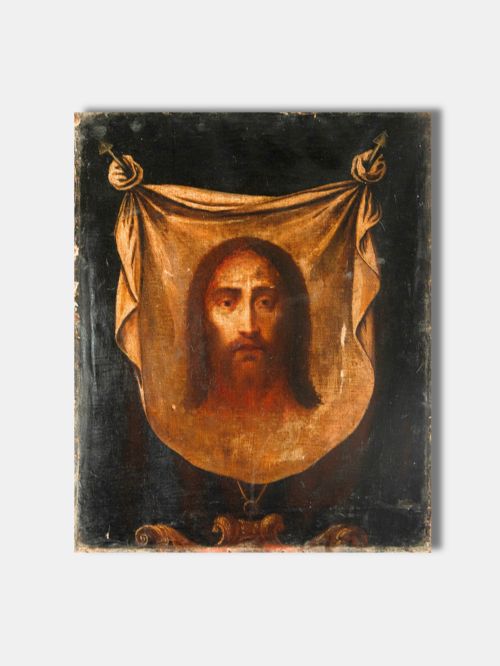
What is the Veil of Veronica?
The Veil of Veronica is a Christian relic depicting the holy face of Jesus miraculously imprinted upon a cloth. In art, this subject shows the solemn visage of Christ upon a draped fabric.
It remains a prominent motif in Spanish and Italian devotional painting.
How are periods told apart in religious art?
Periods are identified by examining painting techniques, stylistic conventions, and framing methods. Sixteenth and seventeenth-century works often display Baroque or Renaissance characteristics with dramatic lighting and rich oil layering.
Later nineteenth-century pieces and prints reflect academic realism or revivalist aesthetic movements.