


Gold Oval Wall Art
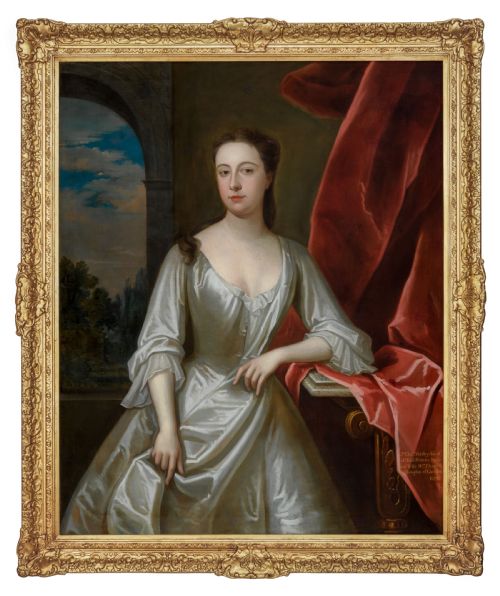
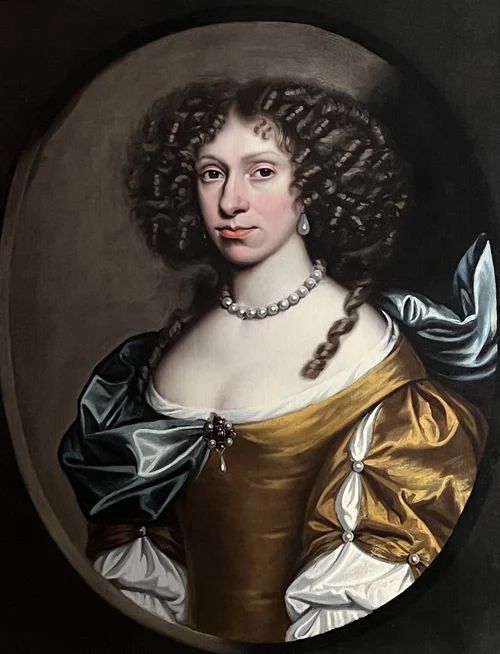
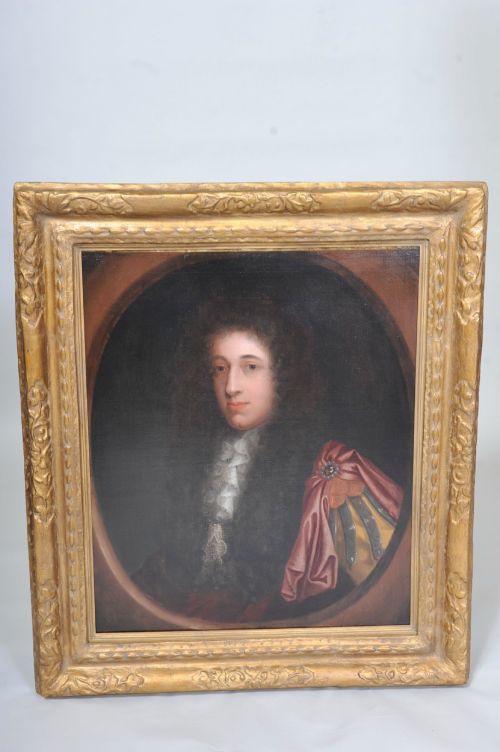
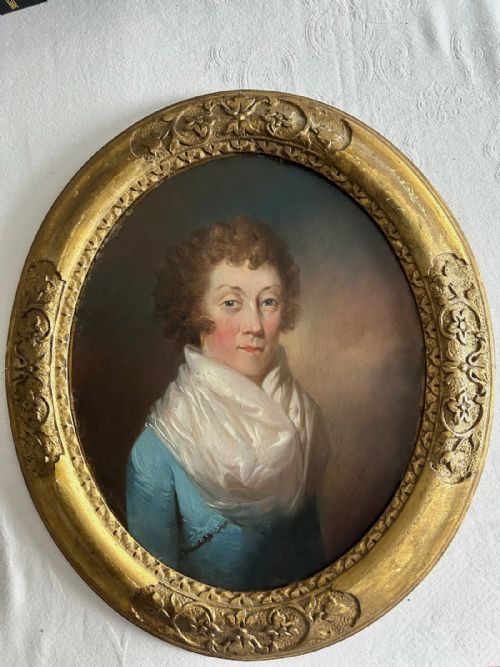
Gold oval wall art brings together centuries of portraiture, prints and needlework housed within striking metallic surrounds.
Gold Oval Wall Art
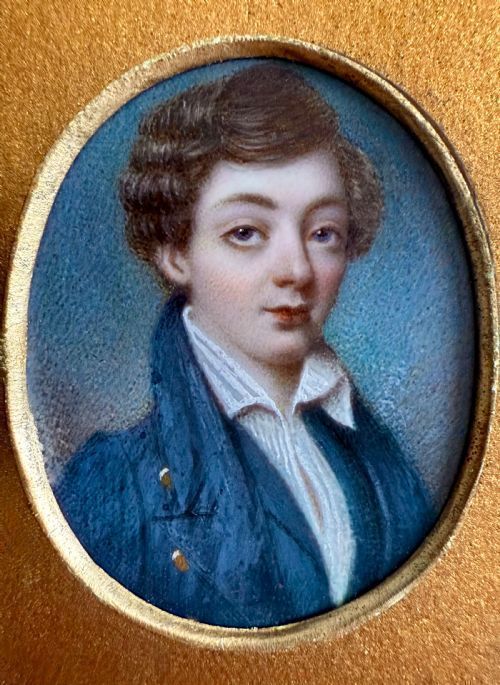
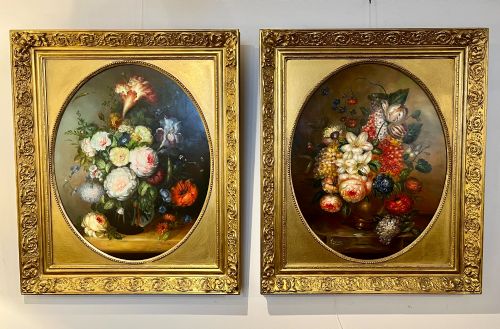
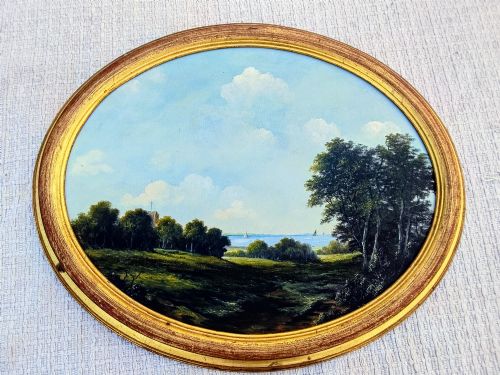
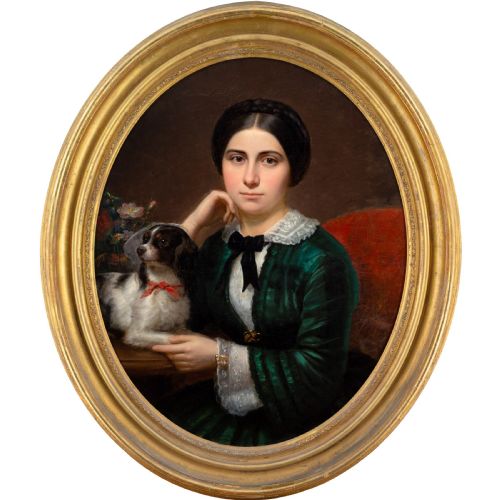
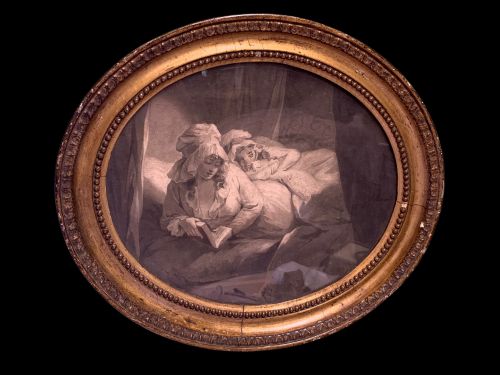
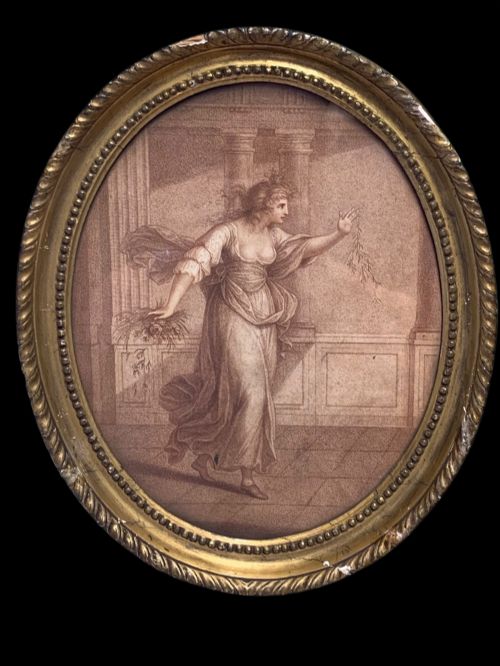
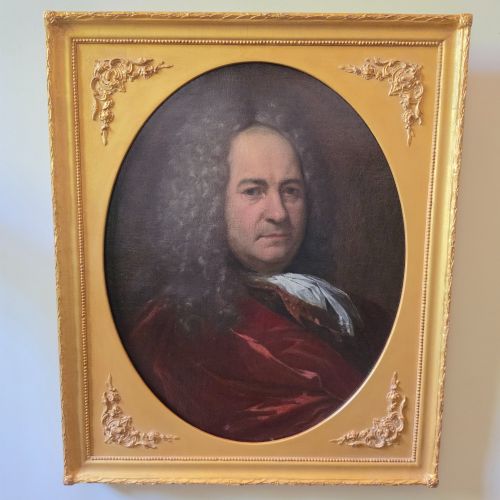
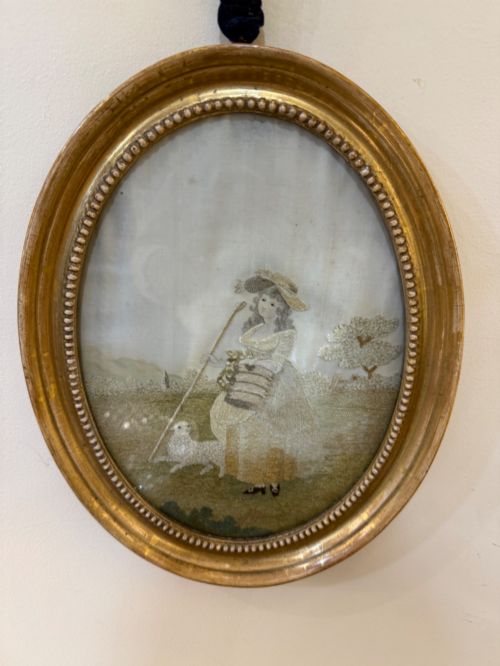
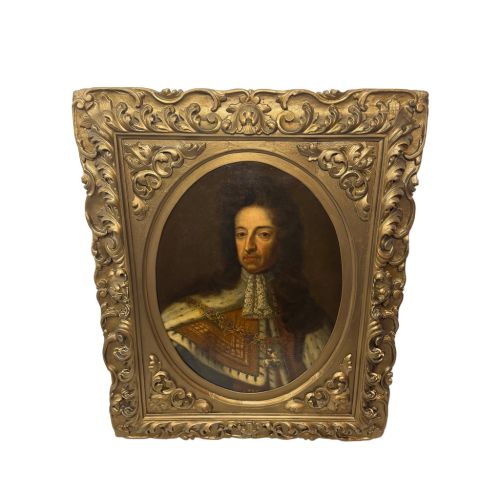
Gold oval wall art comprises framed paintings, engravings, pastels and silk works spanning from the seventeenth century through to the early twentieth century. Buyers seeking gold oval wall art encounter oil on canvas portraits, portrait miniatures, framed prints and watercolours shaped by historic aesthetics.
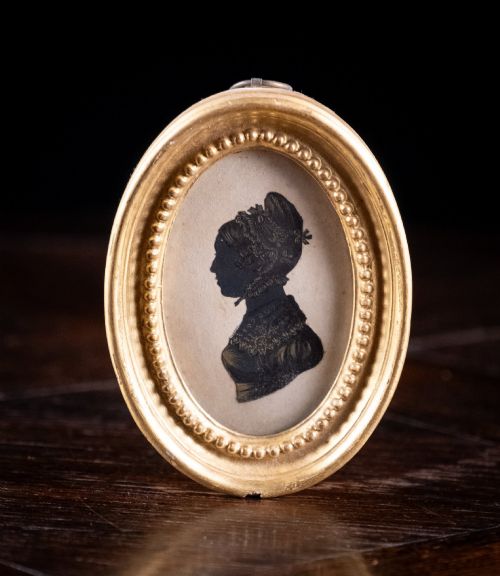
The selection ranges from seventeenth and eighteenth-century oil portraits to nineteenth-century watercolours, Regency silhouettes and Edwardian prints. Most examples rely on historic portraiture and framed works executed by British, French, Dutch and Italian hands.
Materials and construction methods
Makers utilised traditional canvas, wood panels and paper as supports for oils, watercolours, pastel and silk work. Frames incorporate giltwood, gilded wood and gold leaf to achieve reflective metallic surfaces suited to domestic interiors.
Artisans applied oil paint, ink, pastel and watercolour by hand, occasionally augmenting pieces with shellwork or engraving techniques. Protective glazing and period frames often accompany these works, preserving delicate pigments and papers.
Several portraits preserve the exact likenesses of historical figures alongside their loyal pet dogs and fruit baskets.
Factors determining quality
Provenance, attribution to known artists or schools, and the integrity of the canvas or paper substrate dictate the standing of individual items within the historical record.
Sir Godfrey Kneller·David Scougall·Richard Cosway·John Russell·Thomas Beach·Pieter Borseler·Jeremiah Davison·Thomas Gainsborough·Louis Icart·Emily Eyres
The Gold Oval Wall Art Glossary
- Giltwood
- Wood carved and coated with gold leaf or metallic paint to create an ornamental frame. This material provides the warm metallic border characteristic of many historic pieces.
- Oil on Canvas
- Pigment suspended in drying oil applied to a woven fabric stretched over a wooden frame. This technique allows for rich colour blending and durability over centuries.
- Portrait Miniature
- A small, highly detailed painting, often executed on vellum, ivory or paper. These intimate works frequently feature sitter details from the Georgian and Regency eras.
- Silhouette
- A solid dark profile portrait, typically cut from paper or painted in monochrome. Early examples often incorporate gold highlights or gilded frames.
- Silk Work
- Embroidery created using silk threads on a fabric ground. These decorative pieces display fine needlework techniques from the eighteenth and nineteenth centuries.
Gold Oval Wall Art: Frequently Asked Questions
How do I hang heavy framed wall art safely?
Heavy framed pieces require secure wall fixings suited to the wall substrate, such as masonry plugs or hollow-wall anchors rated for the weight of timber and glass.
Using picture wire rated well above the mass of the object and dual hanging points helps distribute the load evenly across the wall.
What lighting protects antique paintings?
Displaying works away from direct sunlight prevents the fading of oil pigments, watercolours, silk and paper substrates.
Utilising low-heat LED picture lights with UV filtering preserves the stability of organic materials and metallic gilding over time.
How can I date an antique frame?
Frame construction techniques, such as hand-carved gesso layers, joinery methods and the type of gold leaf applied, indicate the period of manufacture.
Comparing the rabbet depth, backing boards and nail types to documented historical standards aids in determining whether a frame is original to the artwork.
What is the best way to clean gilt frames?
Dusting giltwood frames gently with a soft, dry artist brush prevents the accumulation of particulate matter without disturbing fragile gold leaf.
Moisture and chemical solvents should be avoided entirely to prevent lifting the delicate metallic surface layers from the underlying wood.