
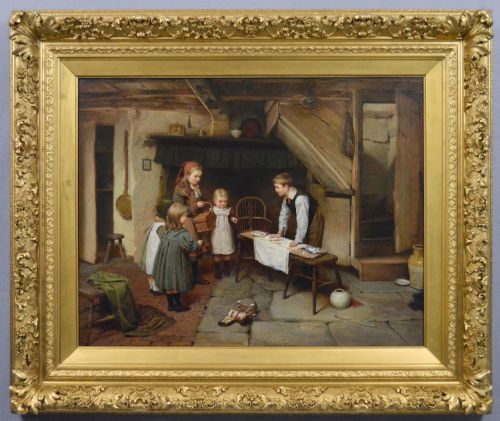


Victorian Child Picture
A victorian child picture captures the innocence of youth through painted, printed, and pastel portraits framed for domestic display.
Victorian Child Picture
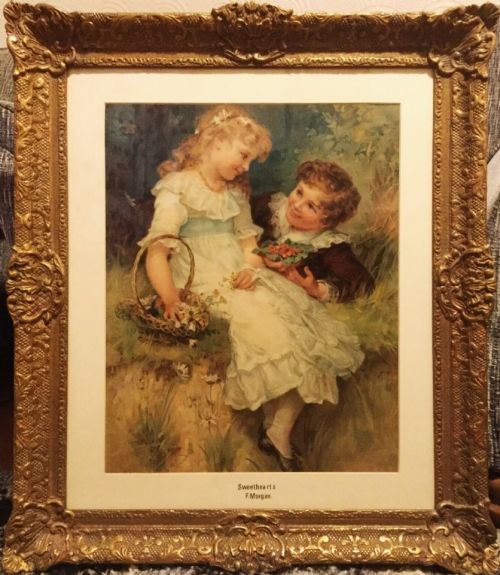
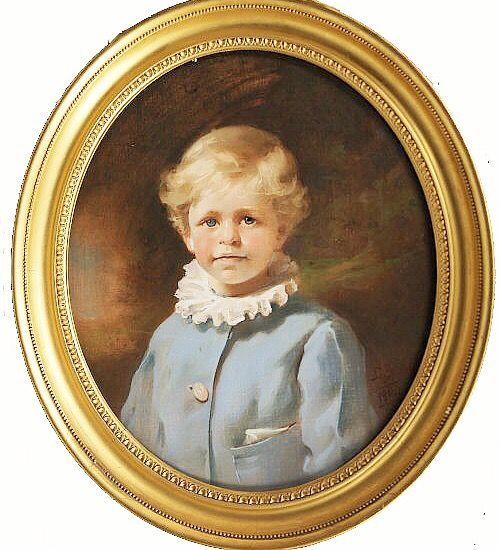
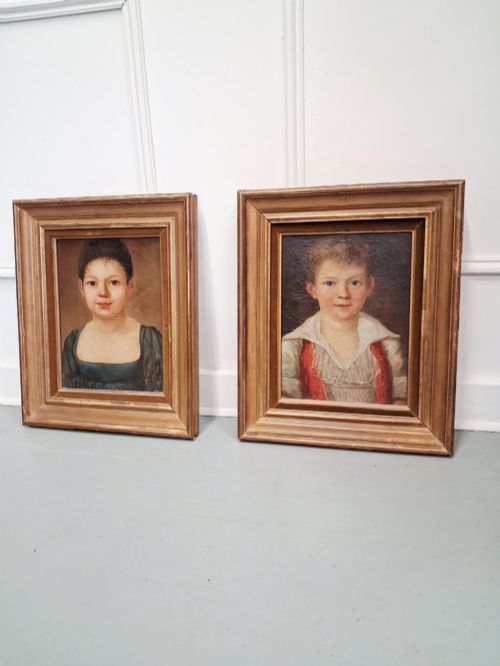
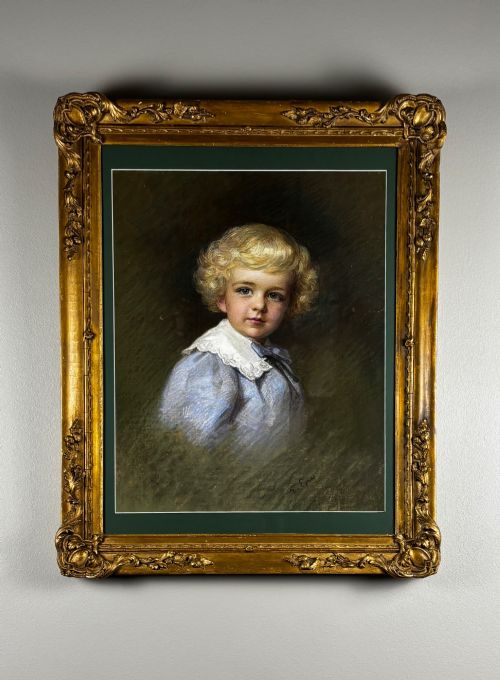
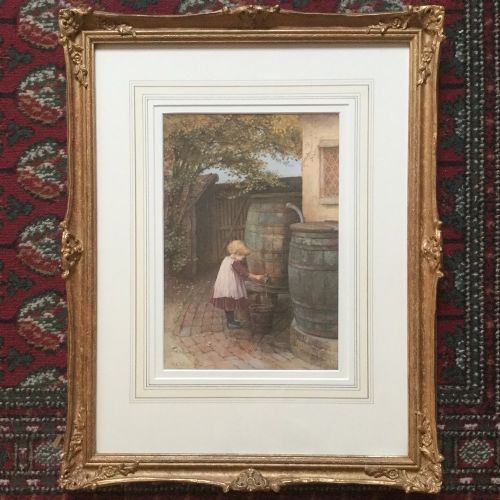
A victorian child picture encompasses original oil paintings, delicate watercolours, pastel portraits, and period prints depicting youngsters in domestic or genre scenes. These works capture the sentiment and realism favoured during the nineteenth century and the Edwardian era.
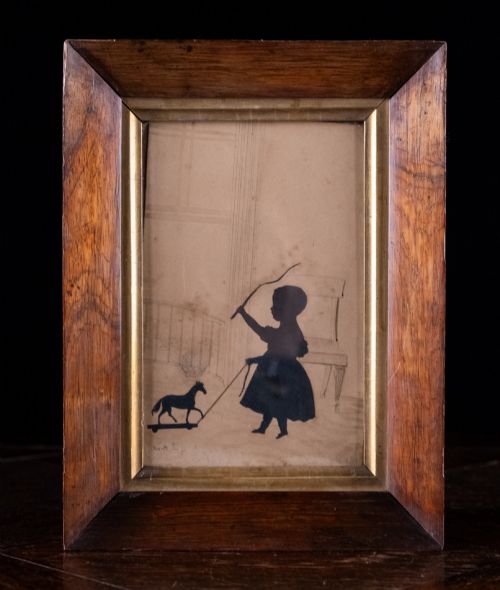
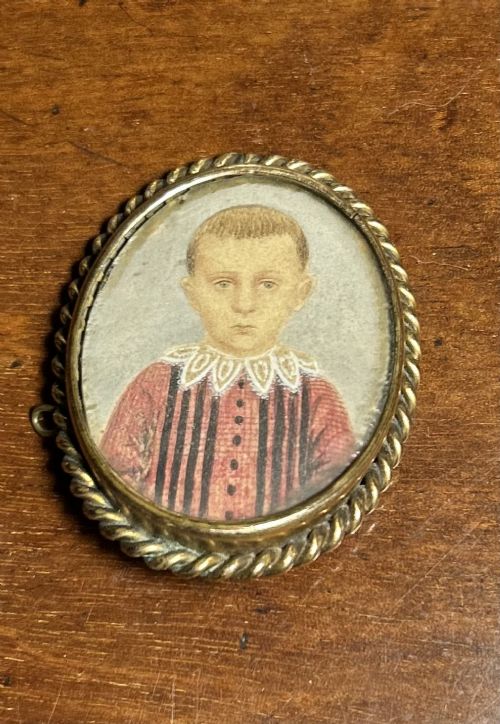
Buyers frequently encounter framed watercolours, oil paintings on canvas or panel, and lithographic prints from the Victorian period. Common subjects include children playing, family pets, and formal portrait miniatures.
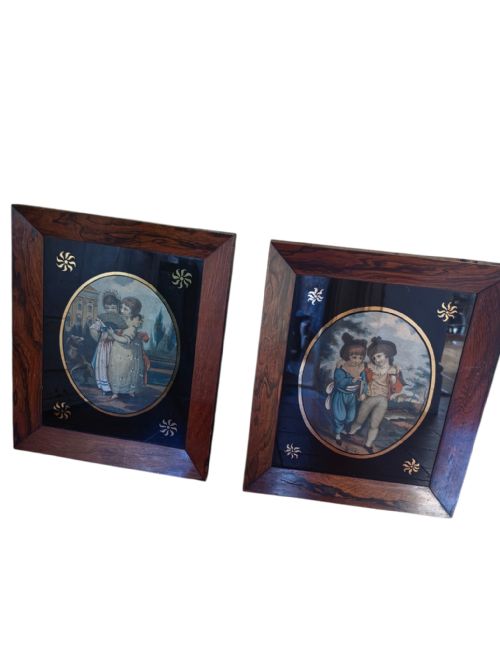
The materials span traditional artist supports housed in period enclosures such as rosewood, burr maple, and giltwood frames. Many pieces retain their original glass and gesso mouldings from the nineteenth century.
How They Were Made
Original works utilise oil, watercolour, and pastel applied to canvas, paper, or wooden panels by period artists. Print versions rely on techniques such as lithography, oleography, and chromolithography to replicate painted originals for a wider household market.
Framing forms an integral part of construction, employing carved wood, gesso, and specialised glass to protect fragile works on paper. Rosewood and giltwood frames provide structural depth and visual weight suited to nineteenth-century interiors.
Specialised forms like crystoleoms involve painting on convex glass and applying layered transfers to create a three-dimensional illusion. Needlework samplers utilise coloured thread stitched onto canvas backgrounds by young makers.
Children posed patiently with their pet rabbits, kids, and ponies so Victorian artists could immortalise their quiet domestic mischief.
What Varies in Quality
The distinction between standard commercial prints and original hand-painted works rests in the brushwork, depth of colour, and individual artist execution. Original watercolours and oils display precise draftsmanship and tonal variation absent in mass-produced lithographs.
The preservation of the primary medium and its original housing dictates overall standard. Unfaded pigments, stable canvas tension, and intact gesso frames with original gilding elevate the status of a piece within its period.
Attribution to a recorded artist or documented publisher elevates historical interest. Signed watercolours and oils by recognised nineteenth-century painters carry stronger provenance than anonymous studio output.
Augustin Edouart·Emily Eyres·James Hardy·Helena Maguire·John Henry Dell·Linnie Watt·William Stephen Coleman·Henry Silkstone Hopwood·Charles Edward Wilson·Charles Burton Barber·Harry Brooker
The Victorian Child Picture Glossary
- Crystoleom
- A Victorian process where a print is pasted to concave glass, made transparent with oil, and hand-painted behind the surface. This technique produces a luminous depth resembling an enamel miniature.
- Chromolithography
- A colour lithographic printing method utilising multiple stone plates to apply distinct chromatic layers. It allowed publishers to produce vivid reproductions of oil paintings for Victorian homes.
- Oleograph
- A textured print produced on canvas to simulate an oil painting, often finished with varnish. These pieces were popular commercial alternatives to original canvas works.
- Gesso
- A plaster mixture applied to wood frames and sculpted before gilding or painting. It provides the raised decorative relief characteristic of nineteenth-century picture frames.
- Genre painting
- Artwork depicting scenes from everyday life, frequently featuring children at play or domestic activities. It formed a dominant category in nineteenth-century exhibition art.
Victorian Child Picture: Frequently Asked Questions
What is a crystoleum picture?
A crystoleum is a delicate Victorian picture made by sticking a paper print onto curved glass, thinning the paper, and painting behind it by hand.
This intricate process gives the portrait a glossy, three-dimensional finish that resembles an oil painting under glass.
How do I date a child portrait?
Dating relies on costume details, framing styles, and the specific printing or painting technique used by the artist. Hairdos, lace collars, and the depth of the wooden frame often indicate the Victorian or Edwardian decade.
Signed works can be cross-referenced with artist exhibition dates recorded between the early nineteenth and mid-twentieth centuries.
Are these works original paintings?
The selection includes both unique hand-painted oils and watercolours alongside period prints and lithographs. Each listing specifies the exact medium, distinguishing between original canvas works and commercial reproductions.
Prints from the period served as popular household art, while original paintings represent individual artist commissions.
How should I display them?
These framed pictures suit traditional wall displays in living spaces, studies, or hallways alongside period furniture. Hanging them away from direct sunlight protects vulnerable watercolours and pastel pigments from fading.
Original gesso and rosewood frames should remain in stable humidity conditions to prevent timber splitting.