


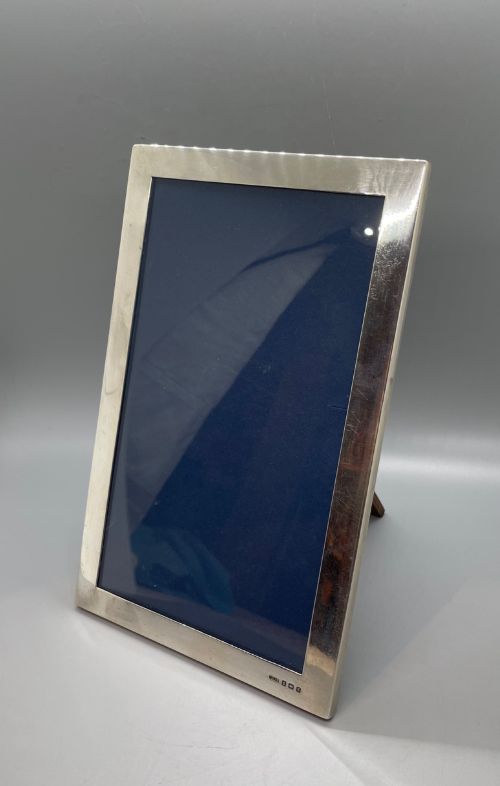
Edwardian Framed Portrait
An edwardian framed portrait brings domestic character to a room, uniting painted subjects with the wood, glass and silver that enclose them.
Edwardian Framed Portrait
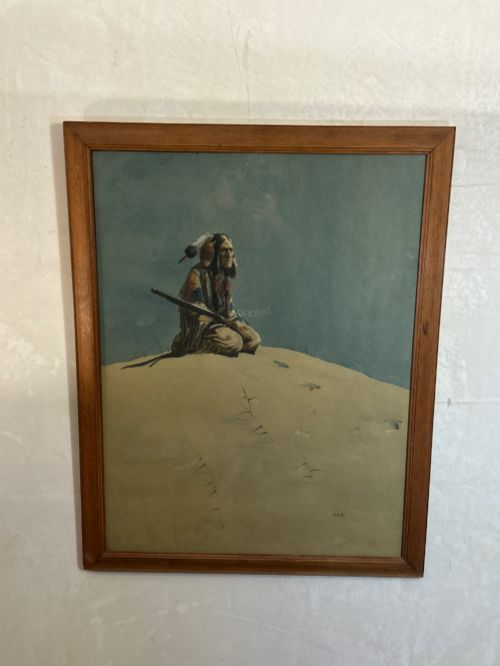
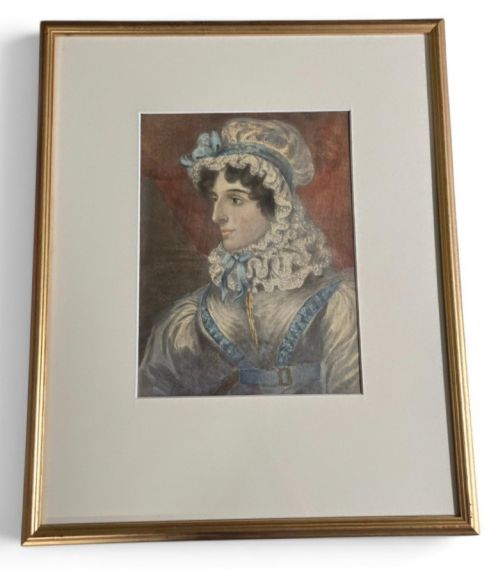
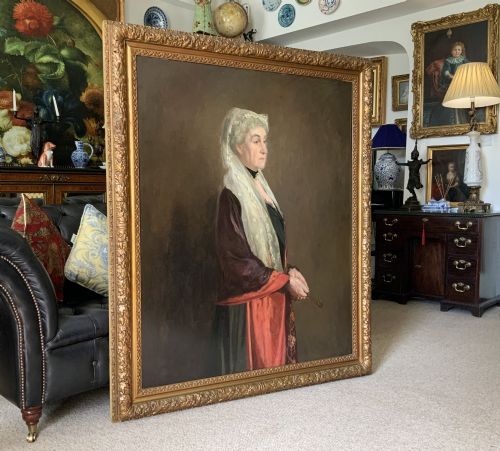
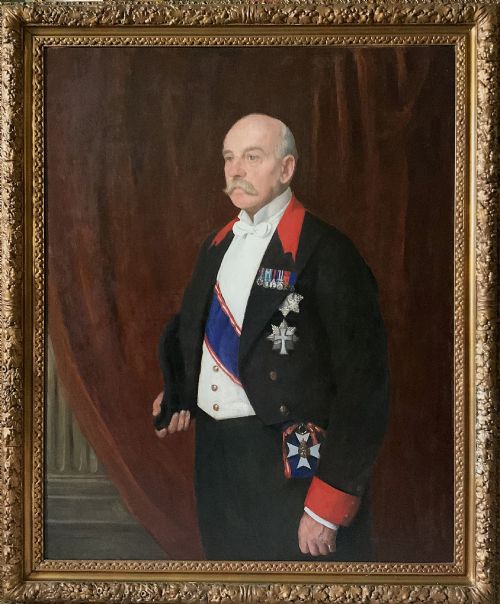
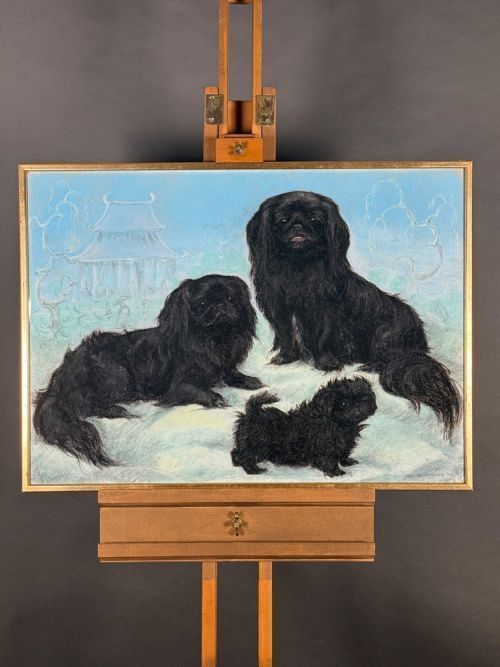
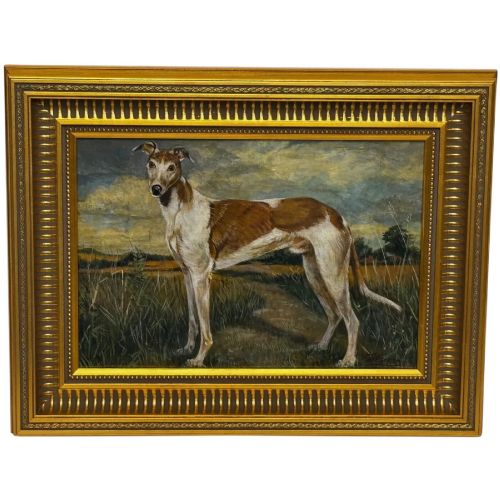
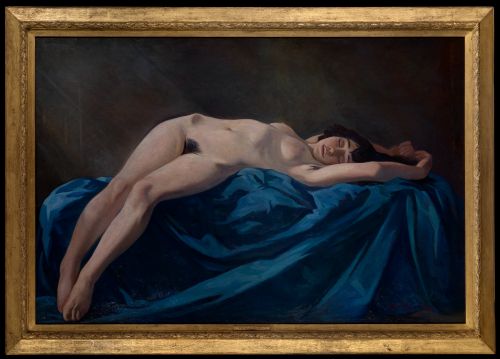
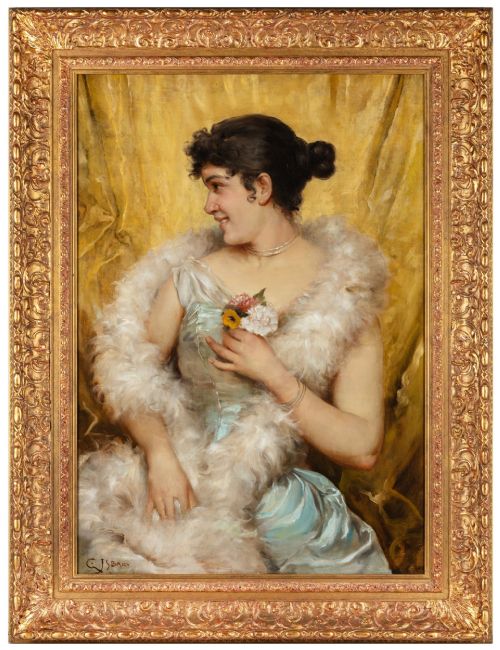
An edwardian framed portrait captures the likenesses of individuals and animals across oils, pastels, watercolours and pencil studies. These works range from monumental oil paintings of military figures and ladies to delicate pastel drawings and caricatures.
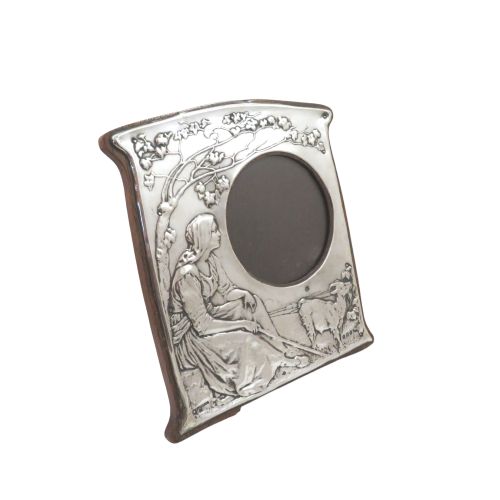
Buyers will encounter both standalone painted canvases set within period surrounds and dedicated photograph frames cast in sterling silver or ormolu. The period aesthetic encompasses formal society portraits alongside expressive British folk art and sporting animal studies.
Materials and construction
Artworks within this category utilise oil on canvas, pastel on paper, and watercolour applied by brush or pencil onto board. Frames are constructed from carved wood, giltwood, and burr maple, or worked in sterling silver and ormolu.
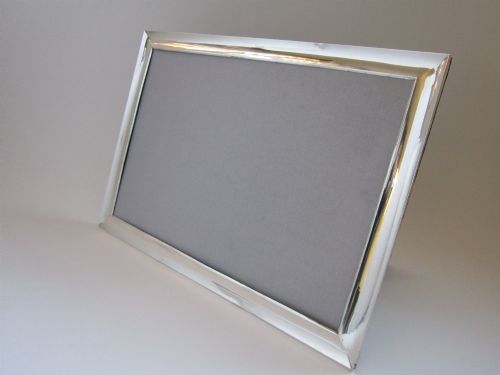
Metal photograph frames are fabricated with hallmarked sterling silver, incorporating decorative motifs such as ribbons, angels, and art nouveau curves around glass panels.
Listings feature works spanning the nineteenth century through the 1960s, utilising oil, pastel, watercolour, and sterling silver.
Distinctions in quality
The standard of an edwardian framed portrait rests upon the draughtsmanship of the subject and the cohesion between the artwork and its housing. Hand-carved giltwood and fully hallmarked silver surrounds demonstrate superior craftsmanship compared to mass-produced alternatives.
The execution of the painted likeness, whether an intimate pencil study or a grand oil on canvas, dictates the artistic merit of the piece within its historical period.
Emily Eyres·John Hassall·Leon Sprinck·G. J. Bary·William Comyns·William Hutton and Sons·Augustus John
The Edwardian Framed Portrait Glossary
- Edwardian
- Pertaining to the reign of King Edward VII from 1901 to 1910, though the style extends slightly either side in decorative arts. It marked a lighter, more optimistic aesthetic following the Victorian era.
- Giltwood
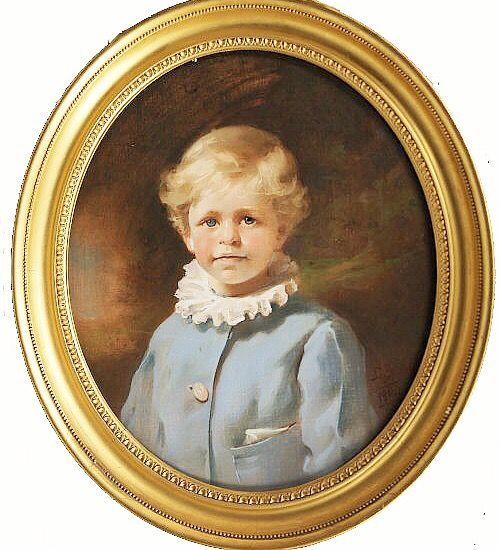
- Timber carved and coated with gold leaf or a gilt gesso finish. This material provided opulent, reflective borders for significant oil paintings.
- Ormolu
- Finely ground high-carat gold-bronze cast and finished for decorative metalwork. It frequently appears on period frames and mounts.
- Berlin work
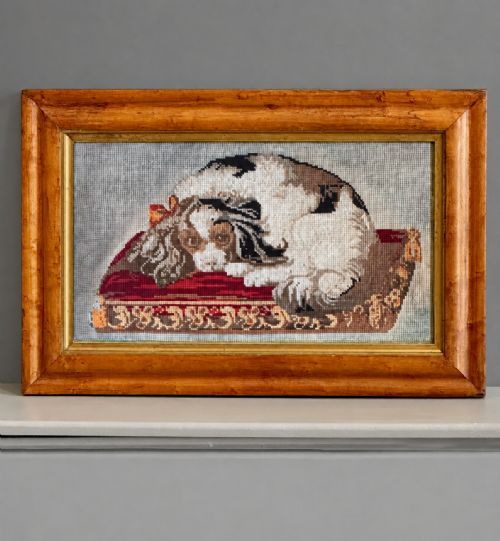
- A type of counted-thread needlework popular in the nineteenth century using wool on canvas. It often depicted animals or domestic scenes.
Edwardian Framed Portrait: Frequently Asked Questions
What periods do these portraits cover?
The selection spans the late nineteenth century through to the early twentieth century, with a strong representation of the Edwardian decade and George V eras. Pieces also occasionally draw upon earlier Victorian or Regency styles.
Dates are determined by the creation of the artwork or the assay office hallmarks stamped upon the accompanying metal frames.
How do I hang a heavy oil portrait?
Monumental oil paintings require robust picture hooks secured directly into wall studs or heavy-duty masonry fixings. The weight of the timber and giltwood frame dictates the need for professional wall anchors.
Ensure the hanging wire or brass rings affixed to the wooden stretcher are checked for stability before mounting the artwork.
How should I clean a silver frame?
Sterling silver photo frames should be cleaned gently with a specialised microfibre cloth designed for precious metals. Avoid getting polish on any velvet backing or the glass aperture.
Harsh chemical dips must be avoided to preserve the original hallmarks and any delicate surface detail.
Are pastels framed differently from oils?
Pastel works on paper require glass protection to prevent the loose pigment from smudging or lifting over time. Oil paintings on canvas or board are typically displayed open to the air without glass.
Pastels are also usually mounted with a card slip or matt to keep the paper surface from touching the glass directly.