


Child Portrait Oil Painting
A child portrait oil painting captures young subjects across centuries of shifting styles, offering a direct window into historical domestic life.
Child Portrait Oil Painting
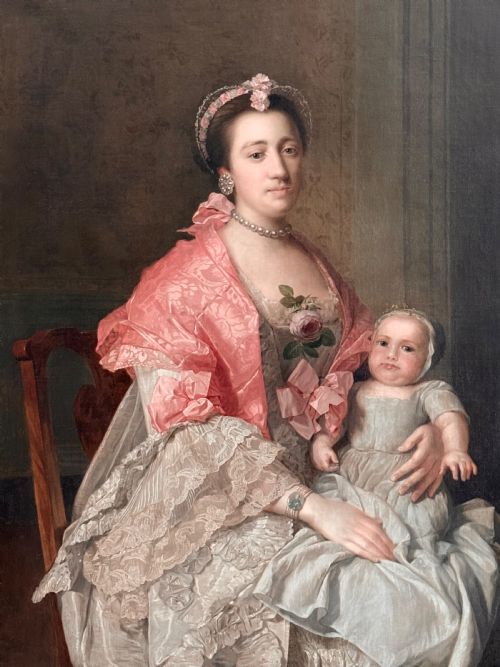
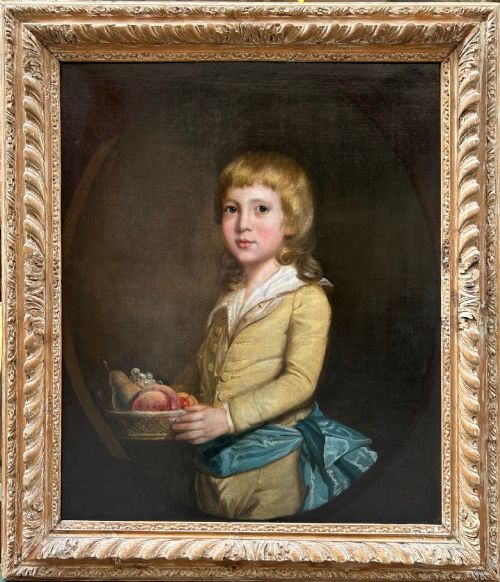
A child portrait oil painting encompasses works depicting young subjects, ranging from formal aristocratic commissions to informal genre studies of children at play. Buyers browsing this selection encounter pieces spanning from the sixteenth century through the Edwardian era and mid-twentieth century.
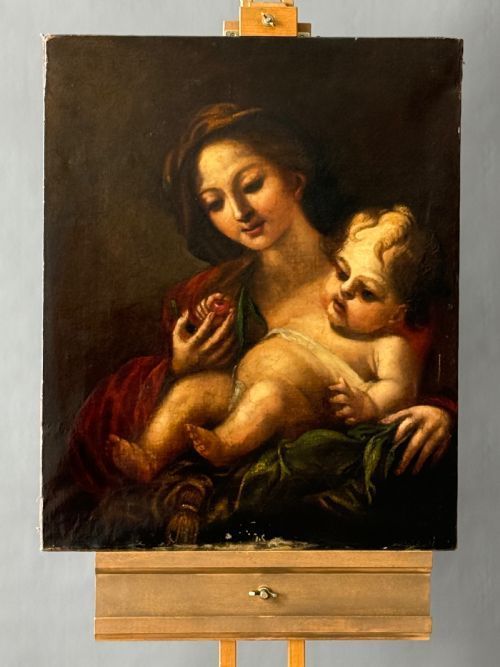
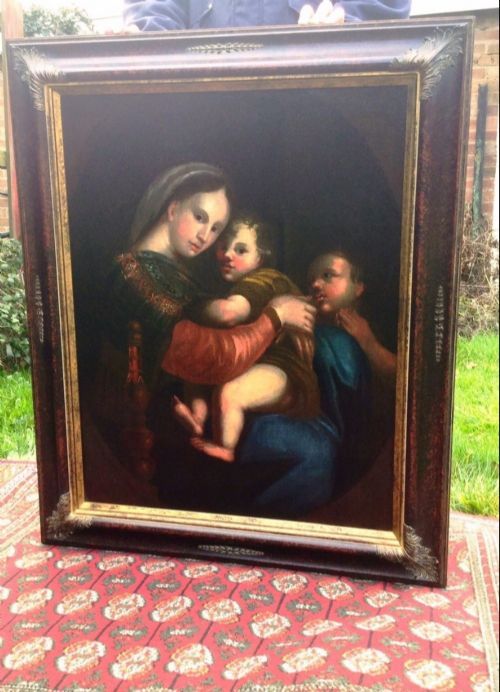
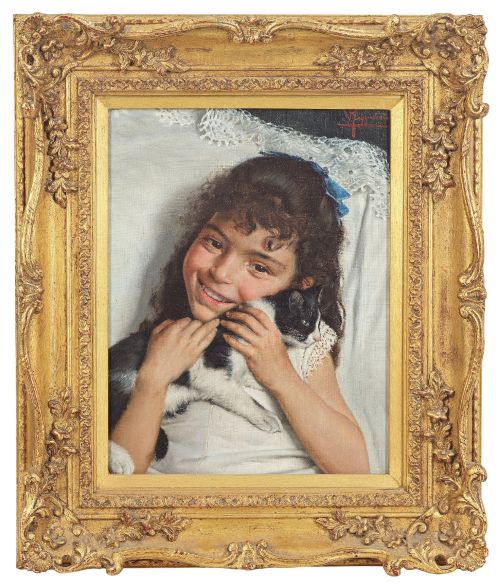
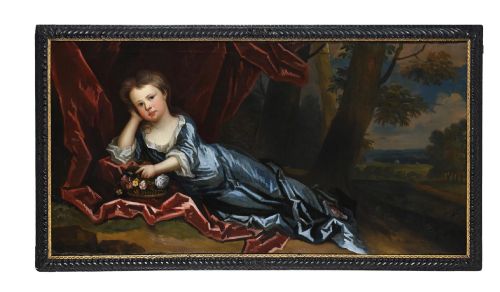
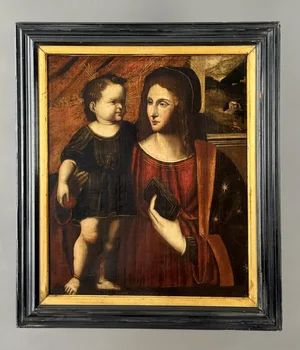
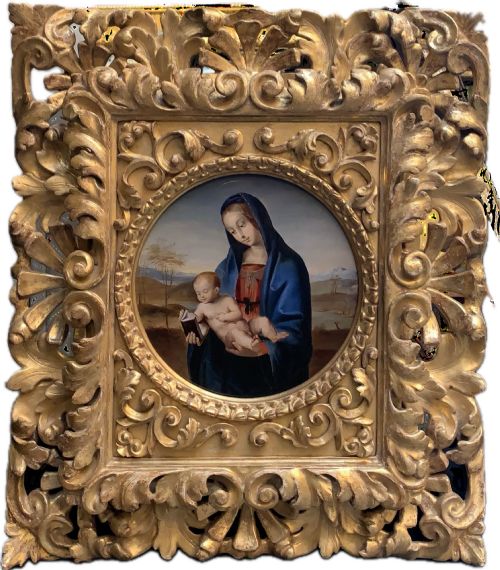
Many works connect to religious iconography, specifically depictions of the Madonna and child derived from Renaissance and Baroque masters. Secular depictions frequently present children individually or with pets, toys, and family members in both provincial and court settings.
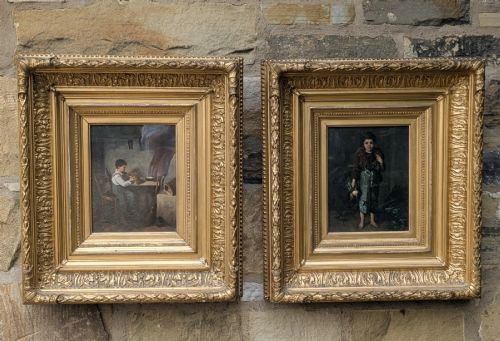
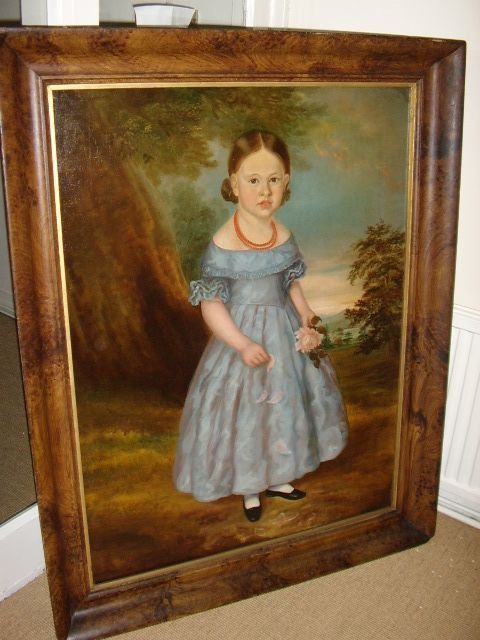
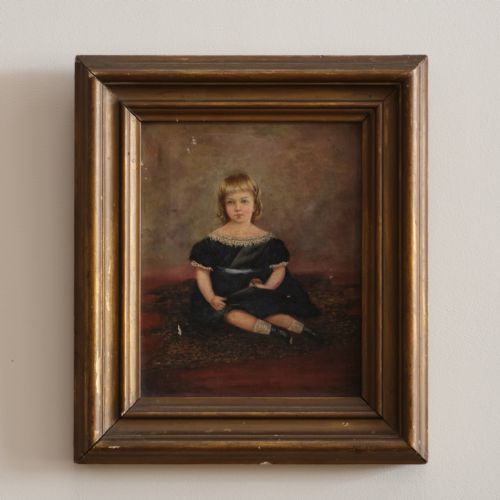
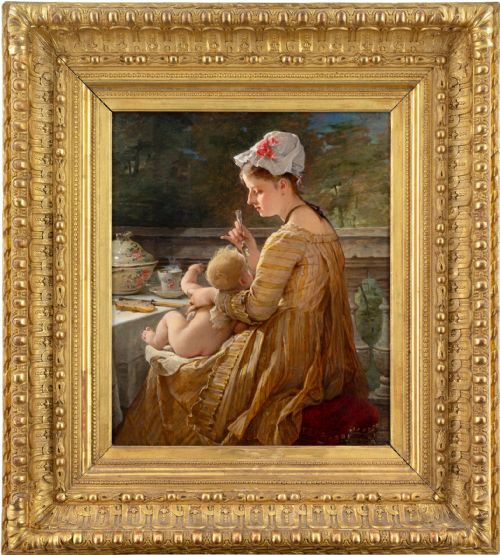
Stylistic approaches vary widely across the inventory, moving from rigid early British and European school compositions to relaxed Victorian realism and folk art interpretations. The nineteenth century introduces a strong strand of genre painting where children appear in narrative domestic scenes.
Materials and technique
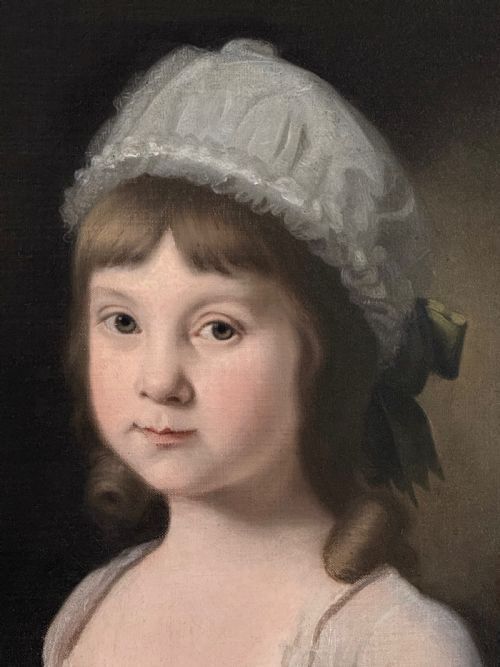
Oil on canvas serves as the primary medium for these portraits, utilising oil paint applied to stretched woven fabric to build rich depth and tonal gradation. Artists manipulate the slow-drying nature of oil pigments to blend flesh tones and capture delicate textures in clothing and hair.
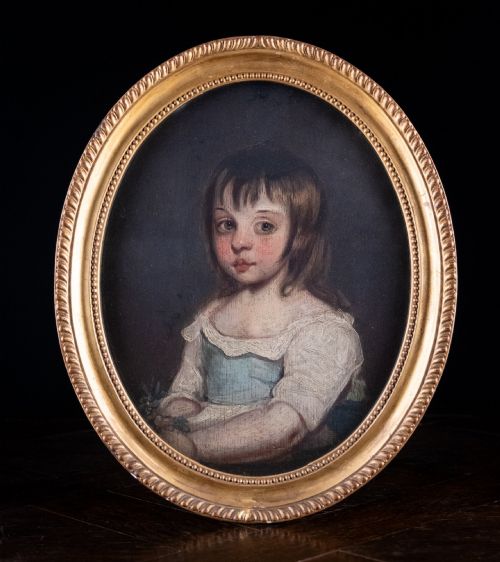
Surviving canvases frequently retain their original or period frames constructed from wood, embellished with gesso, and finished in gilt or giltwood. These ornamental surrounds provide structural support while framing the painted surface with reflective metallic detail.
Several young subjects share the canvas with unexpected companions, including exotic birds, pet dogs, and a very new toy.
Assessing quality and execution
The sophistication of brushwork and anatomical handling distinguishes studio pieces from provincial or naïve works, though each category holds distinct appeal. Master painters demonstrate superior control over light, shadow, and the psychological presence of the sitter.
The integrity of the canvas surface and the preservation of the original paint layer dictate the overall standard of a piece. Works retaining their period giltwood frames often demonstrate a higher level of original provenance and historical completeness.
Joshua Reynolds·Allan Ramsay·Thomas Lawrence·Michael Dahl·Joseph Highmore·Arthur William Devis
The Child Portrait Oil Painting Glossary
- Oil on Canvas
- A traditional painting medium where oil-based pigments are applied to a stretched canvas support. This combination allows for subtle blending and long-term durability.
- Giltwood
- Wood carved and coated with gold leaf or a gold-coloured metallic finish. This material dominates the frames associated with period paintings.
- Gesso
- A plaster-like mixture applied to wooden frames as a base before gilding or painting. It provides a smooth surface for intricate mouldings.
- Genre Painting
- Artwork depicting scenes from everyday life involving ordinary people. These works often capture domestic narratives rather than formal portraiture.
- Old Master
- A term for a European artist of high skill working before the nineteenth century. Pieces attributed to these schools carry significant historical weight.
Child Portrait Oil Painting: Frequently Asked Questions
How do I date an old portrait?
Dating relies heavily on the clothing styles, hair arrangements, and framing materials visible in the artwork. Comparing the technique to known regional schools helps narrow the period.
Documentation, inscriptions on the reverse of the canvas, and artist signatures also provide reliable chronological markers for specific works.
What is a naive portrait?
A naive or primitive portrait is created by an artist with little or no formal academic training. These pieces often feature flat perspectives and direct expressions.
Collectors value them for their unpretentious charm and distinct regional character rather than strict adherence to classical proportions.
How should I display these paintings?
These works require stable interior environments away from direct sunlight and excessive humidity to protect the canvas and oil pigments. Proper wall placement prevents warping of the wooden stretcher bars.
Pairing the canvas with an appropriate period frame enhances the visual impact and supports the structural integrity of the piece.
What distinguishes studio work from school pieces?
Studio works are produced by assistants under the direct supervision of a master artist, often repeating successful compositions. School pieces reflect the general style and methods of a particular region or era without direct attribution.
Both categories offer historical context while differing in market attribution and documentation.