

Framed Canvas Portrait Artwork
When you search for framed canvas portrait artwork, you encounter centuries of oil paintings capturing recognisable historical figures, aristocrats and everyday sitters.
Framed Canvas Portrait Artwork
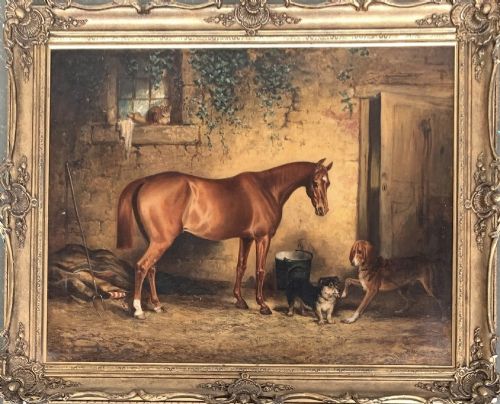
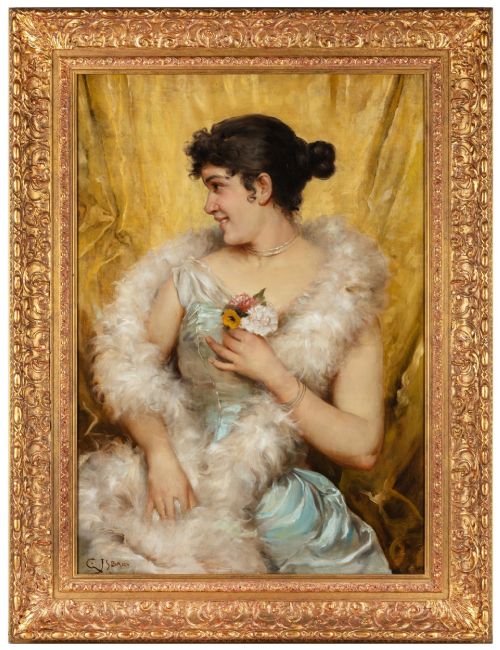
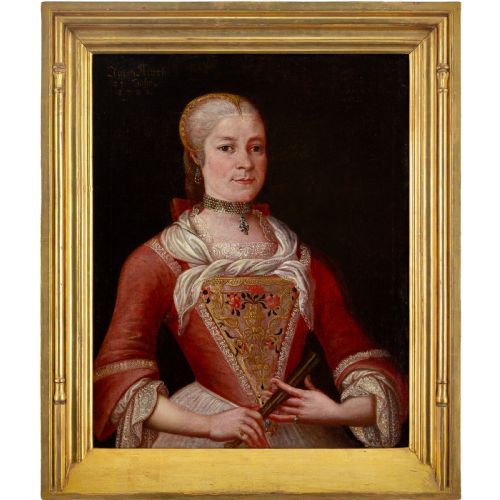
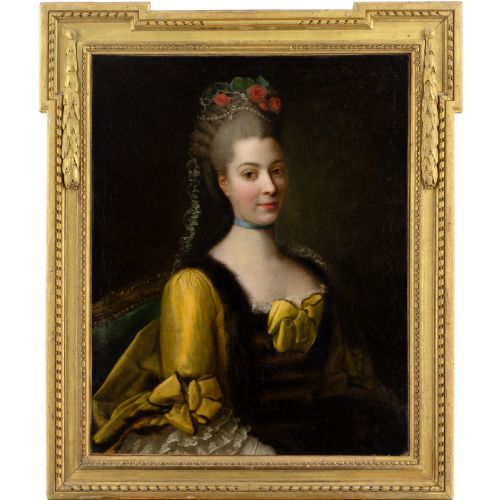
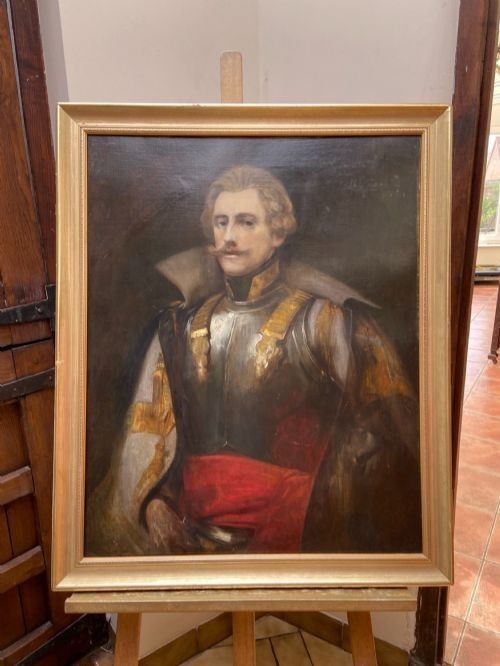
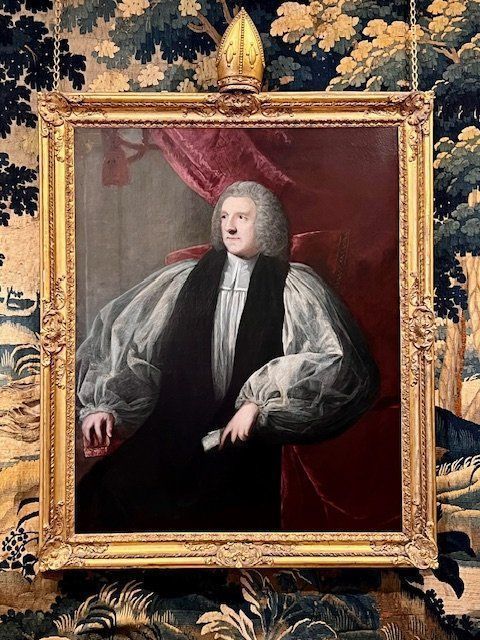
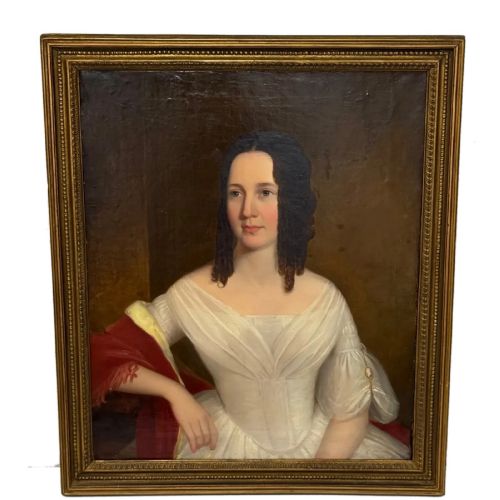
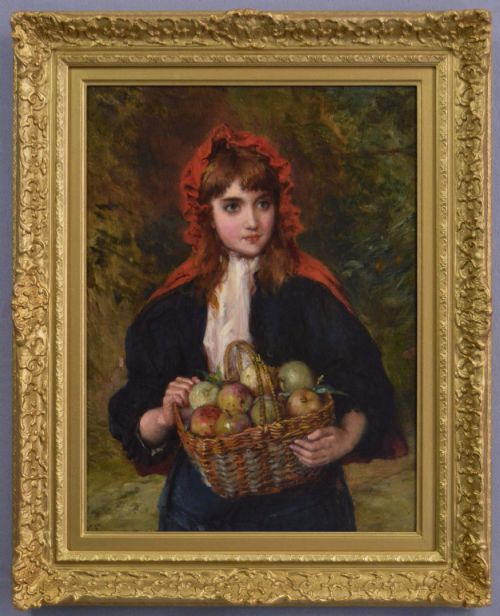
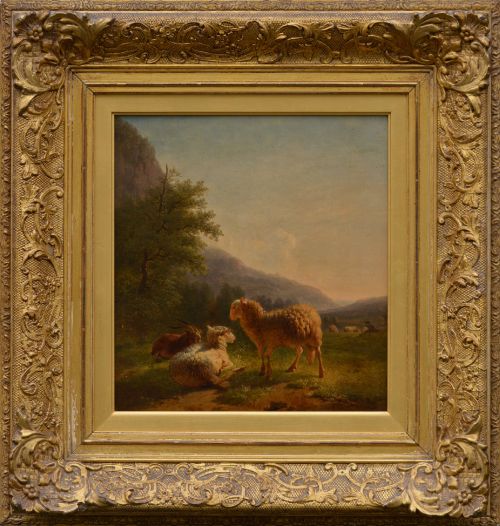
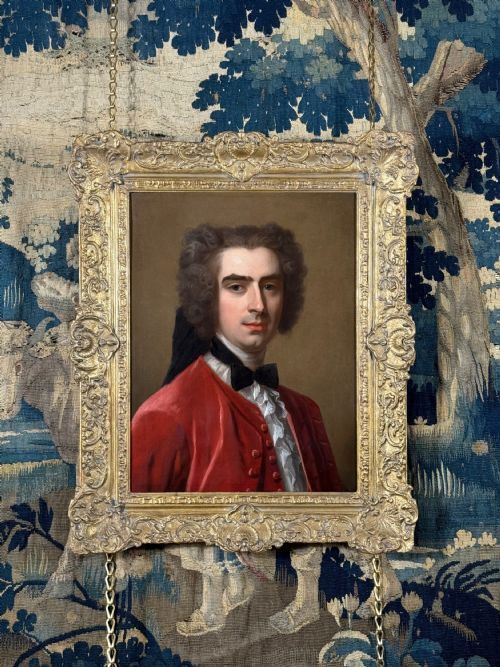
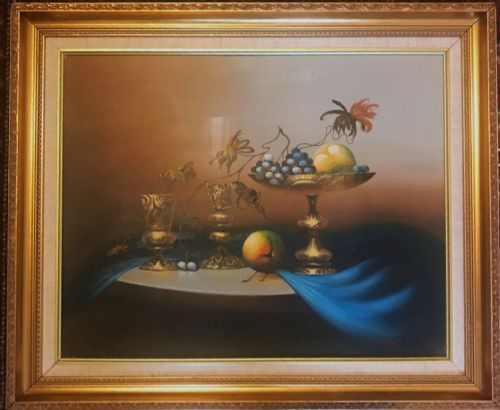
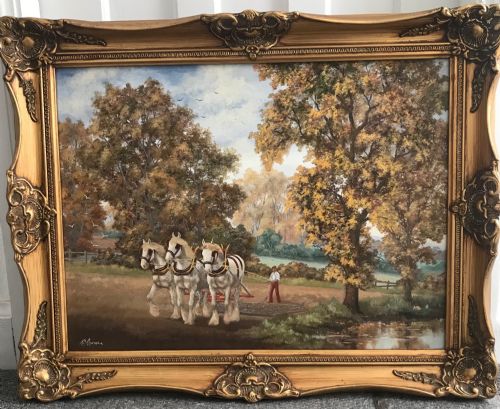
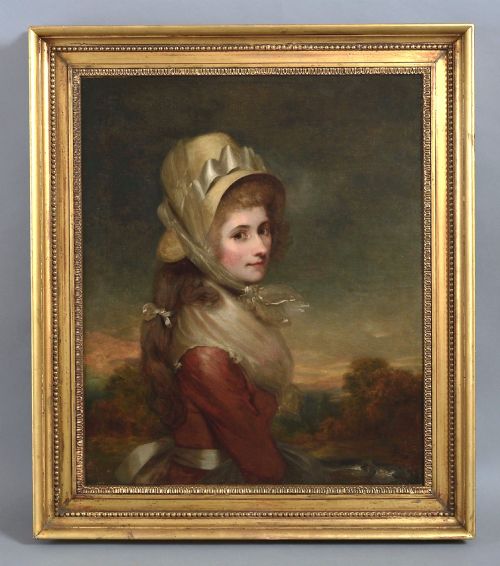
A framed canvas portrait artwork brings historical presence into a room, depicting sitters ranging from seventeenth-century nobility to nineteenth-century architects, country girls and animals. You are most likely to meet nineteenth-century and eighteenth-century examples on this page, alongside earlier seventeenth-century works and mid-twentieth-century pieces.
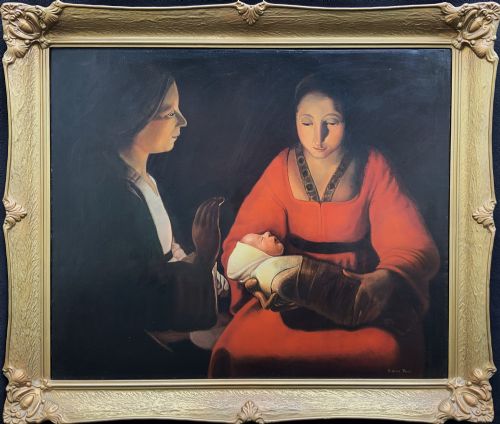
The subjects extend beyond human likenesses to include equine portraits, prize-winning shorthorn bulls and classical mythological scenes rendered on canvas. These paintings span periods from the Baroque era through Georgian, Regency and Victorian styles to Edwardian and Art Deco commissions.
Materials and construction
These works rely on oil paint applied to woven canvas stretched over wooden frames, often supported by wooden stretcher bars. Artists built depth through layers of pigment, while contemporary or later frames incorporate carved wood, gesso and applied gold leaf or giltwood.
The framing technique typically matches the period or a subsequent restoration, utilising heavy moulded profiles finished with gesso and gilding to protect and complement the canvas edge.
Listings span from the seventeenth century through to the mid-twentieth century, featuring oil on canvas supported by giltwood and gesso frames.
Judging quality and execution
Quality rests in the anatomical precision of the hands and face, the handling of drapery and fabric textures, and the psychological depth conveyed in the sitter's expression. Master works or strong studio pieces display confident brushwork and subtle tonal gradation that lesser copyists fail to achieve.
The integrity of the canvas and the preservation of the original paint layer dictate the baseline condition, whilst the craftsmanship of the surrounding giltwood frame contributes significantly to the overall presence of the piece.
Sir Joshua Reynolds·Sir Peter Lely·Sir Godfrey Kneller·Anthony Van Dyck·Eugène Verboeckhoven
The Framed Canvas Portrait Artwork Glossary
- Oil on Canvas
- A traditional painting medium where coloured pigments are suspended in a drying oil, usually linseed, and applied to a prepared fabric support. This combination allows for rich blending and enduring colour depth.
- Giltwood
- Wood carved and covered with a thin layer of gold leaf or metallic powder, frequently used for ornate antique picture frames. It provides a warm, reflective border that enhances the painting within.
- Gesso
- A paint mixture consisting of a neutral binder mixed with chalk, gypsum, or pigment, used to prepare wood or canvas surfaces. It forms a smooth base for subsequent gilding or painting.
- Baroque
- An artistic style originating around sixteen hundred, characterised by dramatic movement, deep shadow and grand scale. In portraiture, this approach emphasises theatrical lighting and rich attire.
- Provenance
- The documented history of ownership of an artwork, establishing its authenticity and lineage. A clear record adds substantial context to historical sitters.
Framed Canvas Portrait Artwork: Frequently Asked Questions
How should I hang an oil portrait?
Support heavy framed canvases using secure wall anchors fixed directly into masonry or studs rather than standard plaster hooks.
Keep the centre of the canvas at eye level and avoid positioning the artwork in direct sunlight or above active heat sources.
How do I identify the period?
Examine the clothing, hairstyle and collar style of the sitter, which generally reflect the fashion of the painting's creation.
Inspect the back of the canvas, stretcher bars and frame construction for historical nails, stamps or handwritten labels.
What does after an artist mean?
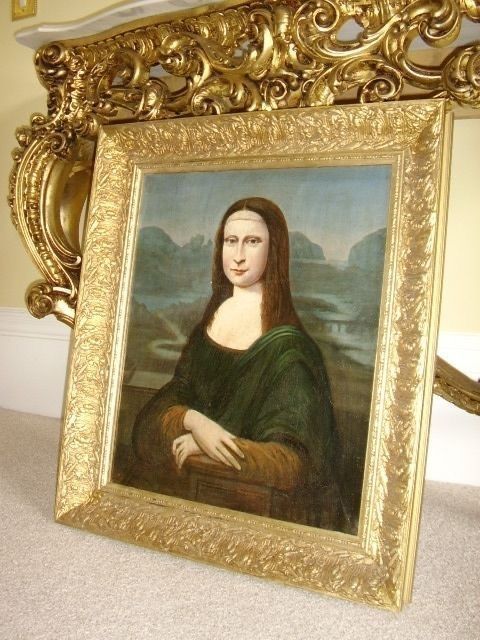
This attribution indicates that the work is a later copy executed after a well-known painting by the named master.
These pieces were frequently created as study pieces or to provide collectors with access to famous compositions.