

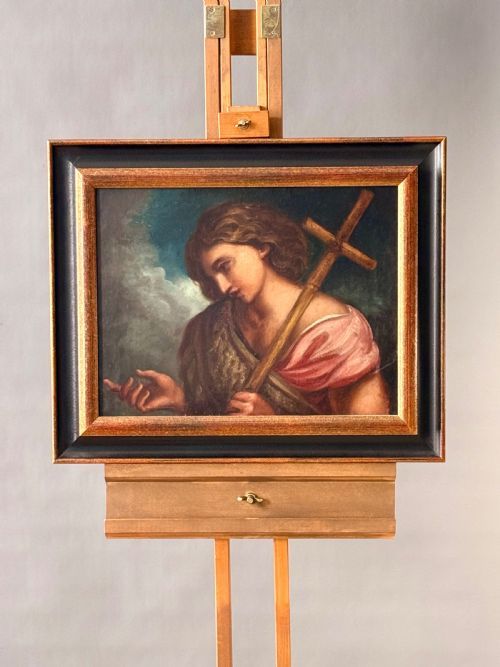
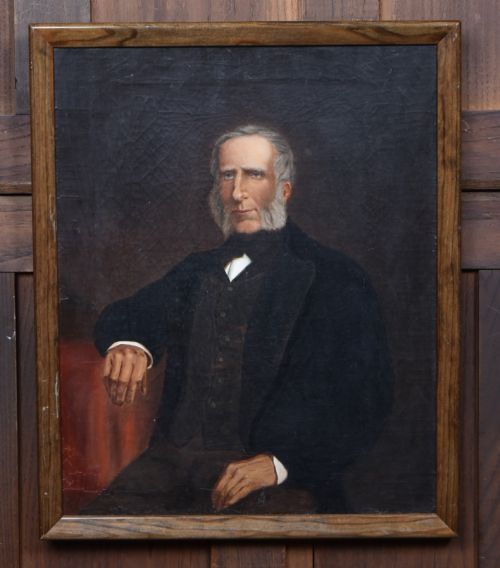
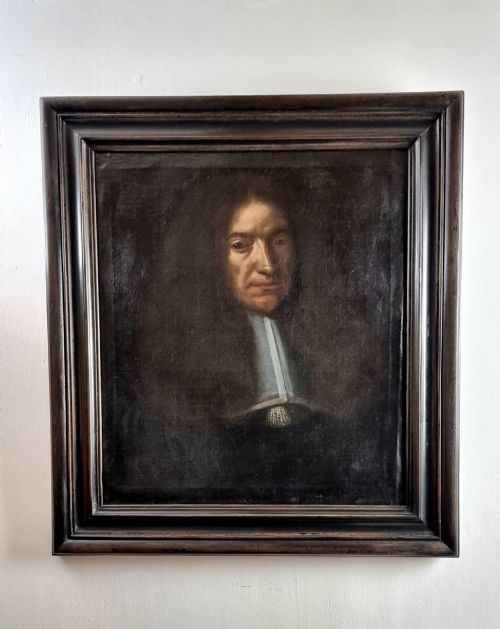
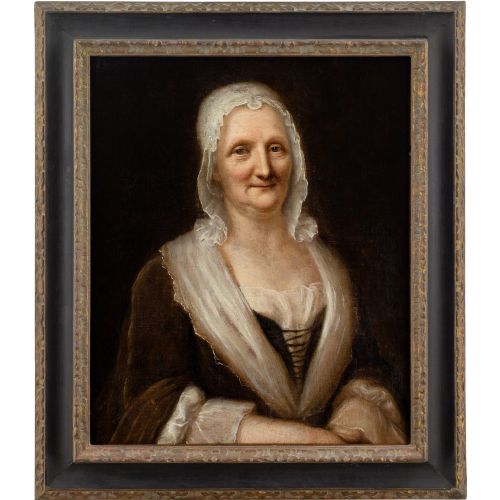
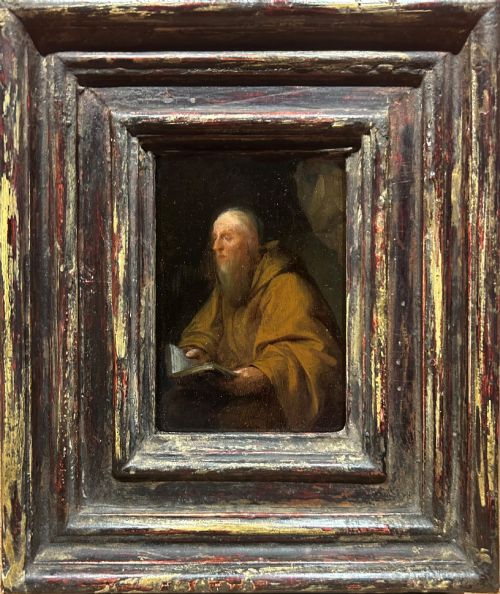
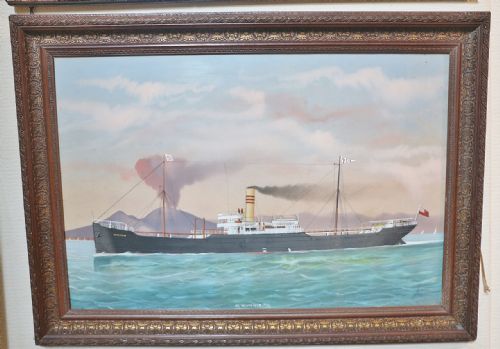
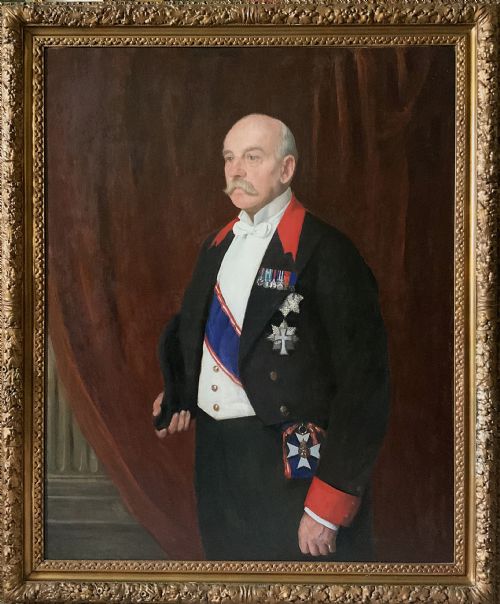
Dark Wood Portrait Painting
Dark wood portrait painting brings centuries of character into a room, capturing faces from the seventeenth to the nineteenth centuries within heavy timber frames.
Dark Wood Portrait Painting
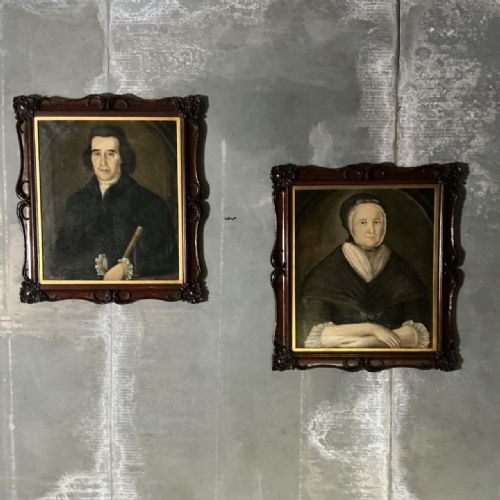
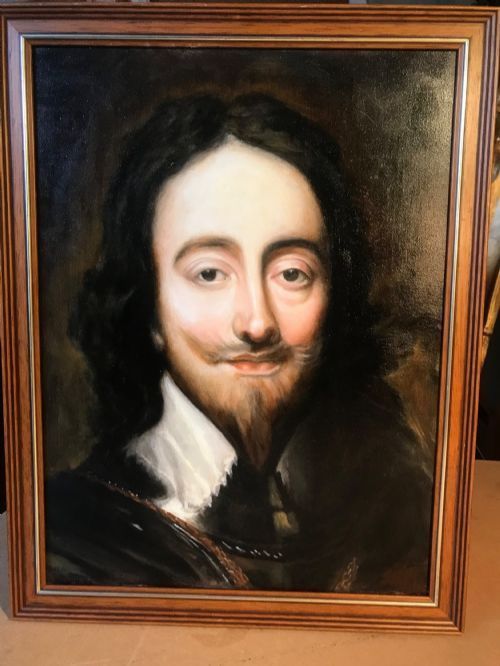
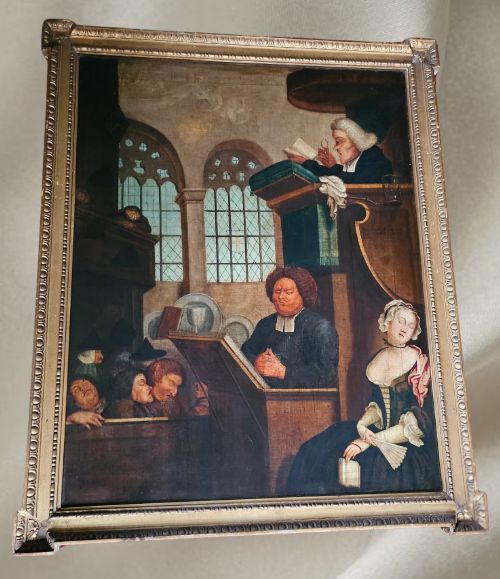
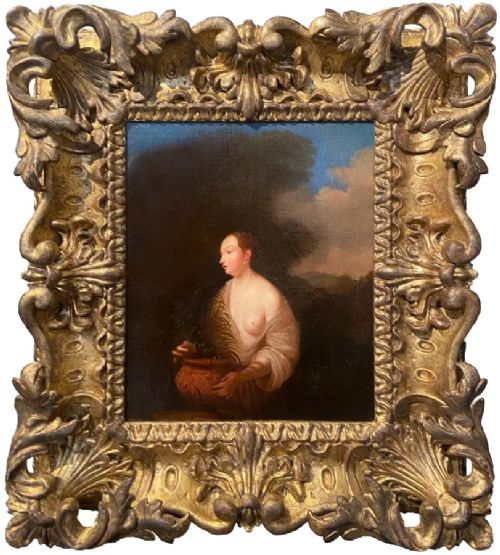
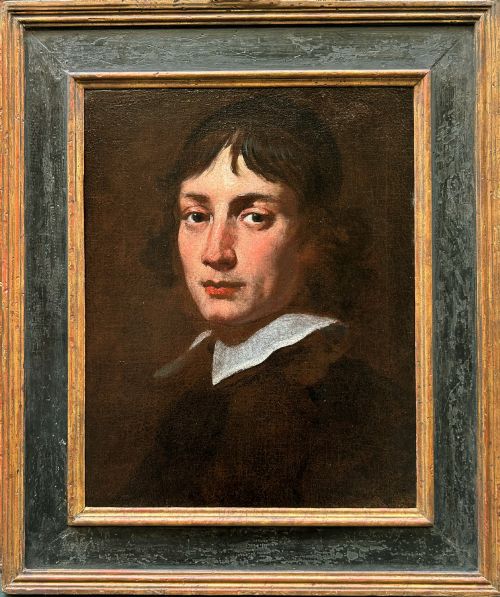
A dark wood portrait painting typically presents historic sitters rendered in oil on canvas or panel, framed by the deep tones of period timber. Buyers looking at this selection will find works spanning seventeenth-century Dutch and English schools through to Victorian representations.
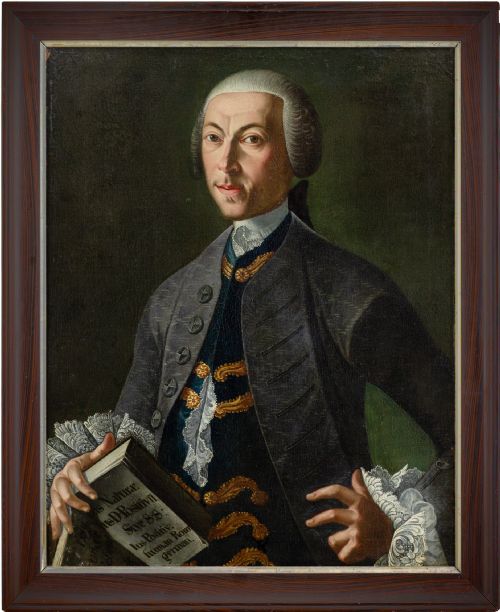
The most common pieces encountered on this page originate from the nineteenth and seventeenth centuries, often depicting noblemen, judges, or anonymous gentlemen and ladies in formal attire. These works frequently arrive in heavy wooden or gilt frames that complement the darkened varnishes of age.
Alongside standard oil paintings, the category occasionally embraces miniature portraits and panel works, reflecting the diverse ways historical likenesses were preserved. Each dark wood portrait painting offers a direct visual link to past centuries through its subject and framing.
Materials and construction
Painters of these works utilised oil pigments applied to stretched canvas or wooden panels, building rich tones that darkened naturally over centuries. The resulting surfaces often display a fine network of age cracks known as craquelure, characteristic of historic oil media.
Frames play a central role, constructed from dense timbers such as mahogany or oak and frequently enhanced with gold leaf and glass. These heavy surrounds protect the painted surface while defining the visual weight of each piece.
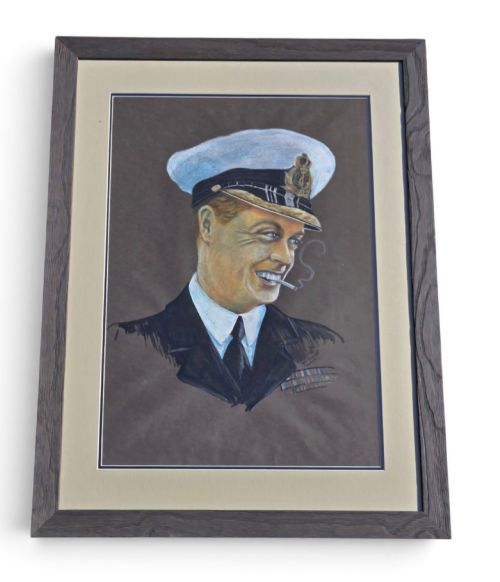
Listings span multiple centuries, uniting seventeenth-century Dutch school oils with nineteenth-century British portraits and Edwardian canvases.
Assessing quality and depth
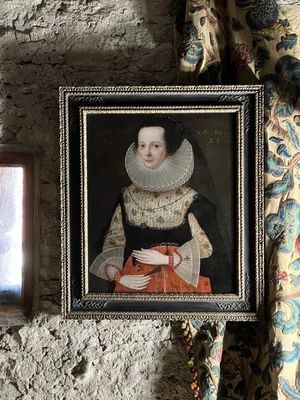
Quality in a dark wood portrait painting rests primarily on the skill of the brushwork and the psychological depth captured in the sitter's expression. Finer examples display meticulous attention to lace collars, fabric folds, and facial bone structure, whereas simpler works rely on formulaic representation.
The condition of the original canvas and the integrity of the timber frame also dictate value, with untouched surfaces commanding greater appreciation. Furthermore, attribution to a known regional school or specific artist elevates the standing of any piece within the genre.
Anthony Van Dyck·William Hogarth·Toussaint Gelton·Guillaume Courtois·Albin Mattenheimer
The Dark Wood Portrait Painting Glossary
- Craquelure
- The fine pattern of cracking formed on the surface of old oil paintings as the paint and varnish age and dry over decades.
- Panel painting
- A work executed on a flat piece of prepared wood rather than stretched canvas, common in earlier centuries.
- Old Master
- A term applied to European painters of high skill working before the nineteenth century, frequently referenced in historic portraiture.
- Ruff
- A prominent pleated collar worn in sixteenth and seventeenth-century fashion, often rendered with great precision in portraiture.
- Gilt
- A thin layer of gold applied to the wooden frame surface to provide decorative brilliance around the dark canvas.
Dark Wood Portrait Painting: Frequently Asked Questions
How do I date a dark wood portrait painting?
Dating relies heavily on the style of the sitter's costume, hair, and ruff collars, which followed strict fashion periods. Examining the construction of the wooden stretcher or panel behind the painting also offers reliable chronological clues.
Paint analysis and the type of canvas or wood preparation provide further technical evidence for the century of creation.
Are these portraits usually painted on canvas or wood?
Both surfaces appear frequently in this category, with wood panels dominating the earlier seventeenth-century works and canvas prevailing later. Panels were often constructed from oak or similar dense timbers.
Canvas supports became more widespread during the eighteenth and nineteenth centuries as standard artistic preparation methods evolved.
How should I care for a historic oil portrait?
Keep the painting away from direct sunlight and maintain stable indoor humidity to protect both the canvas and the wooden frame. Avoid using chemical cleaners on the aged oil surface.
Dust the frame gently with a dry, soft cloth and consult a professional conservator if the paint surface requires cleaning or stabilization.
What does attribution mean in these listings?
Attribution indicates that experts believe a painting originates from a specific artist's workshop or closely follows their distinct style. It acknowledges strong stylistic similarities without possessing direct documentation of the artist's signature.
Such works often carry the name of a prominent school, reflecting the broader circle in which the painter trained.