
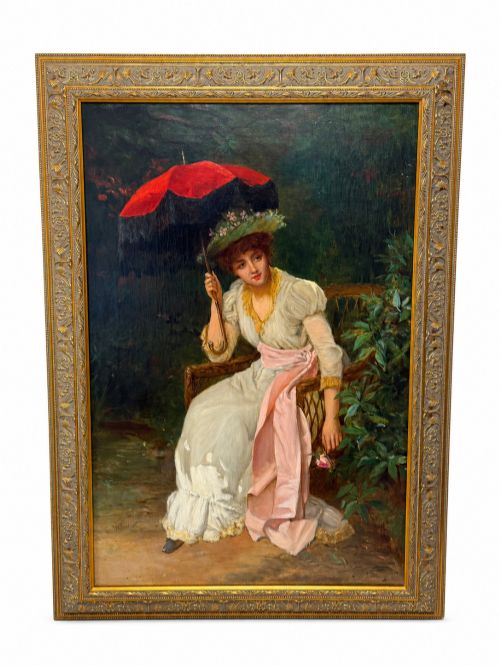


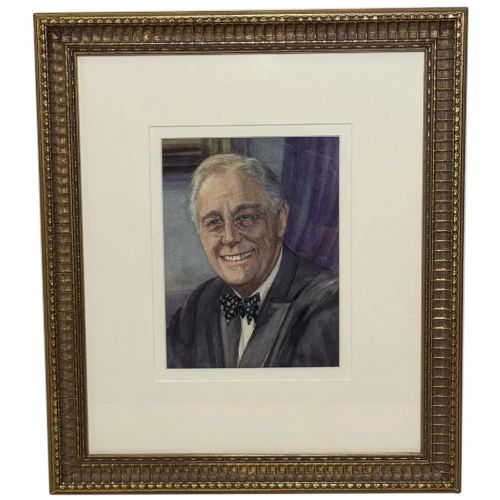


Classic Portraiture Painting
Classic portraiture painting captures historical subjects on canvas, bringing centuries of human likeness and character into contemporary spaces.
Classic Portraiture Painting
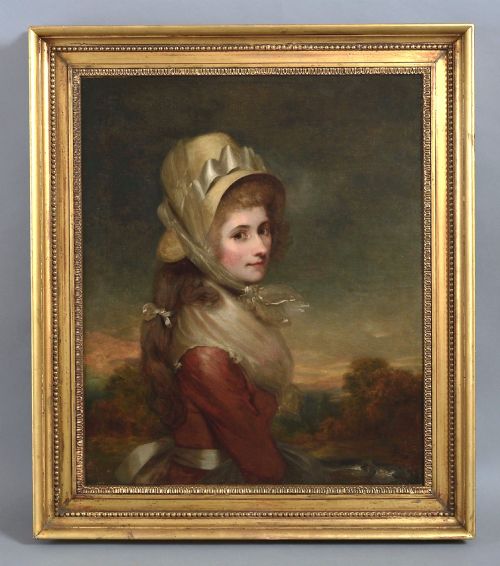
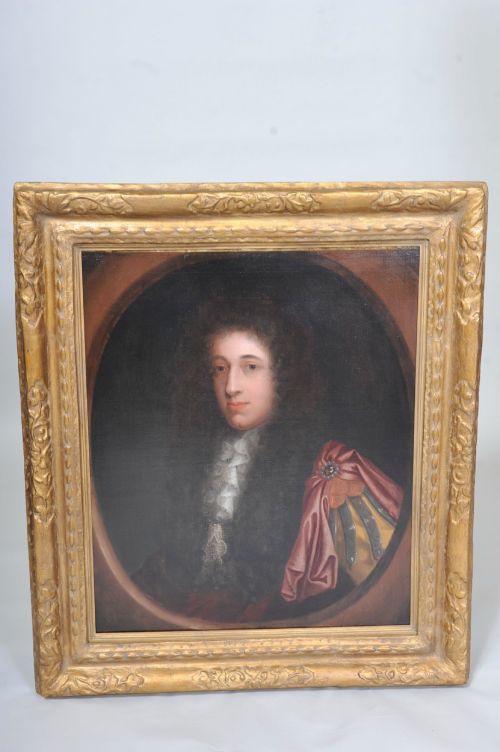
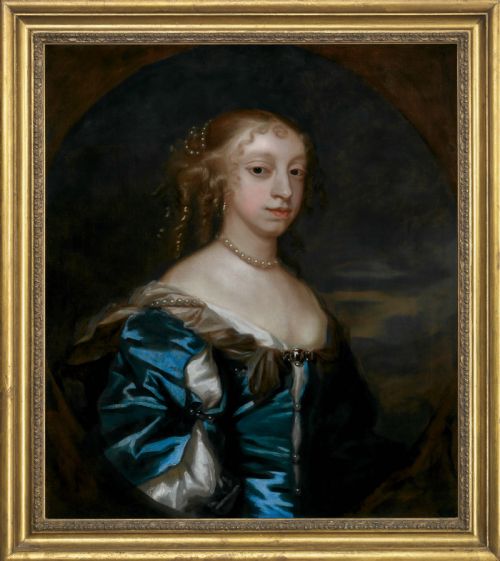
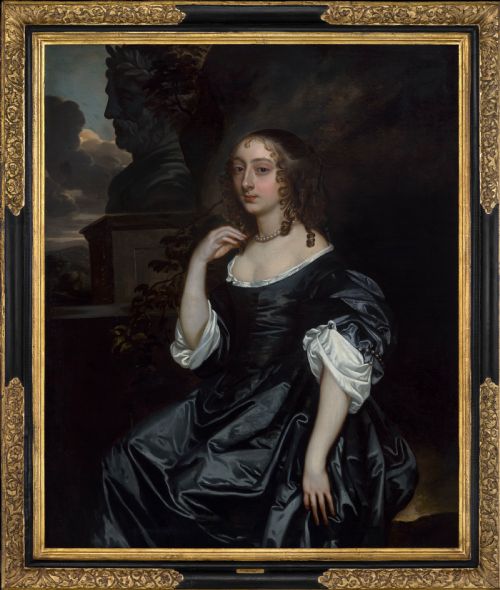
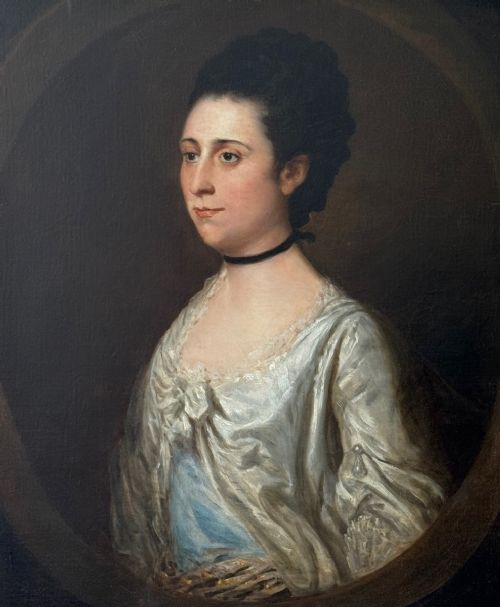
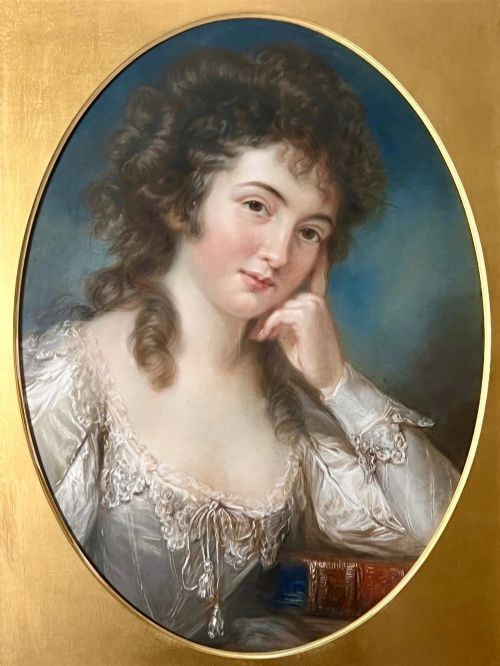
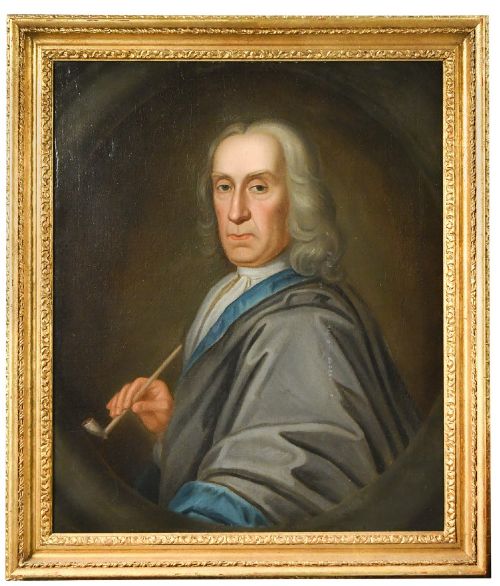
A classic portraiture painting preserves the likeness of historical figures, nobility, and everyday sitters across centuries of artistic development. Pieces on this page span the seventeenth, eighteenth, and nineteenth centuries, alongside mid-century twentieth-century works.
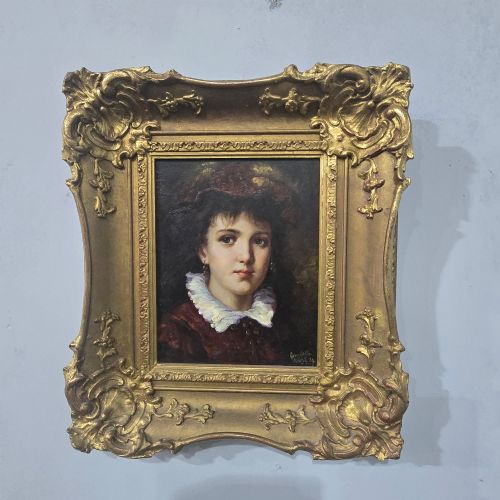
Buyers encounter oil on canvas and oil on board works, often housed in original giltwood frames with gesso detail. Subject matter ranges from formal aristocratic studies to intimate domestic character pieces.
The selection includes English, Dutch, and Italian school pieces, reflecting shifting European aesthetic standards from Baroque grandeur through Georgian elegance to Victorian realism.
Assessing Quality and Execution
The strength of a piece rests upon the painter's handling of light, shadow, and facial expression to convey psychological depth. Finer examples display confident brushwork and precise anatomical rendering rather than stiff, formulaic replication.
The preservation of the original paint surface and the integrity of the period frame contribute significantly to the standing of an artwork. Untouched paint layers and period-appropriate giltwood settings elevate the historical cohesion of the piece.
Listings feature works spanning the seventeenth century through to the mid-twentieth century, executed in oil and watercolour.
Sir Martin Archer Shee·Sir Peter Lely·Thomas Beach·John Russell·Attilio Toro·John Robert Dicksee·Frank Moss Bennett·Franz Xaver Winterhalter·Jean Denis Maillart·Balthasar Denner·Tilly Kettle·John Gilroy·Sir Thomas Lawrence·Arthur Royce Bradbury·John Dalziel Kenworthy·William Jacob Baer·John Raphael Smith
The Classic Portraiture Painting Glossary
- Gesso
- A plaster-like material applied to wooden frames as a base for gilding. It provides a smooth surface for carving intricate decorative details.
- Giltwood
- Wood that has been treated with gold leaf or gold paint. This finish was widely utilised on ornate frames during the Baroque and Georgian periods.
- Oil on Canvas
- Pigment suspended in a drying oil medium applied to woven fabric. This combination became the primary medium for European easel painting from the Renaissance onward.
- English School
- A classification for artworks produced by artists working within England or trained in British traditions. It groups stylistically related pieces without attributing them to a specific named master.
Classic Portraiture Painting: Frequently Asked Questions
How do I identify the period of a portrait?
Dating relies primarily on the sitter's costume, hairstyle, and the construction methods of the canvas and stretcher frame. Stylistic clues within the brushwork and the framing materials also point toward specific decades like the Georgian or Victorian eras.
Examining archival records or signature styles associated with particular European schools helps narrow down the execution window further.
Where should I hang an oil portrait?
These works suit traditional reception rooms, studies, or hallways where lighting can be controlled to prevent direct glare on the canvas. Pairing the piece with stable indoor humidity protects both the wooden stretcher and the paint layer.
Avoid placing paintings in areas subject to direct sunlight or rapid temperature fluctuations to maintain the integrity of the oil paint and gilt frame.
What is the difference between school and attributed works?
An attributed work suggests strong stylistic evidence linking the painting to a specific master or their immediate workshop. School designations indicate the piece was produced by an anonymous follower working in the manner of that region or period.
Both categories offer historical context, though direct attributions often carry distinct documentation regarding the creator.
How do I care for antique canvas paintings?
Dust the surface and frame gently with a soft, dry brush without applying pressure to the canvas weave. Professional conservators should handle any cleaning of the oil paint layer or structural repairs to the stretcher.
Maintaining consistent environmental conditions prevents the canvas from slackening and protects the gesso on the frame from cracking.