
Mid Century Portrait Art
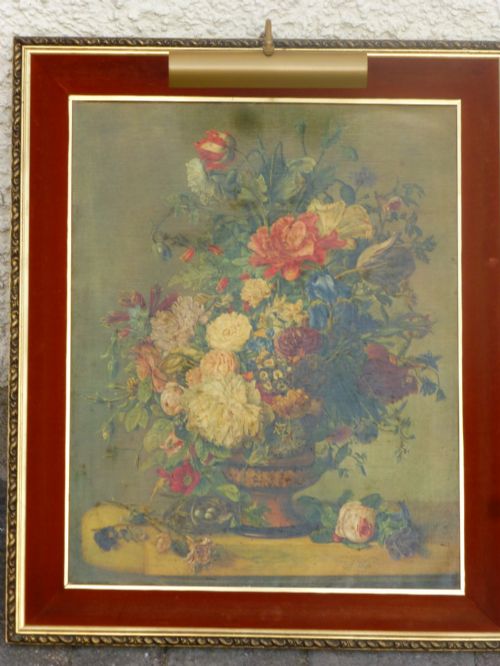
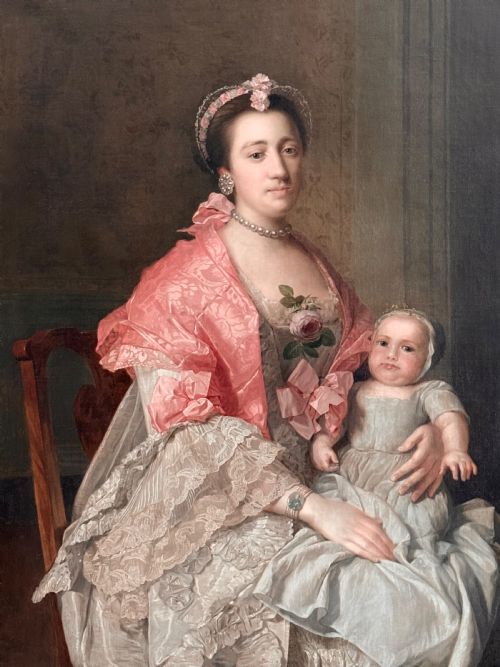
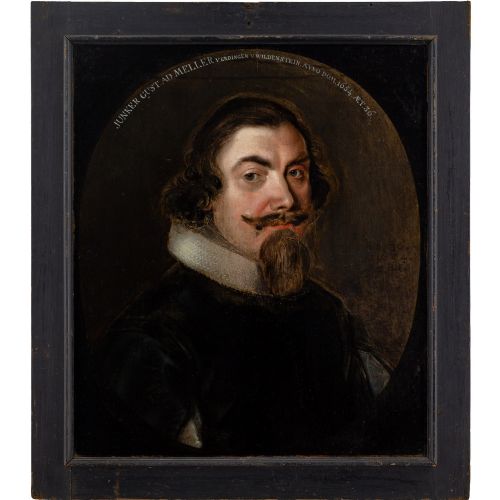
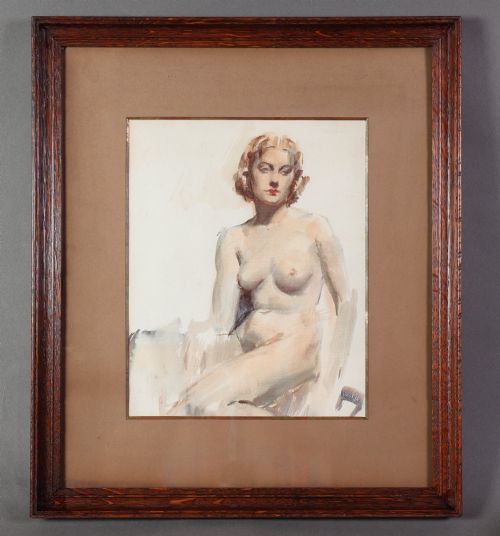
Mid century portrait art brings character to a room through genuine period works captured in oil, pastel, and gouache.
What mid century portrait art is
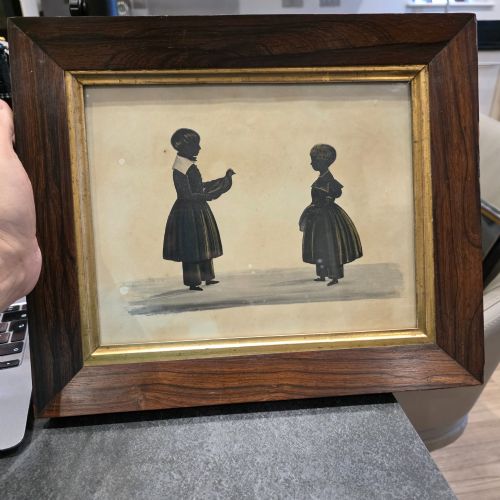
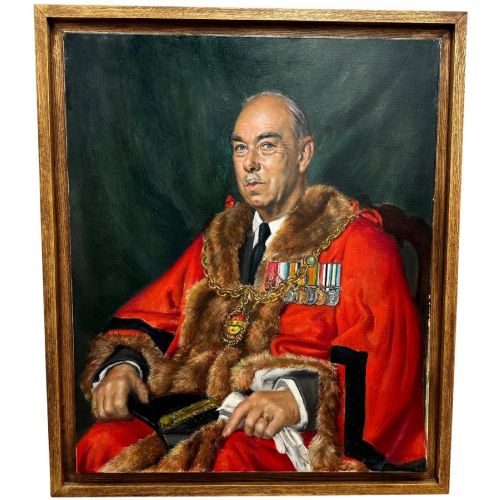
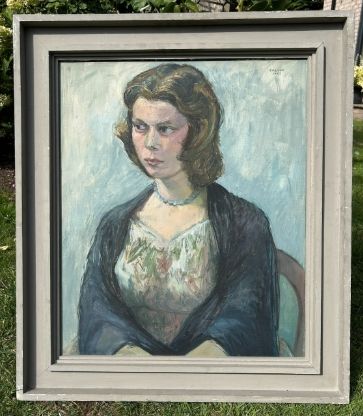
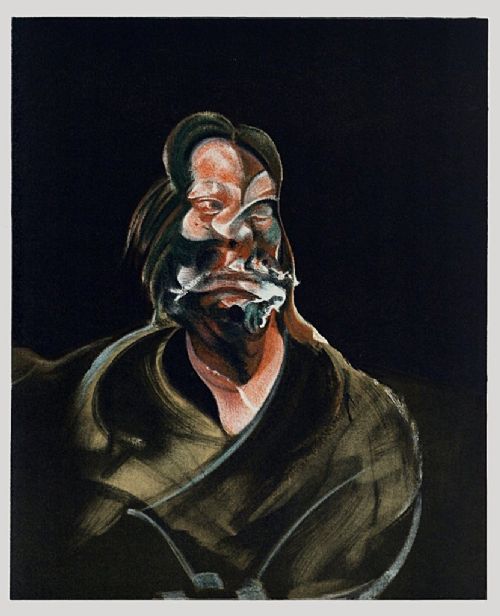
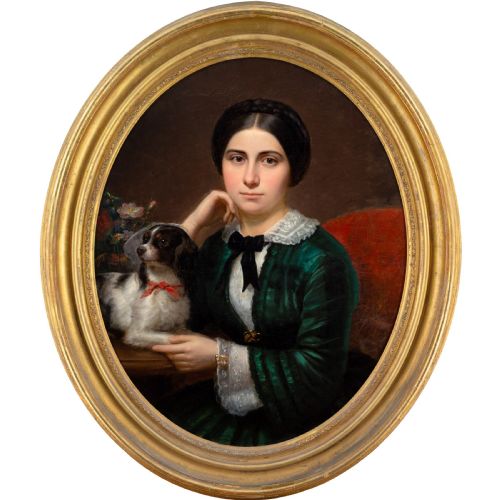
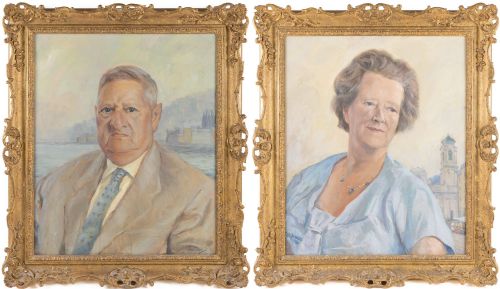
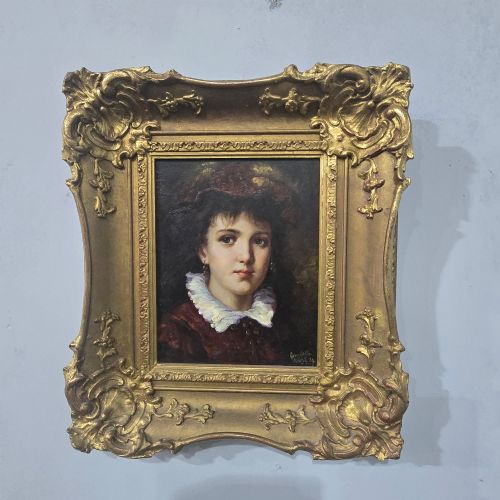
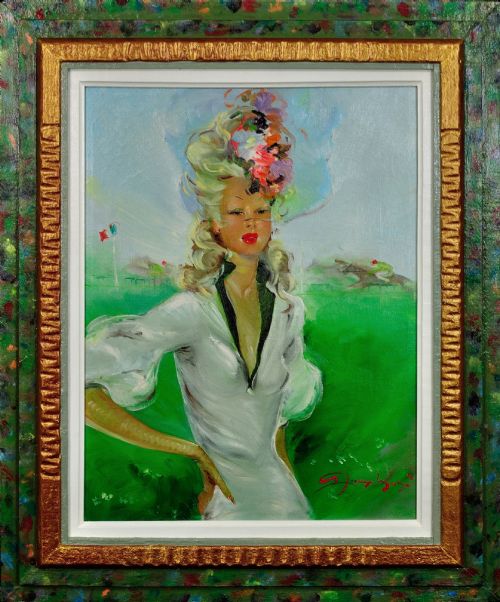
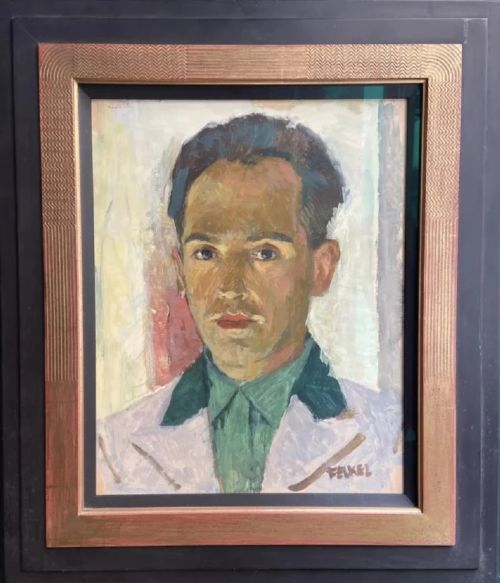
Mid century portrait art comprises paintings and wall art capturing human subjects across the mid twentieth century. These works range from informal studies of children and models to formal depictions of known figures, reflecting the diverse aesthetics of the era.
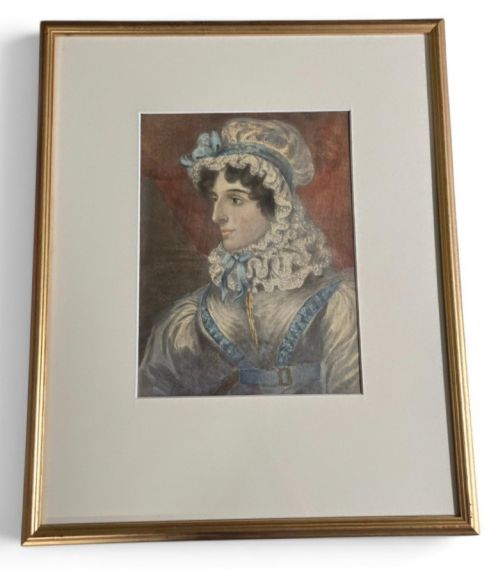
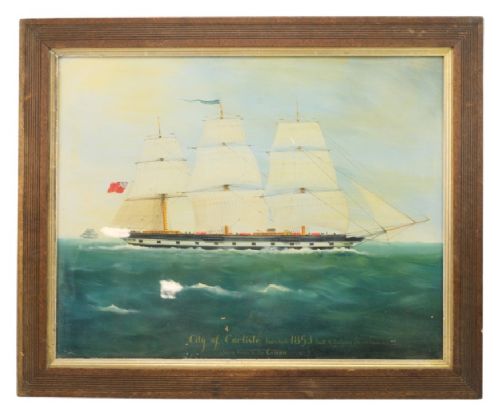
The selection on this page centres on paintings, oil paintings, and portrait paintings created in styles such as Mid-Century Modern, Mid-Century Realism, and Post-Impressionism. While many pieces date from the nineteen-fifties and nineteen-sixties, earlier works from the nineteenth century and nineteen-forties also appear.
Buyers encounter various formats including canvas, artist board, paper, and wood supports. Subjects span from young boys and female models to abstract compositions and historical figures.
How they were made
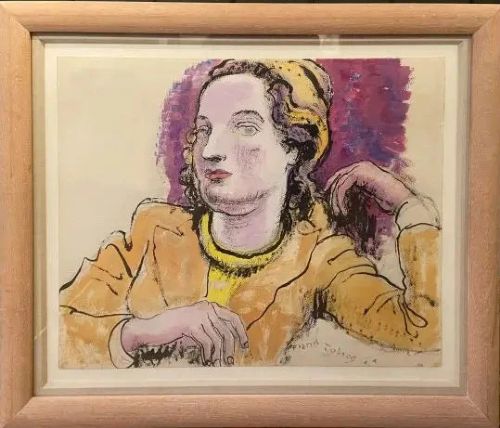
Artists of this period applied oil paint, pastel, gouache, and chalk to surfaces such as canvas, paper, wood, and artist board. These materials allowed for both precise realism and looser, expressive mark-making depending on the chosen medium.
Framing often complemented the artwork, protecting delicate paper works behind glass while canvas pieces utilised stretched wooden supports.
Retail Price Guide 2026
Typical UK retail prices for mid century portrait art, calculated from the Sellingantiques database of over a million retail prices indexed since 2003. This retail price guide relies exclusively on Sellingantiques data; no external sources or auction records are used, so the figures do not describe the wider market.
Listings feature works created using oil paint, pastel, gouache, chalk, and canvas across various mid-century aesthetics.
What varies in quality
Quality in these portraits rests upon the sureness of the draftsmanship and the handling of the chosen medium, whether oil or pastel. Stronger works demonstrate a confident command of light, shadow, and proportion that brings the subject to life.
The distinction between standard decorative pieces and superior works also lies in the artist's ability to convey personality and presence within the mid-century idiom, elevating a simple likeness to a compelling study.
J.A.Grant·Philippa Maynard Romer·Christian Caillard·Richards Rubin·Harry Epworth Allen·Philip Naviasky·Johan Horner
The Mid Century Portrait Art Glossary
- Gouache
- An opaque water-based paint that dries to a matte finish. Artists utilise it for vibrant colour application and solid areas of tone on paper.
- Pastel
- A medium consisting of powdered pigment and a binder, formed into sticks. It permits direct application of rich colour and soft blending.
- Artist Board
- A rigid board prepared for painting. It provides a stable alternative to stretched canvas for oil and acrylic works.
- Post-Impressionism
- An art movement extending beyond Impressionism. Painters reject strict naturalism in favour of bolder colours and symbolic forms.
Frequently Asked Questions
What periods do these portraits cover?
The works primarily date from the mid twentieth century, specifically the nineteen-forties, nineteen-fifties, and nineteen-sixties. Occasional pieces from the nineteenth century and earlier are also represented.
Buyers find distinct stylistic markers associated with these decades, ranging from post-war modernism to traditional realism.
How should I hang portrait art?
Portrait paintings suit walls in living areas, studies, or hallways where viewers can observe them at close range. Proper lighting enhances the texture of oil and pastel mediums.
Ensure works on paper behind glass avoid direct sunlight to protect the pigments from fading over time.
What materials are used?
Artists utilised oil paint, pastel, gouache, and chalk as primary colouring agents. These were applied to supports including canvas, paper, wood, and artist board.
Glass frequently protects fragile works executed on paper or pastel.
How do I identify a mid century style?
Mid century style often shows simplified forms, expressive brushwork, and a departure from strict academic realism. Artists embraced modernist influences while retaining recognizable human subjects.
Signatures, framing styles, and the specific composition help date individual pieces accurately.