



Vintage Portrait Wall Art
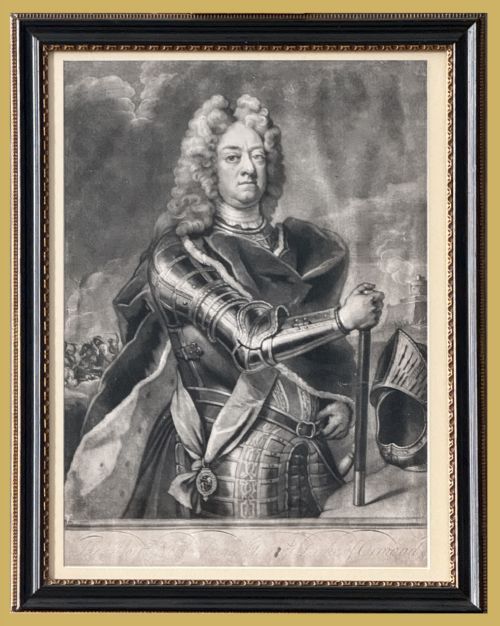
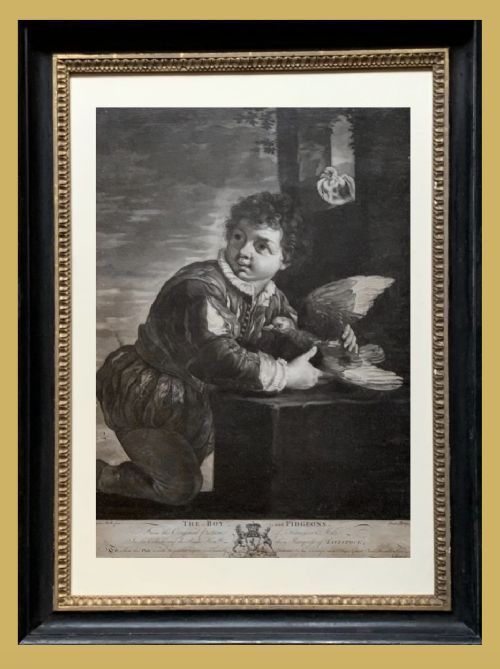
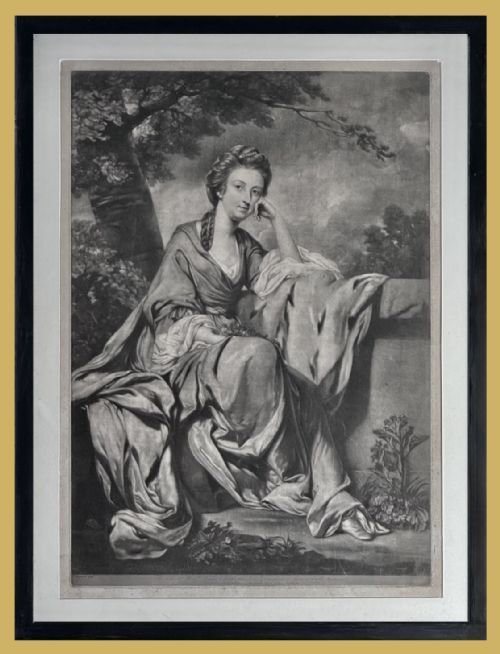
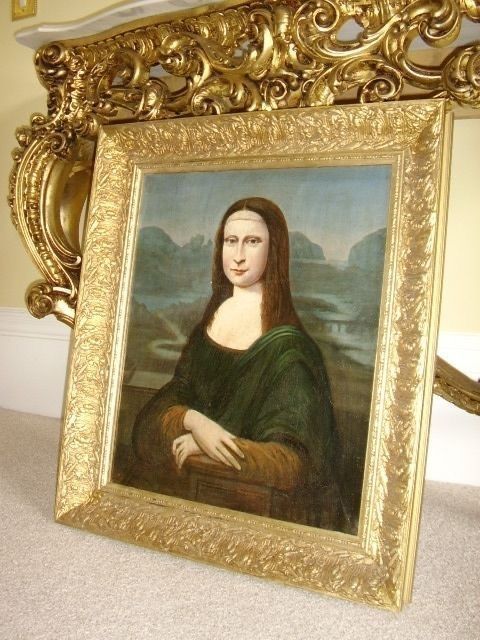
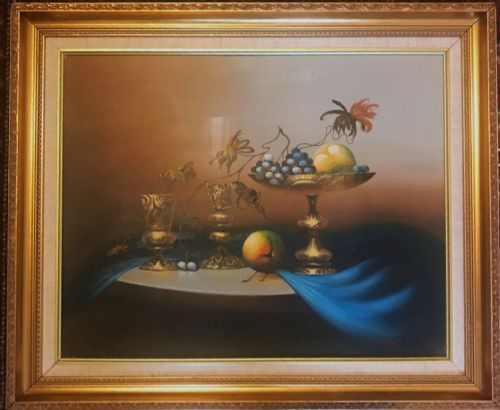
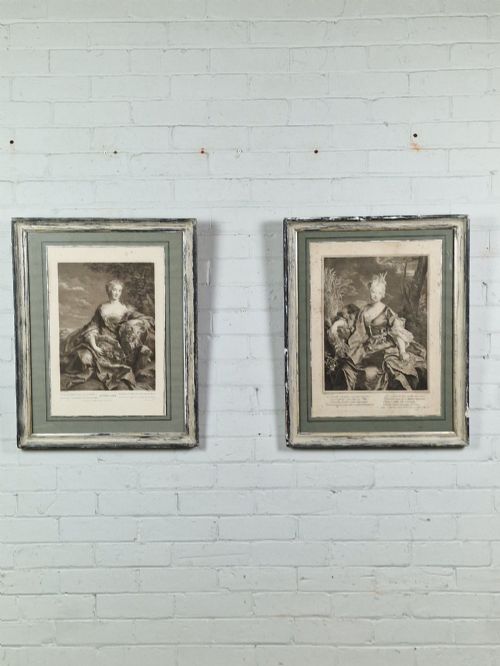
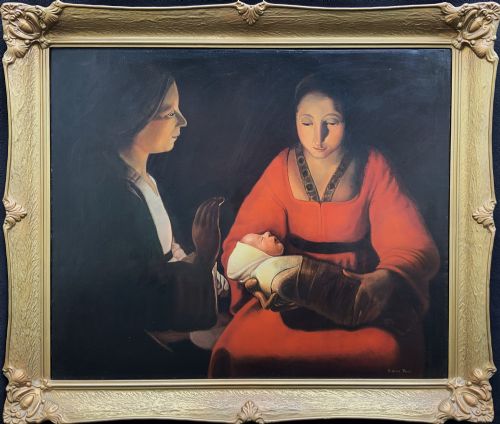
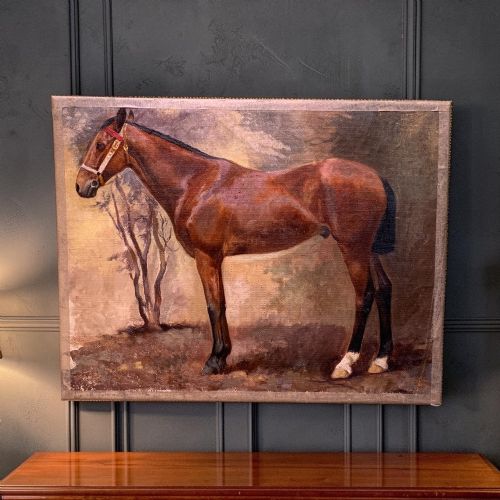
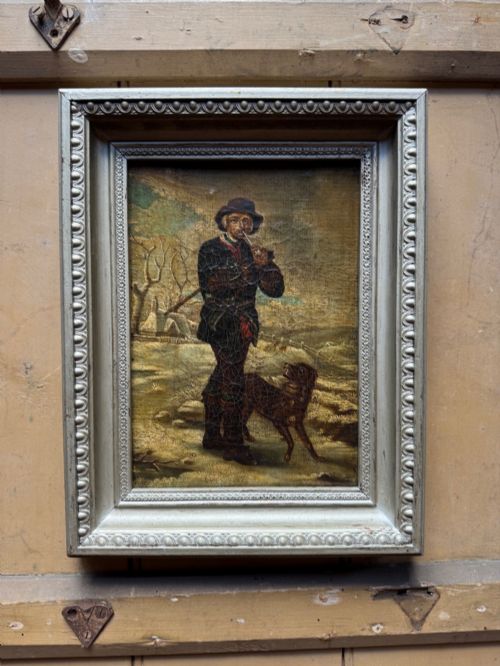
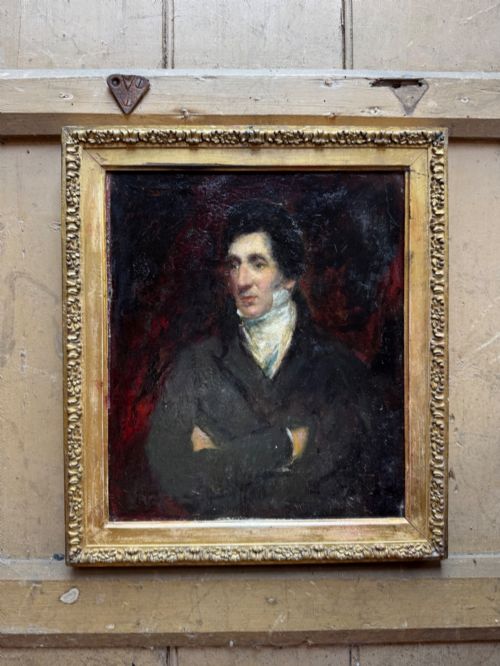
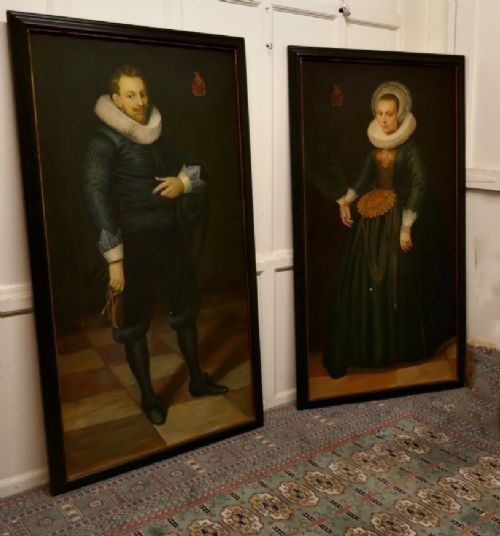
These vintage portrait wall art pieces bring character to a room through painted and drawn likenesses of people from past eras.
What vintage portrait wall art is
When you search for vintage portrait wall art, you encounter a curated mix of paintings, drawings, and framed photographs capturing individual likenesses. The examples available span from the Edwardian period and nineteenth century through to the mid-twentieth century.
You are most likely to meet oil paintings on canvas or board, alongside sanguine chalk drawings and framed photographic prints. The subjects range from named sitters like Sir Winston Churchill and Arthur Howell to anonymous young women, male models, and children.
The styles recorded across these works include nineteenth-century realism, Renaissance revival, Edwardian portraiture, and post-war modernism. Each piece offers a direct window into the aesthetic preferences and artistic techniques of its specific decade.
How they were made
Many of these artworks retain their original framing materials, including carved wood and gilt wood frames paired with protective glass. These surrounds were chosen to complement the depth and palette of the portrait within.
Retail Price Guide 2026
Typical UK retail prices for vintage portrait wall art, calculated from the Sellingantiques database of over a million retail prices indexed since 2003. This retail price guide relies exclusively on Sellingantiques data; no external sources or auction records are used, so the figures do not describe the wider market.
Materials recorded include oil paint, canvas, wood, paper, glass, gilt wood frames, and sanguine chalk.
What varies in quality
The distinction between standard and superior pieces rests on the confidence of the draughtsmanship and the handling of paint. Works that capture psychological depth and anatomical precision through assured brushwork stand apart from simpler decorative efforts.
The integrity and originality of the surrounding frame also influence the overall standard of the piece. Period frames that harmonise with the era of the artwork contribute significantly to the visual authority of the composition.
William Dring RA
The Vintage Portrait Wall Art Glossary
- Sanguine chalk
- A reddish-brown drawing medium made from haematite, widely used for preparatory sketches and finished figure studies. It allows artists to achieve warm, lifelike skin tones.
- Oil paint
- A slow-drying medium consisting of pigment suspended in oil, typically linseed. This technique permits subtle blending and rich colour saturation.
- Gilt wood
- Wood carved and coated with a thin layer of gold leaf or metallic gilt. This finish was standard for framing important nineteenth-century and Edwardian paintings.
- Renaissance revival
- An artistic style drawing inspiration from the art of the fifteenth and sixteenth-century Renaissance. It emphasises classical proportion and rich tonal contrast.
Frequently Asked Questions
What periods do these portraits cover?
The pieces span from the nineteenth century and the Edwardian era through to the 1940s and 1960s.
This range allows collectors to select works from distinct historical moments, including Victorian realism and post-war modernism.
What materials were used?
Artisans worked with oil paint on canvas and board, sanguine chalk on paper, and traditional photographic prints.
Many of these works are housed within their original wood or gilt wood frames under glass.
Are all the sitters identified?
Not every person depicted is named in the records, as many pieces portray anonymous models, children, and young women.
Specific historical figures, such as Sir Winston Churchill and artist subjects, appear alongside these un-named sitters.
How should I hang these artworks?
Ensure you use appropriate fixings suited to the weight of the wooden frames and canvas supports.
Position them away from direct sunlight to protect the oil paint and paper from fading over time.