
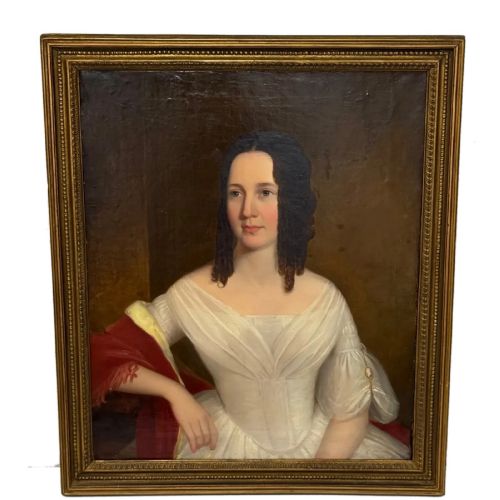
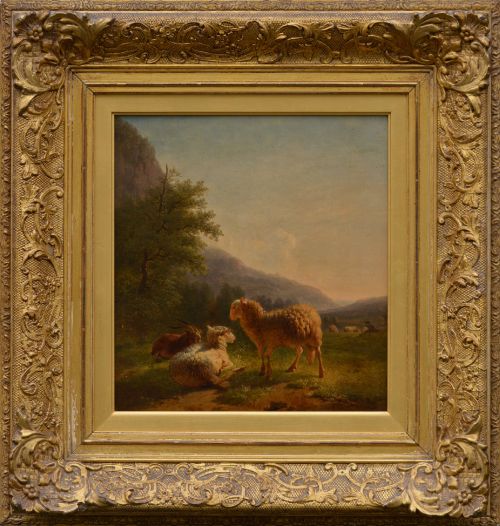
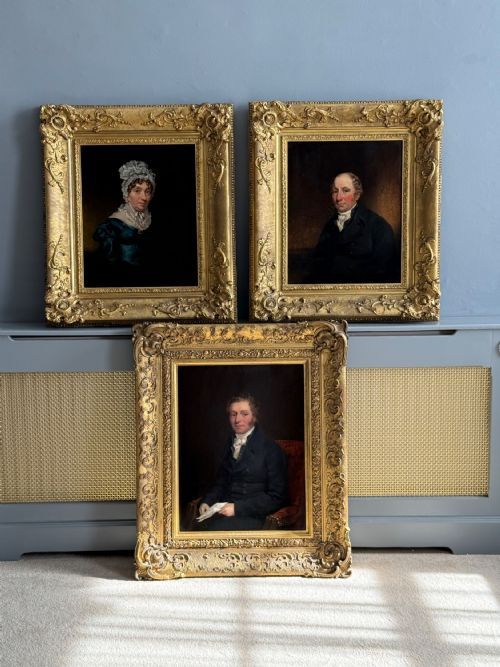
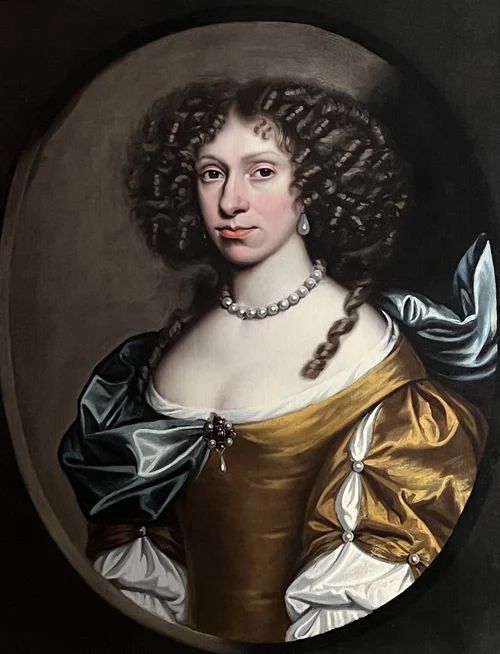


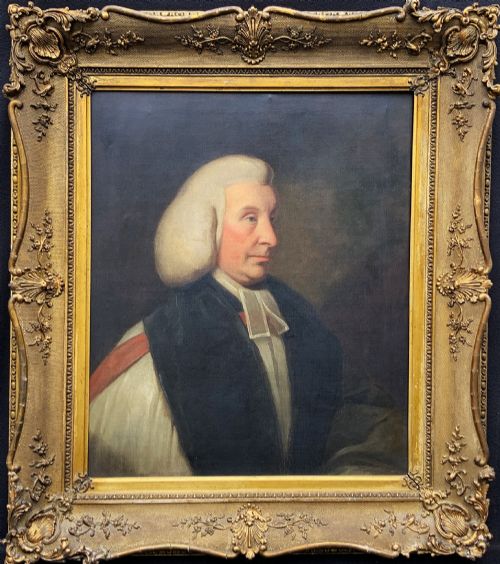
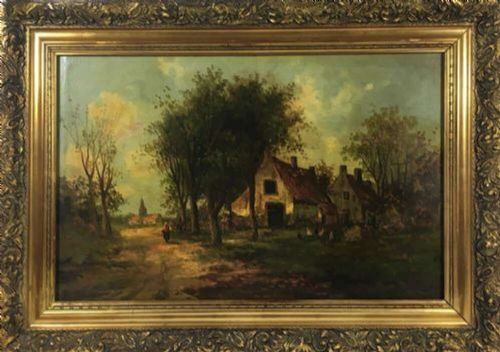
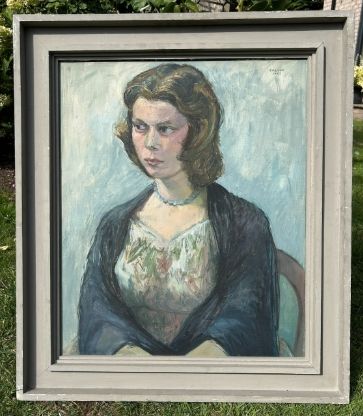
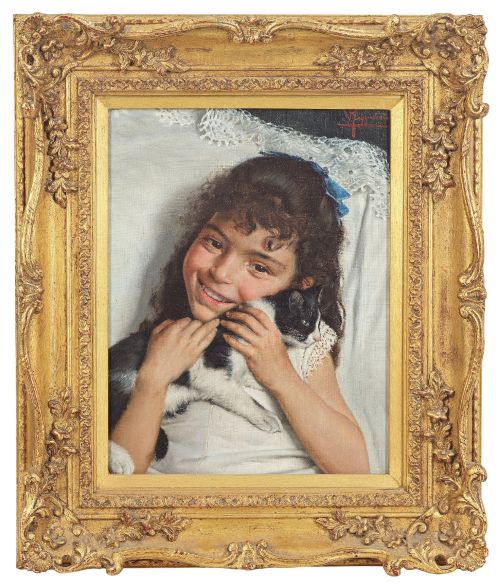
Original Oil Portrait Art
Original oil portrait art captures human character through pigment on canvas, offering a direct connection to sitters from past centuries.
Understanding Original Oil Portrait Art
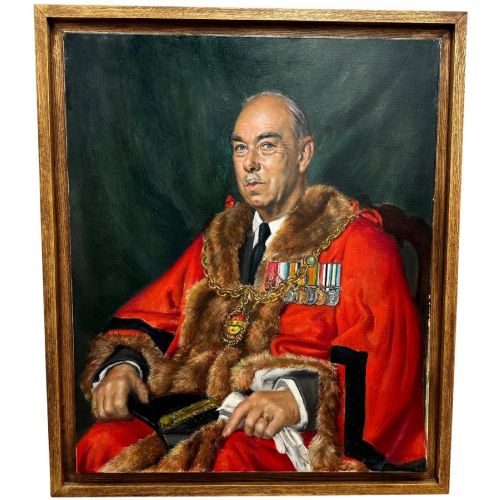
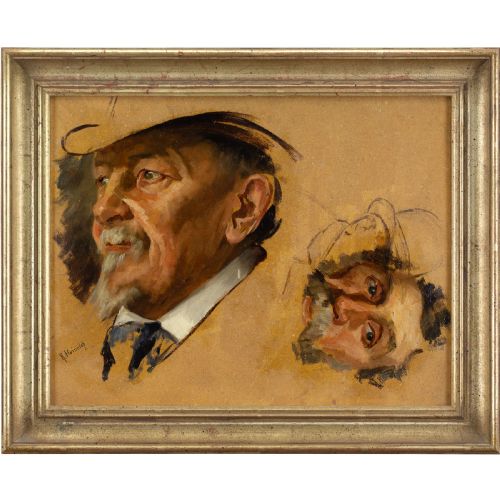
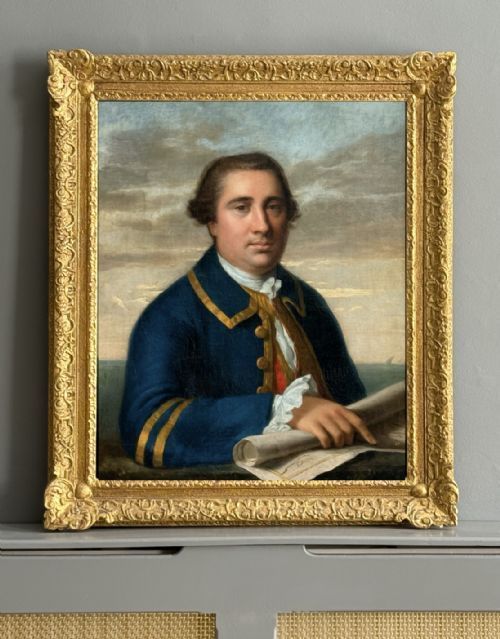
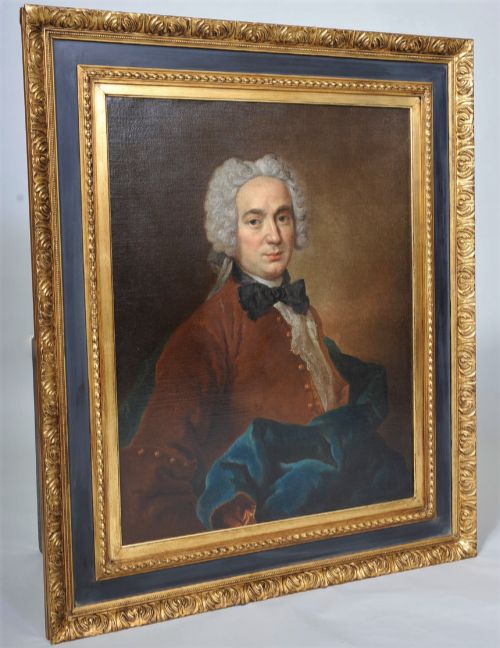
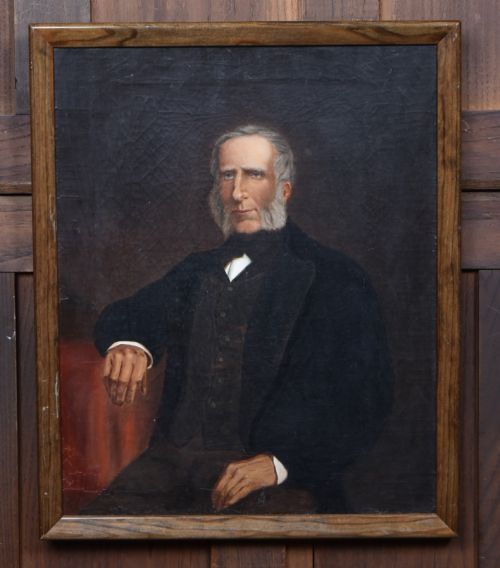
Original oil portrait art spans works executed by hand across the nineteenth and twentieth centuries, encompassing British Impressionism, Biedermeier, and twentieth-century realism. Buyers encounter depictions of gentlemen, ladies, artists' family members, and historical figures rendered directly from life or after earlier masters.
The physical form typically takes the shape of oil paint applied to canvas or artist board, frequently housed within period giltwood or decorative frames. Subjects range from intimate cabinet pieces to large gallery-scale canvases originating from British, Austrian, French, and broader European schools.
Assessing Quality and Execution
Quality rests upon the artist's ability to render anatomical structure, facial expression, and psychological depth with conviction. Finer examples display confident brushwork and subtle tonal gradation, whereas lesser works can appear stiff or formulaic in execution.
The integration of the subject within its setting and the preservation of the original paint surface and supporting frame also influence the standing of an individual piece.
Retail Price Guide 2026
Typical UK retail prices for original oil portrait art, calculated from the Sellingantiques database of over a million retail prices indexed since 2003. This retail price guide relies exclusively on Sellingantiques data; no external sources or auction records are used, so the figures do not describe the wider market.
Listings feature works created using oil paint and pigment on canvas and artist board, spanning the late eighteenth to the mid-twentieth century.
Lucy Kemp Welch·William Dring·Sir Oswald Hornby Joseph Birley·Adrian Bury·Philip Naviasky·Walter Goodin·James William Booth
The Original Oil Portrait Art Glossary
- Oil paint
- A slow-drying medium composed of pigment particles suspended in a drying oil, typically linseed. This medium allows for rich colour saturation and varied application from transparent glazes to thick impasto.
- Canvas
- A heavy woven fabric, usually linen or cotton, stretched tightly across a wooden frame to serve as the primary support for oil paintings. Its textured surface holds layers of pigment securely.
- Artist board
- A rigid panel made from wood pulp or millboard prepared with a suitable ground for painting. It provides a stable alternative to stretched fabric for oil portraits.
- Giltwood
- Wood that has been coated with a thin layer of gold leaf or metallic powder. Frames finished in this manner provide a decorative boundary that enhances the artwork within.
- Impasto
- Paint applied thickly to a canvas or board, standing out from the surface so that the brush or palette knife marks remain visible. This technique adds tactile dimension to clothing or background elements.
Frequently Asked Questions
What is original oil portrait art?
Original oil portrait art consists of hand-painted depictions of individuals executed in oil media on supports such as canvas or board during past centuries.
These works represent unique historical records and artistic interpretations rather than mechanical reproductions.
How do I care for an oil portrait?
Oil paintings require stable indoor environments away from direct sunlight and excessive humidity fluctuations to prevent canvas slackening and paint cracking.
Dusting should be undertaken gently with a soft, dry brush without applying chemical cleaning agents to the pigment surface.
How are periods identified?
Periods are determined through stylistic indicators, costume details of the sitter, framing characteristics, and recorded artist signatures or biographical dates.
Canvas preparation and stretcher construction also provide physical clues regarding the approximate era of creation.
Were these portraits always framed?
Most oil portraits were paired with contemporary frames designed to protect the edges of the canvas and complement the aesthetic of the interior.
Frames frequently reflect the prevailing decorative tastes of the specific era in which the artwork was produced.