
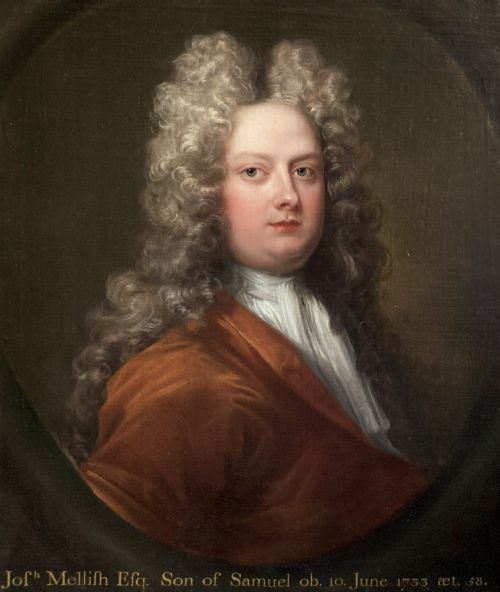
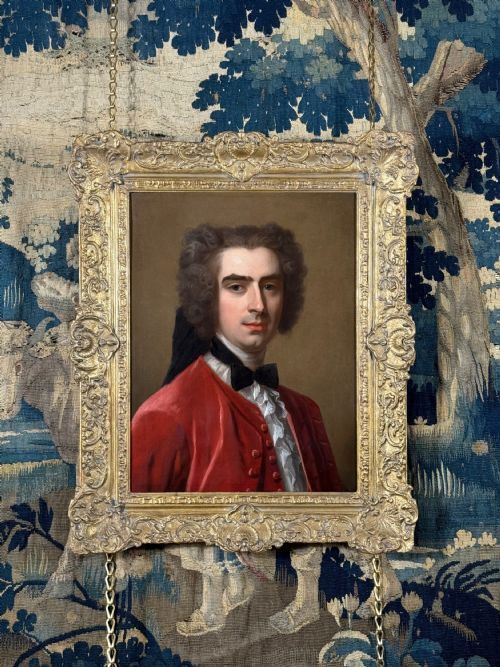
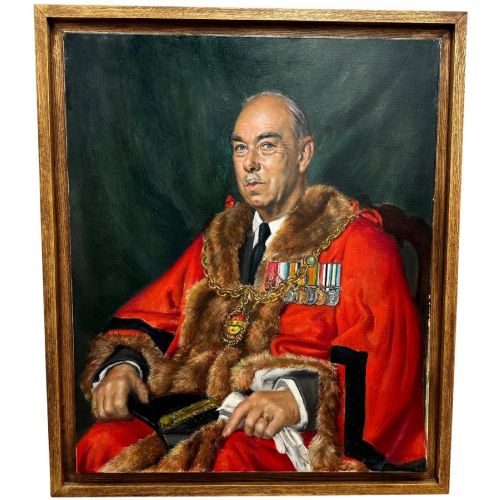
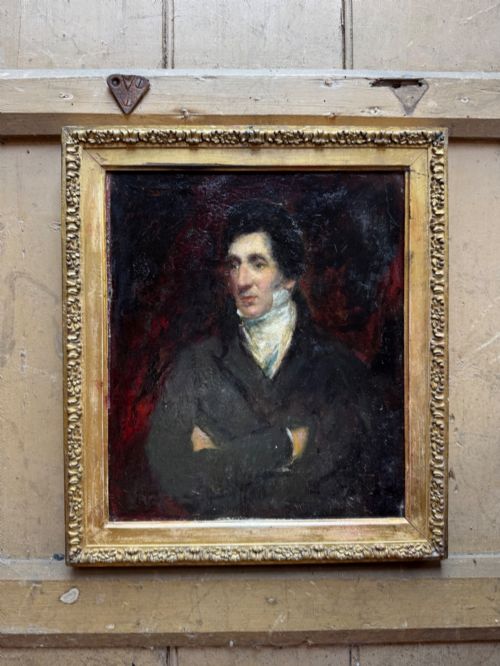
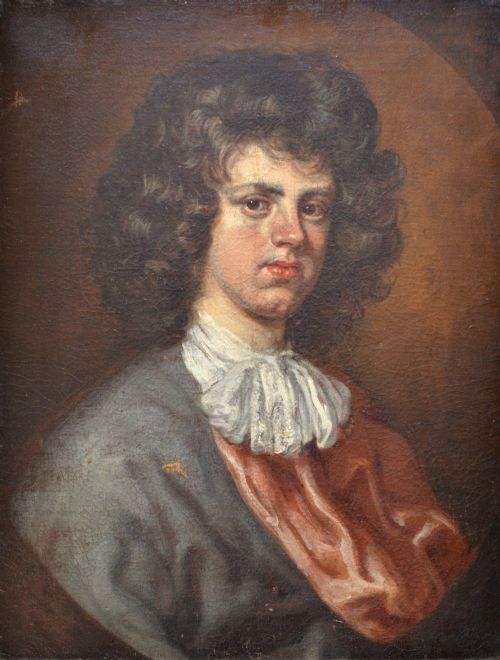
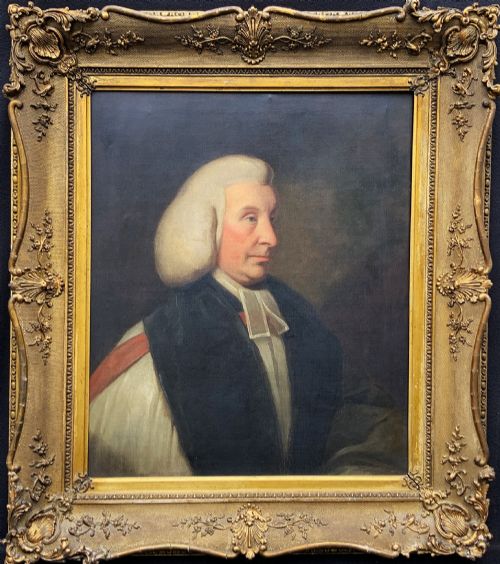
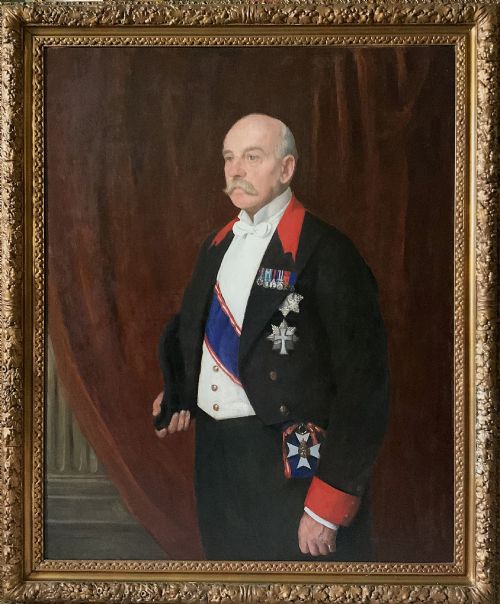
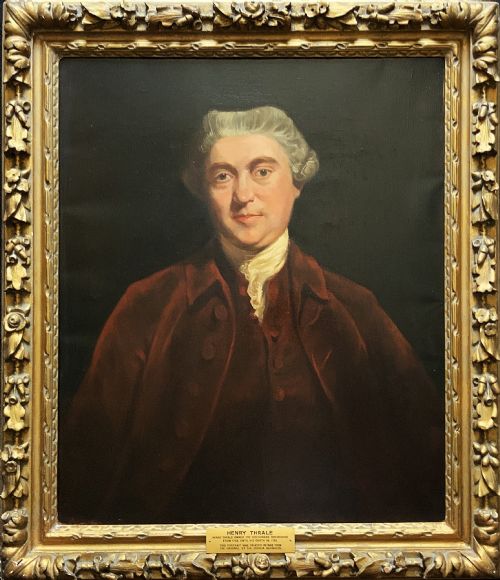
Gentleman Portrait Oil Painting
A gentleman portrait oil painting captures individual identity and social standing through centuries of changing fashion, from stiff Elizabethan doublets to nineteenth-century frock coats.
Gentleman Portrait Oil Painting
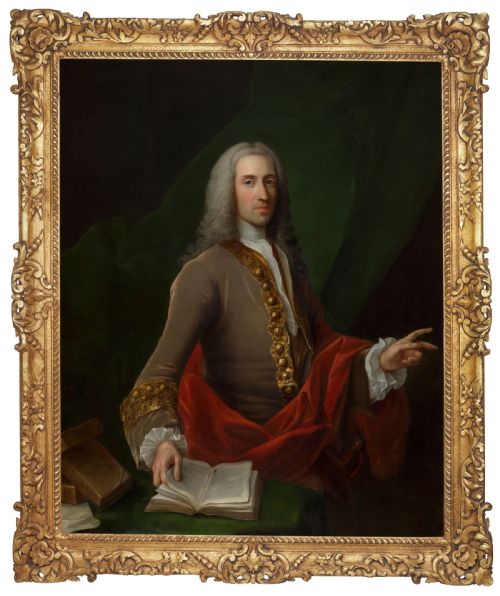
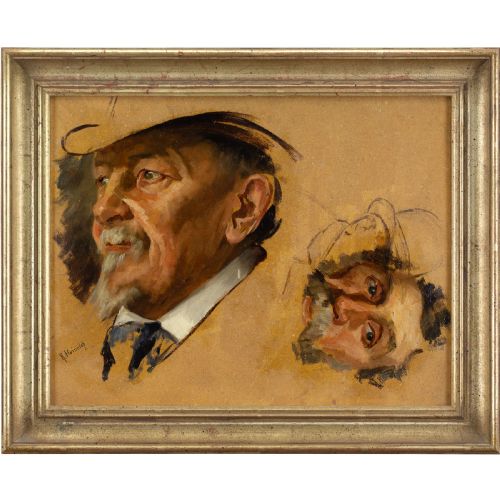
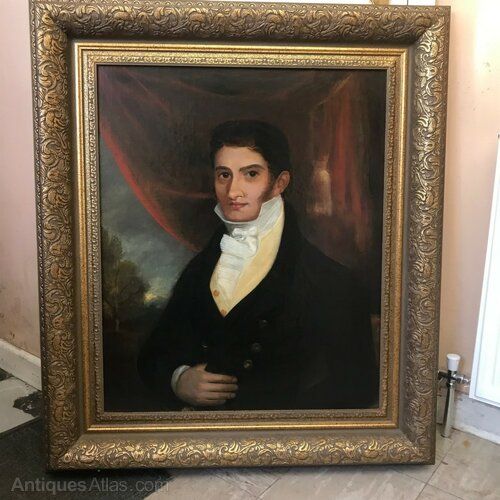
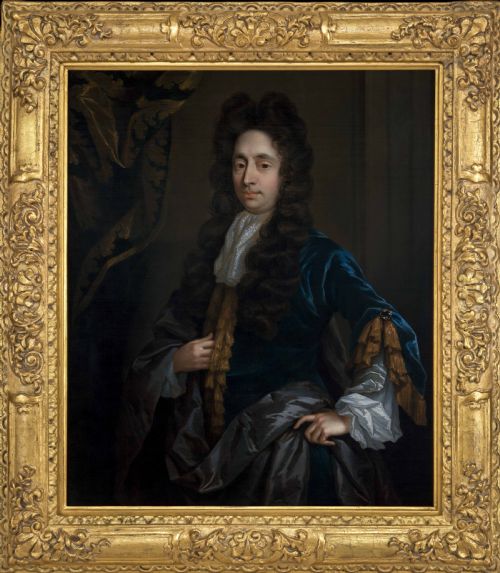
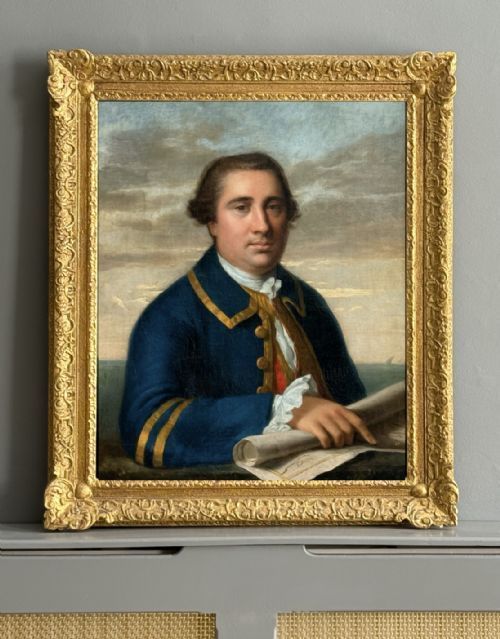
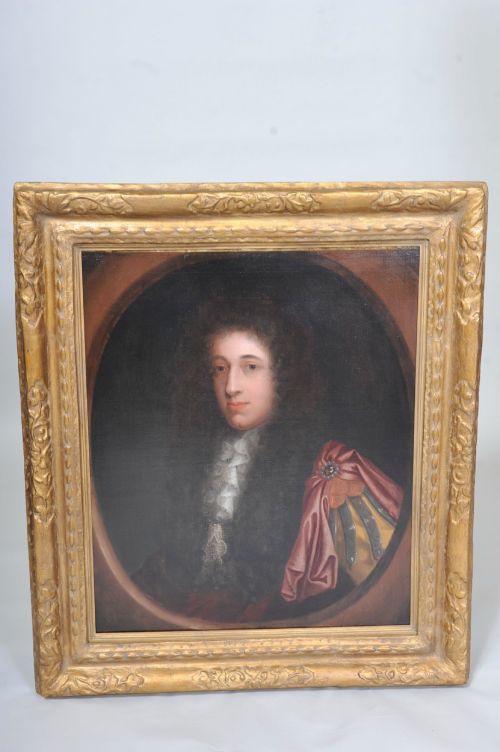
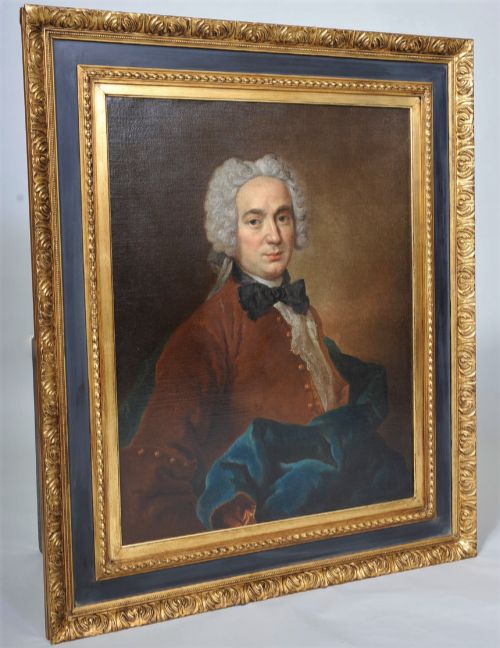
A gentleman portrait oil painting represents a specific male sitter, often recording the rank, profession or civic status of the subject through costume, props and setting. These works span from the seventeenth century through the Georgian, Regency and Victorian eras into the twentieth century, reflecting shifting artistic conventions across British, Dutch, French and German schools.
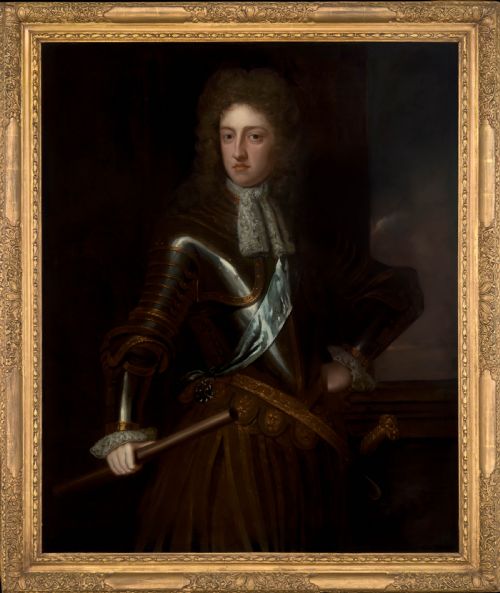
The subjects range from titled aristocrats and military officers to civic leaders, merchants and judges, posed in armour, academic robes or contemporary civilian dress. Buyers frequently encounter canvases depicting sitters from the late seventeenth and eighteenth centuries, executed either by named studio hands or competent regional portraitists.
Formats vary from intimate head-and-shoulder studies to monumental half-length and three-quarter compositions accompanied by symbolic objects such as books, letters or curtains. Each canvas preserves a tangible fragment of historical biography alongside the prevailing aesthetic taste of its period.
How They Were Made
Most pieces in this category are executed in oil paint upon woven canvas stretched over wooden frames, though earlier examples occasionally utilise wooden panels or copper plates. Artists built the image through layered applications of pigment, beginning with an underpainting to establish tone before rendering flesh, fabric and background details.
Framing is an integral component of construction, with many works housed in heavy giltwood frames featuring carved plaster or wooden ornamentation that complements the era of the painting.
Gentleman Portrait Oil Painting Retail Price Guide 2026
Typical asking prices for gentleman portrait oil painting among the pieces listed under this phrase on Sellingantiques today, from the lower quarter to the upper quarter. They describe what is for sale here now, not the wider market.
Listings feature works spanning from the seventeenth century through the Victorian era, utilising oil on canvas, panel, and copper.
What Varies In Quality
Technical proficiency in rendering human anatomy, facial expression and the play of light across fabrics distinguishes superior works from more routine studio production. The handling of hands, lace collars and drapery reveals the competence of the painter, with master hands achieving convincing texture and three-dimensional presence.
Condition and originality also dictate standing, as untouched surfaces retaining their primary varnish and untouched canvas weave hold greater art-historical integrity than heavily restored or relined examples.
Charles Jervas·Jean-Baptiste Van Loo·Sir Godfrey Kneller·Lemuel Francis Abbott·Sir William Beechey
The Gentleman Portrait Oil Painting Glossary
- Canvas
- A heavy woven fabric, usually linen or cotton, stretched tightly across a wooden frame to serve as a support for oil paint. It provides a flexible and durable surface favored by portrait painters from the seventeenth century onward.
- Giltwood
- Wood carved and coated with a thin layer of gold leaf or gold paint, frequently used for traditional picture frames. This finish adds a reflective border that separates the dark tones of an oil painting from its surroundings.
- Periwig
- A voluminous artificial hairpiece worn by men of high social standing during the late seventeenth and early eighteenth centuries. Its presence in a portrait often helps narrow the dating of the sitter to that specific fashion era.
- Doublet
- A close-fitting padded jacket worn by men during the sixteenth and seventeenth centuries. The complexity of its embroidery and collar style frequently denotes the wealth and status of the sitter.
- Relined
- A conservation process where a deteriorated original canvas is attached to a fresh backing support for structural stability. This procedure is common in older paintings to prevent further tearing or sagging.
Gentleman Portrait Oil Painting: Frequently Asked Questions
How do I date a portrait by the clothing?
Costume provides the most reliable clue for dating because men's fashion shifted distinctly across decades. Items like lace ruffs, periwigs, tricorn hats or military uniforms correspond to specific historical periods.
Comparing the sitter's garments to dated examples from the same artistic school allows collectors to narrow the creation window significantly.
Why are some sitters shown holding objects?
Props served as deliberate symbols to communicate the sitter's profession, interests or social standing to viewers. Books and letters indicated literacy and scholarship, while globes, maps or telescopes pointed to trade, navigation or scientific pursuits.
Military officers were frequently depicted with swords, batons or helmets to emphasise their rank and service on behalf of the state.
What does circle of an artist mean?
This attribution indicates that the painting was produced by an unidentified hand working closely within the studio, style or immediate circle of a known master. These artists adopted the techniques and compositional formulas of the central figure without being the primary creator.
Such works offer period execution and high technical quality comparable to named masters, typically at a different tier of recognition.
How should I care for an old oil painting?
Protect the canvas from direct sunlight, extreme temperature fluctuations and high humidity, which can cause the paint layer to crack or warp. Avoid using chemical cleaners on the surface and dust the frame gently with a dry, soft brush.
Professional conservators should handle any structural repairs, cleaning or varnish removal to preserve the integrity of the original pigments.