
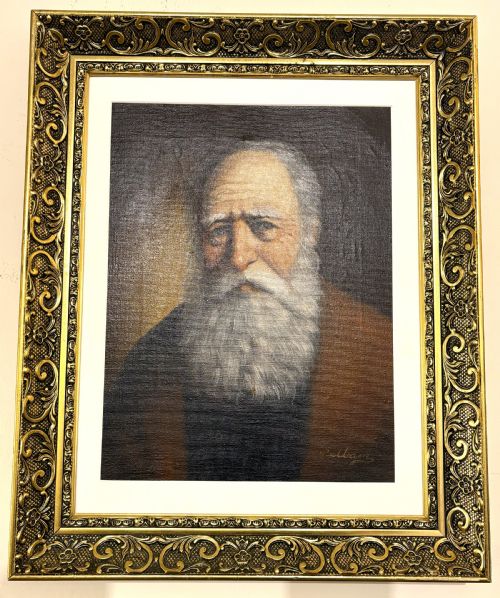


Vintage Portrait of Man
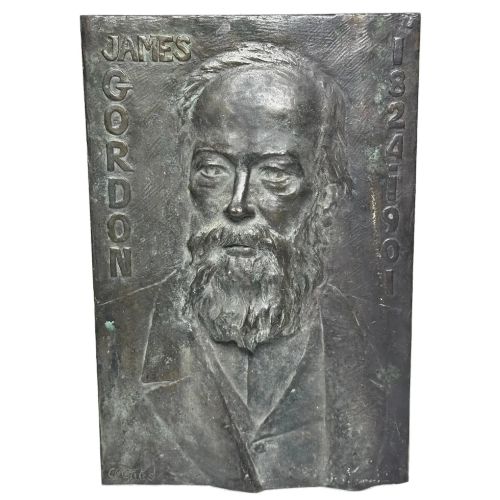
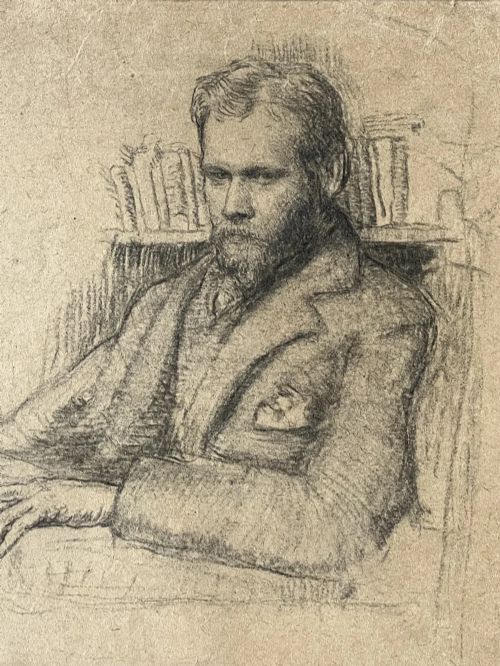
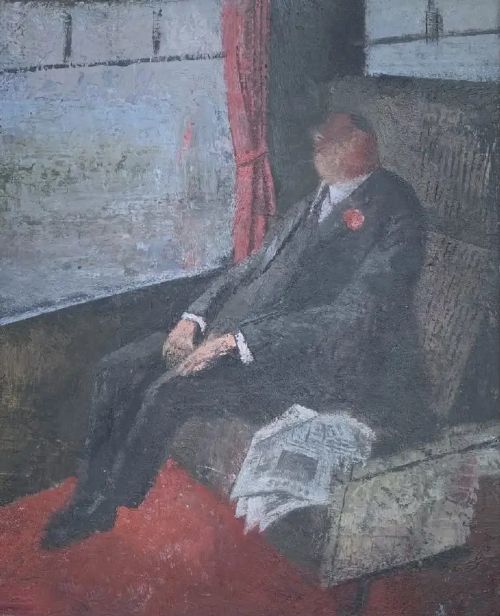
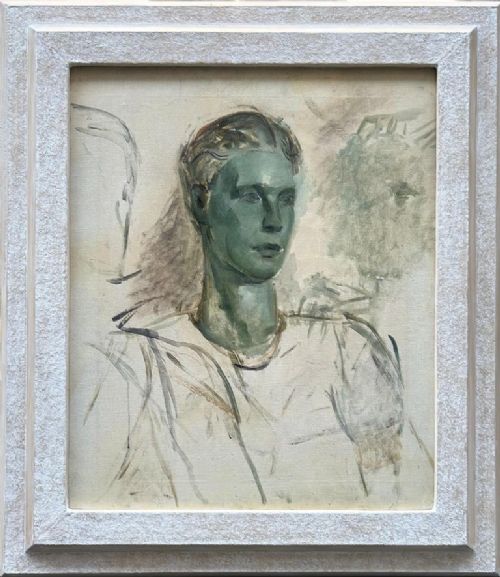
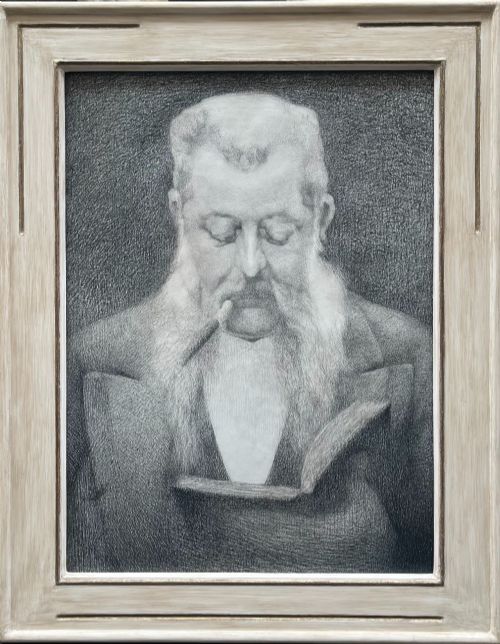
A vintage portrait of man captures character and likeness through oil on canvas, pencil, and bronze from the nineteenth and twentieth centuries.
Vintage Portrait of Man
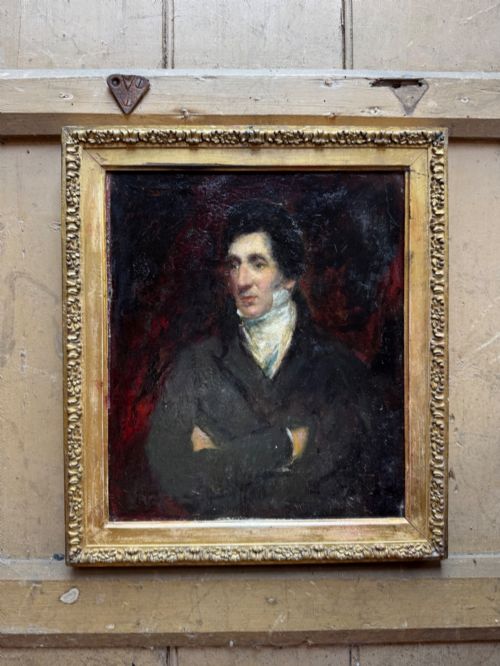
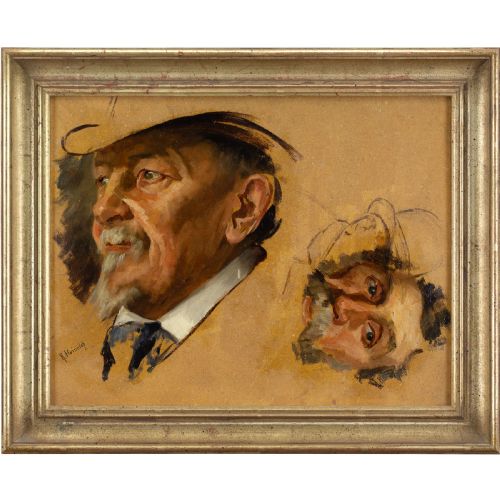
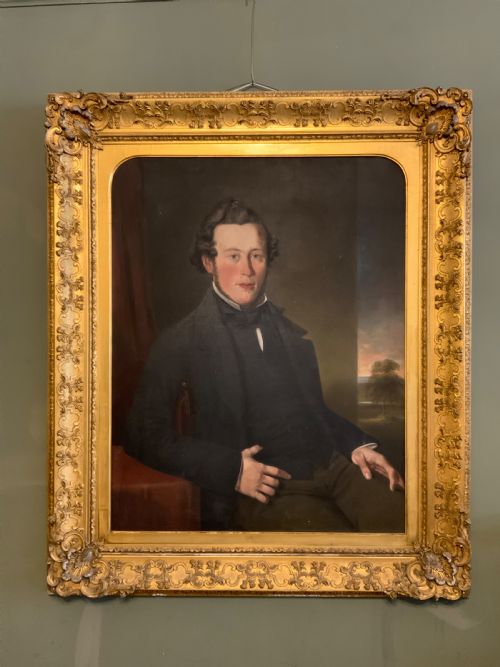
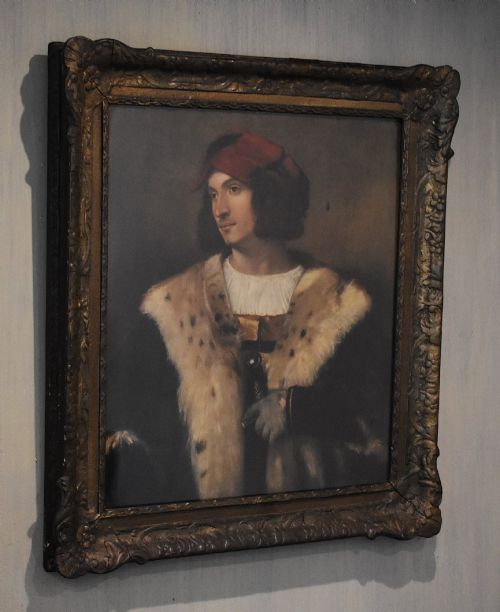
When you search for a vintage portrait of man, you encounter framed artwork and oil paintings depicting gentlemen, scholars, and sitters from various historical periods. The selections span academic realism, Victorian studies, and mid-century interpretations in oil and canvas.
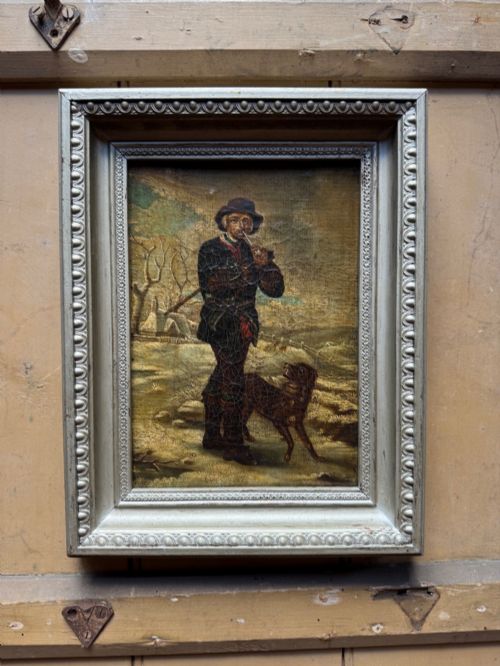
Most pieces on this page originate from the nineteenth and twentieth centuries, featuring British, French, German, and Swedish schools. You find everything from detailed pencil drawings to large oil paintings of seated gentlemen and figures with pipes.
Beyond paintings, the selection includes bronze and plaster busts, cast iron paperweights, and printed works. These items record individual identities through diverse artistic traditions across the decades.
How They Were Made
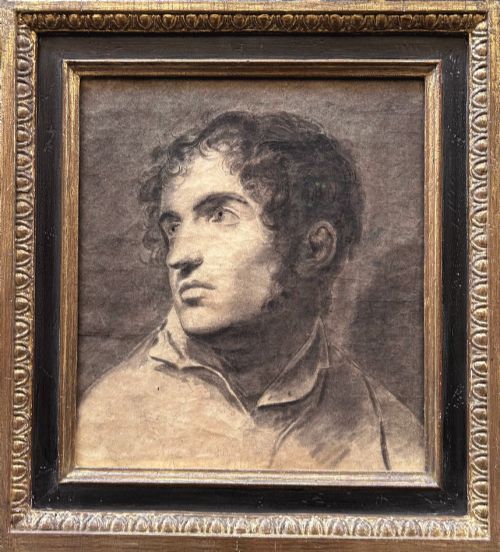
Makers built these pieces using traditional media such as oil paint applied to canvas, wood panels, or paper supports. Many works employ charcoal, pencil, and chalk for preparatory studies and finished drawings.
Three-dimensional pieces utilise cast bronze, plaster, and iron, often finished with detailed patination or mounted on wooden bases. Framed artworks frequently incorporate giltwood frames to house the canvas or print securely.
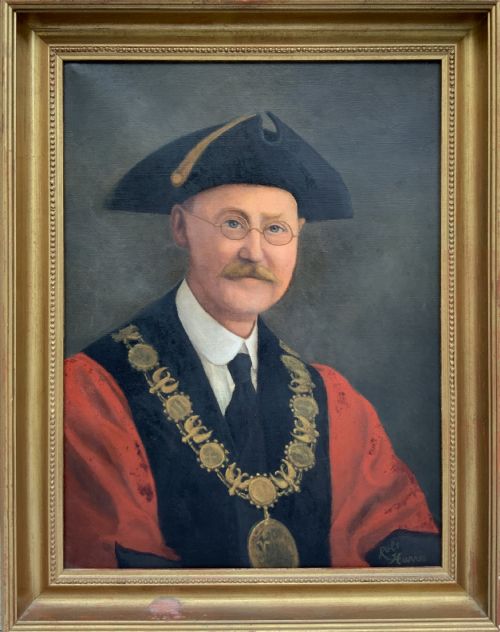
Among the gentlemen depicted are a bespectacled mayor, a man with a football scarf, and a character known locally as The Manchester Man.
What Varies in Quality
The standard of a vintage portrait of man rests on the execution of the sitter's expression and the handling of light and shadow by the artist. Masterful brushwork in oil or precise pencil control distinguishes academic realism from simpler works.
Materials also dictate the grade of the piece, with heavier bronze casts, oil paint on stable canvas, and period giltwood framing commanding greater appreciation than basic prints or modern paper reproductions.
Robert Heinrich·Alice Gates·AUGUSTUS JOHN·Oilver Messel·Edouard Julien·Philippa Maynard Romer·Bernd Funke·Roberto Venturi·Richard Waitt·Faeq Hassan·Harry Epworth Allen·Frank C Harlow·Roland Svensson·Otto Strassmann·Moussa Ayoub
The Vintage Portrait of Man Glossary
- Oil on Canvas
- A painting medium where pigments are bound with drying oil and applied to stretched woven fabric. This combination allows for rich colour depth and blended tones.
- Academic Realism
- A style of painting and sculpture produced under the influence of European academies of art. It emphasises precise anatomical accuracy and classical proportions.
- Giltwood
- Wood that has been coated with a thin layer of gold leaf or powder. It frequently surrounds canvas paintings to provide an ornamental border.
- Bronze
- An alloy consisting primarily of copper, commonly used for sculptural busts and figures. It accepts patination and captures fine facial details.
- Charcoal
- A dry drawing medium made from organic carbonaceous material. Artists utilise it for expressive lines and deep shadow effects on paper.
Vintage Portrait of Man: Frequently Asked Questions
What periods do these portraits cover?
The listings span from the seventeenth century through the Victorian and Edwardian eras into the mid-twentieth century. Many pieces originate from the nineteenth and early twentieth centuries.
You also find occasional works from the seventeen-fifties and nineteen-fifties, reflecting diverse artistic movements from realism to modern British styles.
How were these portraits displayed?
Canvas paintings and fine prints typically hung framed on interior walls as formal or domestic decoration. Bronze and plaster busts stood on desks, mantelpieces, or dedicated pedestals.
Smaller items like paperweights served functional roles on writing surfaces while depicting recognizable historical or local figures.
How do I identify the sitter?
Some works name the sitter directly in the title, inscription, or signature provided by the artist. Others represent anonymous subjects categorized by school, such as British School or French School.
Clothing, accessories like pipes or hats, and uniform details often offer clues to the sitter's profession, status, and era.
Are these works original art?
The selection includes original oil paintings, charcoal drawings, pencil studies, and unique sculpted busts created by named and unnamed artists. It also contains period prints and reproductions after masters like Titian.
Checking the medium listed helps distinguish between a unique hand-painted canvas and a printed work.