


Modernist Figurative Art
Modernist figurative art captures the human form through the lens of twentieth-century experimentation, offering expressive portraits and dynamic studies for the collector.
Modernist Figurative Art
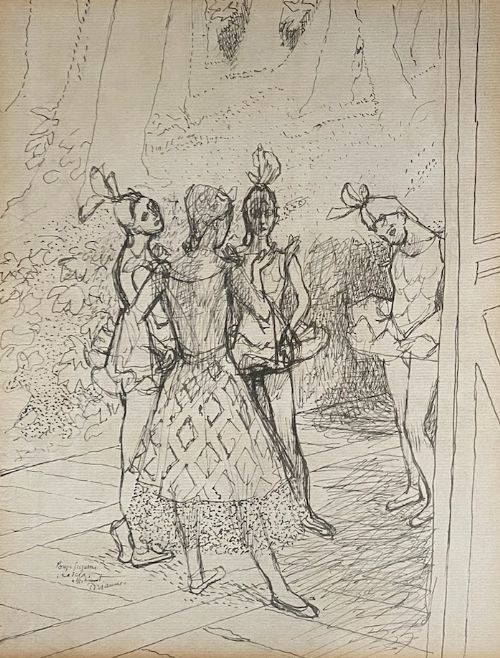
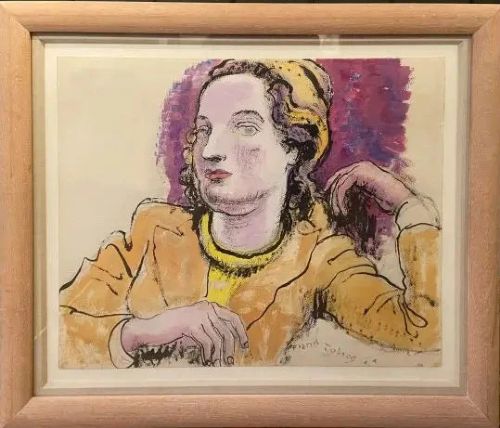
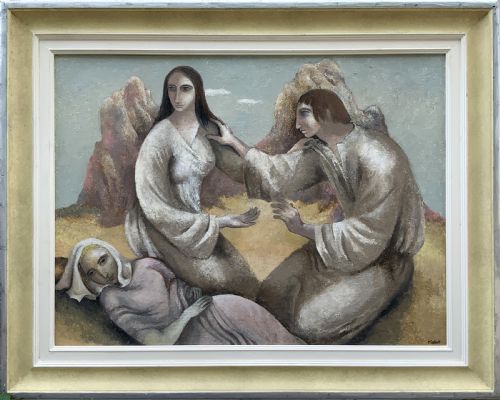
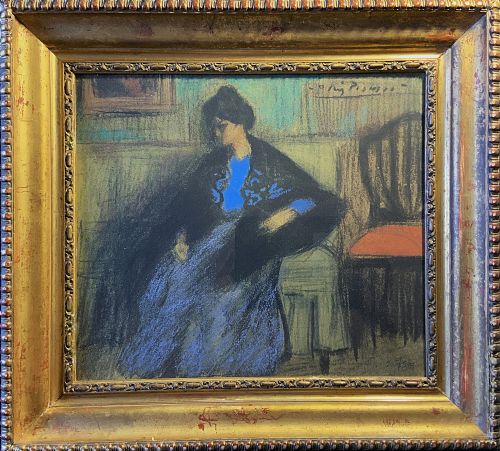
Modernist figurative art encompasses paintings, drawings, and prints that depart from traditional academic realism to explore the human subject through fresh stylistic perspectives. When exploring modernist figurative art, buyers encounter works executed across several decades, spanning the Edwardian era through the nineteen-sixties. The common thread among these pieces is a focus on people, from portraits and nudes to dancers and musicians.
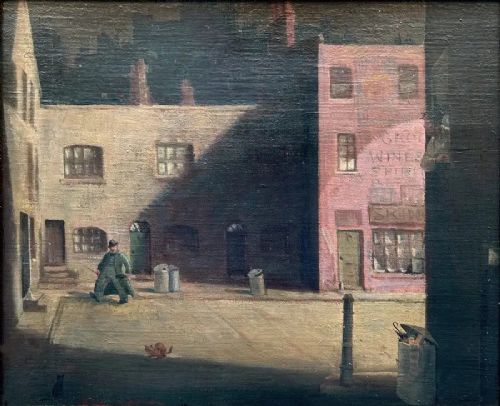
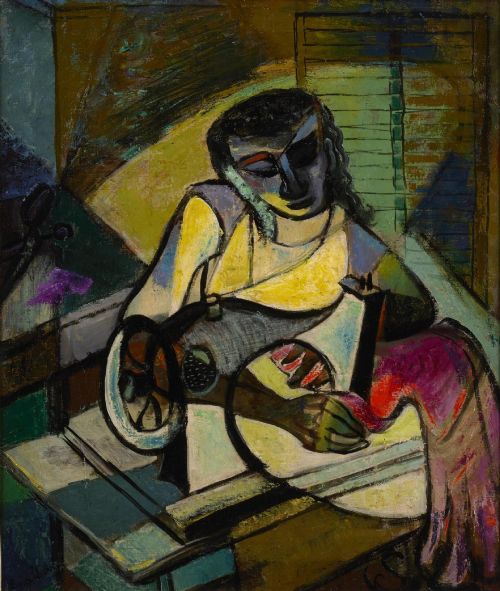
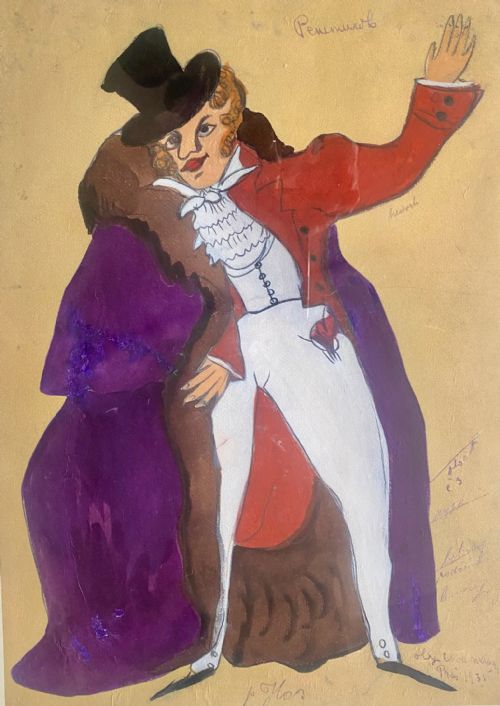
The selections available here lean heavily toward mid-century examples and earlier twentieth-century pieces produced across Britain, France, and America. Formats range from intimate ink line drawings on paper to substantial oil paintings on canvas and board. These depictions vary from direct portraiture to avant-garde interpretations incorporating surrealist or cubist sensibilities.
Materials and methods
Artists working within this tradition utilised traditional supports like canvas, wood panels, and fine paper alongside oil paint, gouache, ink, and watercolour. Oil paint was frequently applied with visible brushwork, sometimes building up heavy impasto textures to emphasise the physicality of the surface. Drawings executed in ink, crayon, or pencil rely on expressive line work rather than meticulous blending to define the human figure.
Printmaking techniques such as lithography and pochoir also appear, translating linear studies and paintings into multiples produced under the artist's direction. Support materials range from stretched canvas to board and varied weights of paper, each chosen to suit the specific demands of paint, ink, or gouache.
Materials documented in these listings include oil paint, ink, gouache, canvas, and paper across periods from the Edwardian era to the nineteen-sixties.
Evaluating the work
Quality in these pieces rests on the confidence of the line and the decisiveness of the composition, regardless of whether the medium is oil paint on canvas or ink on paper. Stronger works demonstrate a clear command of form and proportion, even when the style deliberately abstracts or distorts the human body. The handling of medium matters deeply, visible in the deliberate application of pigment or the economy of a drawn stroke.
Provenance and documentation further distinguish individual works, particularly when signed by the artist or connected to known exhibitions and artist groups. Pieces that capture the distinct character of movements such as expressionism, post-impressionism, or avant-garde surrealism tend to hold greater visual and historical cohesion.
Maurice Brianchon·Frank Dobson·Francisco Sancha·Lena Gurr·Christine Nesbit·Pablo Picasso·Francis Picabia·Raymond Moritz·Demetrios Galanis·Derek Latimer Sayer·Peter Jackson·Pinchus Krémègne·Yo Mayer·Marcel Duchamp·Andre Delfau·Kenneth B Malpass·John Duncan Fergusson·Kees van Dongen·Bernard Meninsky·Archille Zavatta
The Modernist Figurative Art Glossary
- Avant-garde
- Descriptive of art that pushes boundaries and breaks with established academic conventions. This term applies to creators who pioneered radical approaches to form and subject matter.
- Gouache
- An opaque water-based paint that dries to a matte finish. It allows for vibrant colour blocking and sits between watercolour and acrylic in weight.
- Impasto
- Paint applied thickly to a canvas or board so that it stands proud of the surface. This technique preserves the physical gesture of the brush or palette knife.
- Pochoir
- A stencil-based printmaking method used to apply hand-coloured details or flat areas of hue. It produces crisp edges and rich colour saturation.
- Lithography
- A planographic printing process based on the mutual repulsion of oil and water. Artists draw directly onto a stone or metal plate to produce multiple impressions.
Modernist Figurative Art: Frequently Asked Questions
What defines modernist figurative art?
These works represent the human figure through twentieth-century stylistic lenses, moving away from strict academic realism toward expressive interpretation. Artists experiment with form, line, and colour to capture mood and presence.
The selections include oils, gouaches, and drawings produced across several decades of intense artistic change.
How should I display these works?
Most works on paper require framing behind glass with appropriate mounts to protect the delicate medium from moisture and light damage. Canvases and board paintings generally suit standard picture framing without glass.
Keep pieces away from direct sunlight to preserve the integrity of oil paints, inks, and water-based pigments.
How do I identify the period?
Dating relies on stylistic markers, artist signatures, and framing methods, often supported by inscriptions on the reverse of the canvas or board. The handling of the medium and the clothing or poses of the subjects frequently point to specific decades.
Comparing brushwork and composition to documented examples by the same circle of artists helps narrow the timeframe.
Are these works original?
The inventory consists largely of unique paintings and drawings executed directly by the hand of the artist. Limited edition prints produced using techniques like lithography also appear.
Each listing specifies the exact medium used, distinguishing between a direct drawing on paper and a published print.