
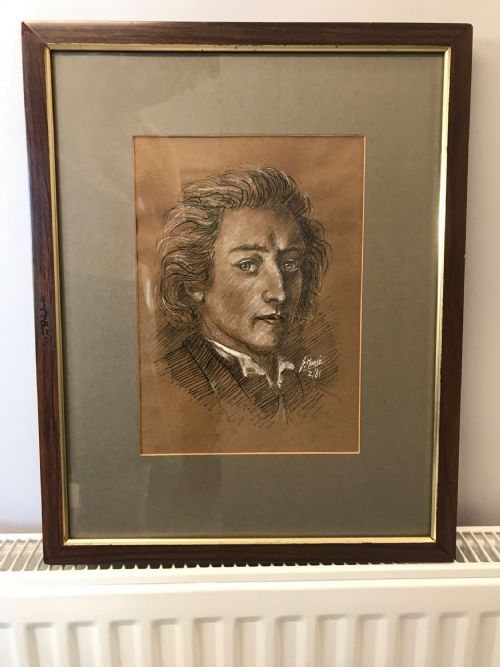
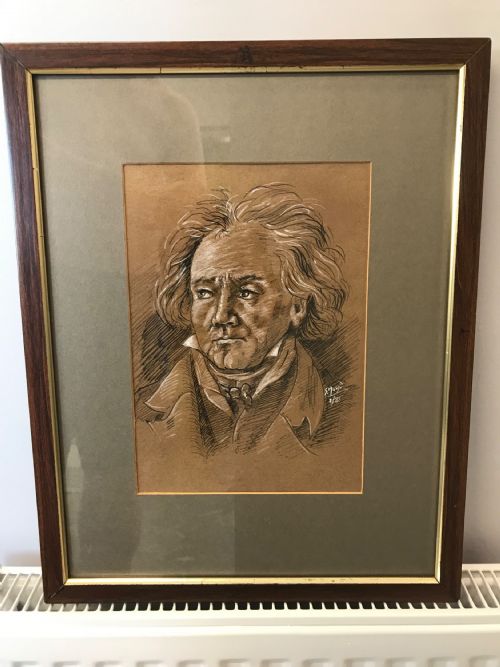
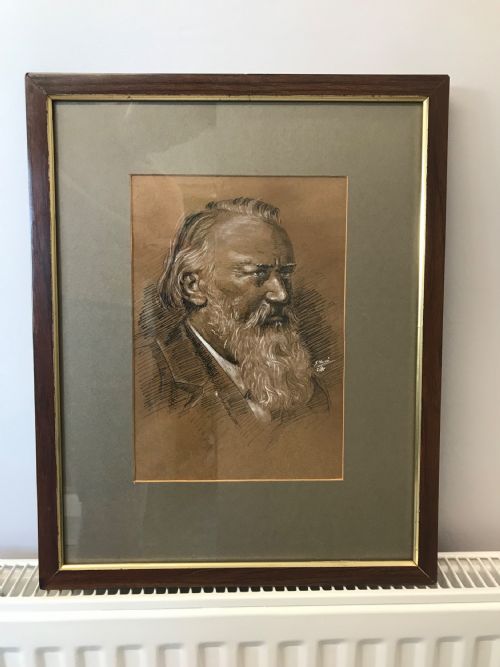
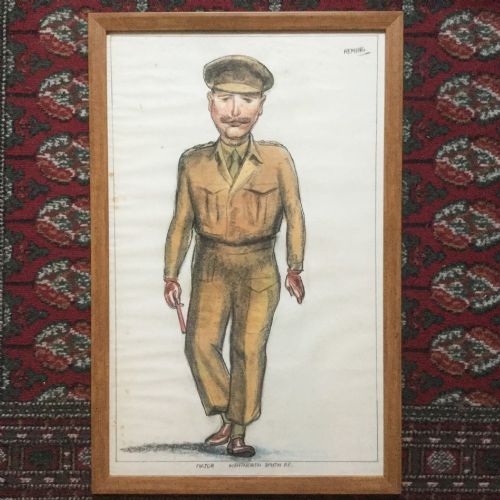
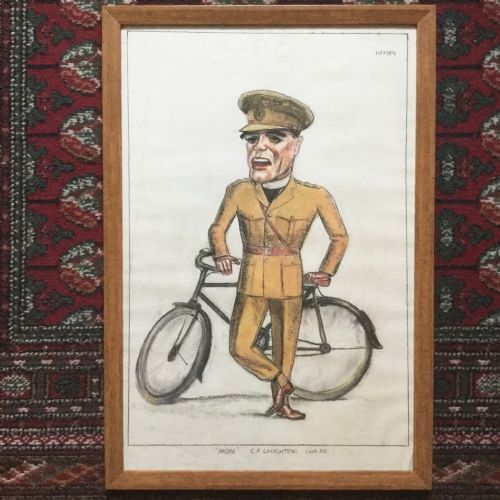

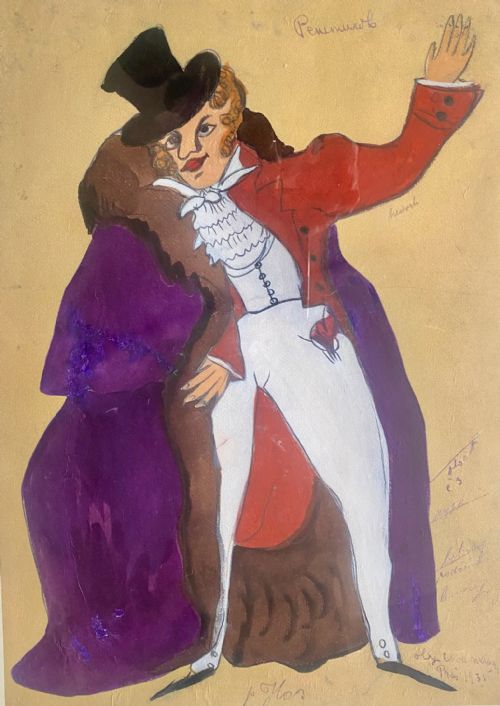


Gouache on Paper Painting
A gouache on paper painting brings together opaque water-based pigment and delicate supports to capture vibrant colour and fine detail across centuries of global artistry.
Gouache on Paper Painting
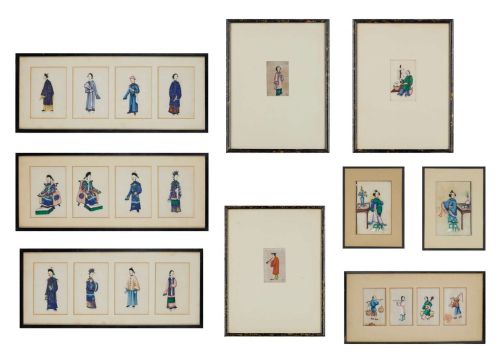
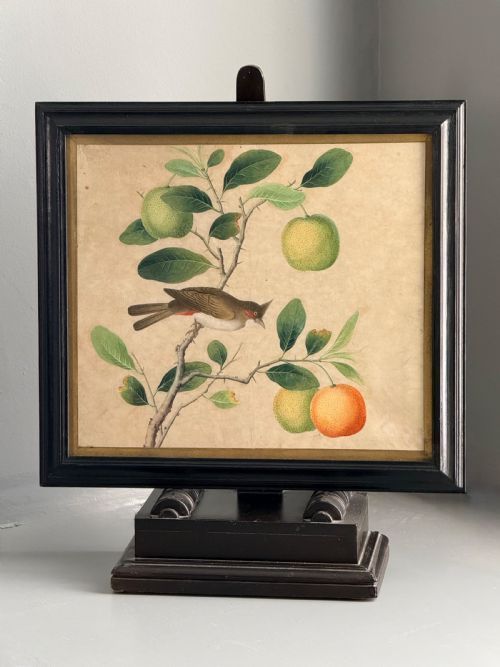
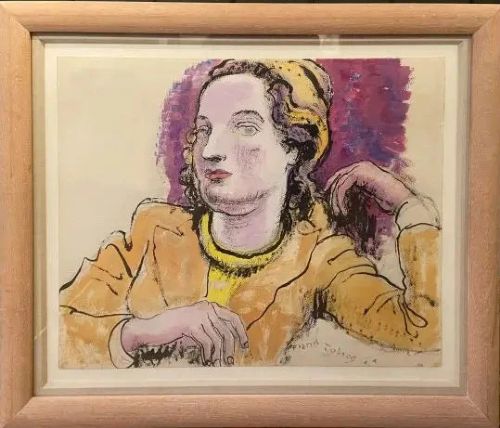
When searching for a gouache on paper painting, collectors encounter a diverse array of works ranging from Victorian portraits and 18th-century botanical studies to mid-century modern abstractions.
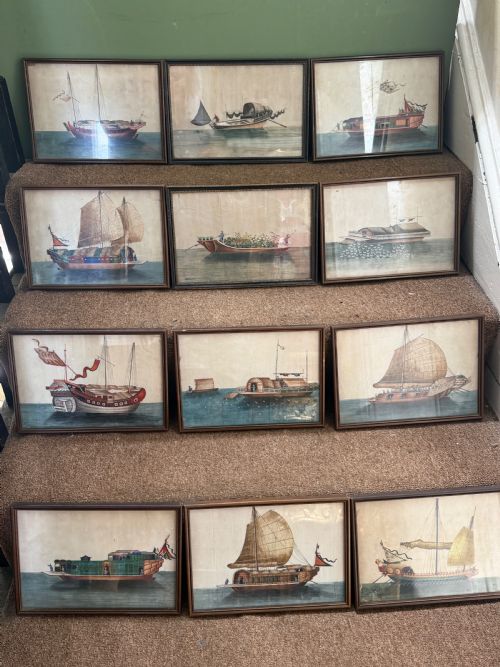
The selections available span multiple stylistic traditions, notably Chinese export pith paper works, Indian miniature paintings, and European modernist landscapes.
Buyers most frequently meet nineteenth-century works and mid-century French compositions on this page, reflecting the historical popularity of the medium for both detailed studies and vibrant poster-like art.
How they were made
Artists utilise water-soluble pigments mixed with a binding agent and white chalk to create the characteristic opaque, matte finish of gouache.
Works are executed on paper, card, or delicate pith paper derived from plant stems, frequently combined with ink, watercolour, pencil, or pastel.
Many examples are preserved behind glass within wooden frames to protect the fragile paper supports from atmospheric moisture and handling.
Listings feature works executed on paper, card, and pith paper, utilising gouache alongside ink, pastel, and watercolour across the eighteenth, nineteenth, and twentieth centuries.
What varies in quality
Quality rests in the precision of the brushwork and the vibrancy of the preserved pigments, separating hurried decorative souvenirs from master studies.
The condition of the paper support heavily influences desirability, as brittle pith paper or water-stained margins alter the integrity of the piece.
Artistic execution distinguishes standard commercial export pieces from named modernist or academic works possessing distinct provenance.
Frank Dobson·Alice Anne Renshaw·Kershaw Schofield·Montagu Barstow·Dame Laura Knight·Reginald Mills
The Gouache on Paper Painting Glossary
- Gouache
- An opaque, water-based paint consisting of pigment, water, and an inert white binder such as chalk. It dries to a smooth, matte finish that allows for both fine linear detail and broad flat areas of colour.
- Pith paper
- A fragile, spongy material sliced from the stem of the Tetrapanax papyrifer plant, commonly used in nineteenth-century Chinese export art. It absorbs gouache in a manner that gives the colours a velvety luminescence.
- Miniature painting
- A highly detailed work executed on a small scale, traditional in Persian, Mughal, and Indian schools. These pieces frequently incorporate fine brushwork alongside gold leaf and vibrant gouache pigments.
- Academic realism
- A style of painting produced under the influence of European academies of art. It emphasises precise drawing, accurate anatomy, and finished surfaces, often utilising gouache for preparatory portraits and studies.
Gouache on Paper Painting: Frequently Asked Questions
What is pith paper?
Pith paper is a delicate, fibrous material traditionally harvested from plant stems in southern China. It possesses a velvety texture that absorbs opaque water-based pigments with exceptional brilliance.
Because the material is exceptionally fragile, these historical sheets demand careful handling and specialised framing to prevent crumbling.
How do I distinguish gouache from watercolour?
Watercolour is transparent, allowing the white of the paper to shine through the washes of diluted pigment. Gouache includes added chalk elements, making the paint opaque and enabling artists to apply light highlights over darker tones.
Under magnification, gouache displays a matte, chalky surface texture rather than the crystalline pooling typical of heavy watercolour.
Are these paintings original works?
The listings feature hand-painted original artworks rather than modern mass-produced prints or mechanical reproductions. Each brushstroke reflects the direct hand of the artist working with pigmented mediums on paper supports.
Signatures, studio stamps, and distinctive paper textures further authenticate the unique nature of these historical pieces.