





Mid Century Coastal Painting
Mid century coastal painting captures harbours, open seas and tidal estuaries through the expressive lens of twentieth-century brushwork.
Mid Century Coastal Painting
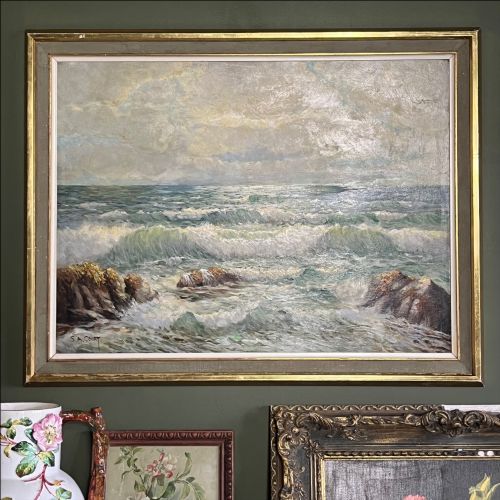
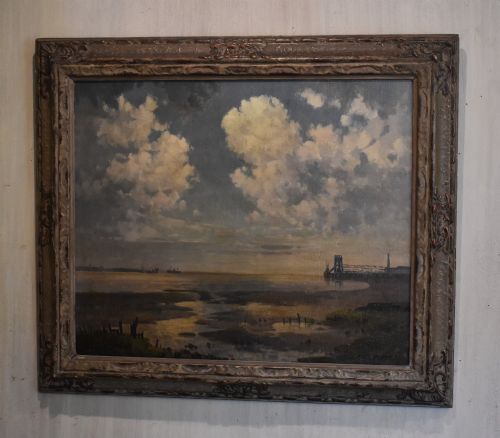
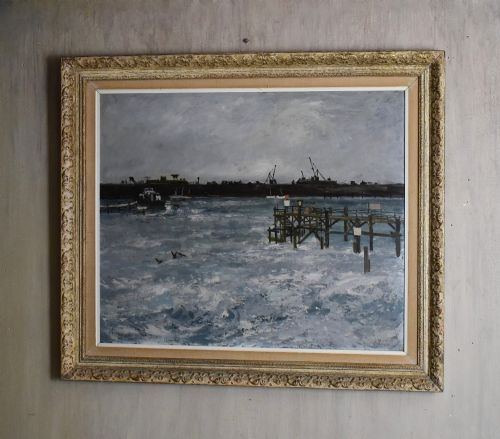
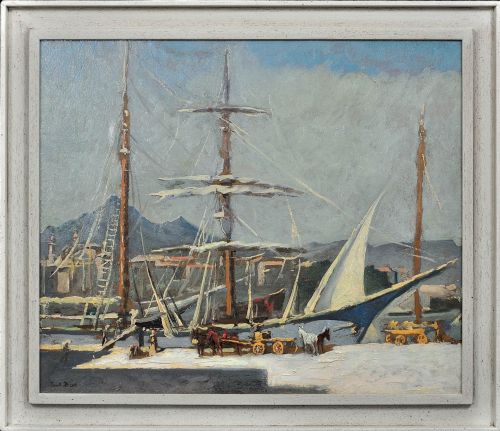
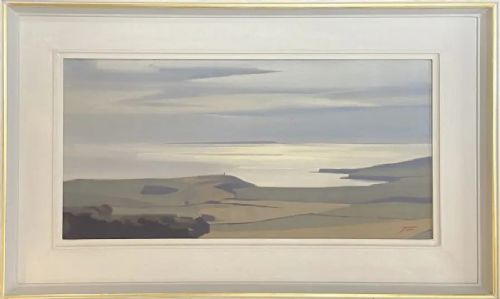
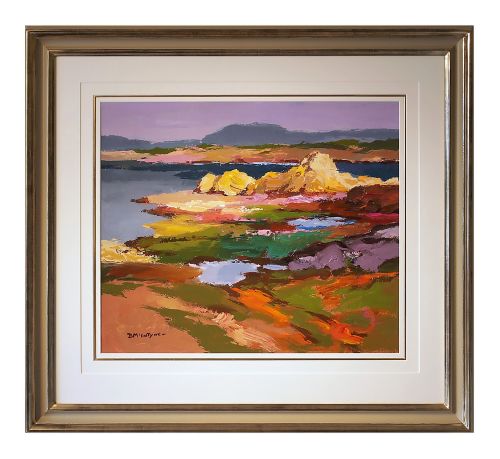
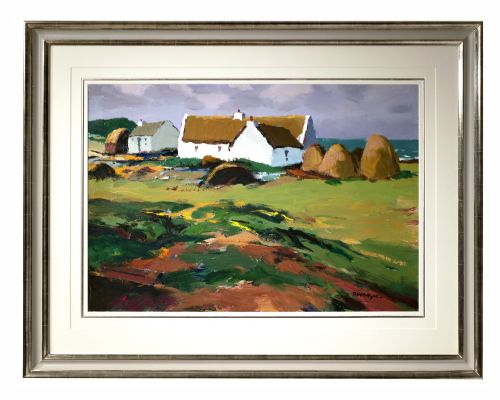
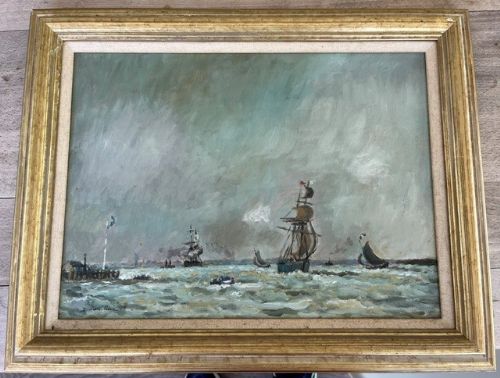
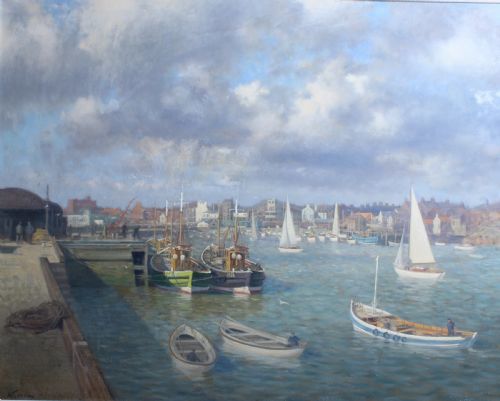
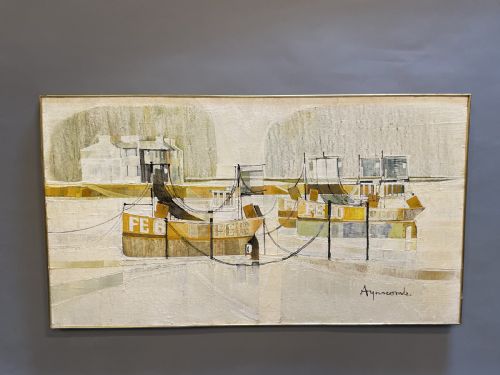
A mid century coastal painting captures harbours, fishing boats, and tidal views along British and European shores, reflecting the character of mid century coastal painting. These works record ports from Cornwall to Yorkshire, alongside French and Italian waterfronts, through the lens of mid-century observation.
The compositions vary from quiet estuary scenes to bustling quaysides, painted in styles that range from descriptive realism to loose impressionism. Most examples on this page date from the middle decades of the twentieth century, created by artists working en plein air or in coastal studios.
The dominant forms are oil on canvas and oil on board, though watercolours and paper works also appear. These pieces offer a direct window into mid-century maritime life, rendered with varied textures and distinctive regional palettes.
Materials and technique
Artists built these surfaces using oil paint applied to canvas, wooden board, or wood panels, sometimes employing heavy impasto to create tactile waves and weathered stonework. Watercolours and pastels on paper provide lighter, more immediate impressions of sea mists and bright coastal air.
The application ranges from thin washes of pigment to thick, palette-knife strokes that capture the robust atmosphere of harbours and open water. Support materials typically include primed canvas stretched over wooden frames or sturdy boards suited to outdoor painting.
Mid Century Coastal Painting Retail Price Guide 2026
Typical asking prices for mid century coastal painting among the pieces listed under this phrase on Sellingantiques today, from the lower quarter to the upper quarter. They describe what is for sale here now, not the wider market.
Several canvases manage to smell faintly of linseed oil and distant salt spray, defying their decades in storage.
Assessing quality and execution
Quality rests upon the confidence of the brushwork and the artist's ability to capture light and atmosphere rather than mere topographical detail. A stronger piece demonstrates assured handling of paint, particularly in rendering water, sky, and architectural elements.
The relationship between the pigment and the support dictates longevity and visual depth, with well-preserved impasto and stable canvas or board retaining their original impact. Provenance and clear attribution to known painters elevate the standing of an individual work.
Donald McIntyre·Edward Seago·James Fry·Gyrth Russell·Erich Mercker
The Mid Century Coastal Painting Glossary
- Impasto
- Paint applied thickly to a surface, standing out in relief so that the marks of the brush or palette knife remain visible. This technique adds tactile depth to water and clouds.
- En plein air
- Painting outdoors in natural light to capture the immediate visual conditions of a landscape or seascape. It was a favoured method for mid-century coastal artists.
- Provenance
- The documented history of ownership of an artwork, establishing its authenticity and origin. A clear record adds context to the piece.
- Estuary
- The tidal mouth of a large river, where the tide meets the stream. These areas provided rich subject matter for mid-century painters.
- Board
- A rigid flat panel, often wood or composite material, used as a painting support instead of stretched canvas. It offers a firm surface for vigorous brushwork.
Mid Century Coastal Painting: Frequently Asked Questions
What subjects appear in these paintings?
These works depict harbours, fishing boats, coastal cliffs, and quiet estuaries across British and continental shores. Common locations include Cornish fishing ports, Dorset bays, and French or Italian waterfronts.
Scenes range from bustling quaysides with unloading ships to solitary views of open water and coastal mists under varying atmospheric conditions.
How should I frame these artworks?
Most pieces arrive in period frames that complement the mid-century aesthetic, often featuring simple wooden mouldings or painted profiles. Selecting a frame that respects the era helps preserve the visual balance of the painting.
Avoid overly ornate modern frames that clash with the mid-century character, preferring instead understated designs that allow the brushwork to lead.
Where were these artists working?
The painters active in this period worked both in Britain, focusing on established maritime communities in Cornwall, Yorkshire, and Wales, and across European coastal regions. Many travelled to Mediterranean ports in France and Italy to capture brighter light and southern harbours.
Others remained rooted in specific coastal landscapes, recording the changing moods of local tides and estuaries over decades of practice.