



British Modernist Painting
British modernist painting captures the bold visual experiments of twentieth-century artists working across canvas, board and paper.
British Modernist Painting
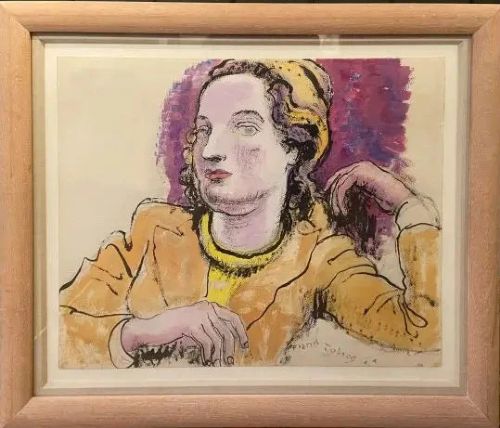
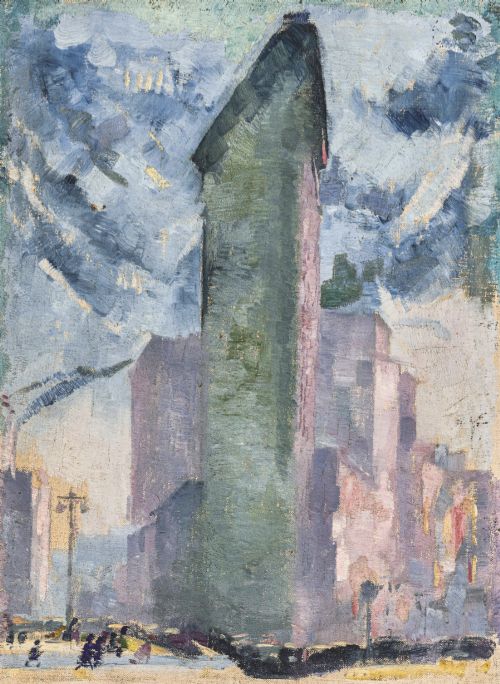
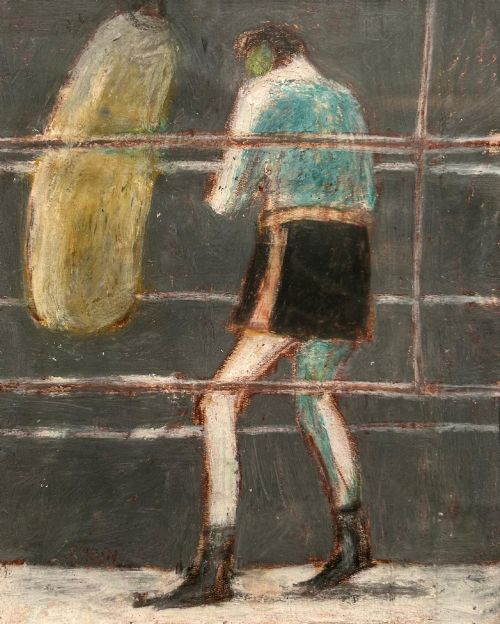
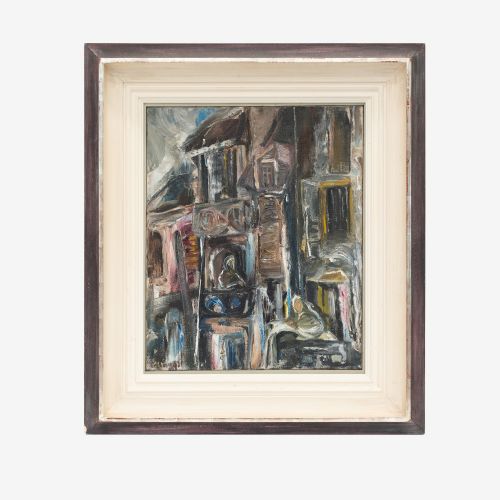
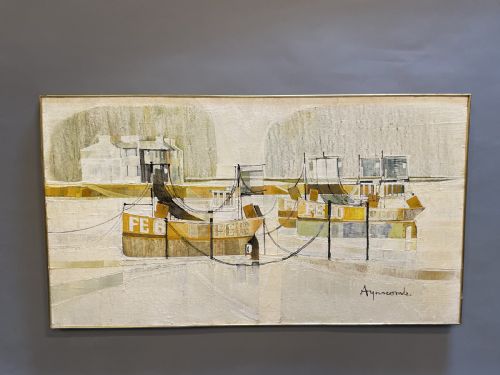
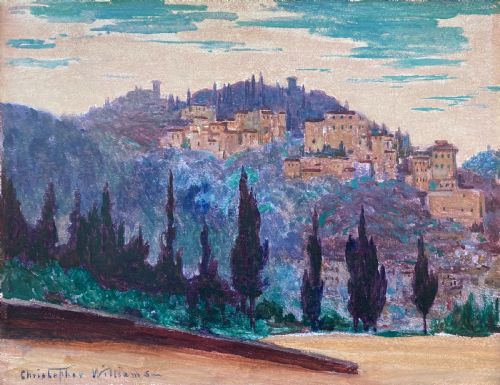
When you search for british modernist painting, you encounter works spanning from the Edwardian period through to the nineteen-sixties. The selections here include portraits, landscapes, and abstract compositions reflecting the shifts in twentieth-century visual culture.
The objects take the form of framed oil paintings, watercolours, gouache pieces, and sketches on paper or board. These works range from tightly focused domestic kitchen geometry to expansive coastal scenes and abstract studies.
Most pieces date from the mid-century decades, particularly the nineteen-thirties, nineteen-forties, and nineteen-fifties, alongside earlier Edwardian examples. They reflect the diverse stylistic movements operating across Britain during those decades, including Post-Impressionism and Cubism.
Assessing quality and execution
Quality rests on the confidence of the mark-making and the internal coherence of the composition. Stronger works demonstrate a sure command of tone, line, and spatial arrangement within their chosen modernist framework.
Provenance and documentation also contribute significantly to the standing of a piece. Works carrying clear signatures, exhibition histories, or direct connections to notable artistic circles hold particular interest.
The listings span from the Edwardian era through the nineteen-sixties, utilising oil, gouache, watercolour, and canvas.
Frank Dobson·Alfred Wolmark·Samuel Rabin·Lilian Colbourn·Elisabeth Frink·Denis Mitchell·Edward Carter Preston·William McCance·Adrian Heath·Lillian M. Harrison·Bernard Meninsky
The British Modernist Painting Glossary
- Cubism
- An early twentieth-century avant-garde art movement that revolutionised European painting by breaking subjects up into multi-angled geometric shapes. It rejected traditional perspective in favour of flat, abstracted planes.
- Gouache
- An opaque water-based paint that dries to a matte finish, widely utilised for works on paper. It provides stronger coverage than standard watercolour.
- Post-Impressionism
- A predominantly French art movement that developed from Impressionism, influencing British artists to explore bolder colours and expressive forms. It prioritised emotional resonance over strict optical realism.
- Bloomsbury Group
- An association of English writers, intellectuals, and artists who gathered in London during the early twentieth century. Their decorative and painterly style emphasised vibrant palettes and domestic subjects.
- Provenance
- The documented history of ownership of a work of art, tracing its path from the creator to the present day. Clear provenance helps verify authenticity.
British Modernist Painting: Frequently Asked Questions
What defines british modernist painting?
These works break away from traditional academic realism to explore abstraction, simplified forms, and expressive colour palettes. They reflect the changing social and artistic landscape of Britain across the twentieth century.
Common subjects include landscapes, still lifes, portraits, and non-representational geometric compositions created across various paint and paper mediums.
How do I care for works on paper?
Pieces executed in watercolour or gouache require careful framing behind UV-protective glass to prevent fading from direct sunlight. Keeping them away from excessive humidity protects the paper support and the pigments.
Stable indoor temperatures ensure the paper does not warp or develop foxing over time.
How are oil paintings on board structured?
Artists apply oil paint directly onto wooden or composite panels, which provide a rigid and durable surface. This technique often results in works with distinct surface textures and visible brush marks.
Such boards require a stable environment to prevent the wood from expanding or contracting with humidity changes.
Where were these paintings created?
The works originate from studios across Britain, including prominent creative hubs like the St Ives School in Cornwall. Regional landscapes, urban centres such as London, and domestic interiors provided primary inspiration for the artists.
Exhibition venues and retail outlets like Liberty and Co also played a role in distributing these pieces to collectors.