


20th Century Sports Painting
These 20th century sports painting works capture athletic motion and equestrian energy, offering buyers a vivid piece of sporting history.
20th Century Sports Painting
A 20th century sports painting records athletic pursuits, equestrian events, and countryside field sports across decades of artistic development. Buyers encounter works spanning Edwardian depictions through to mid-century modernist interpretations.
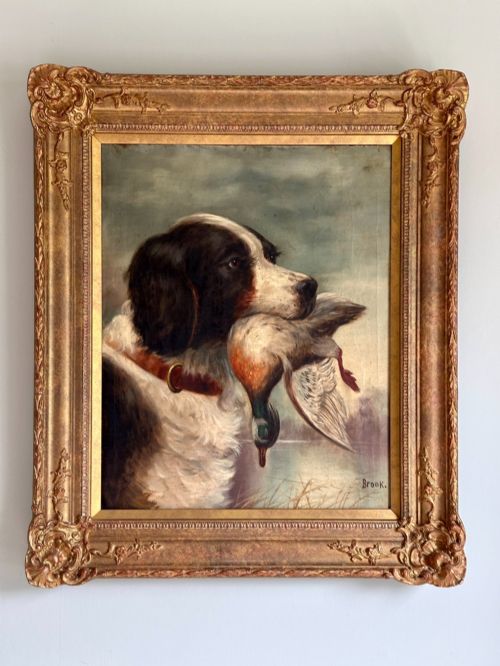
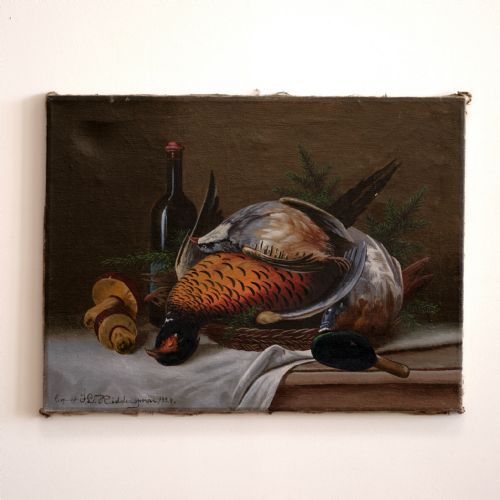
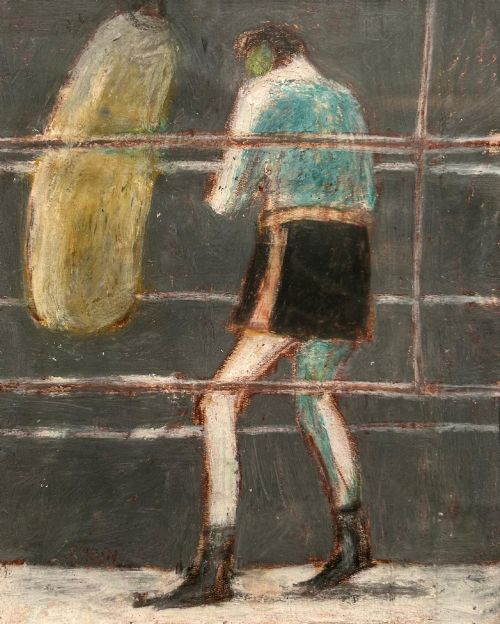
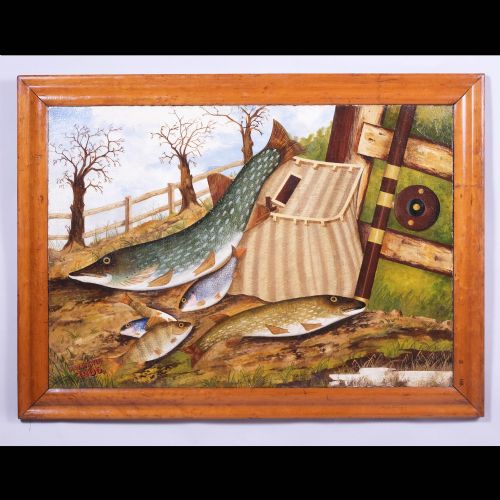
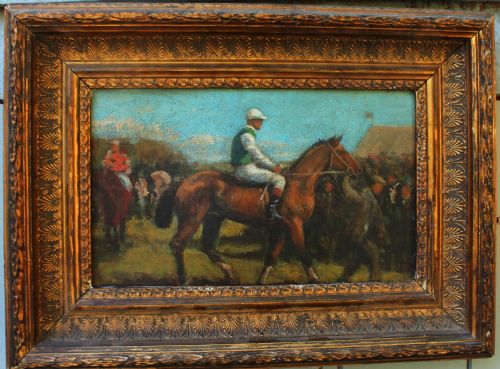
The selection ranges from detailed horse racing watercolours and oil studies of boxers to folk art decoys and painted signs. Painters captured specific disciplines such as fishing, hunting, boxing, and cricket.
Origins stretch from British sporting art traditions to continental watercolours and folk interpretations. The category unites dynamic movement with period aesthetics through varied media.
Materials and Techniques
Artists worked primarily on canvas, paper, or carved wood, applying oil paint, watercolour, gouache, or ink. Oil paintings on canvas provide rich texture, while watercolours and gouache on paper offer fluid immediacy.
Three-dimensional pieces utilise carved wood, finished with hand painting to render realistic detail on items such as decoys and sporting figures. These techniques reflect the diverse methods employed by painters and folk artisans of the era.
A life-size carved wood cricketer stands ready to bat alongside canvas horses and decoy ducks.
Qualities of Distinction
Superior works demonstrate a secure command of anatomical movement and energetic composition, particularly in complex subjects like horse races and boxing bouts. Skilled brushwork conveys the tension and speed of the athletic subject.
Condition and the retention of original surface pigment dictate visual strength. Pieces that maintain their primary colours and clear draughtsmanship stand apart from weaker examples.
James Stroudley·Samuel Rabin·John Rattenbury Skeaping·Gertrude Halsband·Charles Clifford Turner·Michael Lyne·Snaffles·Thomas Ivester Lloyd·Geoffrey Mortimer·Frank Giggs
The 20th Century Sports Painting Glossary
- Sporting art
- Artwork dedicated to depicting field sports, horse racing, boxing, and athletic competitions. This genre forms the core of the available pieces.
- Gouche
- An opaque watercolour medium used by artists to achieve solid areas of matte colour and sharp detail. It appears frequently in mid-century racing works.
- Folk art
- Utilitarian objects and decorative pieces made by self-taught makers outside academic traditions. Decoys and club signs fall into this expressive category.
- Triptych
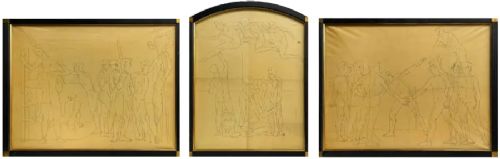
- A work divided into three painted sections, allowing narrative progression across panels. James Stroudley employs this format for Olympic themes.
- Watercolour
- A paint consisting of pigment suspended in a water-based solution, typically applied to paper. It captures light and atmospheric conditions efficiently.
20th Century Sports Painting: Frequently Asked Questions
What subjects do these paintings cover?
The works depict horse racing, boxing, fishing, hunting, and athletics across various decades.
Subjects range from formal race paddock studies to folk art decoys and cricket figures.
How do I identify the period of a piece?
Stylistic markers, framing, and signature details help place a work within specific decades from the Edwardian era to the mid-century.
Materials such as board, canvas, and paper also reflect the manufacturing norms of their respective years.
Are these works original?
The listings comprise original paintings, watercolours, gouaches, and hand-painted carved wooden objects.
Signed pieces and attributed works provide direct links to the individual artists and makers.
How should I display sporting art?
Framed works on paper and canvas suit wall placement in studies, hallways, or living spaces.
Three-dimensional items like carved decoys function well on flat surfaces as decorative objects.