



Post War British Art
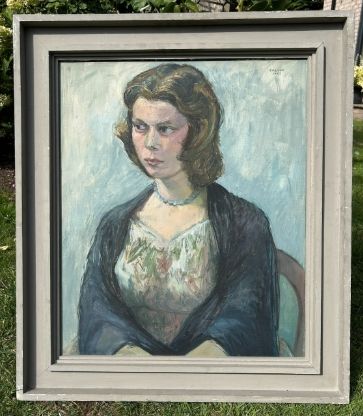
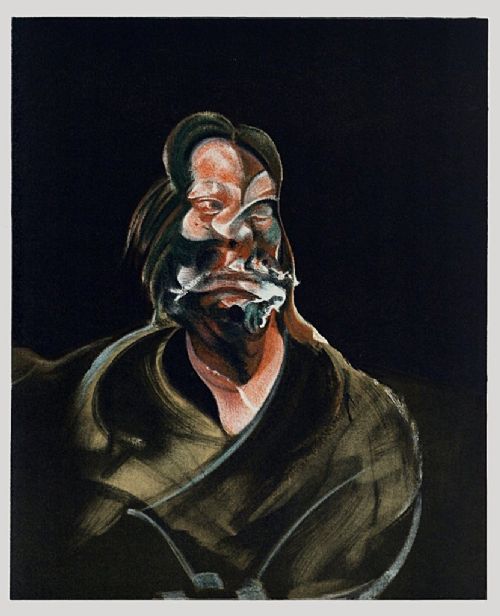
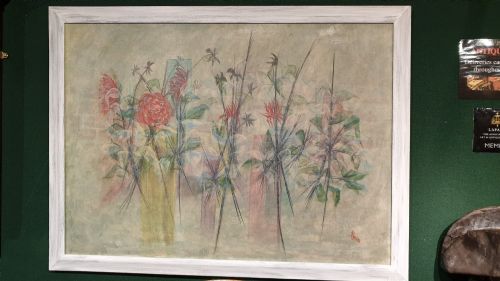
Post war british art captures the rugged vitality of mid-century creativity through oil on canvas, board, and gouache.
What post war british art pieces are
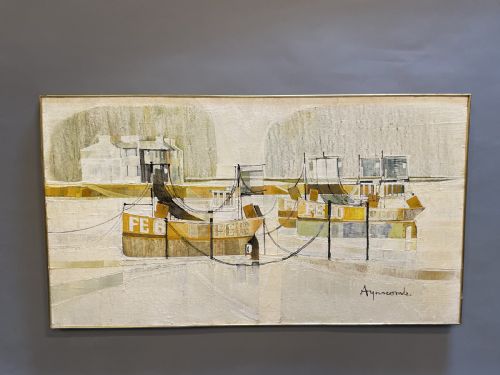
When you search for post war british art, you encounter expressive paintings produced across the decades of the nineteen forties, fifties, and sixties. These works capture the changing landscape, domestic interiors, and maritime scenes of Britain through the middle of the twentieth century.
You are most likely to meet oil paintings on board or canvas, alongside works on paper and gouache. The styles span mid-century modernism, British realism, expressionism, and mid-century portraiture.
The objects take the form of framed fine art paintings, studio interiors, and coastal views. Each piece reflects the aesthetic concerns of British painters working during a period of intense artistic rebuilding.
How they were made
Artists painted using oil and oil paint applied directly onto stretched canvas, prepared board, or paper. Gouache and mixed techniques also appear, providing matte surfaces and vivid colour planes.
The physical support often includes wood frames and gilt wood frames, sometimes retaining historic retail labels or signatures. Canvases and boards show the distinct brushwork and impasto characteristic of mid-century expressionism and realism.
Retail Price Guide 2026
Typical UK retail prices for post war british art, calculated from the Sellingantiques database of over a million retail prices indexed since 2003. This retail price guide relies exclusively on Sellingantiques data; no external sources or auction records are used, so the figures do not describe the wider market.
One signed board captures old barges on the Tees, proving that industrial river traffic makes surprisingly charming wall art.
What varies in quality
Quality rests in the strength of the composition and the confidence of the brushwork. Works by Royal Academy listed artists or those with documented exhibition histories demonstrate a firmer grasp of form and colour harmony.
The integrity of the original support, the preservation of the painted surface, and the presence of framing appropriate to the period separate standard decorative items from works of genuine art historical interest.
Kenneth Cozens·Mark Ingram·William McCance·John Gilroy
The Post War British Art Glossary
- Oil painting
- A work created using pigments bound in a drying oil medium, typically linseed. This technique allows for rich texture, blending, and deep colour saturation across canvas or board.
- Gouache
- An opaque water-based paint that dries to a matte, velvety finish. It produces solid areas of colour and sharp linear details on paper.
- Impasto
- Paint applied thickly to a canvas or board, standing out in relief from the surface. This method adds tangible depth and physical presence to brushstrokes.
- Mid-century modern
- A design and art aesthetic spanning the middle decades of the twentieth century. It emphasises clean lines, abstracted forms, and a departure from strict academic realism.
Frequently Asked Questions
What defines post war british art?
Post war british art encompasses paintings created in Britain during the nineteen forties, fifties, and sixties. These works reflect modernist, realist, and expressionist responses to the modern world.
The aesthetic moves away from strict academic traditions toward bolder brushwork, abstraction, and expressive representation of everyday subjects and landscapes.
How do I care for an oil painting on board?
Keep the painting away from direct sunlight and fluctuating humidity levels to protect the wood board and oil pigments. Display the work in a stable environment.
Dust the surface gently with a soft, dry brush and avoid using liquid cleaners on the paint or the historic frame.
Are these paintings usually framed?
Many works retain their period frames, such as wood or gilt wood structures that complement the mid-century aesthetic. Original frames often add context to the history of the piece.
Some paintings arrive in simpler modern mouldings or require framing to protect the edges of the canvas or board.
How do I identify a mid-century British painting?
Look for characteristic subjects such as industrial landscapes, coastal scenes, studio interiors, and abstracted figures. The materials typically include oil on canvas, board, or gouache on paper.
Signatures, dates, artist registry records, and exhibition labels provide further clues to the provenance and period of creation.