


Mid Century Canvas Art
Mid century canvas art brings tactile texture and mid-century modern character to a room through original painted surfaces.
Mid Century Canvas Art
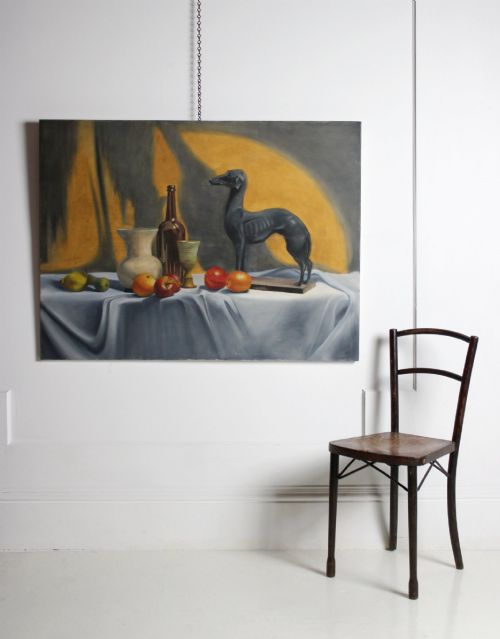
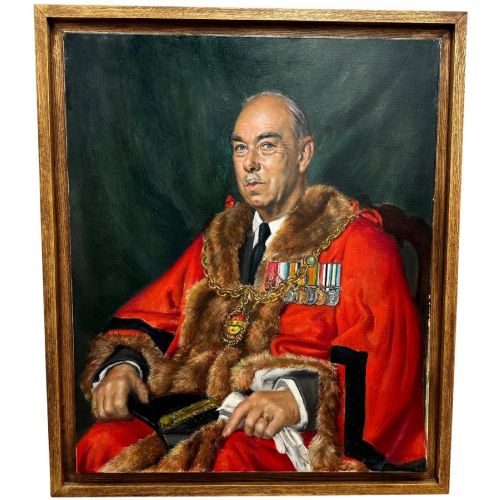
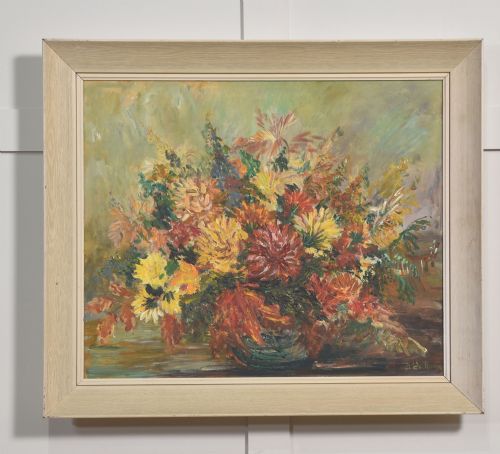
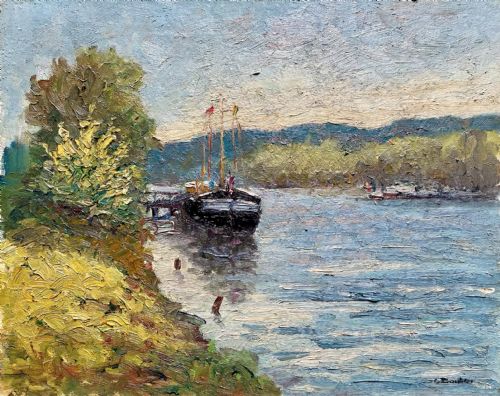
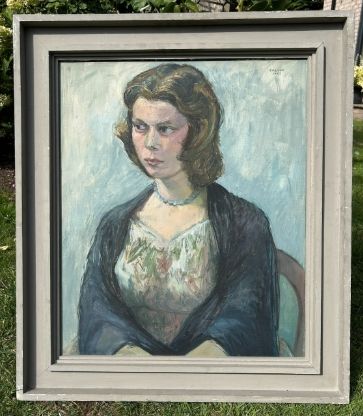
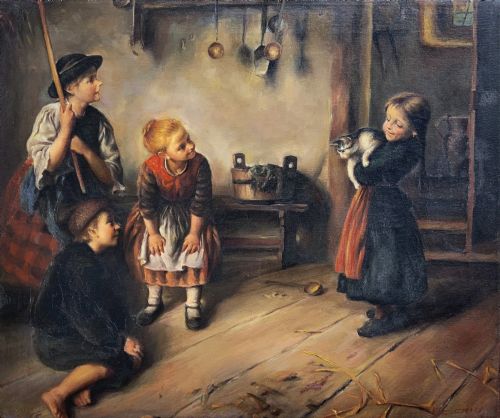
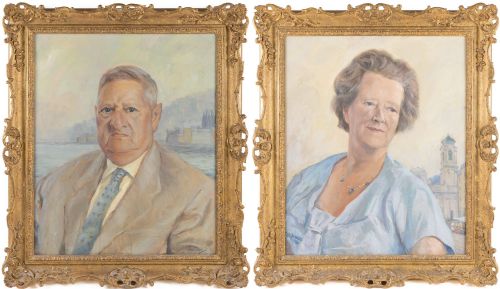
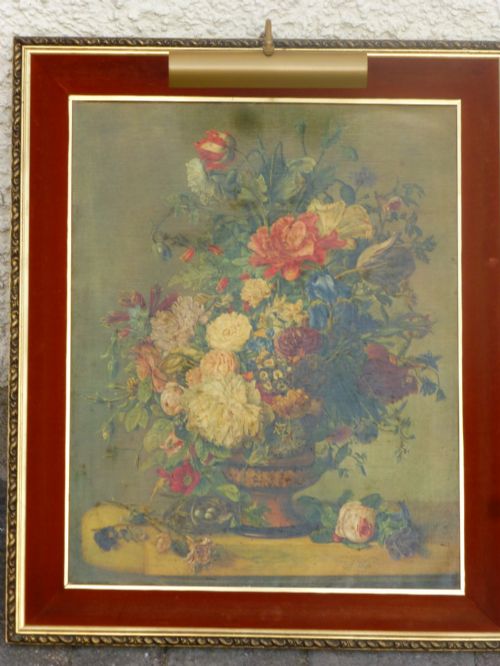
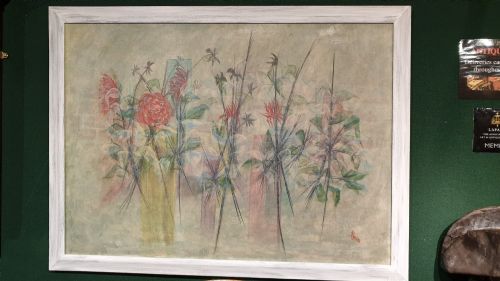
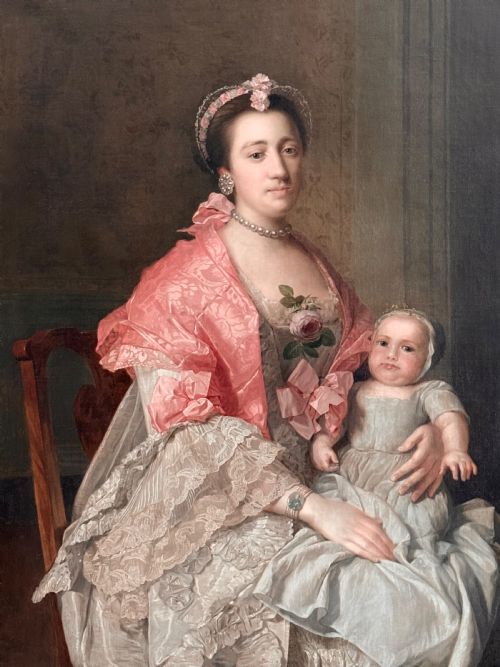
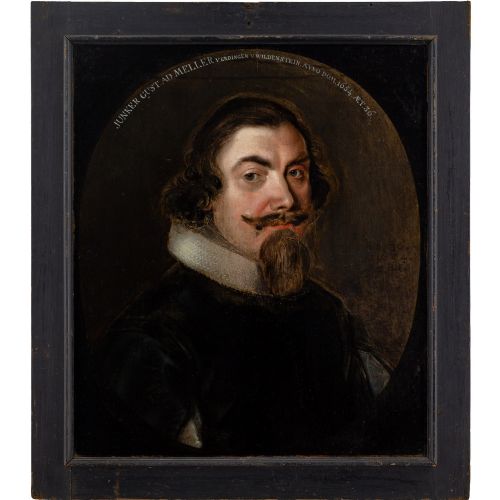
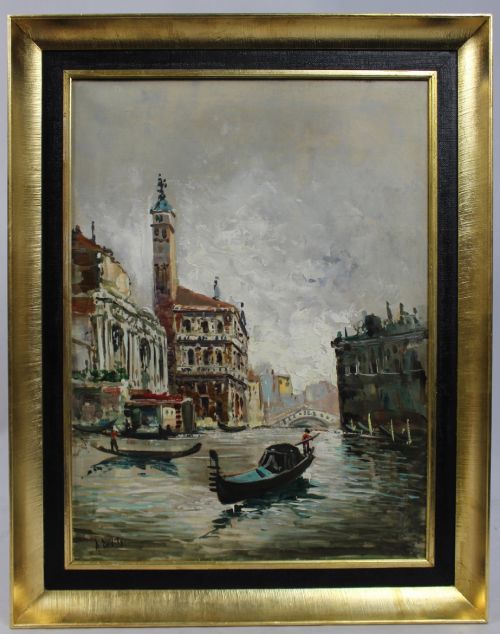
When buyers search for mid century canvas art, they encounter original oil paintings created primarily during the middle decades of the twentieth century. These works capture domestic interiors, maritime scenes, and coastal landscapes produced across Britain and continental Europe.
Works span from the 1920s through to the 1960s, reflecting the artistic output of schools from Britain, France, Italy, Germany, and the Netherlands. The range balances signed original compositions with representative school pieces from the period.
How they were made
Makers applied oil paint directly to stretched canvas or rigid board supports using brushes and palette knives. The physical interaction of pigment upon woven textile creates the characteristic tactile surface found across these mid-century works.
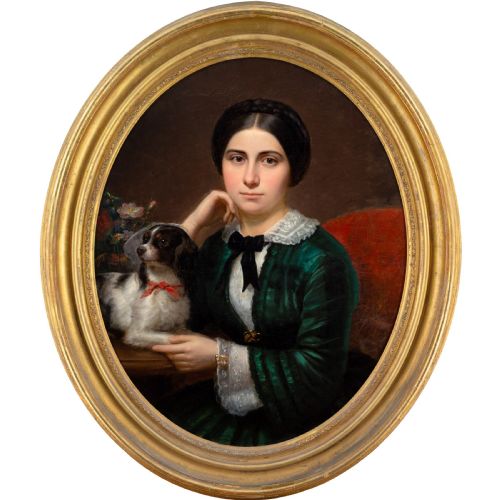
Artists enclosed completed canvases in wooden frames, frequently incorporating swept gilt mouldings that define the perimeter of the picture plane. The choice of support material dictates the stability and weight of each individual piece.
Mid Century Canvas Art Retail Price Guide 2026
Typical asking prices for mid century canvas art among the pieces listed under this phrase on Sellingantiques today, from the lower quarter to the upper quarter. They describe what is for sale here now, not the wider market.
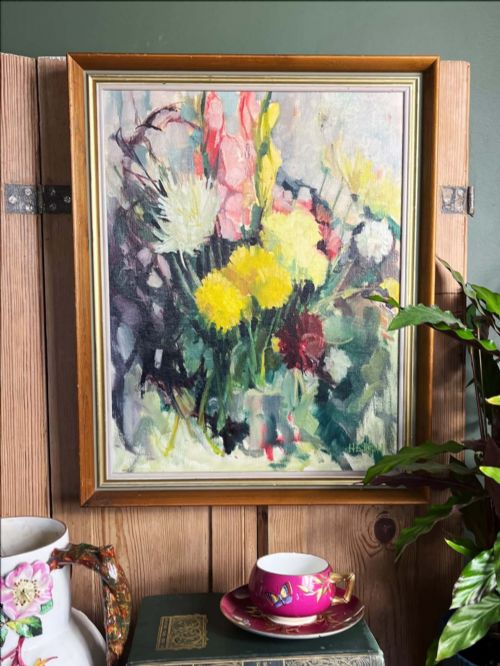
The listings feature oil paintings on canvas and board produced across the 1950s and 1960s in modernist and impressionist styles.
What varies in quality
The strength of composition and brushwork execution distinguishes standard decorative works from accomplished artistic expressions. Confident handling of oil paint and light creates depth that elevates a piece visually.
The presence of a known artist's signature and documented exhibition history separates individual masters from anonymous school pieces. Original framing, particularly period gilt or bespoke wood surrounds, adds substantive integrity to the artwork.
Kenneth Cozens·Bernard Hailstone·Antonio DeVity·Peter Brannan·Willem Bos
The Mid Century Canvas Art Glossary
- Canvas
- A heavy woven fabric used as a support surface for painting. Artists stretch this material tightly across wooden frames before applying oil paint.
- Oil Paint
- A slow-drying paint made with pigmented particles suspended in a drying oil. This medium allows for rich blending and textured impasto application.
- Impressionism
- A style of painting focusing on small, thin brush strokes and accurate depiction of light. Mid-century examples adapt these principles to contemporary scenes.
- Board
- A rigid wooden or fibrous panel utilised as a painting support instead of fabric. Painters apply oil directly to this firm surface.
- Gilt
- A thin layer of gold leaf or metallic coating applied to framing timber. Swept gilt frames feature ornamental moulded scrollwork.
Mid Century Canvas Art: Frequently Asked Questions
How do I clean mid century canvas art?
Dust surfaces gently with a soft, dry brush to prevent accumulation. Avoid liquid cleaners and moisture on aged oil paint.
Professional conservators should handle any deeper cleaning or restoration work to protect the original fabric and pigment.
Are these paintings original or prints?
The listings comprise original painted works executed by hand directly onto canvas or board supports. Brush texture and pigment depth confirm the physical application of oil paint.
Oleographs and reproductions appear rarely, but close inspection reveals the distinct tactile ridges of genuine paint strokes.
How should I hang canvas paintings?
Support heavy wooden frames securely using appropriate wall fixings rated for the weight of the piece. Position artworks away from direct sunlight and moisture sources.
Maintain stable room temperatures to prevent expansion or contraction of the canvas and wooden stretcher bars.
What frames are typical for this period?
Mid-century pieces frequently feature simple wooden surrounds or decorative swept gilt mouldings. Original frames complement the aesthetic of the painting era.
Alternative framing choices reflect the specific regional schools and decades of production.