





Expressionist Still Life Art
Expressionist still life art brings raw energy and bold emotion to interior spaces through striking painted compositions.
Expressionist Still Life Art
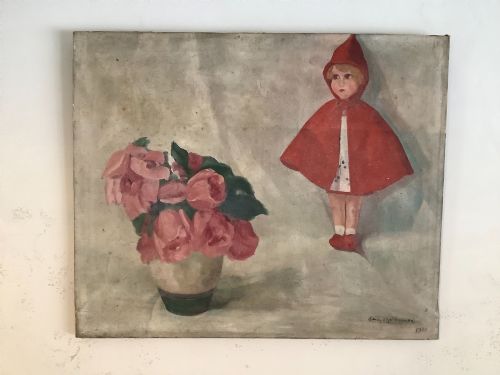
Expressionist still life art encompasses paintings created across various periods including the nineteenth century, the nineteen twenties, nineteen forties, nineteen fifties, and nineteen sixties. These works typically depict everyday objects, flora, fauna, and interior scenes through non-naturalistic colour palettes and energetic brushwork.
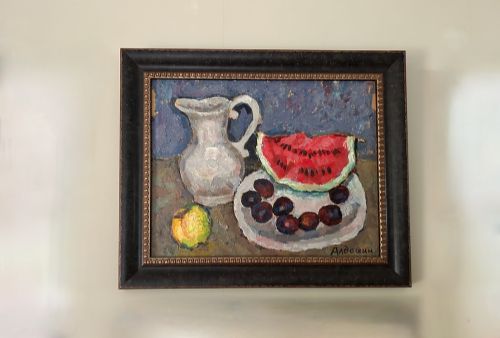
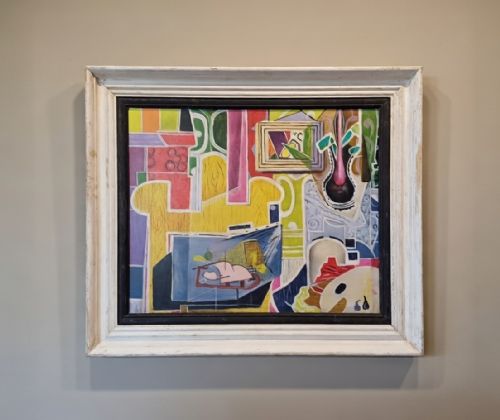
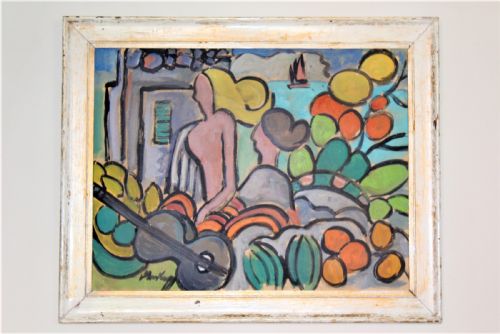
The selection ranges from naive surreal Flemish compositions and mid-century abstract arrangements to French fauve pieces and South African floral works. Buyers frequently encounter oil paintings on canvas alongside framed paper works featuring subjects such as melons, poppies, terracotta pots, rabbits, and wine glasses.
How they were made
The primary medium recorded across these works is oil paint applied to canvas, often supported by wooden stretcher frames or housed within wood frames behind glass. Artists utilised layered oil pigments to build texture and depth within subjects like vases of flowers and interior scenes.
Supports also include paper surfaces, while framing elements incorporate wood structures. The application of paint relies on visible, emotive strokes characteristic of expressionism and post-impressionism rather than smooth academic blending.
Artistic styles represented include expressionism, naive art, impressionism, modernism, and mid-century abstract movements.
What varies in quality
Quality separates through the confidence of the brushwork and the boldness of the compositional arrangement. Works by documented figures like Maud Frances Eyston Sumner, Markey Robinson, or Nahum Tschacbasov demonstrate distinct artistic vision compared to anonymous workshop pieces.
The cohesion between the application of oil paint and the structural integrity of the canvas or wood frame dictates the overall strength of each painting.
Vladimir Aldoshin·J.Milton·Maud Frances Eyston Sumner·Markey Robinson
The Expressionist Still Life Art Glossary
- Expressionism
- An artistic style where the artist seeks to depict subjective emotions rather than objective reality. It relies on distorted forms and striking colour choices.
- Still life
- A painting or drawing depicting a arrangement of inanimate objects. Common subjects include fruit, flowers, and domestic items.
- Canvas
- A closely woven fabric used as a surface for oil painting. It is typically stretched across a wooden frame.
- Fauve
- A style of painting characterised by strong colours and brushwork over representational values. It emerged in France during the early twentieth century.
Expressionist Still Life Art: Frequently Asked Questions
What subjects appear in expressionist still life art?
The works depict a range of domestic and natural subjects. Common motifs include melons, potted plants, vases of flowers, and game like rabbits and pheasants.
Artists also incorporate interior scenes, wine glasses, bottles, and occasional figurative elements alongside traditional tabletop arrangements.
How should I hang oil paintings on canvas?
These works require sturdy wall fixings suited to the weight of the wooden frame and canvas structure. Position them away from direct sunlight and excessive moisture to protect the oil paint.
Ensure the hanging height places the centre of the composition at eye level for optimal viewing within your interior space.
How do I identify a mid-century piece?
Mid-century works frequently display abstract tendencies and bold planar structures. The titles and dates often point towards the nineteen fifties and sixties.
Look for distinctive handling of oil paint on canvas that reflects post-impressionist and modernist influences from that era.
Are all these pieces painted in oils?
The majority of the listings utilise oil paint applied to canvas supports. Some examples incorporate paper or are housed within wood and glass frames.
Materials recorded across the archive include traditional pigments alongside wood and paper elements.