

Red Oil Painting
A red oil painting brings rich warmth and striking presence to a room, capturing garments, curtains, and natural subjects through centuries of artistic tradition.
Red Oil Painting
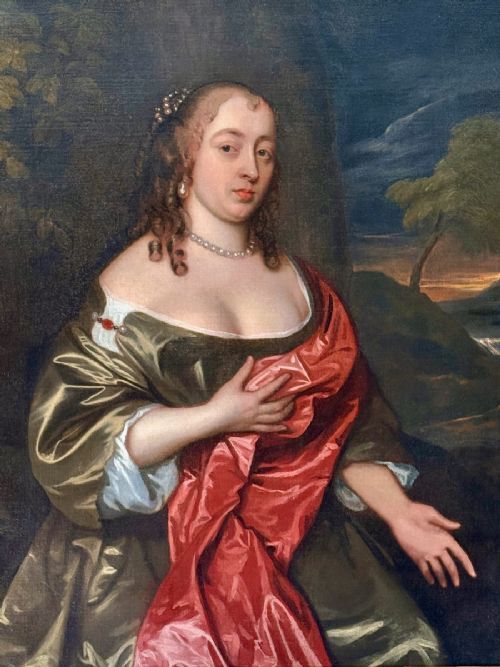
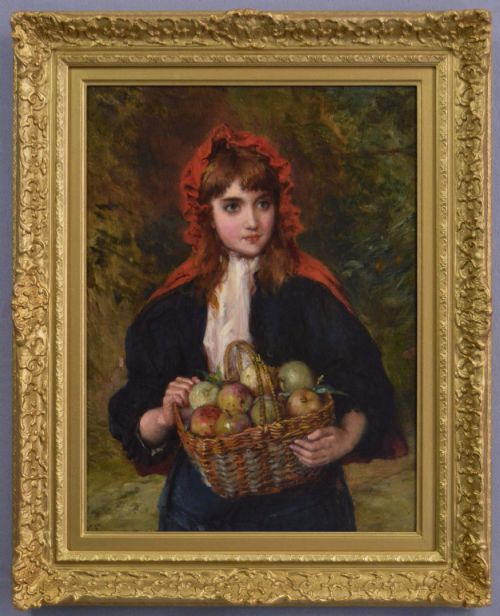
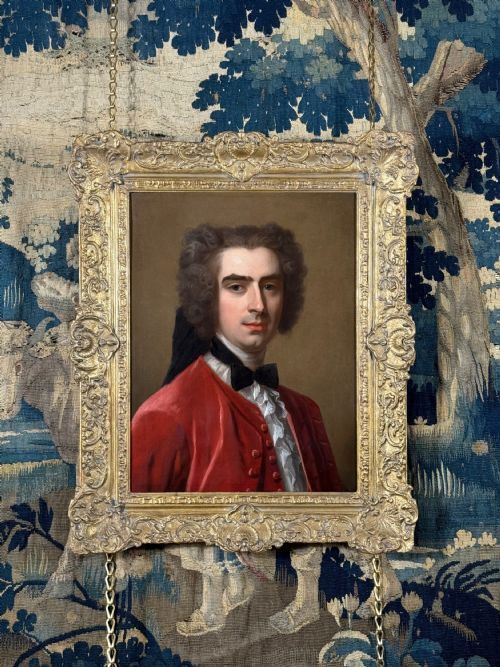
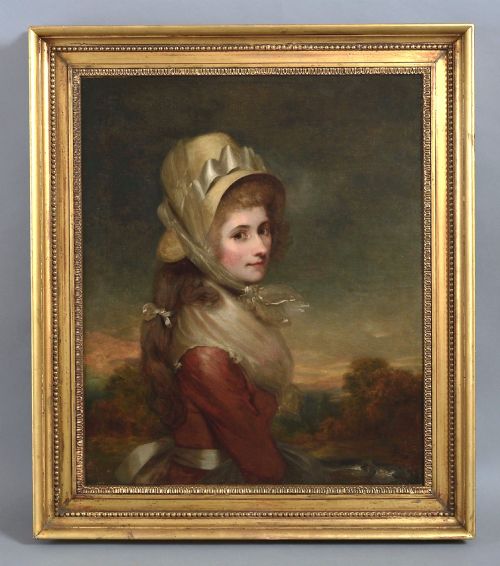
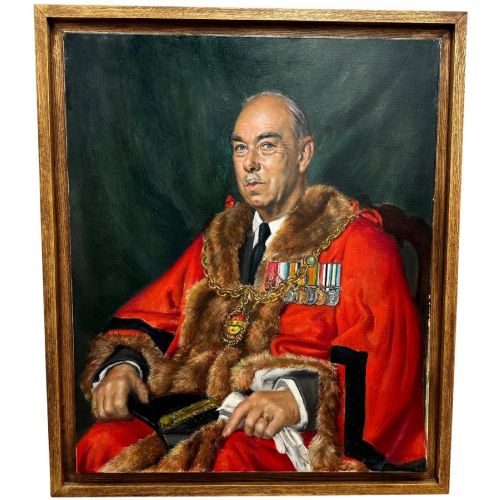
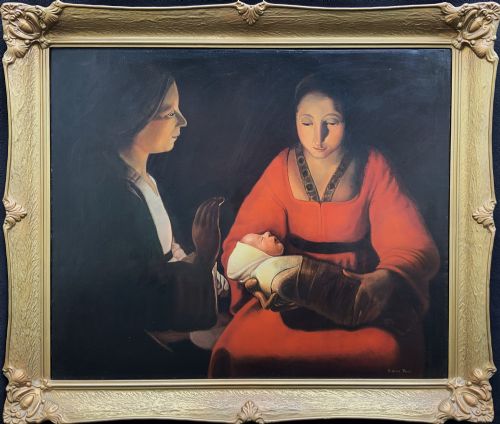
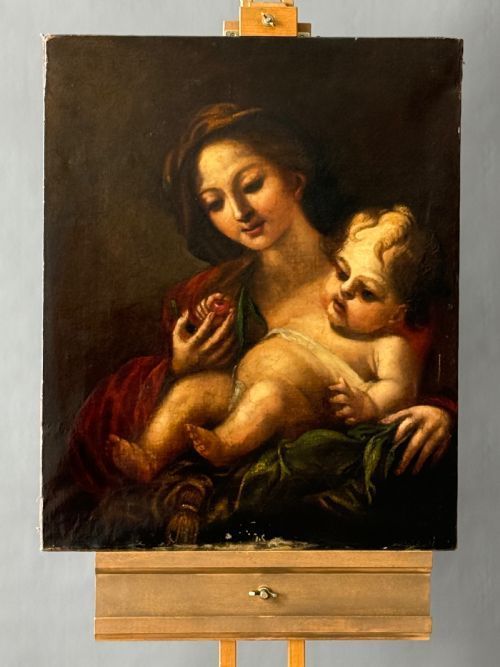
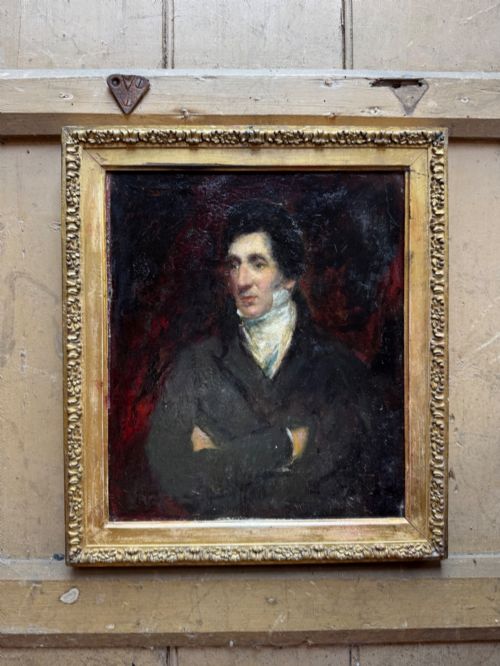
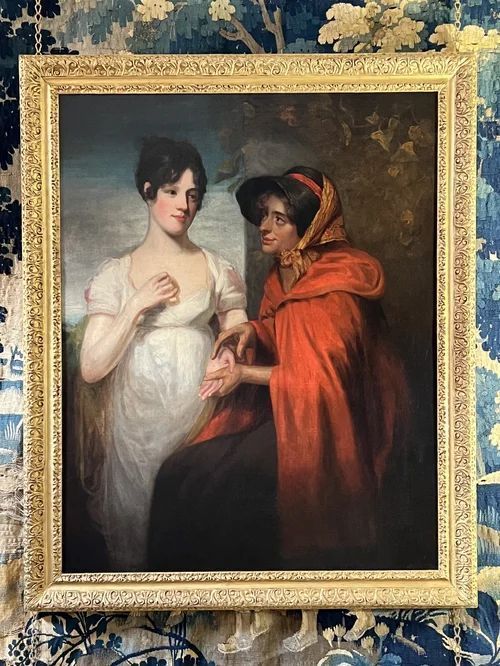
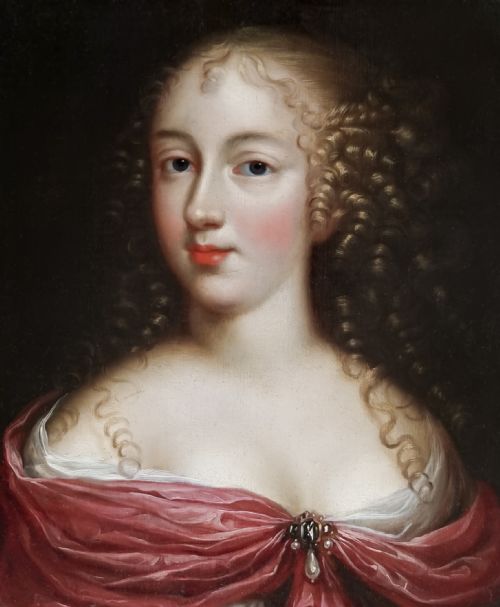
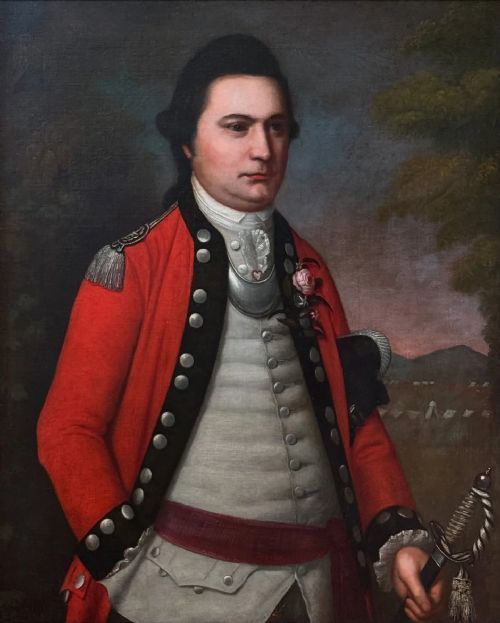
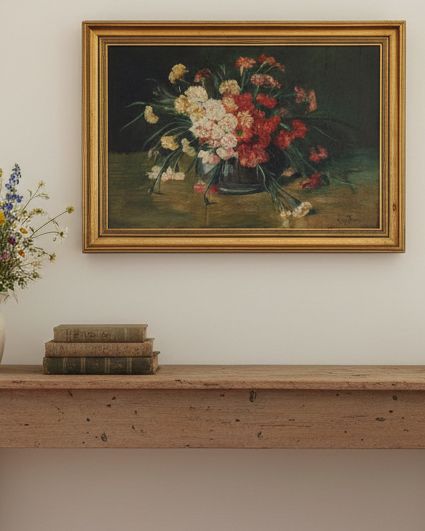
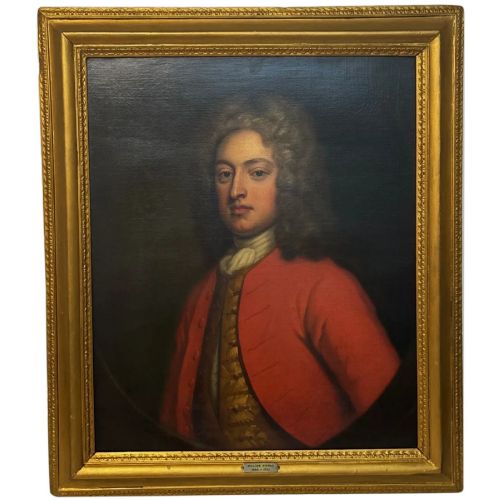
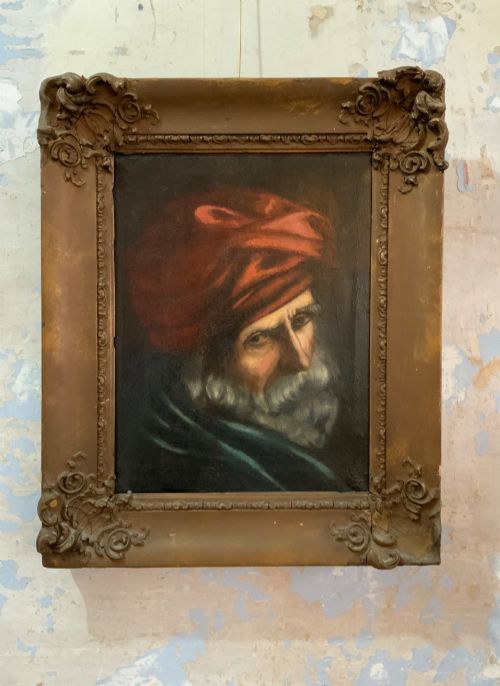
When you search for a red oil painting, you encounter works where crimson pigments, scarlet jackets, and rich drapery dominate the canvas. These pieces span portraiture, still life, and landscape, recording subjects from military officers to delicate florals.
The selection ranges from seventeenth-century portraits featuring distinct red sashes and coats to twentieth-century still life arrangements of berries and peonies. Most works utilise canvas or wood panel as a foundation, reflecting periods from the baroque era through to modern British realism.
How They Were Made
Artists applied oil paint suspended in drying oils onto stretched canvas or wooden panels, often building rich layers to achieve depth and luminosity. Giltwood frames frequently enclose these works, providing structural support and an ornate decorative boundary.
The technique relies on slow-drying pigments that allow painters to blend tones carefully, creating subtle shifts in shadow and light across fabrics like satin and silk. Guild traditions and studio practices passed down methods of priming surfaces to ensure longevity.
Listings feature canvas, wood, and card as primary supports, with oil and gouache serving as the main mediums across multiple centuries.
What Varies in Quality
The distinction between standard works and master creations lies in the precision of brushwork and the anatomical accuracy of the subject. Superior examples display masterful handling of light upon fabrics, capturing the exact sheen of silk or the heavy texture of wool.
Provenance and attribution heavily influence the standing of a piece, with documented lineage connecting a canvas to a recognised school or master elevating its historical importance. The preservation of the original paint layer without extensive modern overpainting determines the integrity of the surface.
John Hayls·Jean-Baptiste Van Loo·Sir Martin Archer Shee·Bernard Hailstone·Georges de La Tour·John Opie·Pierre Mignard·Stickland Lowry·Mary Beale·Sir Joshua Reynolds·Sir James Campbell·Charles-Antoine Coypel·John Wootton·Thomas Hudson·Sir Thomas Lawrence·John Greenhill·Jonny Gaston·Allan Ramsey·Bernardino Luini·Charles Jervas·Lucy Pratt·Emma Fordyce MacRae·Winifred Rymer·Ian Parker·William Oliver
The Red Oil Painting Glossary
- Baroque
- A European style of art spanning the seventeenth and early eighteenth centuries characterised by dramatic movement and grand scale. This aesthetic emphasises exuberant detail and deep contrast between light and shadow.
- Giltwood
- Wood that has been coated with a thin layer of gold leaf or gold paint. This material is commonly found framing antique canvases to enhance their visual weight.
- Provenance
- The chronology of the ownership, custody, or location of a historical object. Clear documentation establishes authenticity and historical context.
- Still life
- A work of art depicting mostly inanimate subject matter, typically commonplace objects. These compositions often focus on natural items like fruit, flowers, or gathered harvests.
- Oil on canvas
- Pigment mixed with an oil medium applied to a stretched woven fabric support. This combination offers flexibility and durability over centuries.
Red Oil Painting: Frequently Asked Questions
What periods do these paintings come from?
The available works span several centuries, starting from the seventeenth century and extending through the Georgian, Victorian, and mid-twentieth-century eras.
Collectors can find distinct styles reflecting artistic shifts from baroque portraiture through to modern realism and twentieth-century still life compositions.
How should I care for an antique oil painting?
Keep the canvas away from direct sunlight, extreme temperature fluctuations, and high humidity to prevent the paint layers from cracking or warping.
Dust the surface gently with a soft, dry brush and avoid applying liquid cleaners or solvents directly to the painted areas.
What subjects are common in these works?
Portraits dominate the selection, often depicting military officers, gentlemen in scarlet jackets, and ladies adorned in rich garments or holding baskets of fruit.
Still life arrangements featuring red berries, roses, and lobsters alongside coastal and river landscapes also appear frequently across the inventory.
Are the frames original to the pieces?
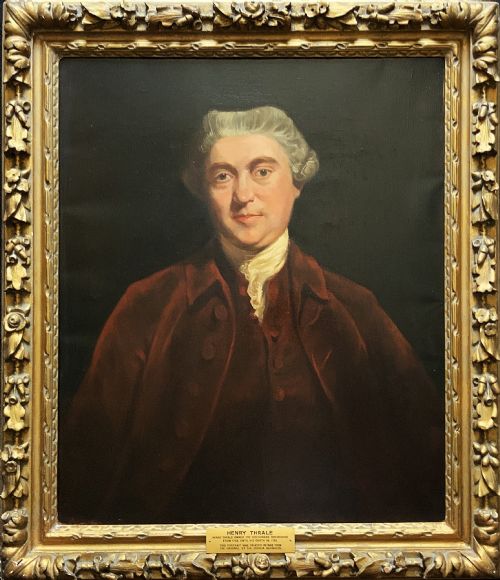
Many older works retain period frames, such as carved giltwood enclosures that match the era of the canvas.
Some paintings have been reframed over time to suit changing interior aesthetics while still protecting the edges of the original fabric.