



Vintage Original Oil Artwork
Vintage original oil artwork brings tactile depth and rich pigment into a room, offering genuine hand-painted character from past centuries.
Vintage Original Oil Artwork
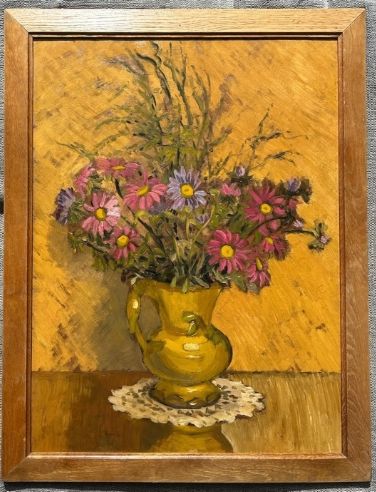
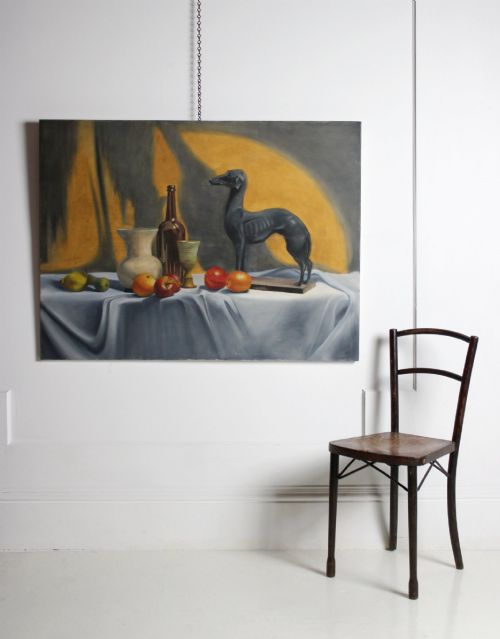
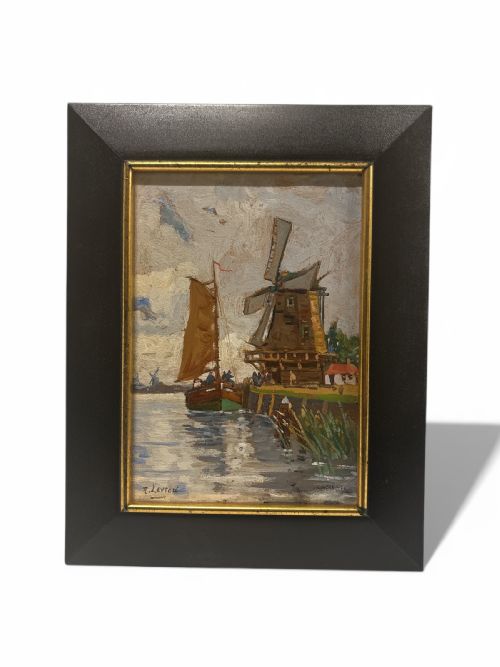
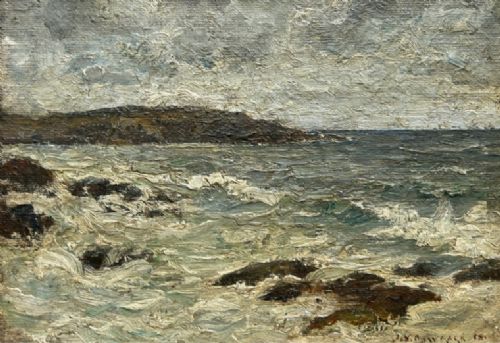
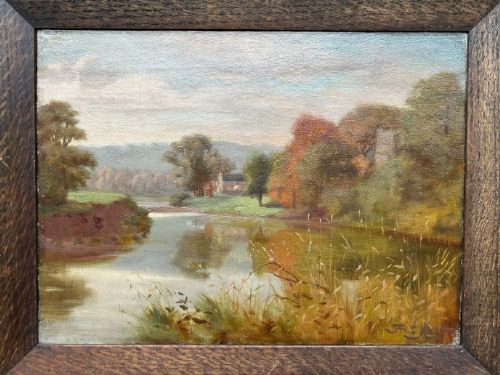
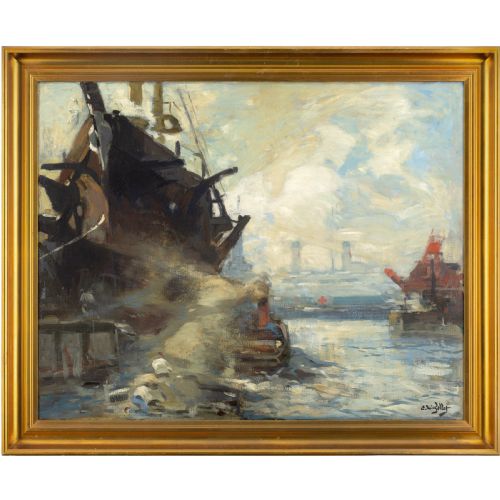
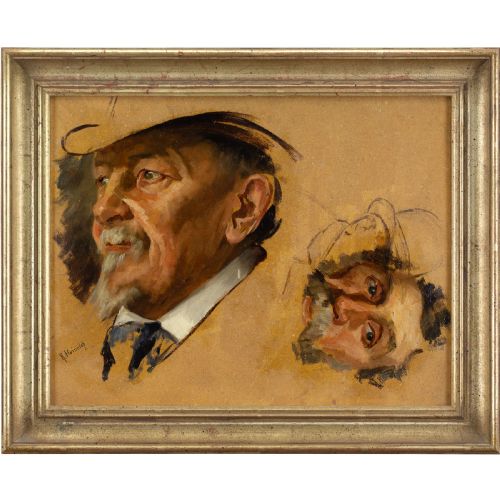
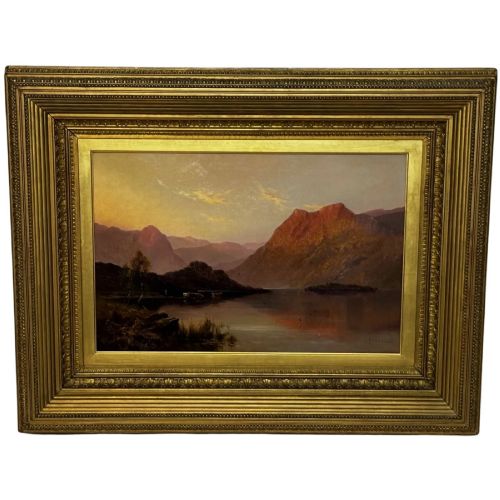
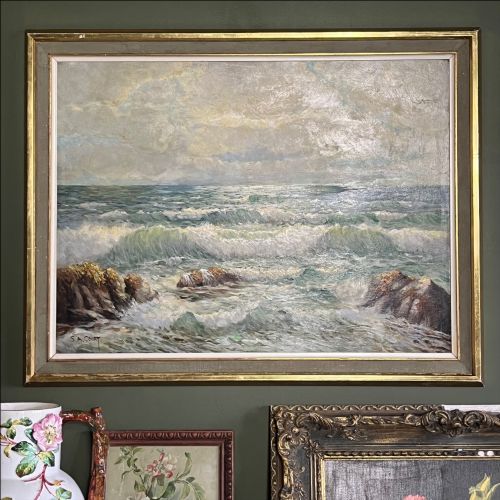
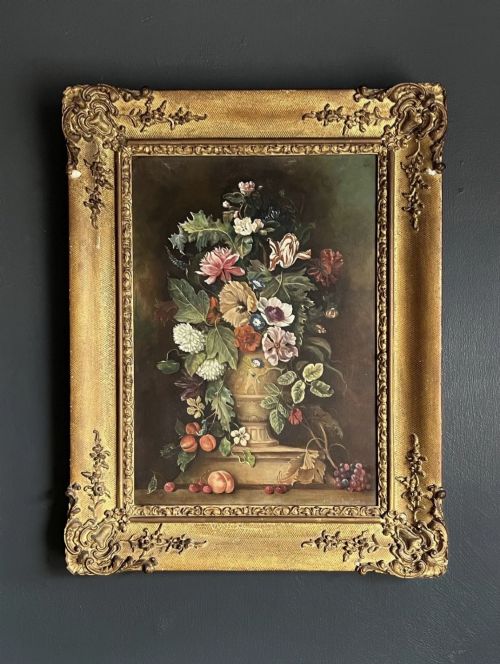
When you search for vintage original oil artwork, you encounter painted compositions spanning from the late nineteenth century through to the mid twentieth century. These pieces encompass varied subjects, including maritime scenes, floral still lifes, rustic landscapes, and expressive portraiture.
The selections available here lean heavily toward mid twentieth century examples and early twentieth century works, alongside nineteenth century canvases. Subjects range from British landscapes and coastal views to French and Dutch village scenes.
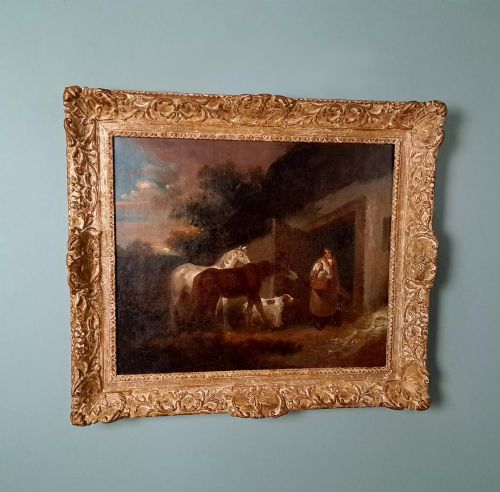
Forms vary from traditional rectangular canvases to wooden panels, board supports, and gilt-framed wall art. Each object represents a distinct painterly approach, from impressionistic brushwork to carefully rendered fine art painting.
Materials and construction methods
Painters applied oil paint onto surfaces such as stretched canvas, wooden panels, and sturdy boards, often building up rich impasto textures. These mediums allowed artists to manipulate light and shadow with slow-drying pigments that retained distinct brush marks.
Many works incorporate original wooden frames embellished with gilt gesso detailing, which complement the painted surface. The combination of durable oil paint and supportive grounds has ensured the survival of these artworks across decades.
Vintage Original Oil Artwork Retail Price Guide 2026
Typical asking prices for vintage original oil artwork among the pieces listed under this phrase on Sellingantiques today, from the lower quarter to the upper quarter. They describe what is for sale here now, not the wider market.
Several artists captured fleeting moments in fields and coastal towns, inadvertently preserving long-gone British barges and French street corners for modern wall art admirers.
Assessing quality in painted works
Quality rests upon the confidence of the brushwork and the artist's handling of light, colour, and composition within the scene. Superior works display a deliberate command of tone that draws the viewer into the narrative of the landscape or portrait.
The integrity of the surface materials also marks distinction, where stable paint layers and well-preserved canvases or wooden boards maintain the original visual impact without heavy modern restoration.
Kenneth Cozens·R Leyton·William H Myers·Tom Campbell·Clifford Hanney·Frederick Marriott·Eugène-Louis Gillot·Robert Heinrich·William Joseph Shayer Senior·Alfred Fontville de Breanski Jr·Sidney A Court·Kershaw Schofield·George Houston·Thomas W Lascelles·Gabriel Mathieu·Arthur Gué·Alfred Lyndon Grace·G J S Bary·Charles Houben·Alfred Pollentine·Mark Ingram·Albert Clark·Antonio DeVity·Clive Browne
The Vintage Original Oil Artwork Glossary
- Oil paint
- A slow-drying medium composed of pigments suspended in a drying oil, typically linseed. This formulation allows artists to blend colours smoothly and build thick, textured layers.
- Impasto
- Paint applied thickly to a canvas or board, standing out in relief from the plane. This technique adds physical dimension and tactile presence to the artwork.
- Gesso
- A plaster-like mixture applied to wooden panels or frames as a base for painting or gilding. It provides a smooth, stable ground for the final layers.
- En plein air
- A French expression describing the act of painting outdoors. Artists capture natural light and atmospheric conditions directly from their surroundings.
- Provenance
- The documented history of ownership surrounding an artwork. It establishes authenticity and traces the journey of the piece through time.
Vintage Original Oil Artwork: Frequently Asked Questions
How do I clean an oil painting?
Dust the surface gently with a soft, dry brush to remove loose particles without pressing into the paint layer. Avoid using water, household cleaners, or cloths that might snag on impasto ridges.
For deeper cleaning or stubborn grime, consult a professional art conservator. Improper cleaning solvents can permanently strip or dissolve historic oil glazes.
Should oil paintings be framed under glass?
Traditional oil paintings on canvas generally do not require glass protection, as the curing oil paint breathes and responds to ambient room conditions. Framing without glass allows the natural texture of the brushwork and canvas weave to remain fully visible.
Works executed on paper or delicate board supports, however, sometimes benefit from professional framing behind UV-filtering glass to prevent environmental degradation.
How can I date an oil painting?
Examine the reverse of the piece for artist signatures, exhibition labels, inscriptions, or stamps on the canvas and stretcher bars. The style of the frame and the physical composition of the board or canvas can also offer chronological clues.
Stylistic elements like clothing in portraits or architectural details in landscapes often narrow down the decade of creation. Comparing techniques with documented works from known periods helps confirm the timeline.
Where should I hang vintage art?
Select an interior wall that receives stable, indirect lighting to protect the oil pigments from excessive heat and direct UV exposure. Keeping artworks away from radiators and damp areas preserves the structural integrity of the wood and canvas.
Allow enough surrounding wall space for the composition to breathe so the framing and scale anchor the room effectively. Eye level placement generally offers the most comfortable viewing angle for detailed brushwork.