


Green Canvas Landscape Art
Green canvas landscape art brings together centuries of painted rural views, woodland scenes and coastal vistas.
Green Canvas Landscape Art
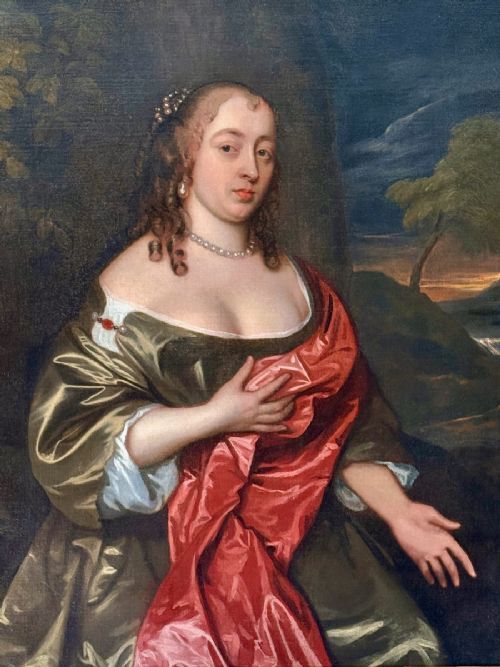
Green canvas landscape art encompasses original oil paintings on canvas depicting natural scenery, ranging from romantic nineteenth-century countryside views to mid-twentieth-century pastoral compositions. When searching for green canvas landscape art, buyers encounter works executed in oil paint on woven fabric supports, often housed within period wood or giltwood frames.
The selection draws on British, Scottish, and European traditions, including British Impressionism, Post-Impressionism, and Victorian Realism. Pieces span several eras, from the seventeenth and eighteenth centuries through the Victorian period, Edwardian decades, and into the mid-twentieth century.
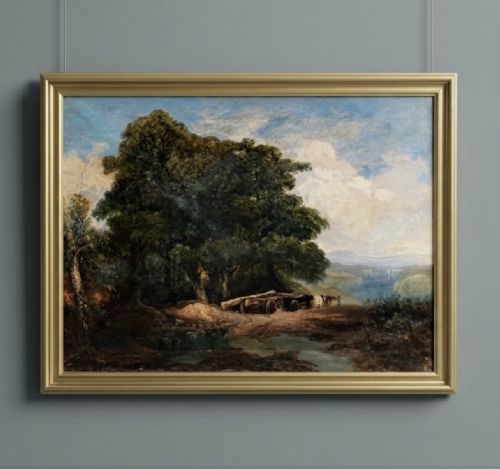
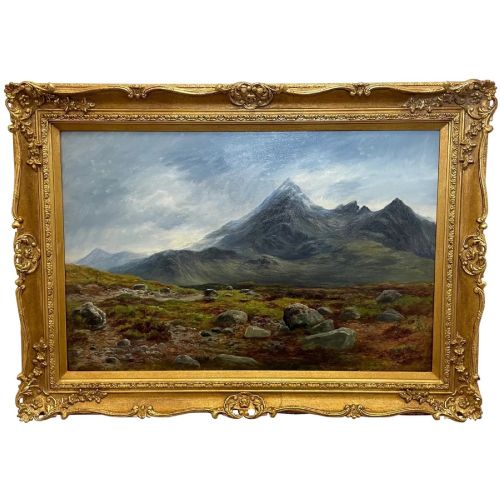
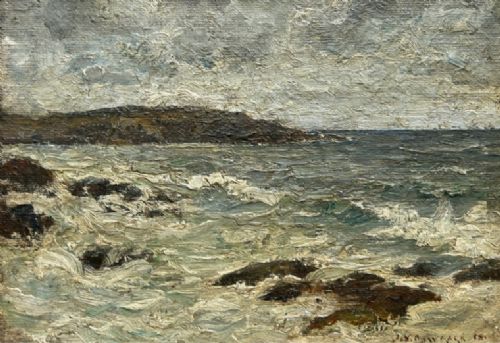
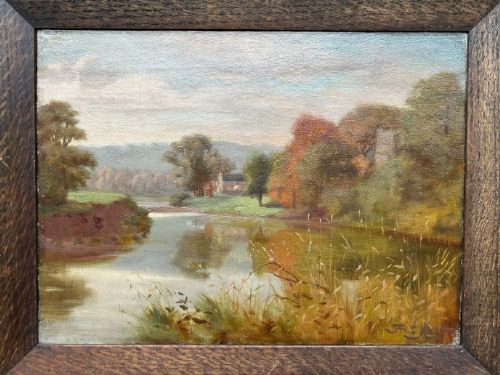
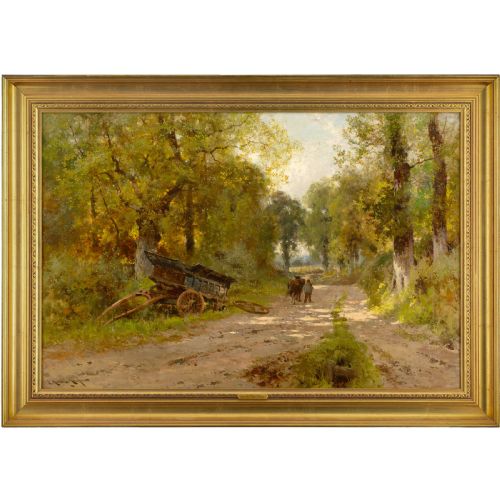
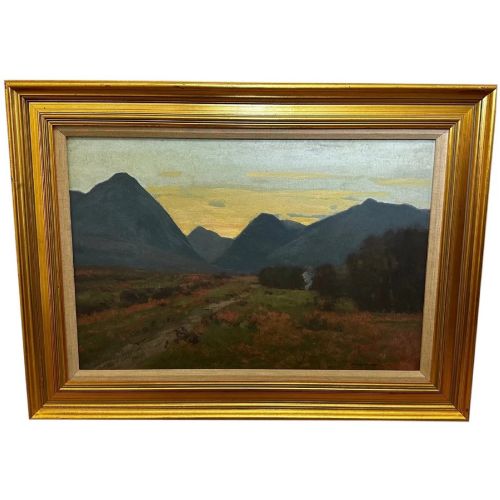
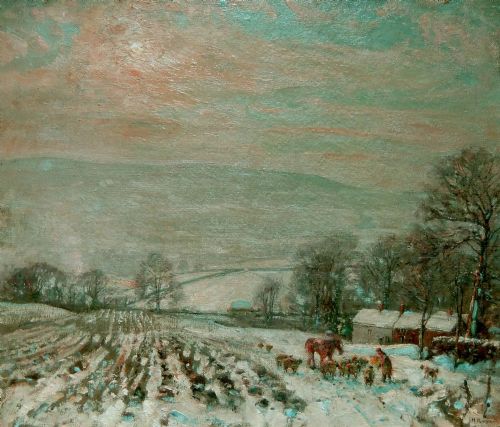
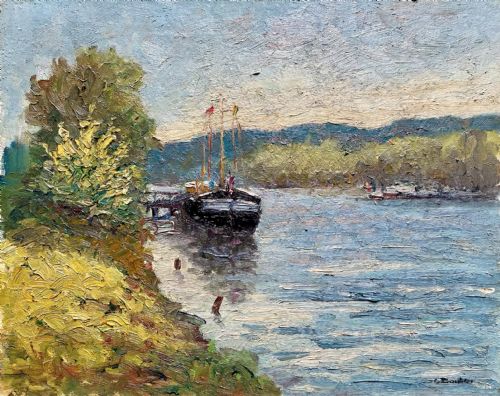
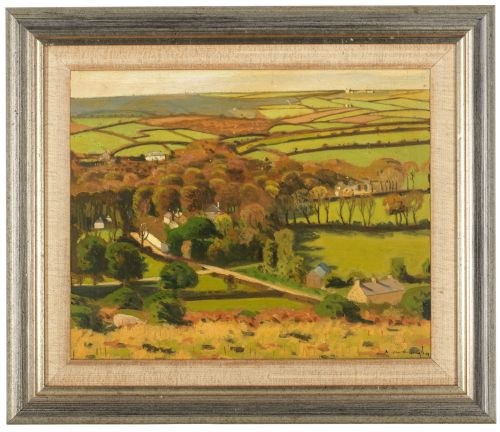
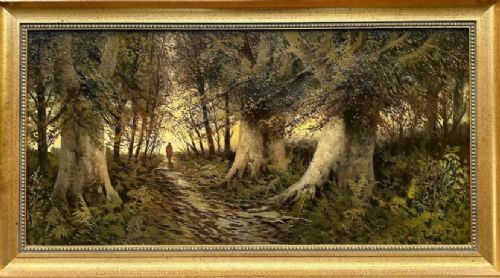
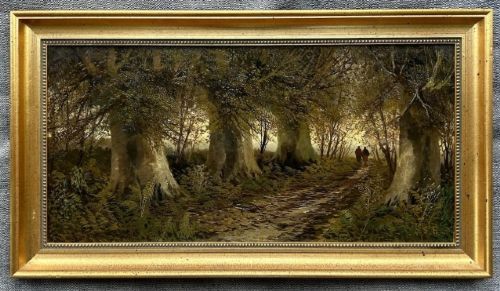
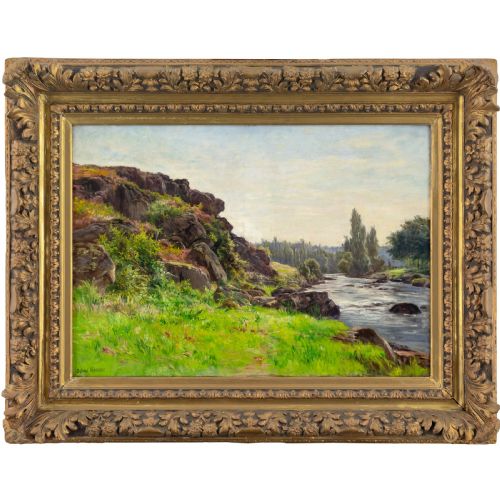
Most examples concentrate on outdoor subjects such as riverbanks, woodlands, meadows, and mountainous terrain where verdant pigments dominate the palette. These paintings record changing light, seasonal foliage, and agricultural or pastoral life across rural Britain and continental Europe.
How they were made
Painters applied oil paint directly onto stretched canvas supports, sometimes utilising wood panels or heavier woven grounds depending on the period. The technique involved building up layers of pigment to capture texture in foliage, water, and earth.
Listings feature works spanning from the seventeenth century to the mid-twentieth century, executed primarily in oil on canvas.
What varies in quality
Quality rests upon the artist's handling of tone, depth, and spatial relationships within the composition. Masterly brushwork and confident draftsmanship separate accomplished academic or impressionist works from standard decorative student pieces.
The preservation of the original canvas and the stability of the oil paint layers determine the long-term integrity of the artwork. Finer examples retain their original stretched support and retain luminosity in the pigments without excessive overpainting.
Richard Sebastian Bond·William Beattie-Brown·William H Myers·George Houston·Herbert Royle·Robert Morson Hughes·Thomas W Lascelles·David Bates·Benjamin Barker Of Bath·Walter Heath Williams·Antonio DeVity·Lucy Pratt·Raymond Booth·Harald Foss·Alfred Wolmark·Eric Brown·Henri Ottmann·Richard Redgrave·Ernest Higgins Rigg·Peter Newcombe·Sir Alfred East·Henry H Parker·Cecil Allan Mould
The Green Canvas Landscape Art Glossary
- Canvas
- A heavy woven fabric stretched across a wooden frame to serve as a painting surface. It provides the primary support for oil paintings across multiple centuries.
- Impasto
- Paint applied thickly to a canvas so that the brush or palette knife marks stand proud of the surface. This technique adds tactile depth and catches natural light.
- Giltwood
- Wood carved and coated with a thin layer of gold leaf or metallic gold paint. It forms the decorative framing surrounding many traditional landscape oils.
- Post-Impressionism
- An art movement following impressionism that explored emotional and structural responses to nature through bold colour and form. Practitioners abandoned strict naturalism in favour of personal expression.
- Pentimento
- An alteration in a painting where previous brushstrokes show through the upper layers of paint as the medium ages. It reveals the artist's evolving composition during creation.
Green Canvas Landscape Art: Frequently Asked Questions
What periods do these paintings cover?
The available artworks span from the seventeenth century through the Victorian and Edwardian eras up to the mid-twentieth century. This wide chronological range encompasses various regional schools and evolving artistic movements.
Earlier pieces often reflect classical or romantic traditions, while twentieth-century examples lean towards impressionist and modernist interpretations of the countryside.
Are these paintings original works?
The inventory consists entirely of original oil paintings executed by hand on canvas or wood supports. Each piece represents a unique creation by an identified or historical school artist rather than a modern print reproduction.
Signatures appear on numerous examples, while others represent documented works from specific British and European artistic traditions.
How should I care for an oil painting on canvas?
Keep canvas paintings away from direct sunlight, high humidity, and rapid temperature fluctuations to prevent the paint from cracking and the fabric from sagging. Dust the surface gently with a soft, dry brush without applying pressure.
Avoid using liquid cleaners or touching the paint layer directly, as oils remain sensitive to moisture and chemical agents over time.
What subjects appear in these landscapes?
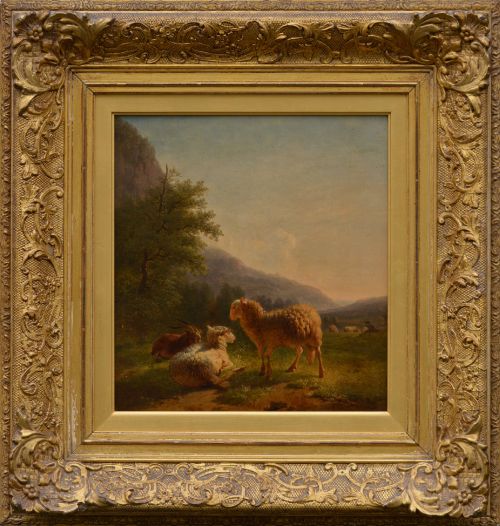
Common subjects include rivers, woodlands, pastoral fields with livestock, coastal views, and mountainous terrain. Artists frequently captured seasonal changes, from spring blossoms and summer foliage to autumn harvests and winter feeding scenes.
Human figures occasionally populate the foreground, engaging in rural labour, walking, or fishing near rivers.