



Traditional Scottish Wall Art
Traditional Scottish wall art brings highland landscapes, lochs and intimate rural scenes straight to your room.
Traditional Scottish Wall Art
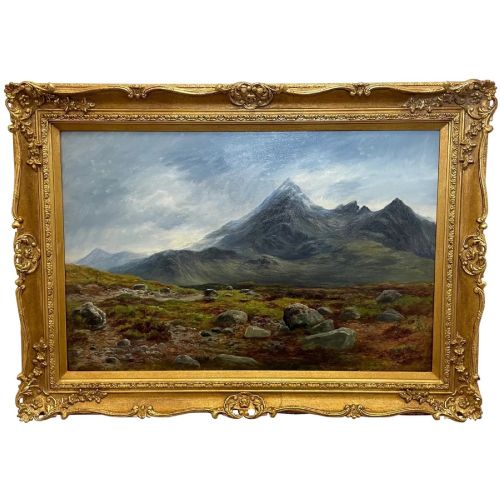
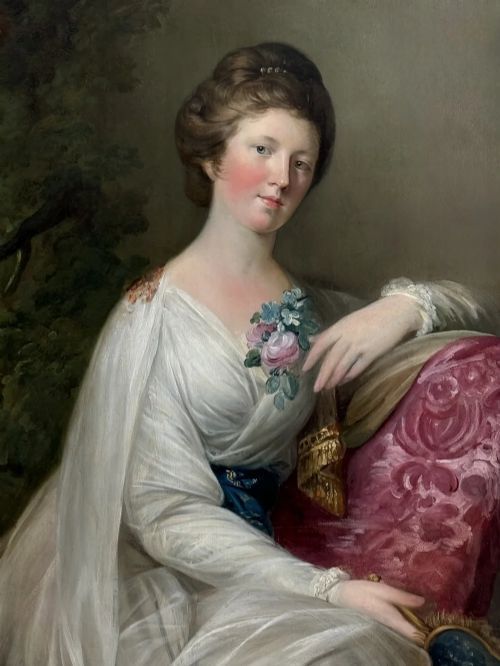
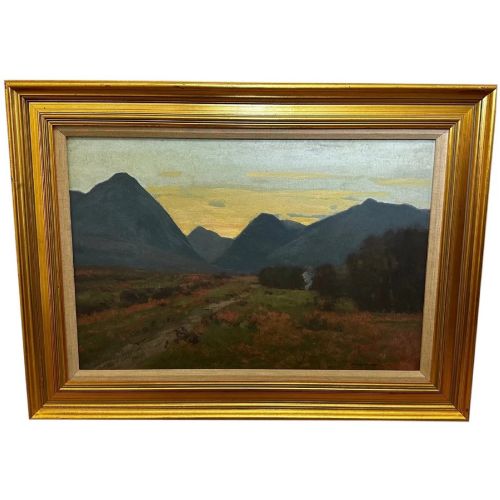
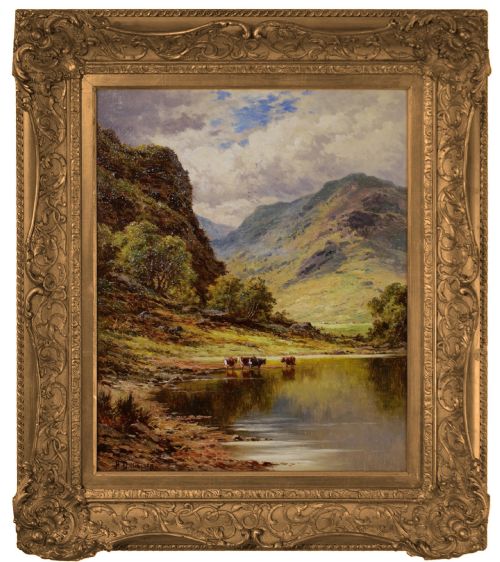
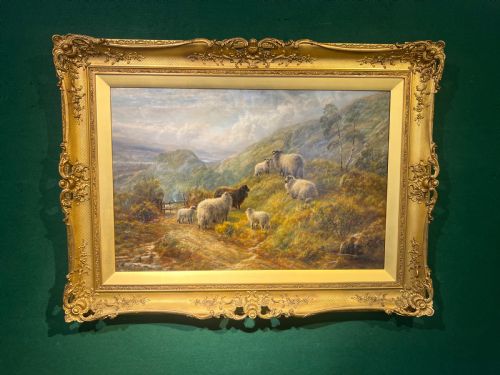
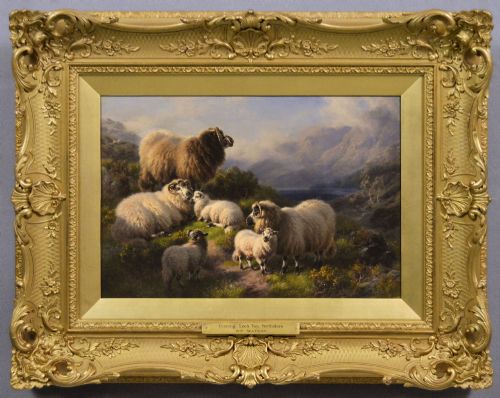
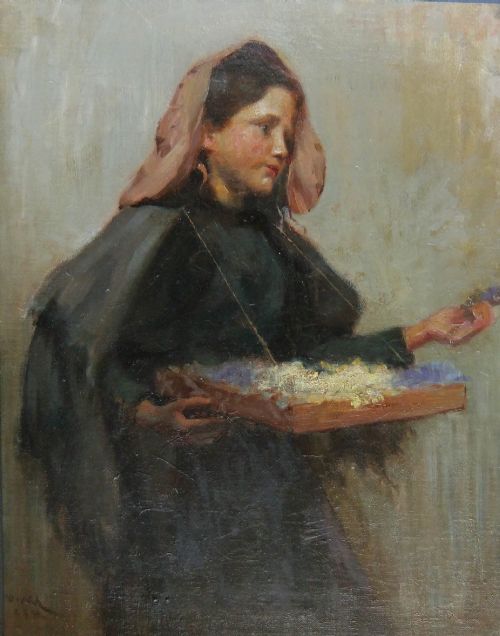
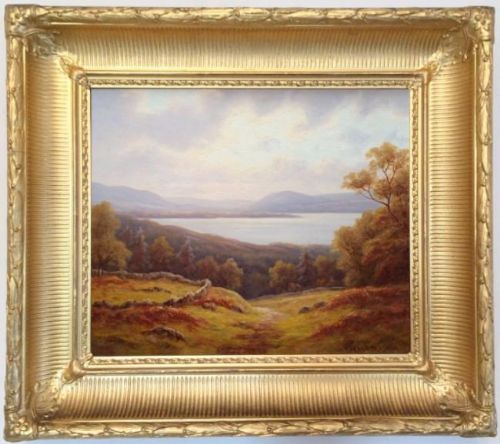
Traditional scottish wall art centres on oil paintings and framed artwork depicting highland landscapes, loch views, and rural scenes. You will find works spanning from the eighteenth century through the Victorian era into the early twentieth century.
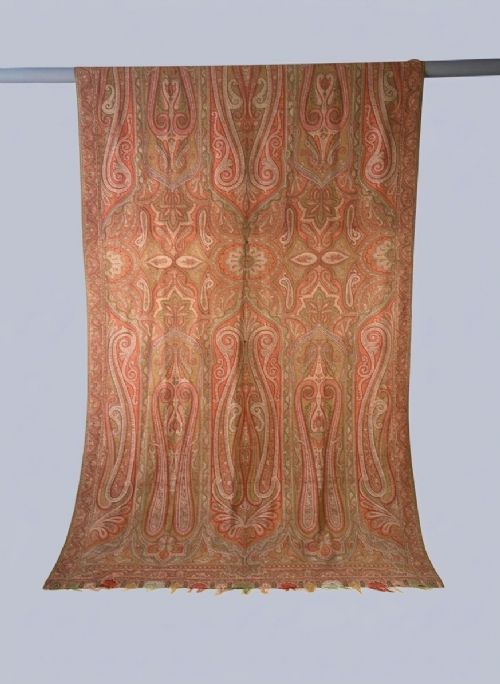
The subjects range from tranquil waters and mountain peaks to pastoral settings featuring sheep and cattle. Alongside paintings on canvas and wood panel, the selection includes textiles such as wool shawls.
Many pieces capture the distinct character of Scottish locations like Skye, Loch Lomond, and the Grampians. These works reflect regional schools and impressionist movements that flourished across the nineteenth and twentieth centuries.
Materials and construction
The works rely primarily on oil paint applied to canvas, wood panel, or board. Artists also utilised gouache on paper and woven wool for textile pieces.
Canvases and panels frequently sit within period gilt wood frames that complement the painted composition. The physical support often shows age through craquelure and stretcher marks consistent with nineteenth and early twentieth century studio practices.
Several highland scenes include remarkably stubborn sheep that refuse to move out of the artist's imagined pathway.
Variations in quality
Quality rests on the handling of light, atmospheric depth, and brushwork within the landscape. Works by established academy painters demonstrate superior command over composition and detail compared to anonymous school pieces.
The preservation of the original paint surface and the matching period frame strongly influence the overall integrity of a piece. Finer examples maintain crisp signatures, stable pigment layers, and minimal past restoration.
William Beattie-Brown·Tom Campbell·George Willison·George Houston·Henry H. Parker·Robert Watson·William Watson Jnr·William Watt Milne·Everett Watson Mellor·Archibald Kay·W.E. Evans·Frank Hider·William Grant Murray·John A. Houston·Joseph Farquharson·James Bell Anderson·Sidney Yates Johnson·John Charles Tunnard·Nasmyth·Alfred de Breanski Snr·AJ Thornton·Owen Bowen·Denys Garle·Benjamin Williams Leader·Charles Jones
The Traditional Scottish Wall Art Glossary
- Oil on canvas
- Pigments suspended in a drying oil applied to a stretched woven fabric support. This traditional medium allows for rich blending and textured brushwork.
- Gilt wood
- Timber frames coated in a thin layer of gold leaf or metallic gilt paint. They provide an ornate decorative border suited to period paintings.
- Wood panel
- A flat wooden board used as a rigid painting surface. Artists often favoured panels for smaller landscapes and detailed studies.
- Gouache
- An opaque water-based medium mixed with a gum binder. It produces matte, vibrant colour areas on paper supports.
- Scottish School
- A collective term for artists working in Scotland or influenced by Scottish landscapes and academic traditions. These painters shared stylistic approaches to light and terrain.
Traditional Scottish Wall Art: Frequently Asked Questions
How do I date a Scottish landscape painting?
Dating relies on stylistic clues, stretcher construction, and artist signatures where available. Nineteenth-century works often feature heavy gilt frames and romantic interpretations of highland light.
Examining the canvas backing and any inscriptions can also reveal exhibition dates or previous owner details that narrow down the period.
What subjects are most common in these artworks?
Highland scenery dominates the genre, featuring lochs, mountains, and cattle or sheep grazing by rural bothies. Coastal views and river scenes also appear frequently.
Painters captured the changing weather and dramatic skies characteristic of regions like the Scottish Borders and the Isle of Skye.
Are these paintings usually signed by the artist?
Many works bear the artist's signature, either clearly legible in a corner or accompanied by exhibition labels on the reverse. Signed pieces often link directly to recorded members of Scottish academies.
Unsigned pieces still emerge, typically catalogued under the broader Scottish School due to their distinct regional style and technique.
How should I care for an oil painting on canvas?
Keep paintings away from direct sunlight and fluctuating humidity to prevent the canvas from sagging and the paint from cracking. Gentle dusting with a soft, dry brush maintains the surface.
Avoid using water or chemical cleaners on the paint layer or the gilt wood frame to preserve the original finish.