
Antique Mountain Landscape Art
Antique mountain landscape art captures rugged terrain and dramatic peaks through traditional painting and sculpture.
Antique Mountain Landscape Art
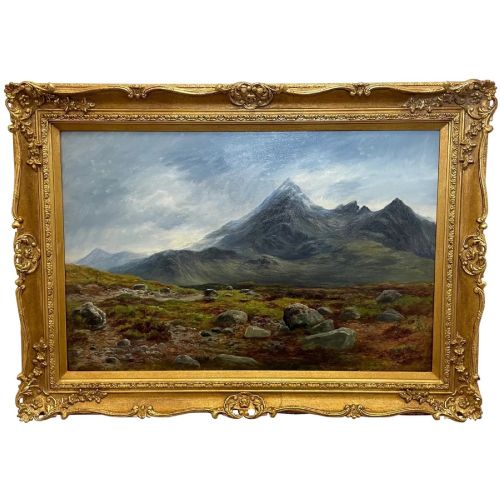
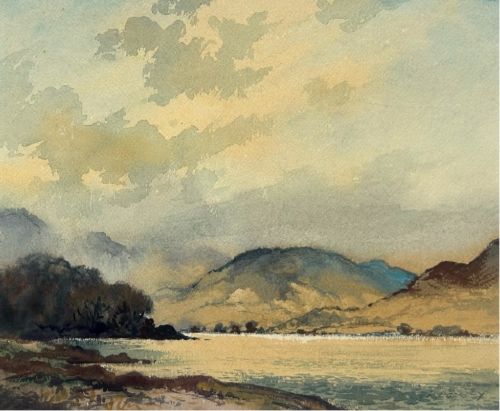
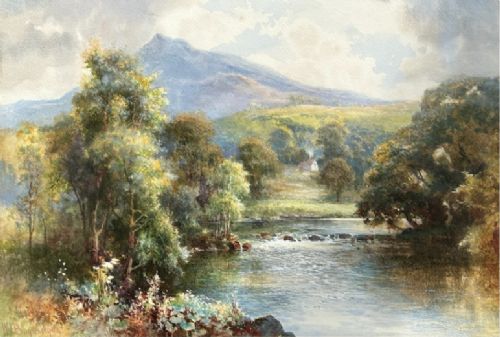
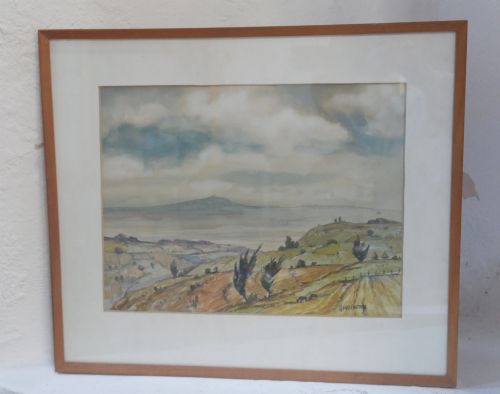
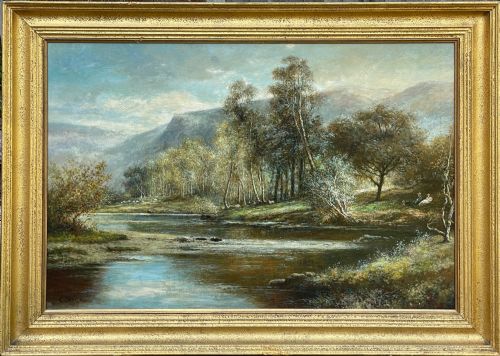
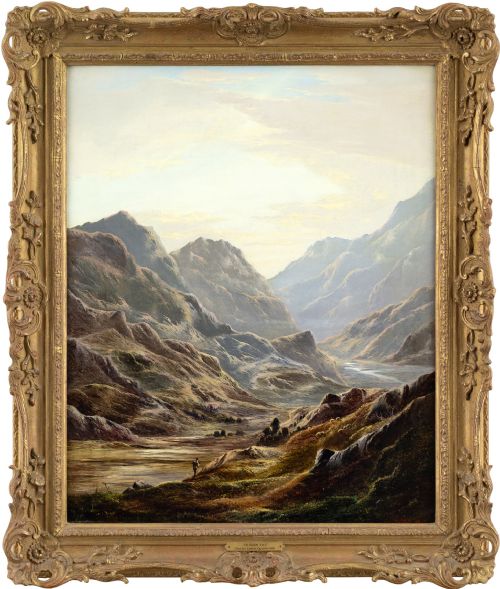
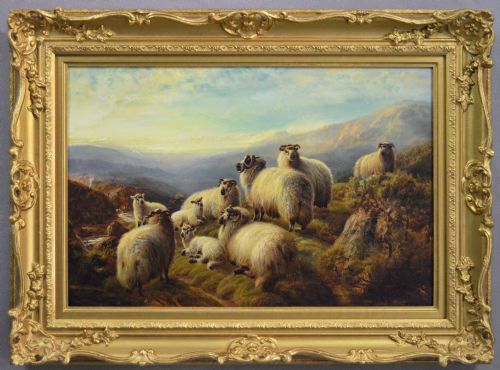
Antique mountain landscape art encompasses oil paintings, watercolours, and carved sculptures depicting dramatic peaks and valleys. Buyers exploring antique mountain landscape art frequently encounter 19th-century British and Scottish scenes alongside Continental views. These works record regional topography from Wales, Scotland, and the Alps with academic precision and romantic sentiment.
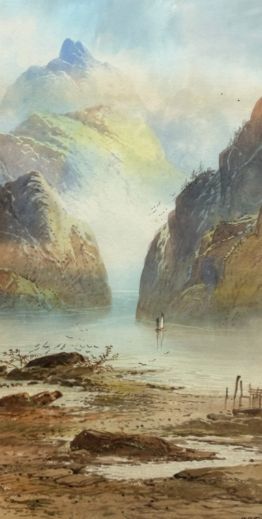
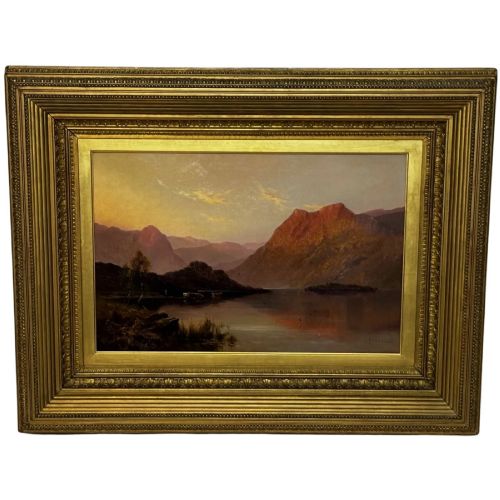
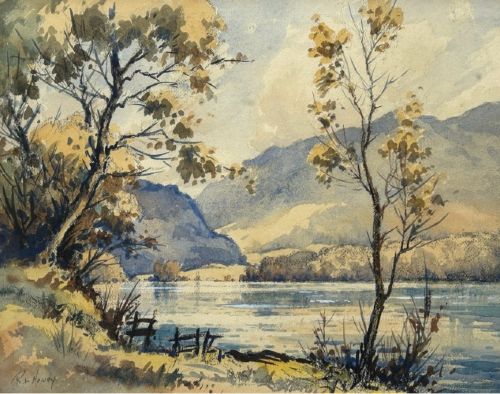
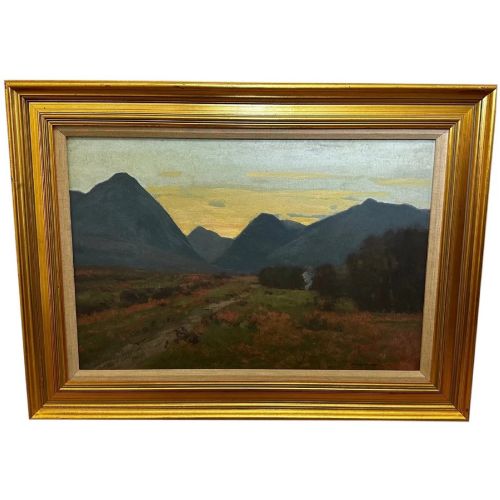
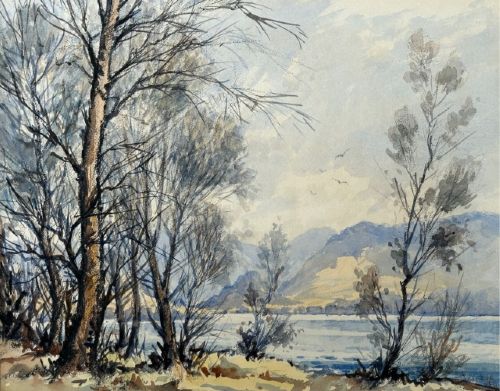
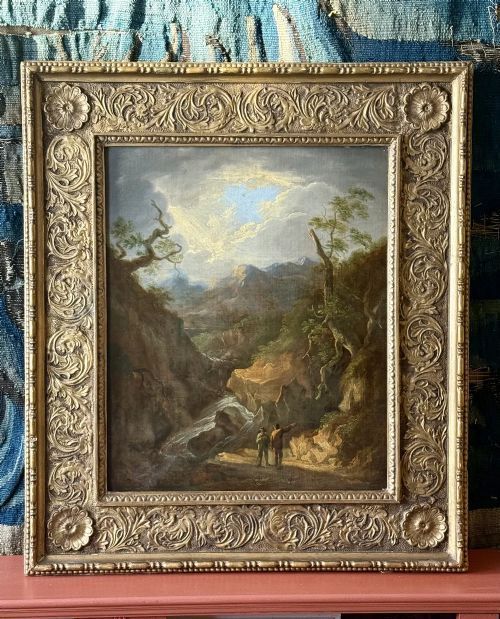
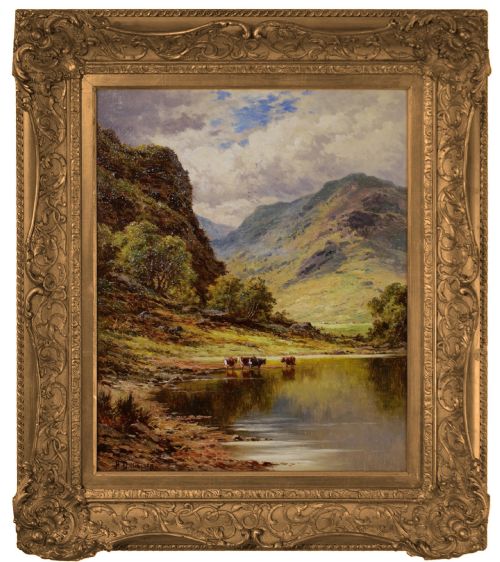
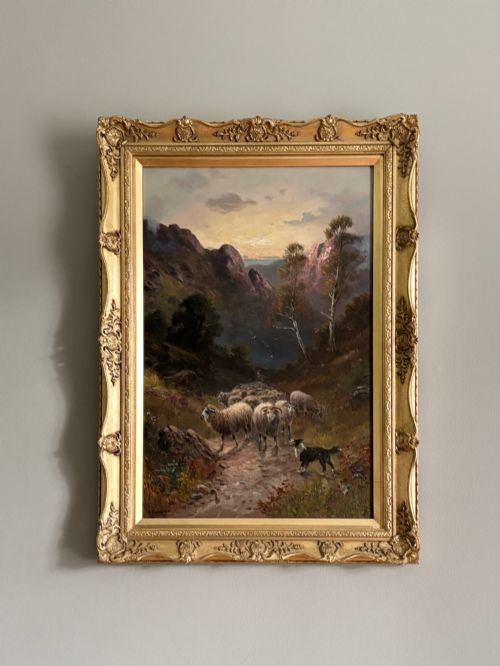
Canvases and panels dominate the selection, often housed in original giltwood frames that complement the composition. Watercolours on paper offer a more intimate scale, frequently detailing specific river valleys and mountain passes. Sculptural interpretations in jade demonstrate how craftsmen rendered topographic elevations in hardstone.
Materials and Methods
Artists built up oil on canvas or panel using layered pigments to achieve depth in distant mountain ranges and atmospheric skies. Watercolours on paper rely on transparent washes to capture the changing light over lakes and crags. Giltwood and gesso frames provide structural housing, utilising carved ornamentation suited to the period.
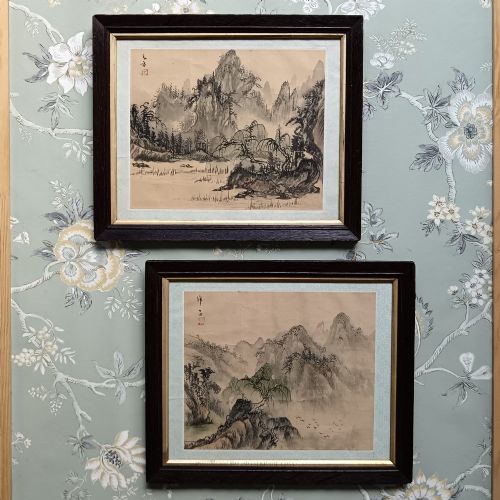
Carved jade mountain sculptures involve meticulous reduction of hardstone, mounted on bespoke hardwood stands to display the intricate relief. Pigments applied to silk appear in traditional Chinese Shan Shui compositions, utilising fluid brushwork for mist and craggy outcrops.
Listings feature 19th-century oil paintings and watercolours depicting British, European, and Asian mountain landscapes on canvas, paper, and silk.
Distinctions in Quality
Superior works demonstrate confident handling of light and atmospheric perspective, creating convincing spatial depth between foreground figures and distant summits. Weaker examples rely on formulaic foliage and static compositions that lack topographical conviction.
The integration of the artwork with its original period frame indicates higher preservation standards. Exceptional pieces combine documented artistic provenance with skilled draughtsmanship in capturing specific geological formations.
William Beattie Brown·William Henry Earp·George Houston·Benjamin Barker of Bath·Henry H Parker·Charles Leslie·Robert Watson·Henry Martin Pope·Sidney Richard Percy·Thomas Spinks·Walter J Watson·John Syer
The Antique Mountain Landscape Art Glossary
- Oil on Canvas
- Pigment mixed with drying oil applied to a woven fabric support. This combination allowed artists to rework areas and build rich surface textures.
- Giltwood
- Wood that has been coated with a thin layer of gold leaf or powder. It is commonly found on 19th-century picture frames.
- Gesso
- A paint mixture consisting of a neutral binder mixed with chalk, gypsum, or pigment. It served as a smooth preparation base for wooden panels and frames.
- Shan Shui
- Traditional Chinese painting style featuring natural scenery such as mountains, rivers, and waterfalls. Brush and ink predominate in these balanced compositions.
- Watercolour
- Paint made with water-soluble pigments that are diluted and applied to paper. This medium creates translucent washes suited to atmospheric weather effects.
Antique Mountain Landscape Art: Frequently Asked Questions
How do I identify the location in an old mountain painting?
Many historical works include inscribed titles on the reverse of the canvas or on the original frame mount. Artists often recorded specific valleys, lakes, or peaks to appeal to Victorian tourists.
Studying geographical landmarks like distinctive ridge lines or historic bridges helps confirm the exact Welsh, Scottish, or Alpine site depicted.
What is the difference between oil and watercolour mountain art?
Oil paintings on canvas allow for thick impasto brushwork and deep, luminous colour layering that suits grand, dramatic vistas. They were typically intended for formal reception rooms.
Watercolours on paper offer lighter, more immediate impressions of changing weather and were often produced during sketching tours of mountainous regions.
How should I hang and light these framed landscapes?
These historical pieces require stable indoor environments away from direct sunlight and excessive humidity to protect the canvas, paper, or carved wood. Consistent room temperatures prevent warping in original giltwood frames.
Positioning the artwork under dedicated picture lighting with UV filtration protects organic pigments from fading over time.
Are original frames important for these artworks?
Original giltwood and gesso frames contribute significantly to the historical integrity and visual harmony of 19th-century paintings. They reflect the aesthetic tastes of the period in which the artist worked.
Matching the frame style to the date of the canvas ensures the piece is presented as the creator intended.