
Vintage Country Landscape Painting
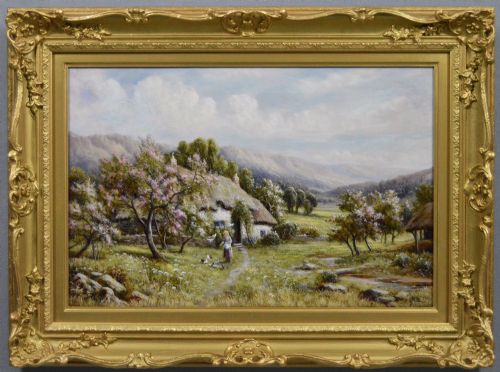
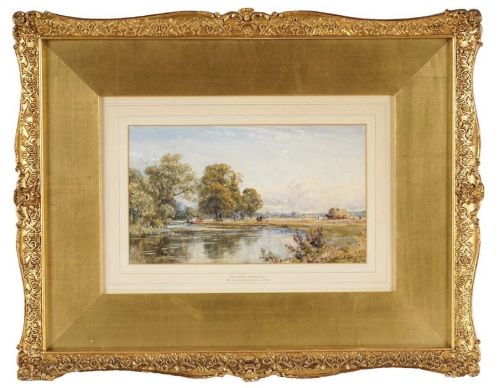
When you search for a vintage country landscape painting, you seek the quiet depth of rural fields, cottages, and riverbanks captured by brush or pastel.
Vintage Country Landscape Painting
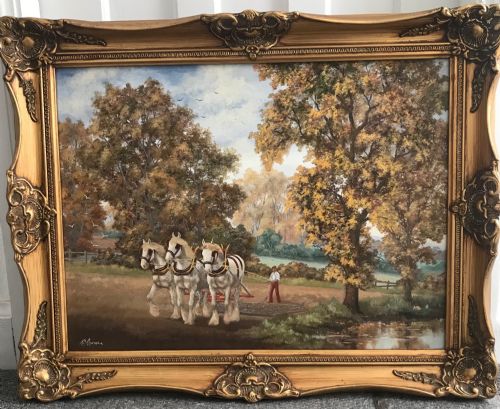
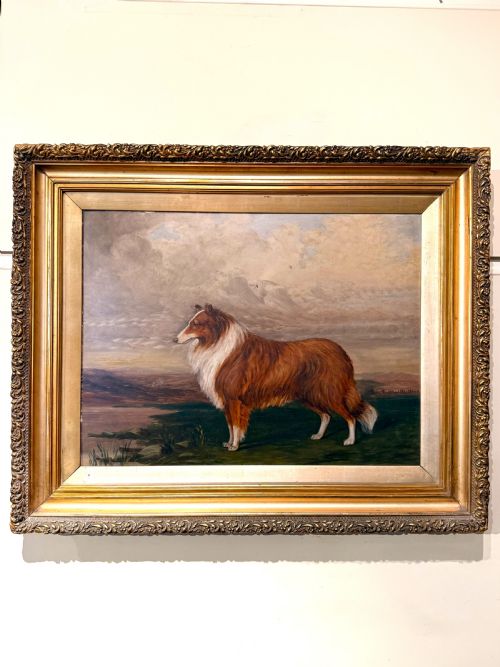
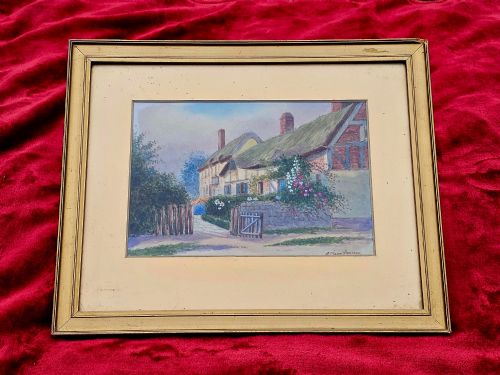
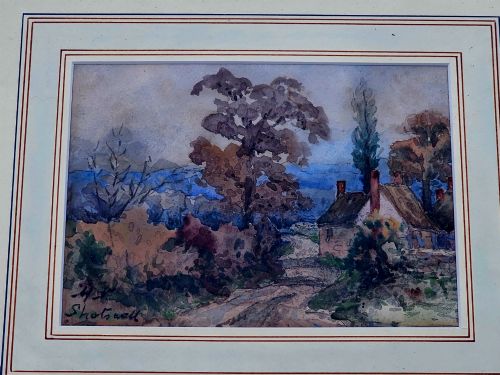
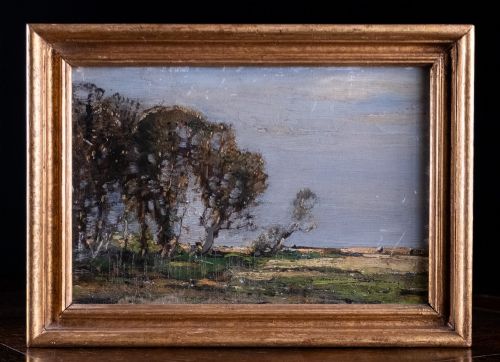
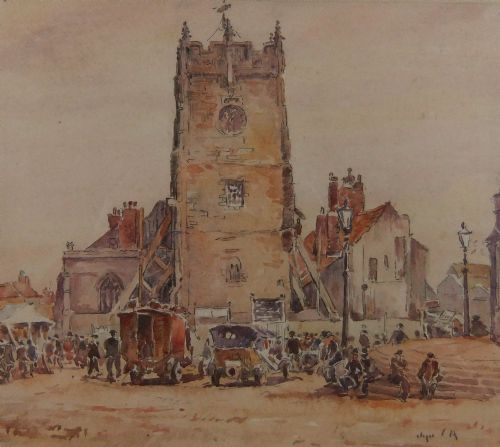
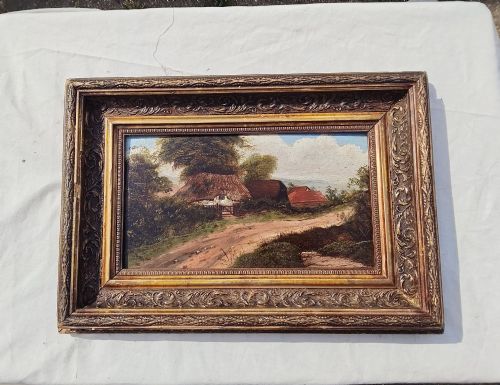
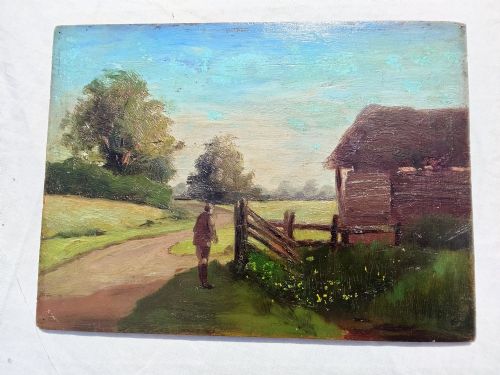
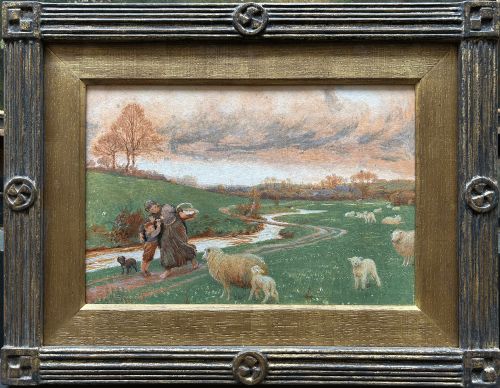
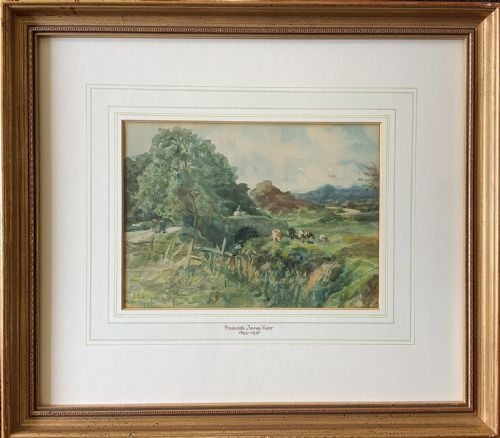
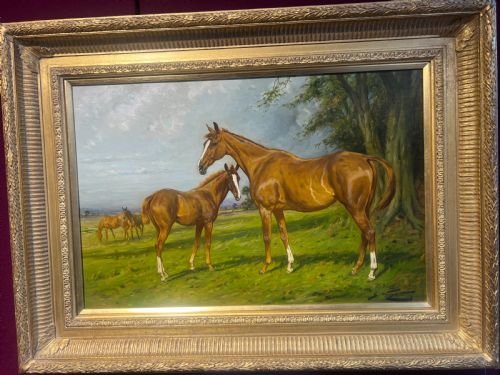
A vintage country landscape painting records rural views, farming life, and pastoral scenes across the nineteenth and twentieth centuries. These works range from intimate watercolour studies of country lanes to larger oil paintings on canvas depicting herds, cottages, and moorland views.
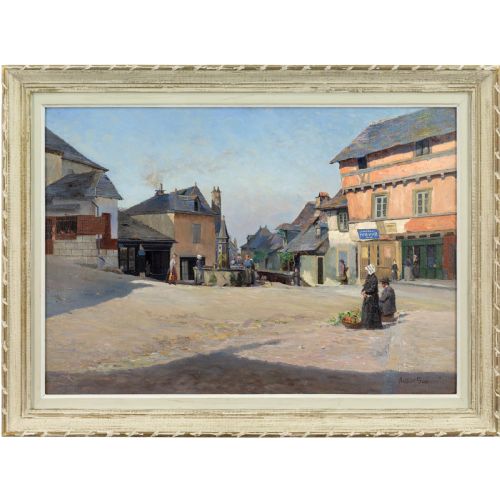
The selections available bring together British Impressionism, traditional country scenes, and works by regional English and French schools. Buyers encounterframed artwork executed on wood, card, and paper alongside traditional canvas supports.
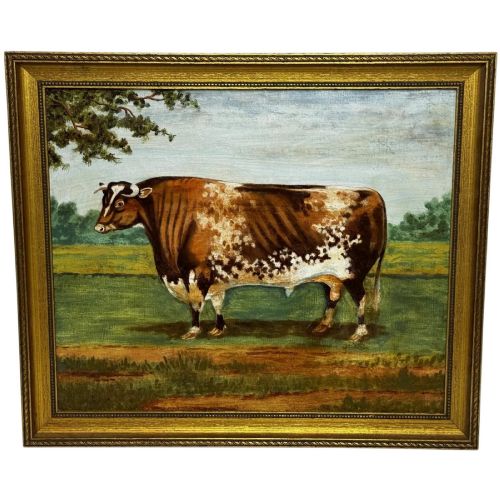
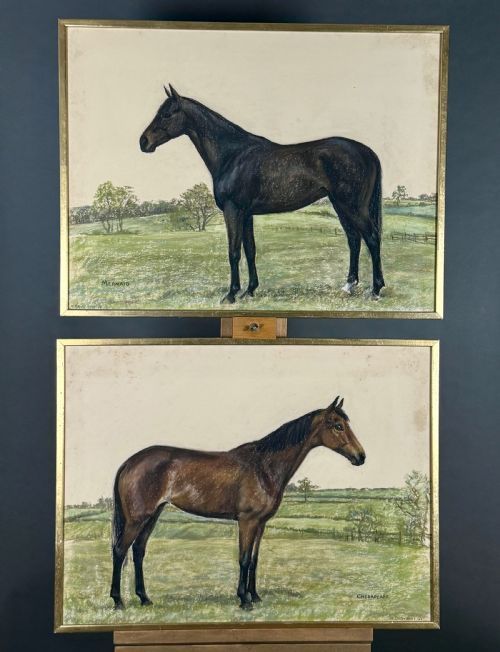
Rural and agricultural subjects dominate the pieces grouped under this heading. Viewers frequently find horses, cattle, and farm buildings integrated into the natural topography of regions like Yorkshire, Dorset, and Devon.
How They Were Made
Artists painted primarily in oil or watercolour, applying pigment to prepared wood panels, stretched canvas, boards, or heavy paper. Oil paint allowed for rich texture and layered brushwork, while watercolours relied on fluid washes and precise pencil underdrawing.
Support materials reflect the working methods of the period, utilising wooden boards, card, and heavy rag paper housed beneath glass or within gilt gesso frames. Many nineteenth and early twentieth-century works retain their original framing using gold leaf and moulded wood.
Listings feature works executed on wood, canvas, paper, and card, spanning the Victorian, Edwardian, and mid-twentieth-century periods.
What Varies in Quality
Compositional strength and atmospheric control separate accomplished academic or regional works from routine decorative pictures. The handling of light, particularly in depictions of early morning or twilight skies, dictates the visual impact of the canvas.
Condition and originality play a major role in establishing the standing of an individual artwork. Intact surfaces retaining their original stretchers, unrestored paint layers, and period frames command greater respect from collectors.
A. Marie Parsons·Kershaw Schofield·Arthur Gué·Robert John Hammond·Robert Thorne Waite·John Smith Atherton·Herbert Royle·Rene Levrel·Henry Yeen King·Percy Lancaster·C R Breytle·Herman S Melville·George Morland·Sydney Yates Johnson·F.J. Snell·A M Gauci·Hubert Wellington·Henri Jaques Delpy·John Bedloe Goddard·Charles Walter Simpson·Harry Freckleton·Percy Hipkiss·Jack Cross·John Bowes·Angus Rands
The Vintage Country Landscape Painting Glossary
- Gesso
- A plaster-like mixture applied to wood or canvas as a base for painting or moulding frame details. It provides a smooth, sealed surface for subsequent layers of gilding or oil paint.
- Watercolour
- A paint consisting of pigment suspended in a water-soluble binder, typically applied to paper. It creates transparent washes that allow the white of the paper to illuminate the scene.
- Pastel
- A dry medium made of powdered pigment and a binder, shaped into sticks for drawing. It produces velvety textures and vibrant colour fields when applied to paper.
- Board
- A rigid flat panel, often wood or compressed wood-pulp, used as a painting support instead of fabric canvas. Artists frequently utilised board for smaller plein air studies.
- Impressionism
- A style of painting emphasising spontaneous brushstrokes and the shifting qualities of natural light. Practitioners focused on ordinary subject matter captured outdoors.
Vintage Country Landscape Painting: Frequently Asked Questions
What periods do these paintings cover?
The available works span from the nineteenth century through the Edwardian era and into the mid-twentieth century. Artists recorded changing rural environments across these decades using traditional techniques.
Victorian and Georgian examples sit alongside later British Impressionist and twentieth-century regional school paintings.
What surfaces were used for these artworks?
Painters utilised oil on canvas, wooden boards, card, and heavy paper for watercolours and pastels. Each support reflects the period's preferred method for studio or outdoor work.
Panel supports and canvas boards were especially common for portable landscape studies.
How do I care for a vintage painting?
Keep paintings away from direct sunlight, high humidity, and rapid temperature changes to protect the pigment and support. Glazed watercolours and pastels require particular care to prevent moisture damage behind the glass.
Dust frames gently with a dry, soft cloth and avoid touching the painted surface.
Are these paintings signed by the artists?
Many of the works retain signatures, monograms, or attribution to specific nineteenth and twentieth-century painters. Signed examples often provide a clear link to documented regional artists and schools.
Unsigned works are frequently attributed through style, subject matter, or archival evidence.