
Original French Art Painting
An original french art painting brings the depth of European history and technique straight onto a wall.
Original French Art Painting
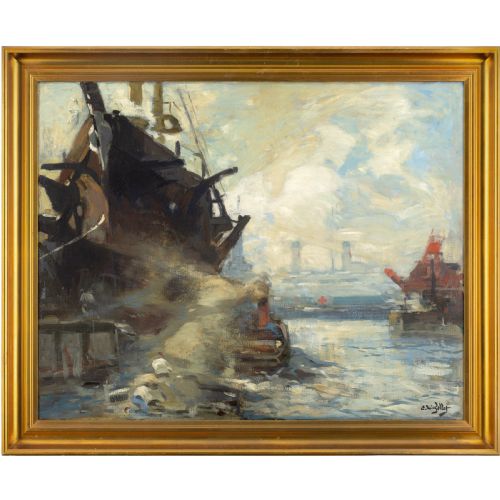
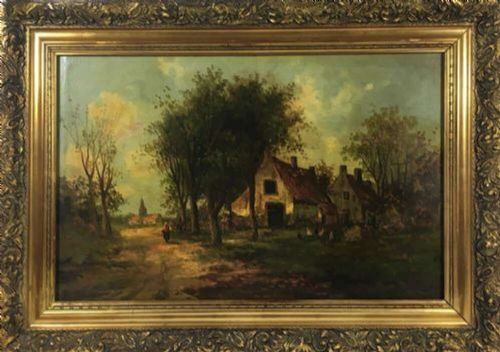
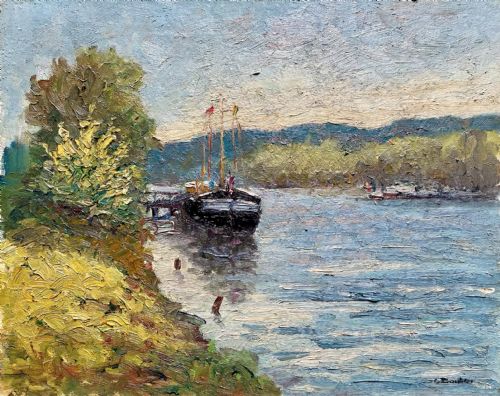
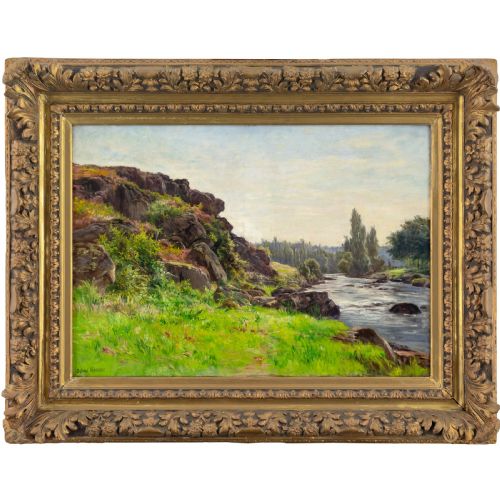
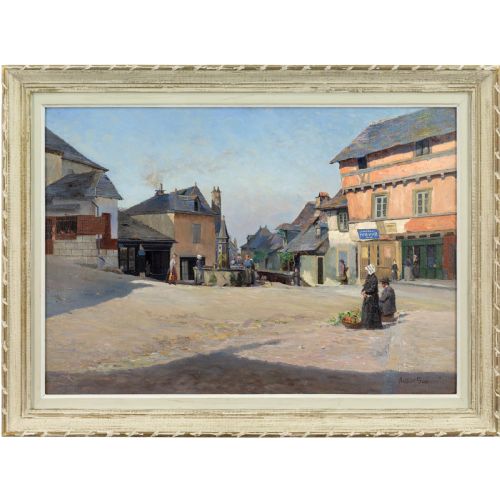
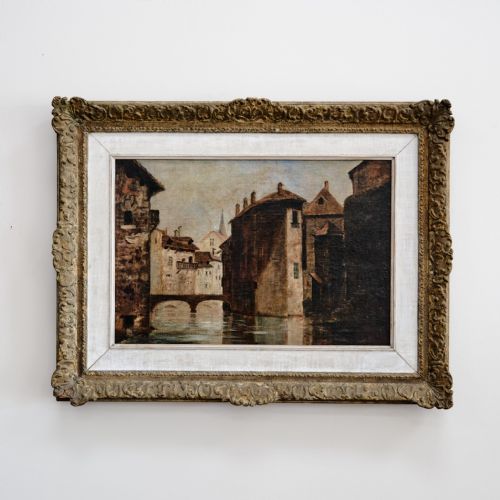
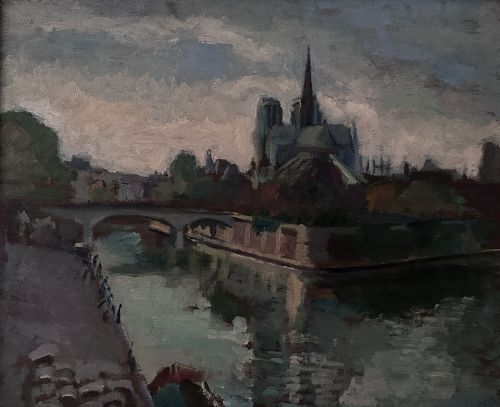
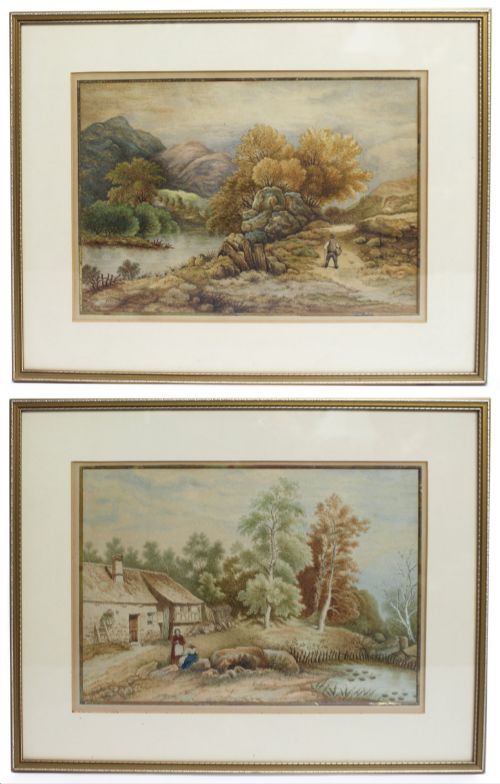
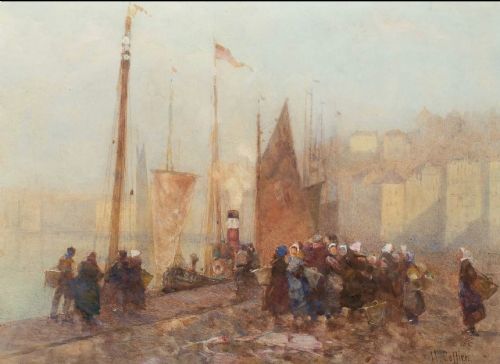
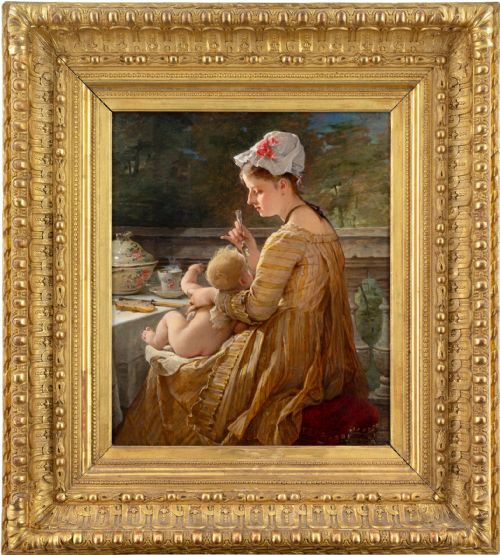
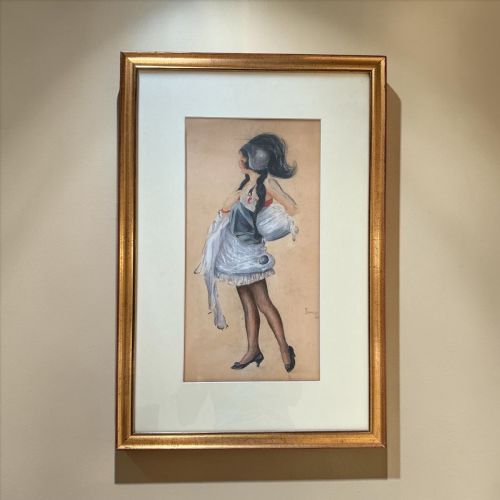
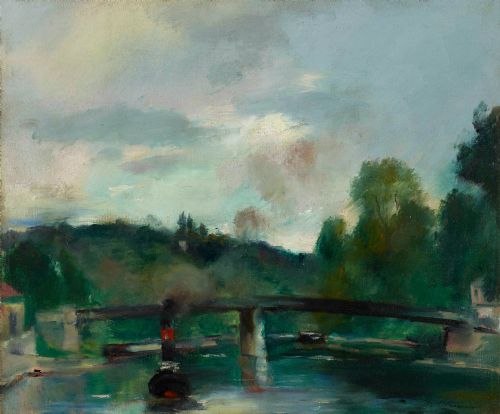
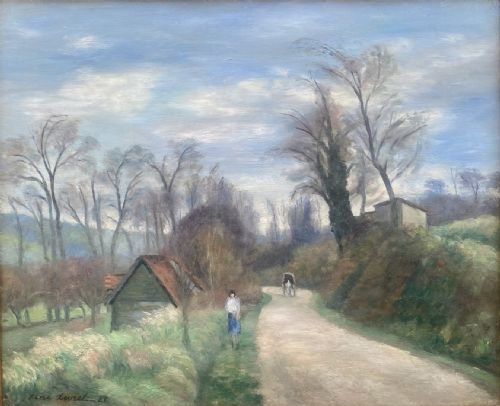
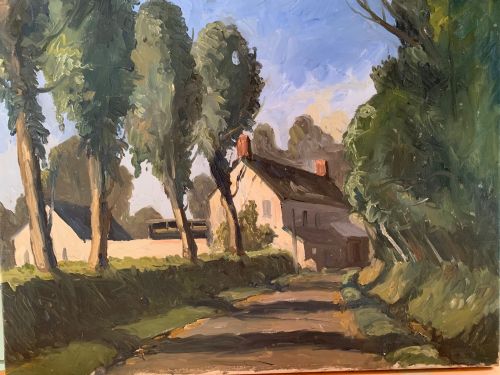
An original french art painting spans rural landscapes, river scenes, intimate portraits, and architectural views originating from France across the nineteenth and twentieth centuries. Buyers searching this phrase encounter works that capture specific regional atmospheres, from Normandy coasts to Parisian streetscapes.
Most pieces arrive framed in period surrounds, often utilising gilt wood or simple painted mouldings that complement the canvas or paper within. These artworks serve as historical windows into past daily life, military eras, and shifting artistic movements.
How they were made
Artists relied primarily on oil paint applied to stretched canvas or wooden panels, building texture and depth through layered brushwork and impasto. Watercolour and gouache on paper appear frequently for lighter, more fluid studies and preparatory sketches.
Support materials include canvas stretched over wooden frames, sturdy boards, and heavy rag paper housed behind protective glass. Giltwood and carved wooden frames complete the construction, often bearing the original maker or framer stamps from the period.
Several canvases capture whiskered kittens at play alongside stern nineteenth-century gentlemen with striking blue eyes.
What varies in quality
Execution and brush control separate routine decorative items from masterworks of observation, particularly in how light and atmosphere are captured across a landscape or portrait. The confidence of the mark-making and the subtlety of the colour palette dictate the artistic success of the composition.
The integrity of the original materials, including stable canvas tension, minimal pigment flaking, and well-preserved paper without excessive acid burn, determines the long-term survival and visual power of the artwork.
Eugène-Louis Gillot·Gabriel Mathieu·Arthur Gué·Adelaïde Salles-Wagner·Henri Ottmann·Paul Désiré Trouillebert·Alfred Arthur Brunel de Neuville·Lilian Colbourn·Benjamin Eugene Fichel·Charles Clair·Henri Jaques Delpy·Paul-Jean Anderbouhr·Gaston Cornil
The Original French Art Painting Glossary
- Barbizon School
- A nineteenth-century French art movement towards realism in landscape painting, strongly influenced by naturalism and outdoor observation.
- Chiaroscuro
- An artistic technique using strong contrasts between light and dark to give a three-dimensional volume to figures and subjects.
- Gouache
- An opaque water-based paint that dries to a flat, matte finish, frequently utilised alongside watercolour on paper.
- Impasto
- The process of laying paint thickly on a canvas so that the brush or palette knife marks stand visibly proud of the surface.
- Post-Impressionism
- A predominantly French art movement developing roughly between the late nineteenth century and early twentieth century, extending impressionism while rejecting its limitations.
Original French Art Painting: Frequently Asked Questions
What subjects do these paintings show?
These works depict diverse scenes ranging from rural French farmyards and river banks to bustling Parisian boulevards and quiet coastal ports.
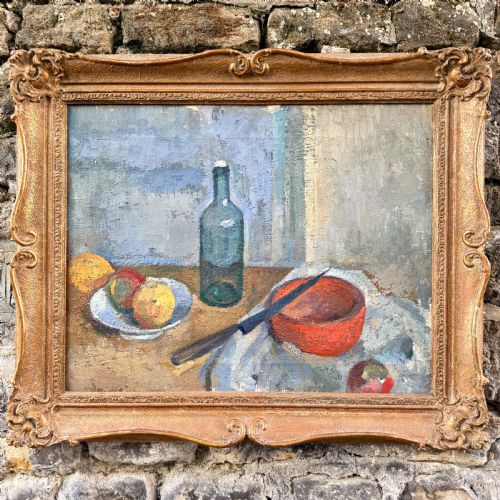
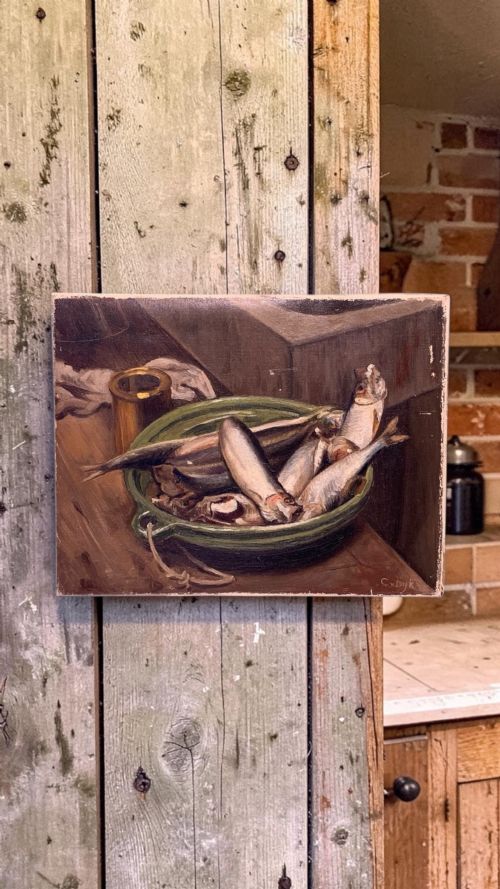
Portraiture and still life compositions featuring flowers, fish, or domestic interiors also appear regularly throughout the collection.
How should I hang an oil painting?
Secure the artwork to a solid wall using appropriate fixings rated for the weight of the combined canvas and heavy wooden frame.
Position the piece away from direct sunlight and sudden temperature changes to protect the oil pigments and canvas substrate over time.
Are watercolours framed differently from oils?
Watercolour paintings and works on paper require glazing with glass or acrylic to protect the delicate surface from airborne dust and moisture.
Oil paintings on canvas are left open to the air, relying on the varnished surface itself to resist environmental factors.
How do I identify the period of a piece?
Dating relies on examining the style of the brushwork, the signatures of known artists, and the construction methods of the backing boards and frames.
Examine the stretcher bars, canvas weave, and any inscriptions or labels left by historical framers on the reverse.