







Framed Woodland Oil Painting
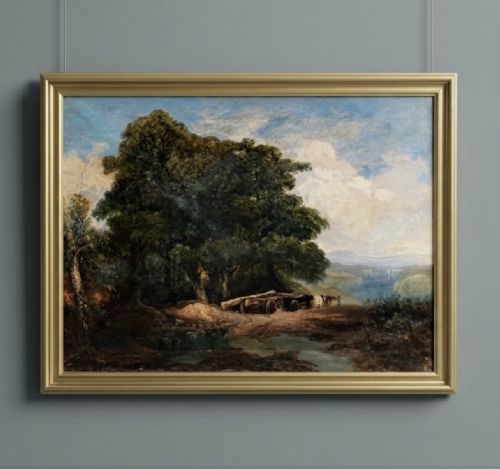
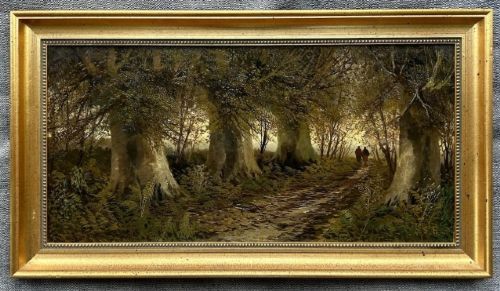
A framed woodland oil painting brings the quiet depth of trees and undergrowth inside through pigment and canvas.
Framed Woodland Oil Painting
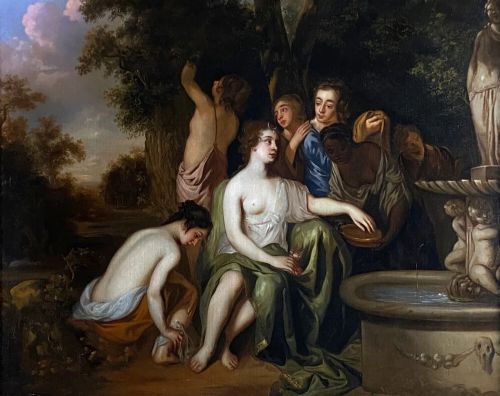
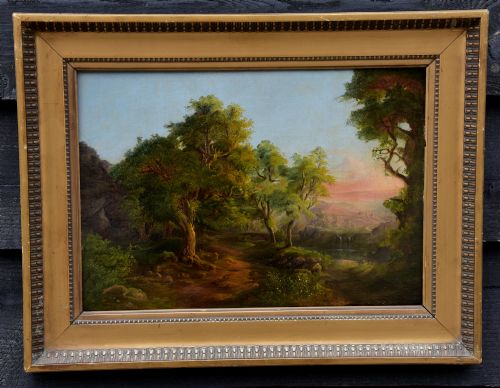
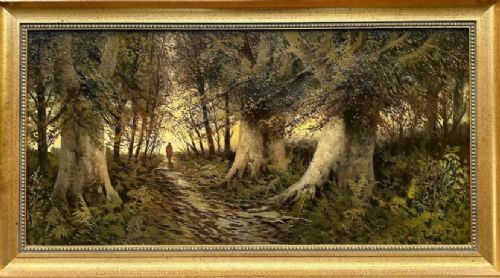
A framed woodland oil painting captures trees, glades and forested paths across centuries of British and continental art. Buyers searching this phrase meet landscapes rendered in oil paint upon canvas or board, framed in wood, gesso or giltwood.
The selection ranges from Victorian naturalism and the Barbizon school through to mid-century modern interpretations. Most examples on this page date from the nineteenth and early twentieth centuries, reflecting changing attitudes towards rural scenery.
Makers recorded here include named artists working within British impressionism, the Edwardian landscape tradition and earlier Dutch schools. The physical framing often matches the era of the canvas, completing the composition.
How they were made
Artists apply oil paint directly to stretched canvas or wooden board, building texture through layered brushwork and impasto. This medium allows for deep greens, browns and autumnal ochres that capture natural light filtering through branches.
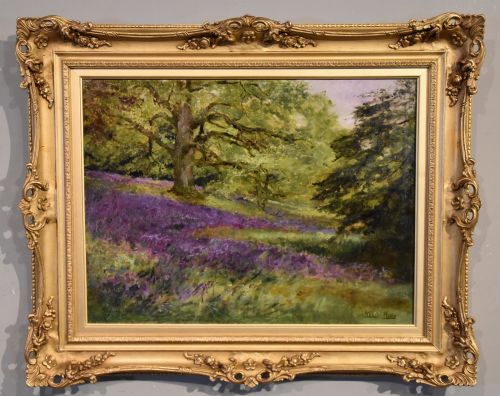
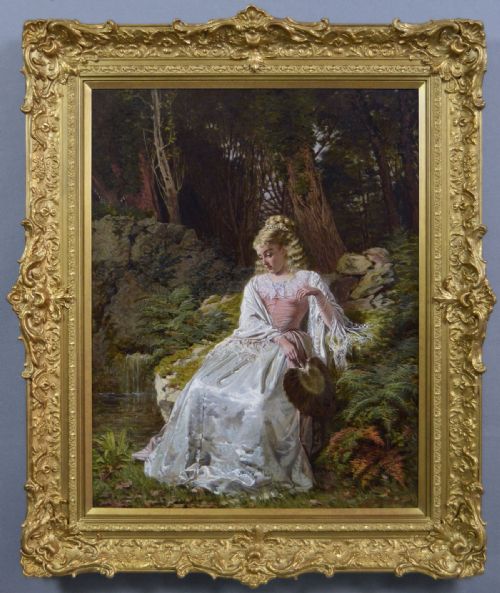
Finished works sit within frames constructed from timber, frequently ornamented with moulded gesso and finished with gold leaf or gilding. These frames protect the edges of the canvas while providing a structural boundary for the wall art.
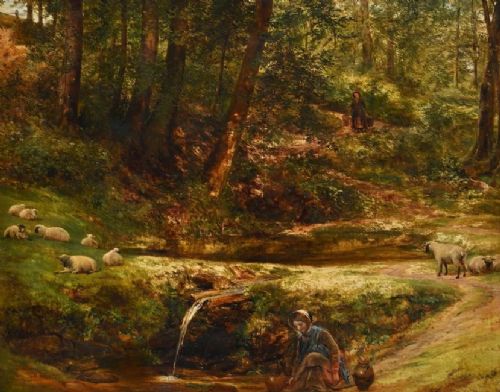
Several canvases capture sheep and cattle sheltering beneath the same ancient boughs across different centuries.
What varies in quality
Quality rests upon the artist's handling of light, shadow and perspective within the forest canopy. Superior pieces display a confident grasp of tone that separates tangled undergrowth from distant trees, creating genuine atmospheric depth.
The integrity of the canvas and the preservation of the original oil paint layer dictate the overall standard. Original frames featuring undisturbed giltwood or period gesso add substantial character compared to later replacements.
Richard Sebastian Bond·William H Myers·Thomas W Lascelles·Paul Désiré Trouillebert·Thomas Bromley Blacklock·James Mallard Bromley·Owen Bowen·Clarence Henry Roe·David Watts·William Mellor·John Wright Oakes·James Proudfoot·Abraham Hulk Jnr·THOMAS HOLLINGSWORTH·Frederick Golden Short·Ernest Higgins Rigg·J McIntyre·A Wood·Herbert Royle
The Framed Woodland Oil Painting Glossary
- Oil on Canvas
- A traditional painting medium where oil-based pigments are applied to a woven fabric stretched across a wooden frame. This combination allows for rich colour blending and durable longevity.
- Giltwood
- Timber carved and coated with a thin layer of gold leaf or metallic powder. It provides a luminous border that enhances the warmth of the surrounding landscape.
- Barbizon School
- A mid-nineteenth-century French art movement focusing on realism in landscape painting. Painters prioritised direct observation of nature, particularly forests and rural life.
- Gesso
- A plaster-like mixture applied to wooden frames as a smooth base before gilding or painting. It accepts intricate moulding for decorative corners and edges.
Framed Woodland Oil Painting: Frequently Asked Questions
What periods do these paintings come from?
The selection spans several centuries, with particular strength in nineteenth-century Victorian works and early twentieth-century British landscapes. Earlier pieces from the seventeenth century and mid-century modern examples also appear.
Each era brings distinct techniques and framing styles to the woodland subject matter.
How should I hang a framed oil painting?
Mount the artwork securely using fixings appropriate for your wall type, ensuring it hangs away from direct sunlight and moisture. Adequate wall space allows the heavy wooden or giltwood frames to project properly.
Position the centre of the canvas at average eye level for comfortable viewing.
Are these paintings original works?
The inventory consists of original hand-painted art on canvas or board rather than modern reproductions or prints. Signatures from listed period artists appear on many of the compositions.
Each piece reflects the individual hand of the painter working from nature or the studio.
How do I care for an antique oil painting?
Dust the canvas and frame gently with a soft, dry brush without applying pressure to the paint surface. Avoid chemical cleaners and keep the artwork away from sudden temperature fluctuations.
Professional conservators should handle any deep cleaning or canvas repairs.