
Victorian Narrative Oil Painting
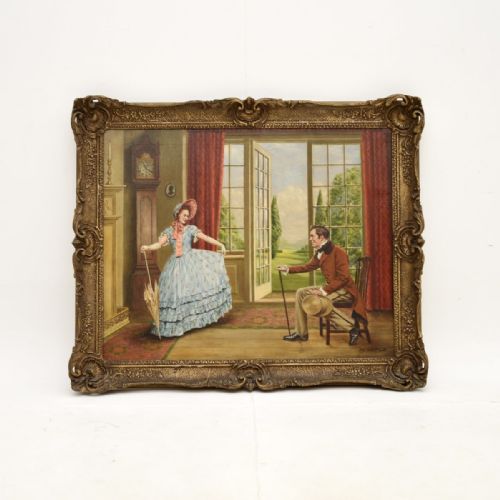
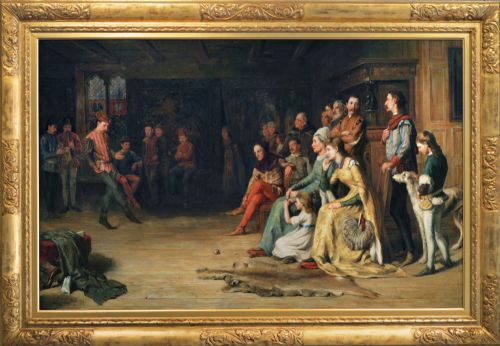
When you encounter a victorian narrative oil painting, you are looking at a canvas that tells a specific story from literature, history, or domestic life.
Victorian Narrative Oil Painting
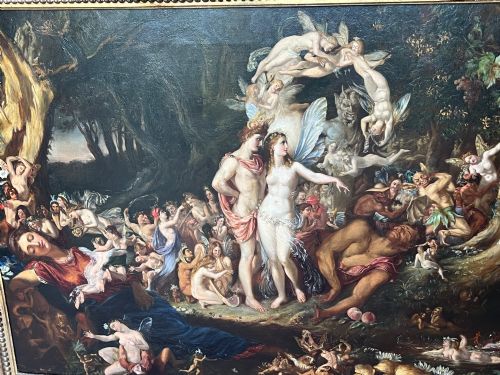
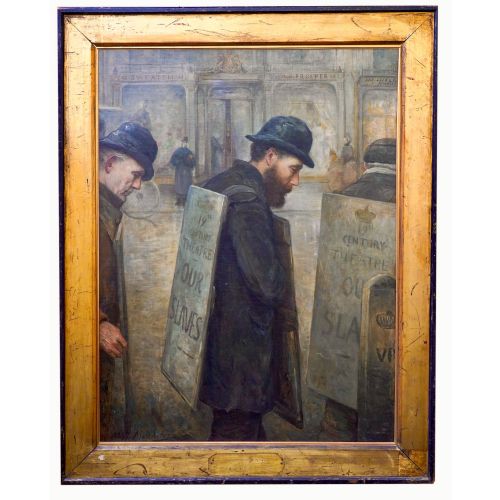
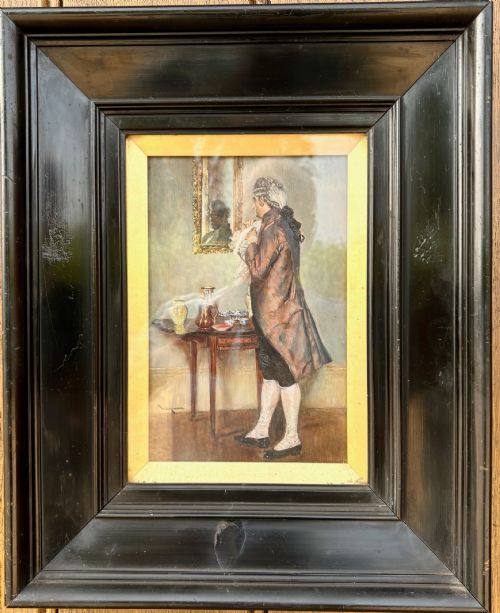
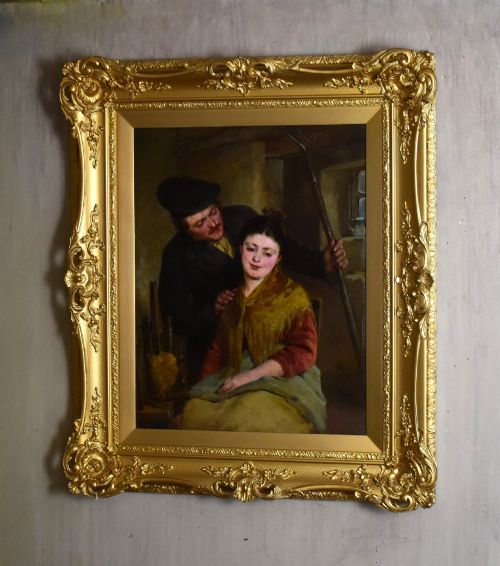
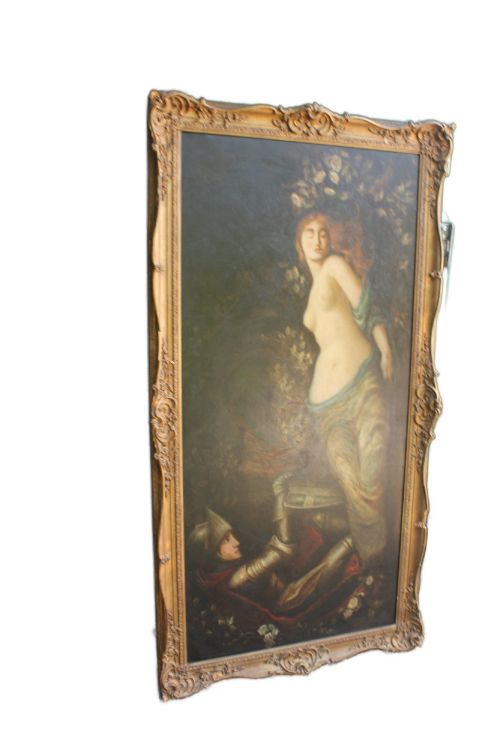
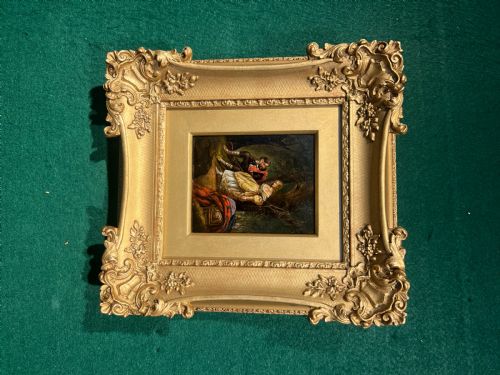
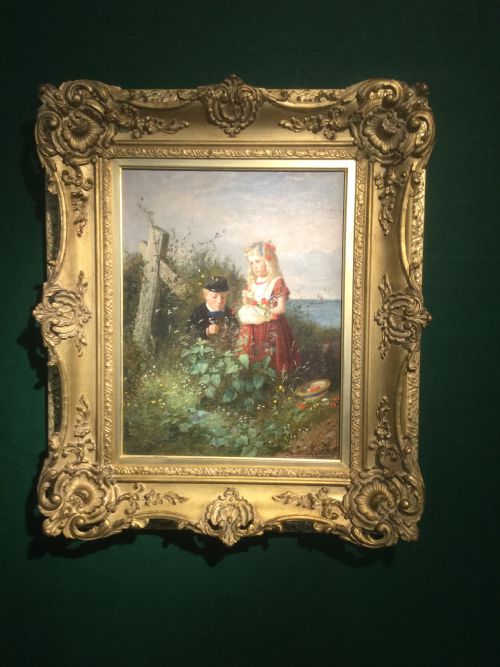
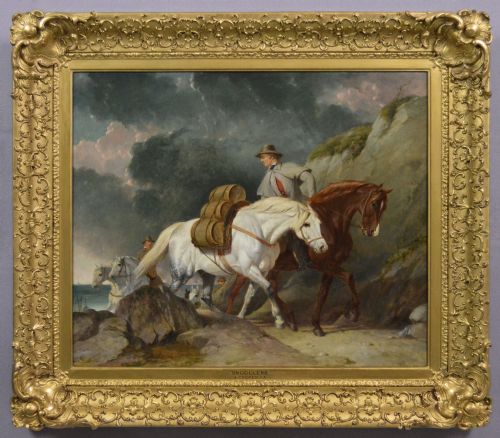
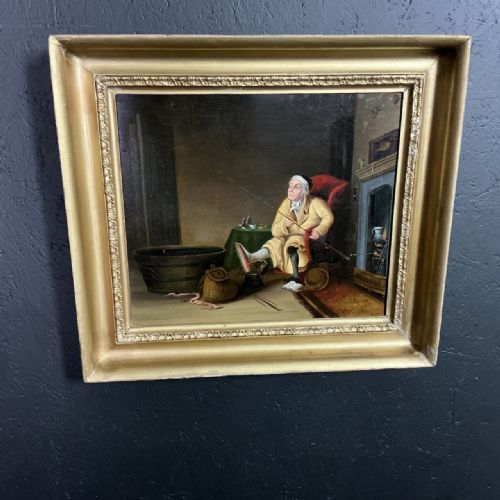
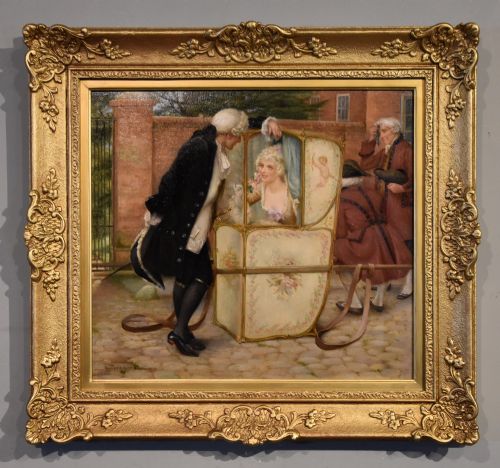
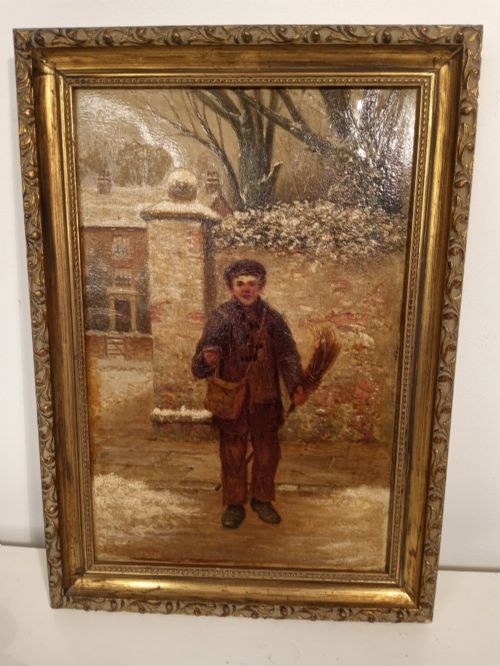
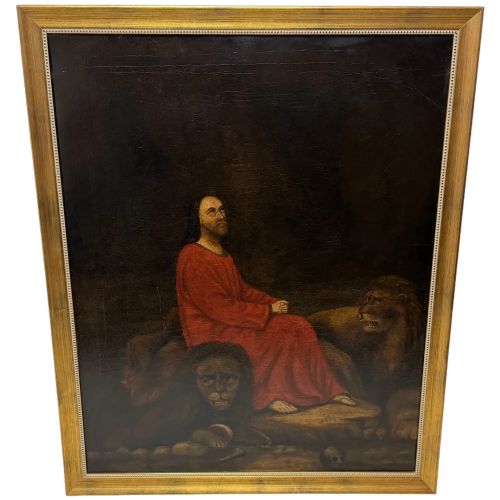
A victorian narrative oil painting depicts a distinct story, scene, or interaction, drawing from literature, biblical tales, historical events, or domestic life. These works capture a frozen moment of drama, romance, or daily routine, inviting the viewer to read the narrative unfolding on the canvas.
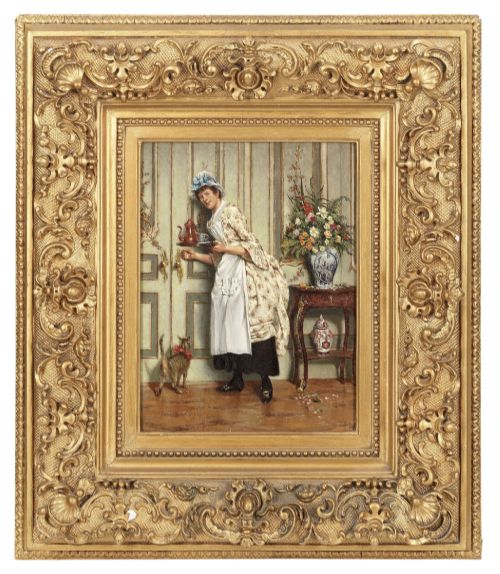
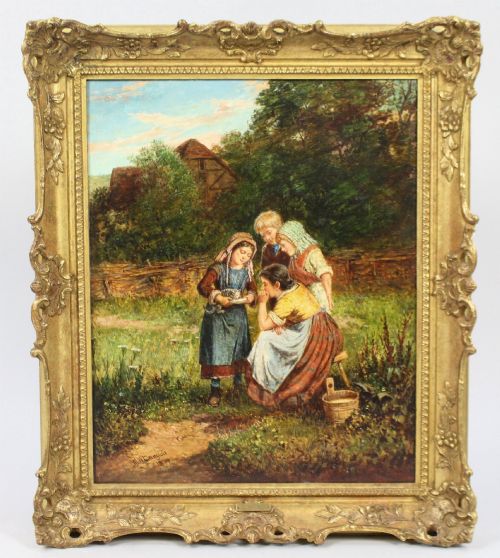
The examples found here range from detailed literary illustrations and historical genre scenes to quiet interior moments in country houses and cottages. Painters of this period used gesture, expression, and setting to communicate complex human emotions and social situations without the need for words.
Origins span British and Scottish schools from the nineteenth century, including works by named artists associated with genre painting, realism, and Pre-Raphaelite circles. These pieces reflect the nineteenth-century appetite for storytelling through visual art, capturing everything from high drama to intimate fireside scenes.
How they were made
These works are executed in oil paint on canvas, panel, or board, utilising the rich pigmentation and blending capabilities of oil to achieve depth of light and shadow. Artists built up their compositions through layered glazes and opaque applications, capturing textile textures, architectural details, and facial expressions.
Framing is an integral component of the physical object, frequently involving heavy wood structures finished with gesso and gold leaf to create ornate giltwood surrounds. These frames were designed to complement the theatricality and scale of the narrative within.
Monks, smugglers, and mischievous kittens frequently interrupt the solemnity of nineteenth-century domestic interiors.
What varies in quality
Quality in a victorian narrative oil painting rests upon the precision of character expression and the cohesion of the composition. Stronger works command attention through subtle psychological interplay between figures, while lesser examples rely on static poses and predictable domestic sentiment.
The handling of light and the rendering of background interiors or landscape settings also divide the range. Mastery over narrative detail, accurate anatomical drawing, and the skilful management of spatial depth distinguish the most accomplished studio output from more routine commercial production.
Sir Joseph Noel Paton·Felix Stone Moscheles·Stephen Samuel Lewin·Mark William Langlois·Alfred Lyndon Grace·W.D. Almond·Howard Helmick·James Hamilton·Charles Hunt·Abraham Cooper·Delapoer Downing·John A. Monteith·Harry Brooker·Byam Shaw·Alexander Rosell·William Arthur Breakspeare·John Arthur Lomax·George Bernard O'Neill·Charles Haigh Wood·Haynes King·Charles Burton Barber·James Kyd·Léon Joseph Voirin·Edwin Thomas Roberts·Robert Alexander Hillingford
The Victorian Narrative Oil Painting Glossary
- Genre painting
- Art that depicts aspects of everyday life by portraying ordinary people caught in common activities. These scenes often serve as social commentary or gentle domestic narrative.
- Pre-Raphaelite
- A style associated with a nineteenth-century brotherhood of artists who rejected academic rules in favour of detailed observation, bright colours, and serious literary subjects. Their canvases are known for meticulous naturalism and symbolic resonance.
- Gesso
- A plaster-like mixture applied to wood or canvas as a base for painting or as a smooth surface for gilding. It allows craftsmen to mould intricate relief ornamentation on picture frames.
- Oil on canvas
- A painting technique where pigmented oil paint is applied to a stretched woven fabric support. This combination offers flexibility and a fine texture that holds layered glazes well.
- Giltwood
- Wood that has been thinly coated with gold leaf or gold paint for decorative effect. It is the standard finish for the grand frames housing nineteenth-century fine art.
Victorian Narrative Oil Painting: Frequently Asked Questions
What stories do these paintings tell?
These works draw from a wide literary and social repertoire, ranging from Shakespearean drama and biblical episodes to domestic scenes of courting couples, children at play, and domestic servants at work.
Artists used these narratives to engage the viewer's imagination, often embedding moral lessons, gentle humour, or historical commentary within the visual details of the interior or landscape.
How should I hang and light an oil painting?
Display your canvas on a stable wall away from direct sunlight and sudden temperature shifts, such as those near radiators or open fires, to protect both the oil paint and the wooden stretcher.
Use picture lights designed to emit minimal heat, positioning them to evenly illuminate the surface without creating harsh glare on the varnish or the surrounding giltwood frame.
How can I tell a genuine nineteenth-century canvas apart?
Examine the reverse of the stretcher and canvas for signs of age, such as oxidised nails, maker stamps, old canvas weave patterns, and handwritten inscriptions identifying the artist or title.
Contextual clues like the framing technique, the style of the brushwork, and the specific pigment composition characteristic of the period also help confirm the era of production.
What is the difference between genre and historical painting?
Genre painting focuses on everyday moments and ordinary individuals in domestic or social settings, capturing scenes of work, leisure, and family life without referencing specific recorded events.
Historical narrative painting depicts specific moments from past events, mythology, or literature, often involving dramatic turning points and recognizable characters from stories or history.