



Canvas River Landscape Art
Canvas river landscape art brings historical waterways and pastoral scenes into view through centuries of oil paintings.
Canvas River Landscape Art
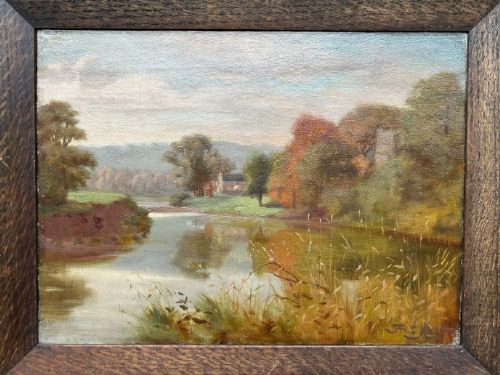
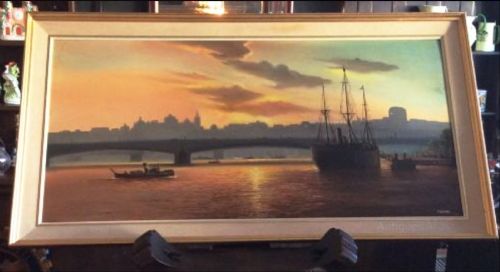
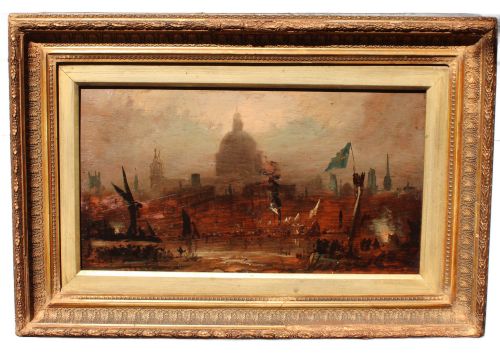
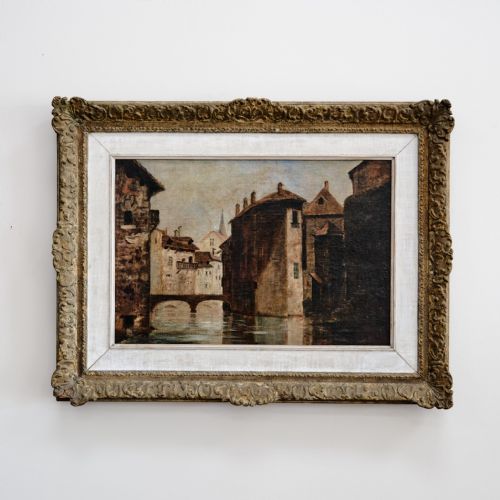
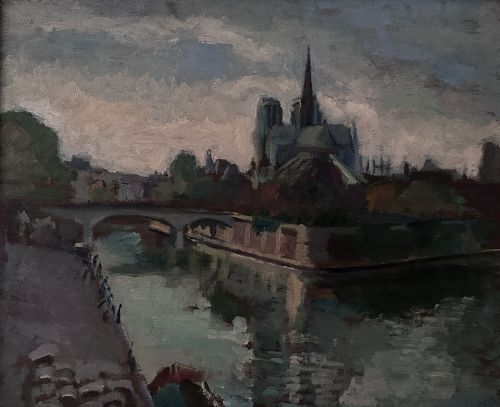
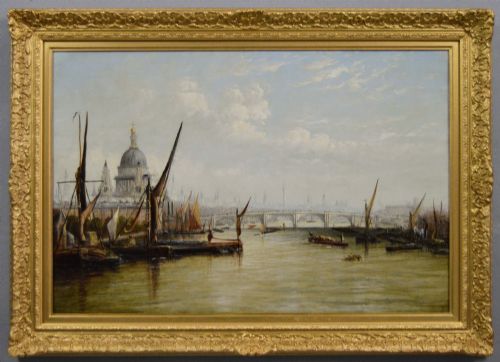
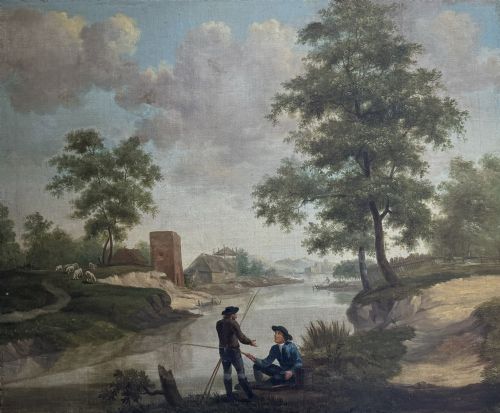
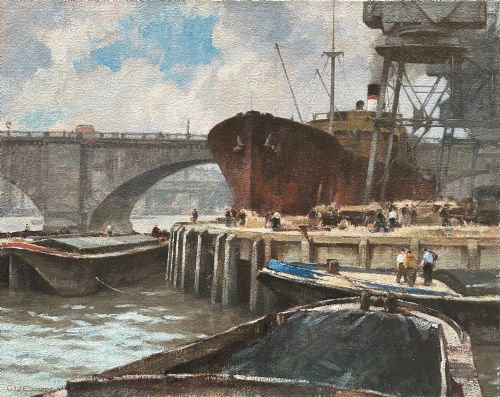
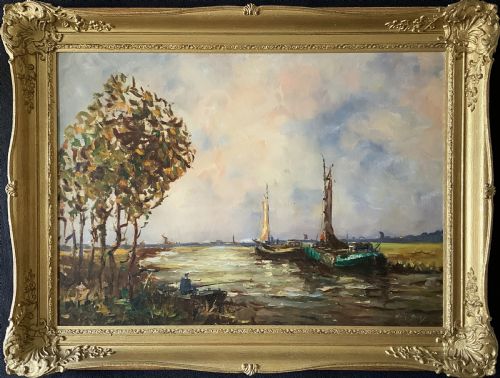
Canvas river landscape art encompasses painted views of waterways, bridges, and riparian settings produced across the nineteenth and twentieth centuries. These works record rural streams, urban rivers like the Thames and the Seine, and coastal estuaries captured by British, French, and Dutch painters.
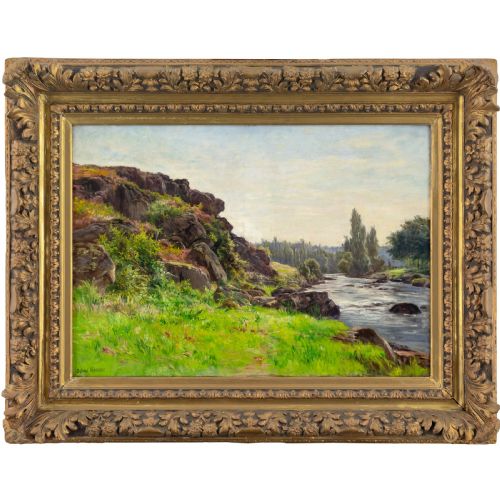
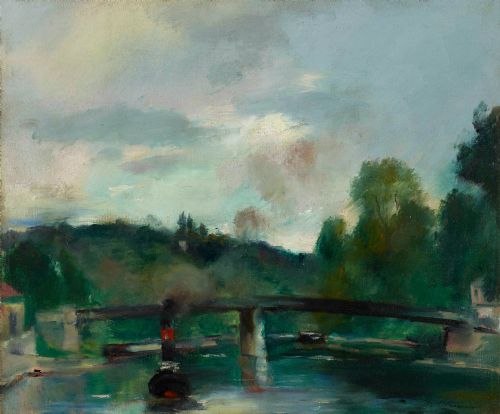
Buyers encounter oil paintings executed on canvas or board, framed by styles ranging from Romanticism and Victorian realism to British and French Impressionism. The subjects vary from quiet pastoral riverbanks to bustling bridge views and industrial shipping scenes.
The selection reflects diverse regional schools, including Barbizon traditions and post-impressionist interpretations. These pieces capture shifting daylight, water reflections, and human activity along historic river routes.
How these paintings were constructed
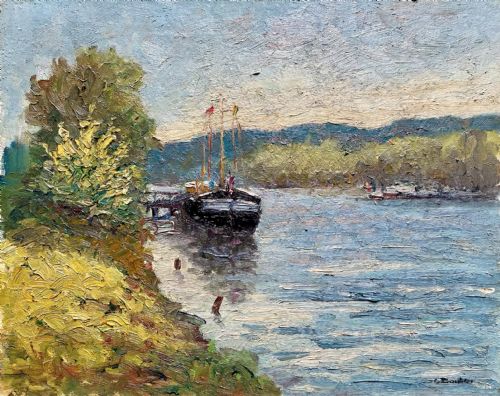
Artists painted primarily with oil paint on prepared canvas stretched over wooden frames, occasionally utilising oil paint on board. Application methods combined thin glaze layers with heavier impasto brushwork to build texture.
Prepared surfaces often incorporated gesso grounds applied to woven textile foundations to receive the oil pigments. Wooden stretchers supported the canvas membrane, while applied gold leaf sometimes embellished the surrounding frames.
Canvas River Landscape Art Retail Price Guide 2026
Typical asking prices for canvas river landscape art among the pieces listed under this phrase on Sellingantiques today, from the lower quarter to the upper quarter. They describe what is for sale here now, not the wider market.
Materials recorded across the inventory include oil paint, stretched canvas, wooden panels, gesso grounds, and gold leaf.
What defines the quality of these works
Quality rests in the confidence of the brushwork and the artist's command of light, atmosphere, and spatial depth. Superior compositions capture the specific mood of water reflections and changing weather rather than relying on formulaic foliage or rigid perspective.
The distinction between standard decorative works and finer paintings lies in tonal harmony and pigment preservation. Well-preserved surfaces retain original impasto texture and stable oil layers without excessive retouching or structural canvas damage.
Kenneth Cozens·George Graham·Frederick Marriott·Gabriel Mathieu·Francis Moltino·Albert Bierstadt·Willem Bos·Henri Ottmann·Sir Alfred East·Albert Rieger·Herbert Royle·Paul Desire Trouillebert·Henry H Parker·T Bergman·Sydney Yates Johnson·John Horace Hooper·John Ferneley Senior·Honore Cavaroc·Archibald Kay·Charles Clair
The Canvas River Landscape Art Glossary
- Oil on Canvas
- A painting medium consisting of pigments suspended in a drying oil, applied directly to a woven fabric support. This combination allows for rich blending and varied surface textures.
- Barbizon School
- A mid-nineteenth-century French art movement dedicated to naturalistic landscape painting. Artists painted directly from nature, focusing on rural scenery and atmospheric effects.
- Post-Impressionism
- An art movement extending roughly from the late nineteenth century that rejected naturalistic depiction in favour of expressive forms and symbolic use of colour. Painters explored structure and emotional resonance.
- Gesso
- A white paint mixture consisting of a binder mixed with chalk, gypsum, or pigment. It prepares rigid boards or stretched canvas to receive subsequent layers of oil paint.
- Impasto
- Paint applied thickly to a canvas, standing out from the surface so that brush or palette knife marks remain visible. This technique adds tactile three-dimensional quality to water and foliage.
Canvas River Landscape Art: Frequently Asked Questions
How do I identify a 19th-century canvas?
Nineteenth-century canvases typically display hand-woven textures, oxidation on the reverse side of the fabric, and period-appropriate stretcher frame construction. Older stretchers often feature wedge keys in the corners to adjust canvas tension.
Examining the nail types securing the canvas to the wood frame provides further chronological clues. Hand-forged or early machine-cut tacks differ significantly from modern industrial staples.
What subjects appear in these river scenes?
The subjects range from quiet rural streams and pastoral riverbanks to major urban bridges like Waterloo and London Bridge. Figures fishing under willow trees, commercial barges, and industrial shipping also feature prominently.
Artists frequently recorded specific European waterways, including the Thames, the Seine, and Dutch canals. These locations document historical changes to urban and natural river environments over two centuries.
How should I care for an oil painting on canvas?
Oil paintings require stable indoor environments away from direct sunlight, high humidity, and rapid temperature fluctuations. Excessive heat can cause the canvas to slacken and the paint layers to crack or warp.
Dusting should be performed gently with a soft, dry brush without applying moisture or cleaning solvents. Professional conservators should handle any structural repairs or varnish cleaning.
What is the Barbizon School influence?
The Barbizon School represents a nineteenth-century French approach that prioritized painting directly from nature over studio conventions. Artists focused on unidealized rural landscapes, atmospheric skies, and riverbanks.
This movement bridged Romanticism and Impressionism by encouraging observational truth in landscape painting. Works influenced by this school emphasise moody light and organic textures over academic perfection.