


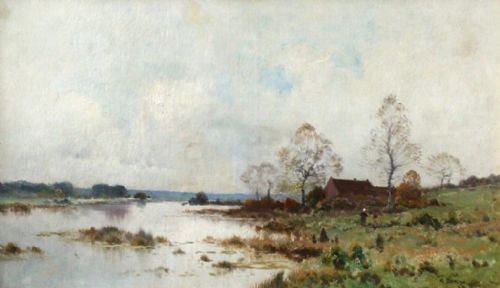

Muted Green Oil Painting
A muted green oil painting brings the quiet tones of nineteenth and twentieth-century landscapes straight into a room.
Understanding a muted green oil painting
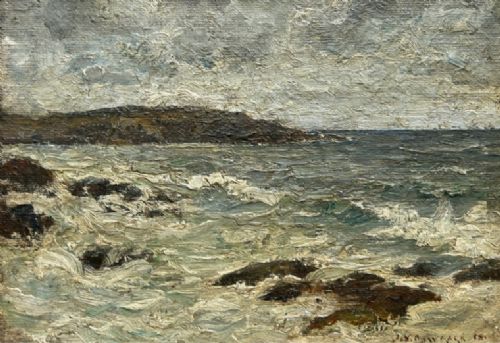
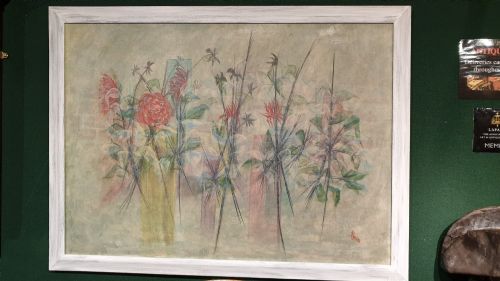
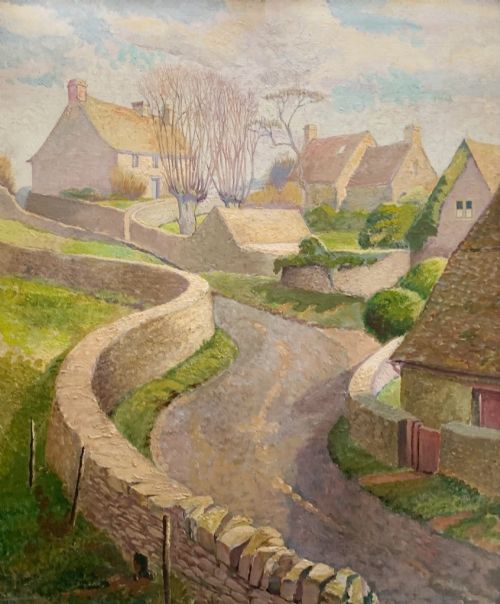
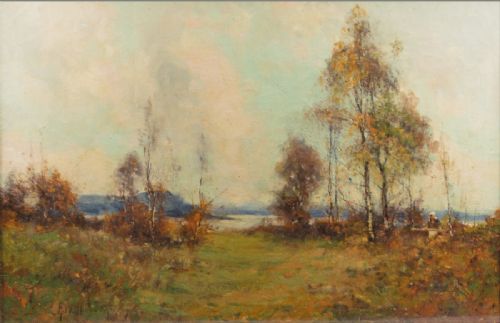
A muted green oil painting captures subdued rural and pastoral scenes through earthy palettes and atmospheric brushwork. Collectors search for these works to introduce calm, natural tones into an interior space without the glare of bright pigments.
The selections available here span from Victorian compositions and Scottish impressionism to later twentieth-century landscapes. Common subjects include harvest scenes, serene lakes, mill streams, and figures with carts moving through quiet country settings.
Works originate from British and Scottish schools, capturing specific localities from Yorkshire to the Lake District. Each piece reflects the particular atmospheric conditions favoured by impressionist painters working outdoors or in regional studios.
Materials and technique
Artists built these compositions using traditional oil paint applied directly to woven canvas supports. The medium allowed for subtle colour blending and thick impasto marks that defined foliage, water, and earth.
Painters layered pigments to create depth within landscapes, balancing deep greens and ochres with lighter highlights in the sky. The canvas substrate was typically stretched over a wooden frame to stabilise the surface for decades of handling.
Retail Price Guide 2026
Typical UK retail prices for muted green oil painting, calculated from the Sellingantiques database of over a million retail prices indexed since 2003. This retail price guide relies exclusively on Sellingantiques data; no external sources or auction records are used, so the figures do not describe the wider market.
Listings feature canvases spanning from the Victorian era through the 1950s, created by British and Scottish impressionists.
Judging quality and execution
Superior examples demonstrate a confident handling of light and shadow, where muted green pigments possess genuine luminosity rather than appearing flat. The brushwork reveals an artist's ability to suggest atmosphere and distance with economy and precision.
The strength of the composition and the subtlety of the colour harmonies separate standard decorative works from accomplished regional impressionism. Stronger pieces draw the eye into the depth of the landscape through careful tonal gradation.
The Muted Green Oil Painting Glossary
- Impressionism
- A style of painting emphasising light, loose brushstrokes, and everyday subjects. Artists sought to capture a fleeting visual moment rather than meticulous detail.
- Canvas
- A heavy woven fabric used as a surface for oil painting. It is typically stretched tightly over a wooden frame before work begins.
- Impasto
- Paint applied thickly to a canvas, standing proud of the surface. This technique leaves visible brush or palette knife marks that catch the light.
- Victorian
- Relating to the reign of Queen Victoria, spanning the nineteenth century. Pieces from this era often feature traditional framing and formal compositional structures.
Frequently Asked Questions
Where should I hang a landscape painting?
Select a wall away from direct sunlight and sudden temperature shifts to protect the canvas and oil pigments.
Position the work at eye level where natural room light can bring out the subtle tones in the greens.
How can I tell the period of a canvas?
Examine the stretcher frames, nails, and canvas texture on the reverse side for signs of age.
Stylistic markers and the specific handling of the pigment also offer strong clues to the decade of creation.
What is Scottish Impressionism?
This regional movement combined French impressionist techniques with the distinct atmospheric lighting found in Scottish landscapes.
Painted surfaces often show vigorous brushwork and a deep engagement with rural scenery and coastal light.