

Rural Scene Oil Painting
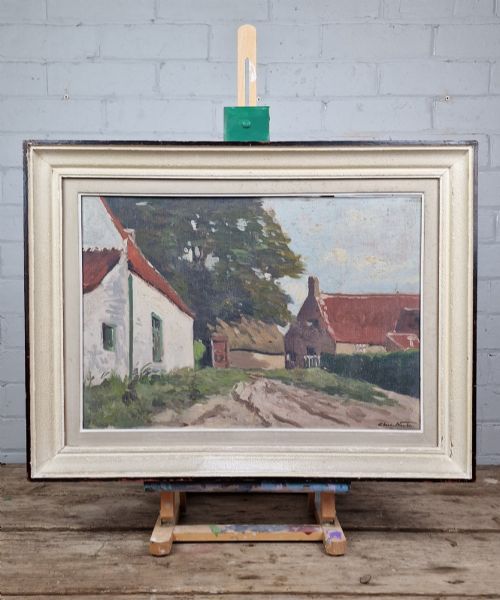
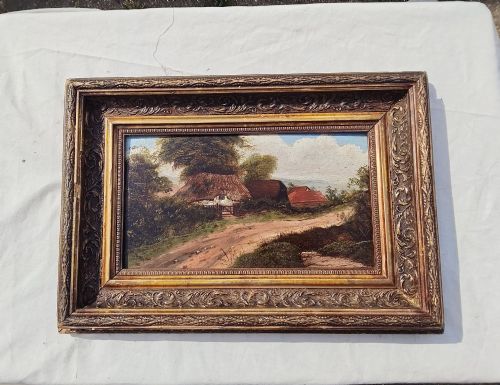
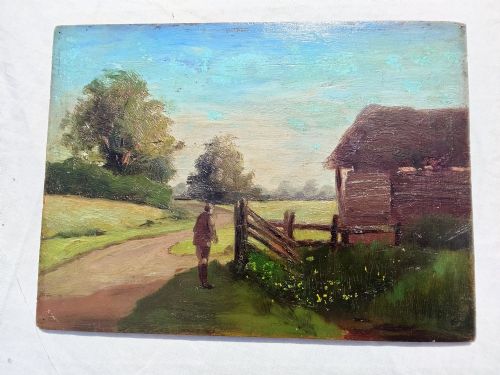
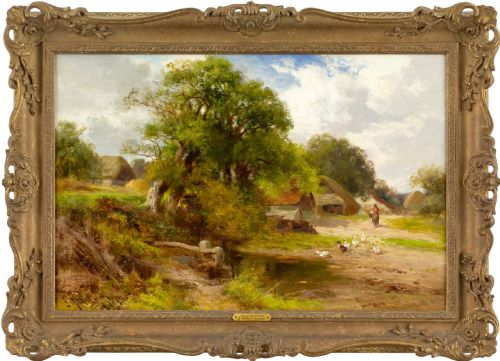
A rural scene oil painting brings the quiet charm of the countryside, farmyards, and villages into an interior.

Rural Scene Oil Painting
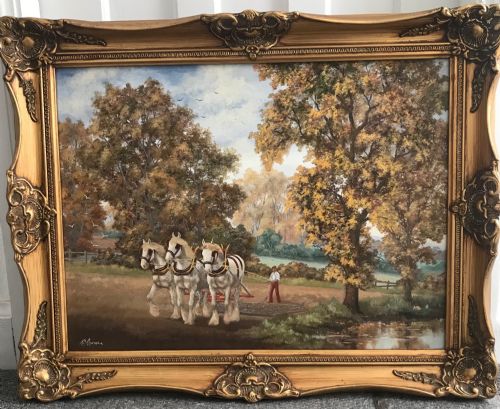
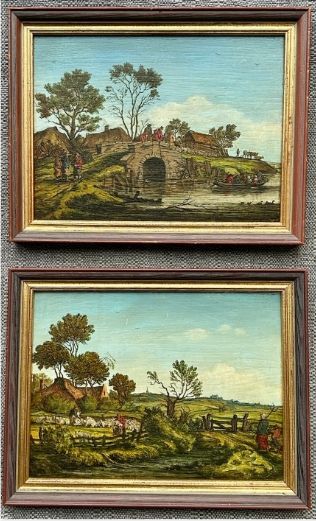
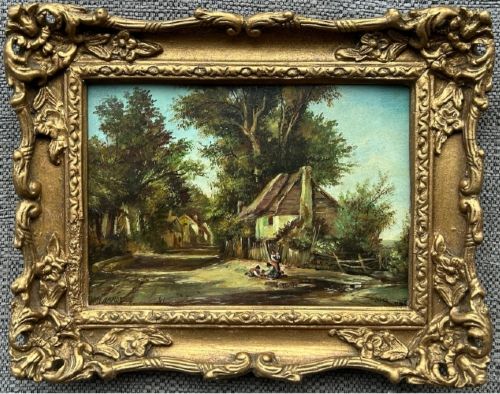
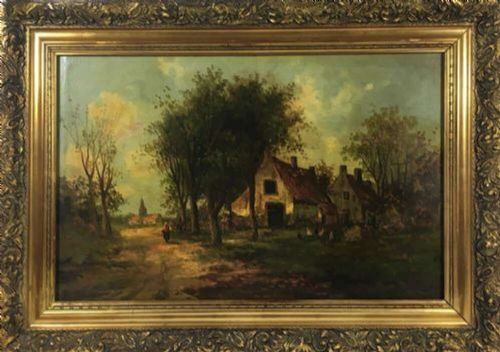
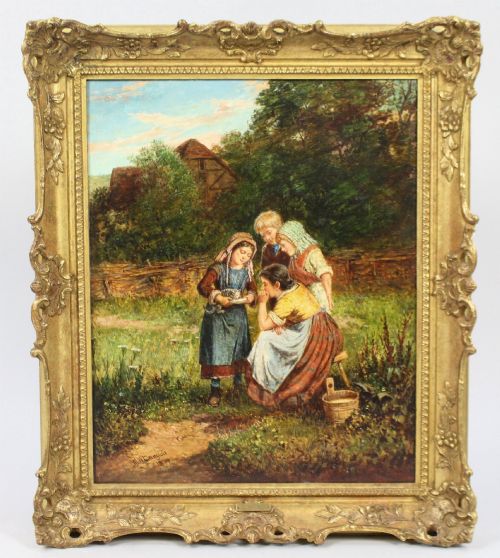
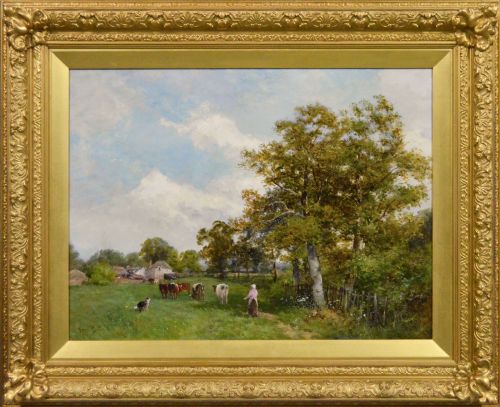
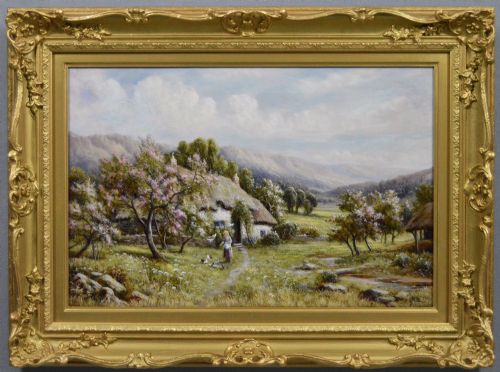
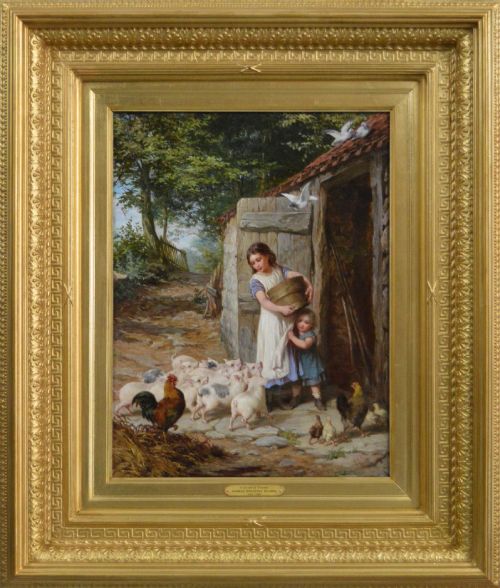
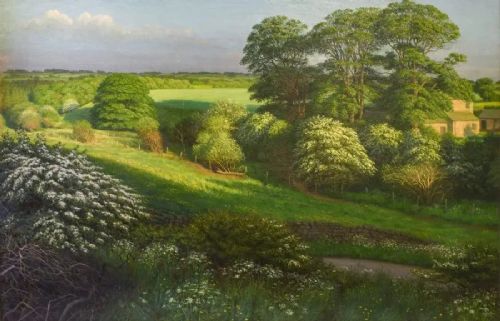
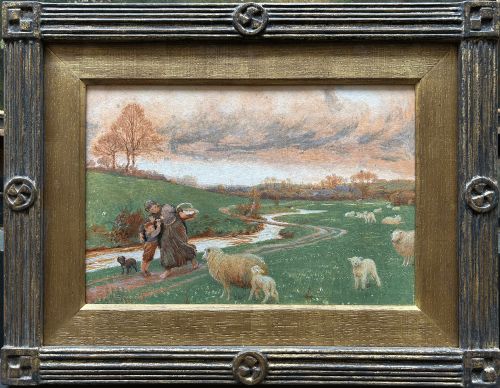
A rural scene oil painting depicts landscapes, farmyards, cottages, and agricultural life across the nineteenth and twentieth centuries. These works frequently capture figures tending fields, herding cattle, or working near rivers under various seasonal conditions.
The most common examples on this page date from the Victorian period through the early twentieth century, encompassing British, French, and Flemish traditions. Canvas, wood panels, and boards serve as the primary supports for these pastoral compositions.
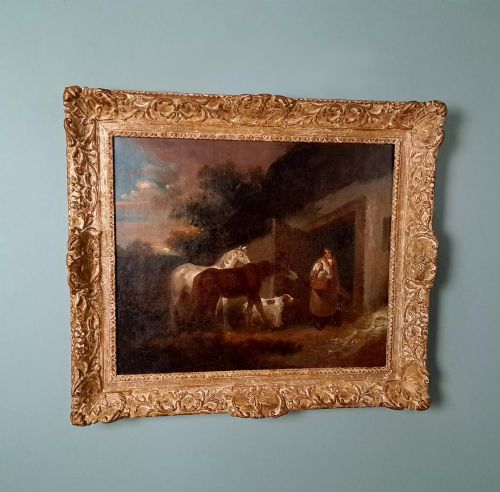
Makers ranging from named regional artists to anonymous regional schools produced these works in styles spanning traditional realism, impressionism, and post-impressionism. Subjects vary from quiet village streets to working horses and livestock in pastures.
Quality factors
The degree of artistic skill in handling perspective, light, and naturalism distinguishes finer works from simpler student or decorative pieces. Compositional balance and the expressive capture of figures, animals, and atmosphere reveal the artist's training and hand.
The condition of the painted surface and the retention of the original wooden or gilt frame influence the integrity of the piece. Works that show minimal intervention over time preserve the artist's original touch more completely.
Rural Scene Oil Painting Retail Price Guide 2026
Typical asking prices for rural scene oil painting among the pieces listed under this phrase on Sellingantiques today, from the lower quarter to the upper quarter. They describe what is for sale here now, not the wider market.
Listings feature works spanning the nineteenth century through the 1960s, executed in oil on canvas, wood, panel, and board.
William Joseph Shayer Senior·David Bates·Robert John Hammond·George Augustus Holmes·Thomas Sidney Cooper·Henry John Boddington
The Rural Scene Oil Painting Glossary
- Oil on Canvas
- A painting technique where oil paint is applied to a woven fabric support stretched over a wooden frame. This combination allows for varied brushwork and surface texture.
- Gesso
- A plaster-like mixture applied to wood frames or panels to prepare the surface for gilding or painting. It provides a smooth base for decorative mouldings.
- Wood Panel
- A rigid wooden support used by artists instead of canvas, particularly common in earlier or continental works. It offers a firm surface for detailed brushstrokes.
- Barbizon School
- A nineteenth-century French art movement focused on realist landscape and rural life painted directly from nature. Artists in this circle emphasised atmospheric truth over classical idealism.
- Impressionism
- A style characterised by visible brushstrokes, open composition, and an emphasis on accurate depiction of light in its changing qualities. Works in this mode often record everyday rural moments.
Rural Scene Oil Painting: Frequently Asked Questions
How do I date a rural oil painting?
Dating relies on stylistic clues, clothing of figures, framing materials, and artist signatures where available. Nineteenth-century works often show heavier varnish and traditional realism, while later periods introduce impressionist techniques.
Examining the reverse of the canvas, panel, or frame can reveal old exhibition labels, dealer stamps, or handwritten inscriptions that help narrow down the period.
Where should I hang these paintings?
These works suit traditional reception rooms, studies, or hallways where natural light complements the earthy tones of the countryside subject matter. Pairing them with period wooden furniture enhances their historic character.
Avoid placing oil paintings in direct sunlight or areas with high humidity to protect the paint layer and the wooden support from warping.
What subjects are included in these scenes?
Common subjects include farmyards, cottages, rivers, livestock, ploughing horses, and figures harvesting crops or herding cattle. Regional variations showcase English, French, and Flemish rural life.
Some pieces focus on quiet domestic moments, such as feeding animals or children playing outside, capturing daily life in past centuries.
Are these paintings signed by the artist?
Many works bear legible signatures, monograms, or dates applied by the artist, while others remain attributed to specific regional schools. Indistinct signatures or unsigned panels are also common in nineteenth-century and early twentieth-century art.
Documentation or attribution often rests on stylistic comparison with known works by the artist or associated regional movements.