


Framed Pastoral Oil Painting
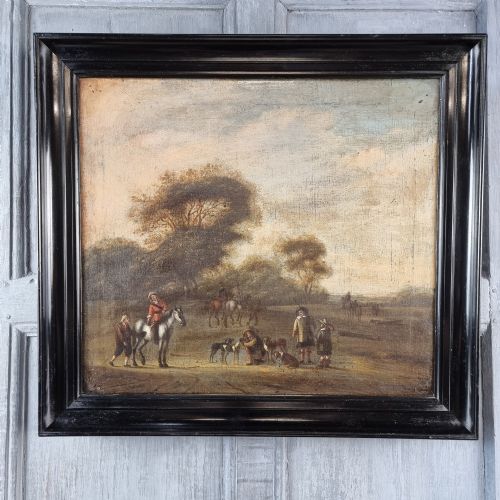
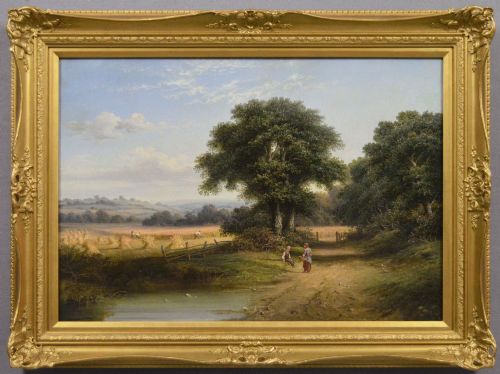
A framed pastoral oil painting captures the quiet rhythm of the countryside, offering any room a window onto historic rural life.
What They Are
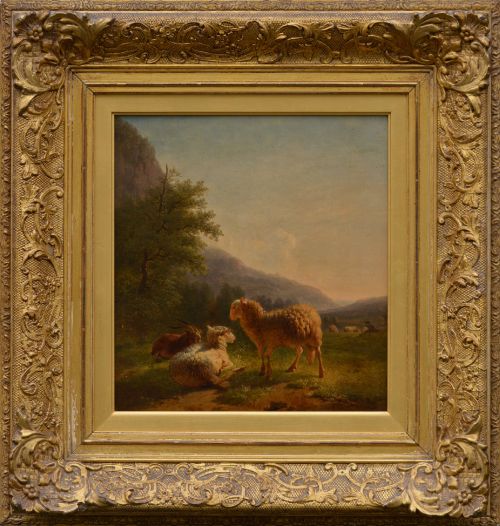
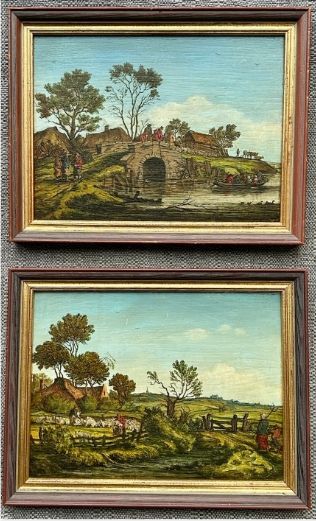
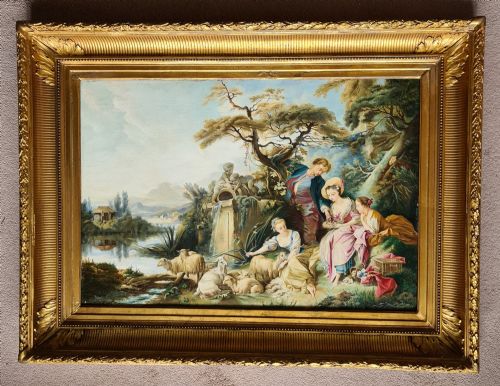
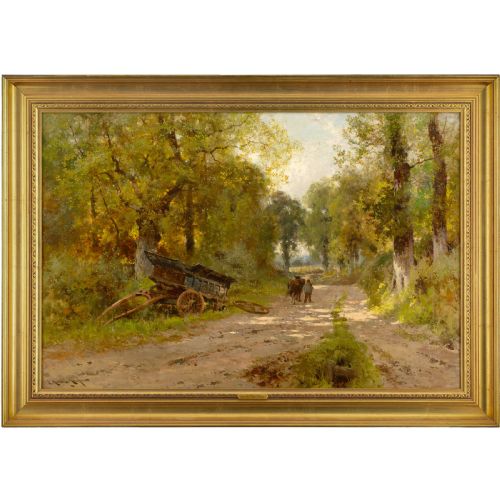
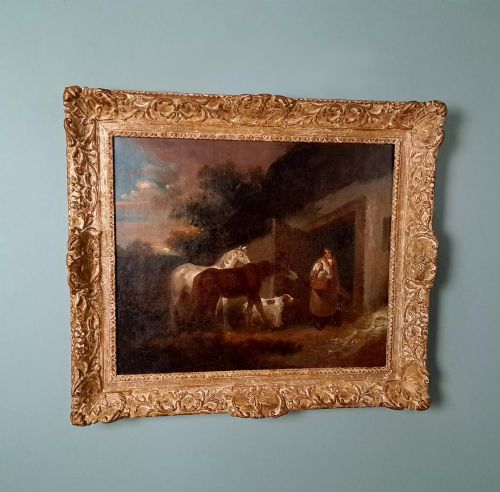
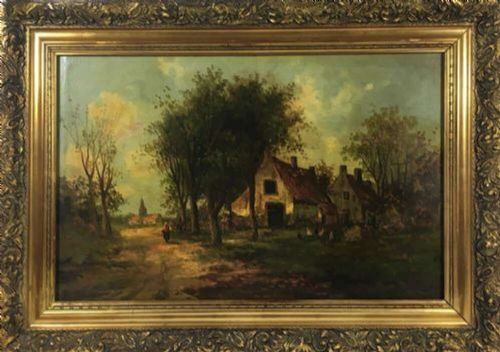
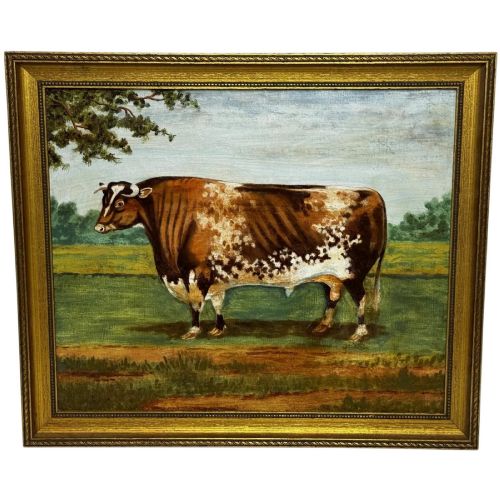
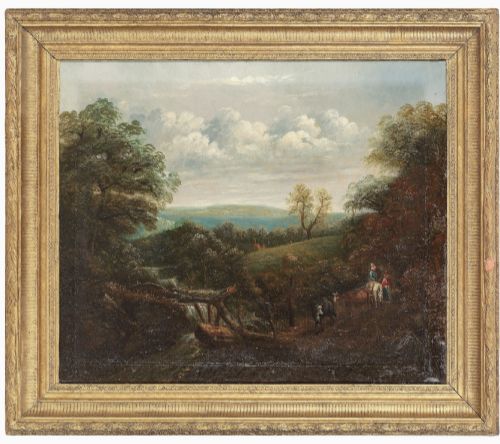
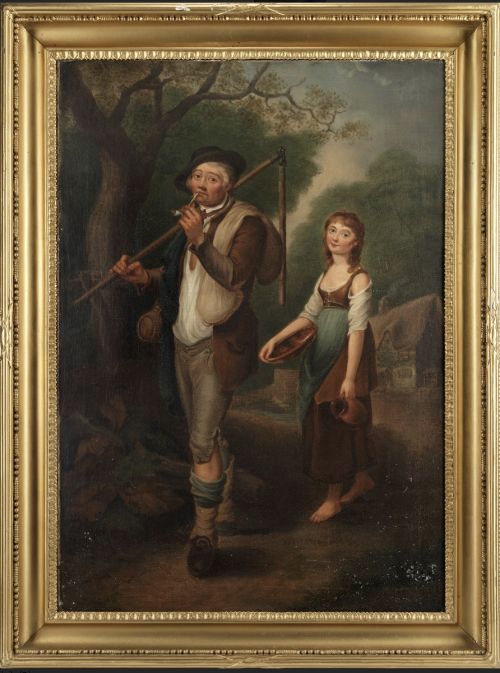
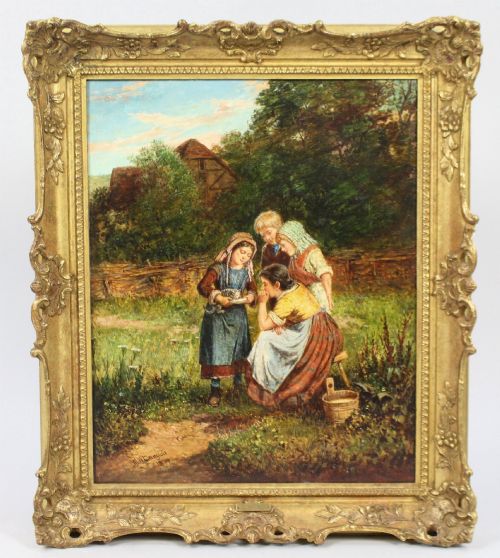
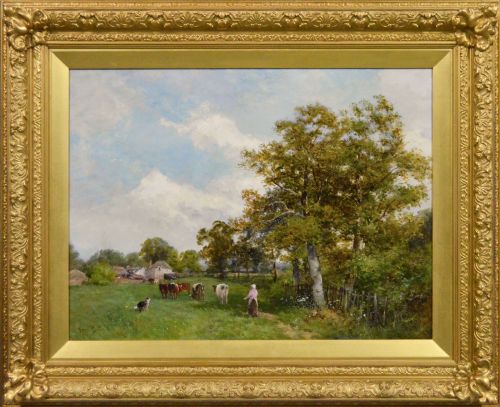
A framed pastoral oil painting depicts traditional rural scenes, typically featuring farmsteads, livestock grazing by rivers, or agricultural workers during the harvest. These works bridge the nineteenth-century fascination with the countryside and the enduring appeal of rustic domestic decoration.
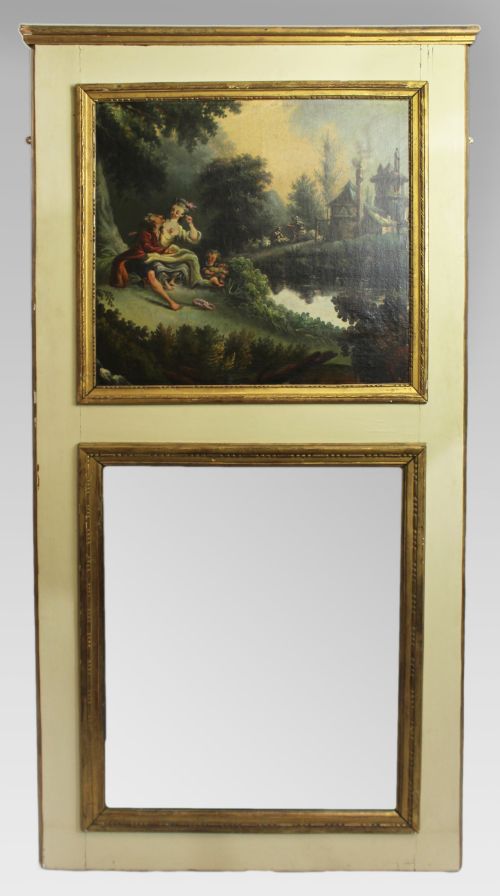
The selections available here span from the late Georgian era through the Victorian period and into the early twentieth century. Common formats include pastoral landscapes by the English School, British Impressionism, and Victorian Rural Naturalism.
Buyers encounter subjects ranging from cattle resting near the River Leam to quiet riverbanks on the Stour and busy farmyard scenes with horses. Each framed pastoral oil painting records a specific regional view interpreted through the lens of academic or impressionist practice.
How They Were Made
Artists applied oil paint using traditional brushes and palette knives directly onto woven canvas supports, building up layers of pigment to capture shifting light and natural textures. These materials allowed painters to render both the soft atmosphere of the sky and the dense detail of foliage and livestock.
Each canvas sits within a complementary frame constructed from wood, embellished with gesso mouldings, and finished with gilded wood or giltwood leaf. The frames provide structural support while framing the artwork with period-appropriate ornamentation.
Retail Price Guide 2026
Typical UK retail prices for framed pastoral oil painting, calculated from the Sellingantiques database of over a million retail prices indexed since 2003. This retail price guide relies exclusively on Sellingantiques data; no external sources or auction records are used, so the figures do not describe the wider market.
Cattle and horses frequently interrupt the scenery, proving that Victorian artists knew farm animals rarely stood still.
What Varies in Quality
Superior works demonstrate a confident command of light, shadow, and anatomy, particularly in the rendering of livestock and human figures actively engaged in rural labour. The finest examples convey a genuine sense of atmosphere and seasonal mood rather than relying on formulaic composition.
William Sydney Cooper·Thomas Baker of Leamington·Arthur Walker Redgate·Owen Bowen·George Cole
The Framed Pastoral Oil Painting Glossary
- Canvas
- A heavy woven fabric stretched tightly across a wooden frame to serve as the primary support for oil painting.
- Gesso
- A plaster-like mixture applied to wooden frames as a smooth base before gilding or painting.
- Giltwood frame
- A wooden picture surround covered with a thin layer of gold leaf or gold paint to provide a decorative finish.
- Pastoral
- A style of art that idealises rural life, shepherds, and agricultural settings.
- English School
- A collective term for artists working in England, encompassing various regional and stylistic developments across the eighteenth and nineteenth centuries.
Frequently Asked Questions
How do I date an old oil painting?
Dating relies on examining the canvas weave, the composition style, the framing technique, and any signatures or inscriptions left by the artist.
Historical records and stylistic traits typical of periods such as the Georgian era or Victorian naturalism also help narrow down the decade of creation.
Where should I hang a pastoral landscape?
These works suit living rooms, studies, or dining spaces where traditional furnishings complement the rich tones of oil paint and gilded frames.
Avoid placing them in direct sunlight or areas prone to high humidity to protect the canvas and the gesso frame.
What is the difference between academic and impressionist works?
Academic paintings emphasise precise detail, careful draughtsmanship, and smooth blending, whereas impressionist pieces focus on loose brushwork and the transient effects of light.
Both approaches were used by British artists to depict rural subjects during the nineteenth and early twentieth centuries.
Are original frames important?
Original frames made of gilded wood and gesso contribute significantly to the historic character and visual harmony of the artwork.
Collectors appreciate pieces that retain their period surrounds, as these elements complete the object as a unified historical artefact.