




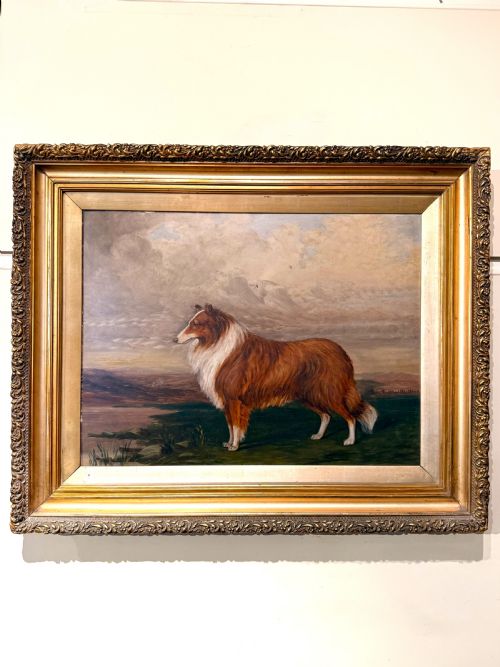
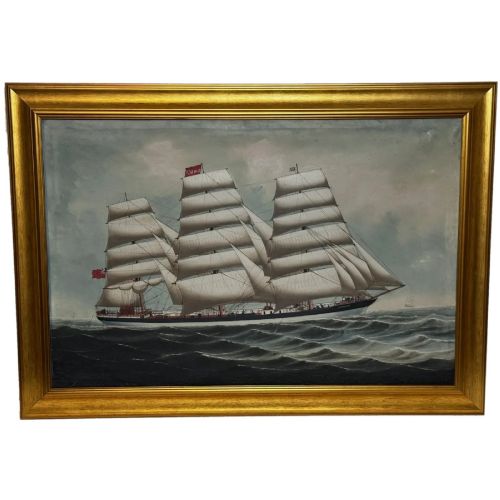
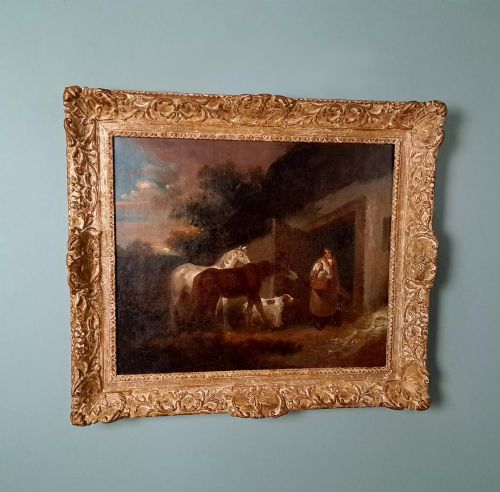
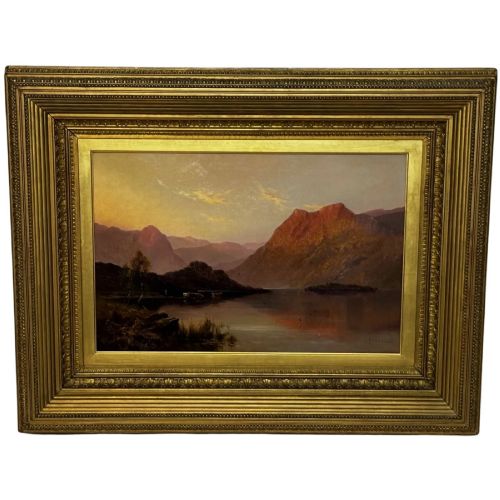
Vintage Oil Landscape
These vintage oil landscape paintings capture rolling countrysides and moody coastlines through rich pigment.
Vintage Oil Landscape
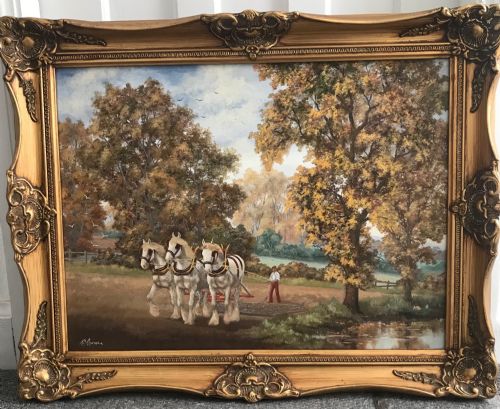
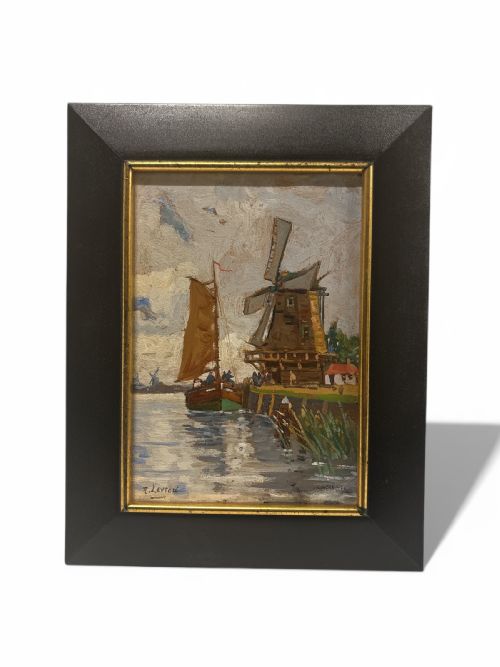
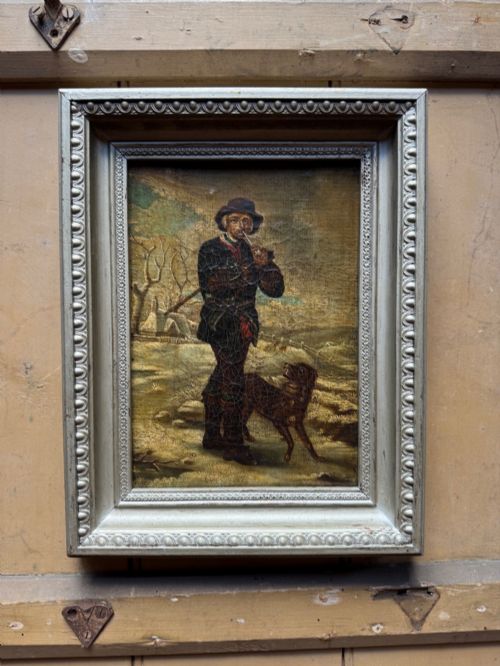
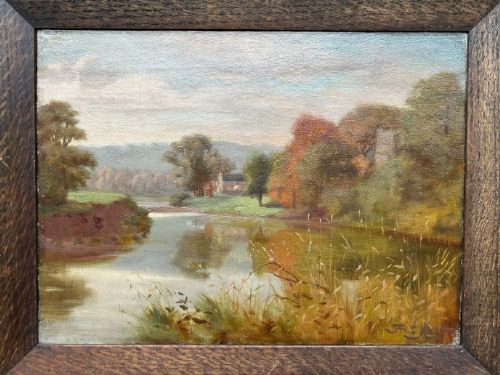
When you search for a vintage oil landscape, you encounter framed original artworks depicting rural valleys, coastal views, and woodland scenes. The selections span from nineteenth-century academic works to mid-twentieth-century British and European regional paintings.
Most pieces on this page originate from the Victorian era through the mid-twentieth century. Subjects range from Scottish highlands and Yorkshire dales to quiet pastoral farmsteads and marine harbours.
Collectors seek these works for their atmospheric depth, tactile pigment application, and authentic period framing. They anchor domestic interiors with traditional character and historical narrative.
How They Were Made
Artists painted primarily with oil-based pigments applied to woven canvas, rigid wood panels, or sturdy composition boards. These traditional supports allowed painters to build up textured layers and subtle colour gradations.
Many works utilise heavy impasto techniques where thick paint catches the light, creating tangible relief on the surface. Others employ en plein air methods, capturing direct natural light and fleeting atmospheric conditions outdoors.
Finished compositions were housed in wooden frames, often accented with gilt detailing to complement the interior decoration of their respective eras.
Vintage Oil Landscape Retail Price Guide 2026
Typical asking prices for vintage oil landscape among the pieces listed under this phrase on Sellingantiques today, from the lower quarter to the upper quarter. They describe what is for sale here now, not the wider market.
The listings feature oil paintings on canvas, wood panel, and board across the nineteenth and twentieth centuries.
What Varies in Quality
The distinction between tiers rests upon the artist's command of light, composition, and brushwork dexterity. Masterful pieces convey genuine atmospheric weight and spatial depth rather than relying on formulaic formulas.
Material longevity and the preservation of the original paint surface dictate overall excellence. Works retaining their untouched pigment layers and period-appropriate framing hold stronger appeal for discerning buyers.
Kenneth Cozens·William H Myers·Tom Campbell·Clifford Hanney·Frederick Marriott·Alfred Fontville de Breanski Jr·Sidney A Court·George Houston·Herbert Royle·James Kay·Augusto Alberici·Gabriel Mathieu·Arthur Gue·Thomas Smythe·Charles Houben·Andrew Kurtis·Percy Hipkiss·Walter C Horsnell·William B Dealtry·William Maxwell Reekie·David Woodford·Roger Hanier Hampson·Lewis Creighton·Jack Cross·Owen Bowen
The Vintage Oil Landscape Glossary
- Impasto
- A technique where paint is laid onto a canvas in very thick layers, usually thick enough that the brush or painting-knife strokes are visible. This method adds a tactile, three-dimensional quality to the surface.
- En plein air
- The act of painting outdoors to capture the actual light and changing details of an outdoor scene. Artists utilised portable easels to complete compositions directly in nature.
- Canvas
- A closely woven fabric used as a surface for oil painting, typically stretched over a wooden wooden frame. It provides a flexible yet durable support for heavy pigment.
- Board
- A rigid wooden or composite sheet utilised as a painting support instead of fabric. Panels offered artists a stable, smooth ground resistant to sagging.
- Gilt
- A thin layer of gold leaf or gold paint applied to wooden frames. This decorative finish enhances the presentation of the artwork.
Vintage Oil Landscape: Frequently Asked Questions
How do I clean an oil landscape?
Dust the surface gently with a soft, dry brush to remove loose particles without disturbing the aged pigment.
Avoid using water, chemical cleaners, or damp cloths, as moisture damages traditional varnish and exposed paint layers.
Are these paintings signed by the artist?
Many works feature visible artist signatures or monograms inscribed directly into the wet paint or noted on the reverse.
Unsigned pieces frequently attribute to specific regional schools based on technique, subject matter, and historical framing.
Where should I hang my painting?
Select an interior wall away from direct sunlight and excessive humidity to protect the canvas and wooden support.
Position the artwork at eye level to appreciate the brushwork and atmospheric depth of the composition.
What is the difference between canvas and board?
Canvas consists of woven fabric stretched over a wooden frame, offering slight give and a textured weave beneath the paint.
Board provides a completely rigid, unyielding surface favoured by artists painting outdoors on location.