



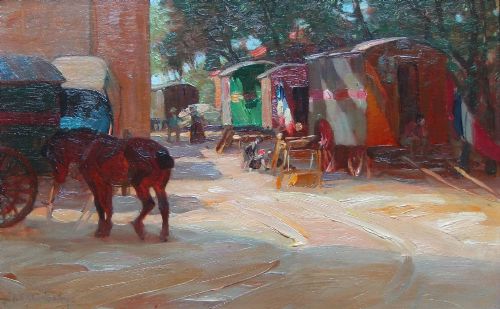
French Impressionist Landscape Painting
A French impressionist landscape painting captures light and atmosphere with loose brushwork, bringing the countryside, riverbanks and coastlines of France directly into interior spaces.
French Impressionist Landscape Painting
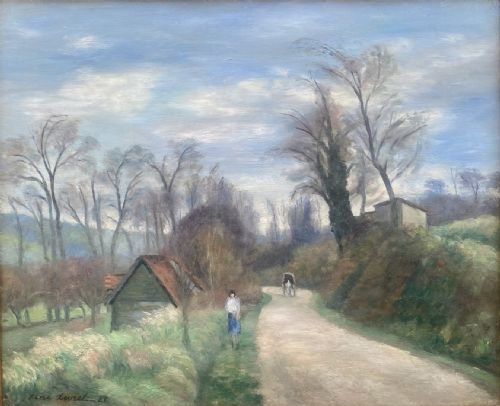
A French impressionist landscape painting records the natural world through visible brushstrokes and an emphasis on changing light, frequently depicting rural scenes, rivers, and coastal views. These artworks span from the nineteenth century into the mid-twentieth century, including related works in post-impressionism and the Barbizon school.
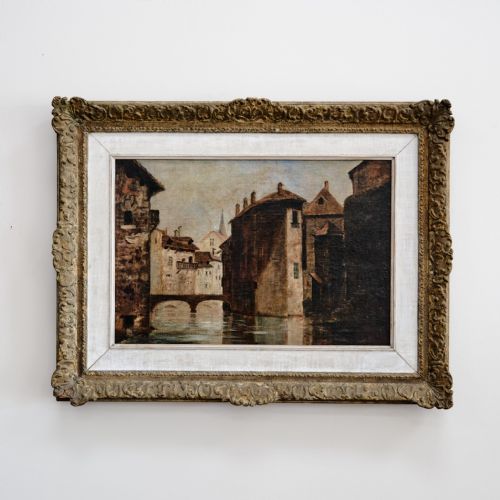
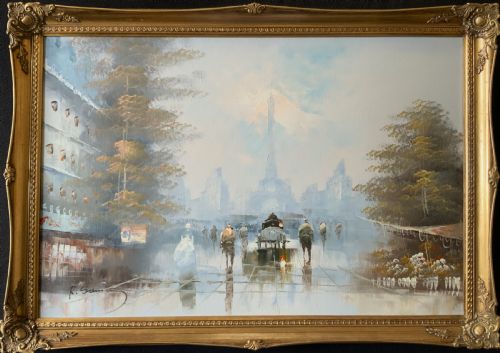
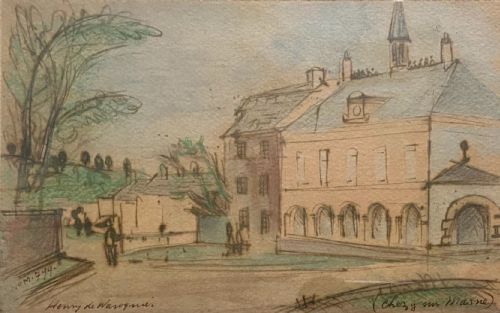
Buyers will encounter various formats on this page, principally oil paintings on canvas or panel, alongside watercolours, gouache, and mixed media works on paper. Many pieces arrive housed in period frames, including gilt wood designs that complement the painterly aesthetic of the canvas.
How They Were Made
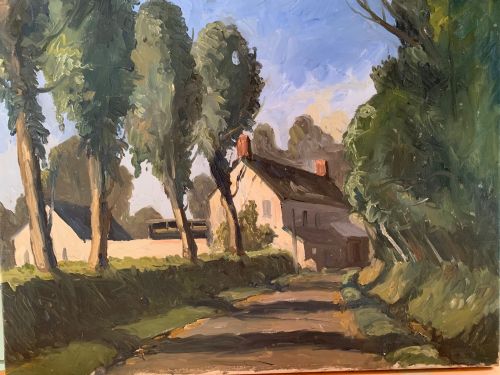
Artists applied oil paint or watercolours to prepared canvas, wood panel, or paper surfaces, often building texture with thick application known as impasto. Support materials range from stretched canvas to wooden boards and heavy paper, sometimes enhanced with gesso grounds before painting.
Framing typically involved carved wood and gesso moulding, frequently gilded to finish the presentation of the artwork. Painters worked either <i>en plein air</i> outdoors or within studios using preparatory sketches and watercolours.
Listings feature works created across multiple decades, including pieces from the nineteenth century through the 1960s.
What Varies in Quality
The strength of a French impressionist landscape painting depends upon the confidence of the brushwork and the artist's ability to convey atmospheric light. Works that demonstrate a distinct personal hand and secure compositional balance stand apart from more formulaic student pieces.
Condition of the painted surface and originality of the matching frame also influence the overall character of the piece. Surviving works retain their original pigments and structural support without excessive overpainting or destabilising canvas tears.
Gabriel Mathieu·Arthur Gué·Paul Bret·Hector Caffieri·Henri Ottmann·Rene Levrel·Erich Mercker·Paul Désiré Trouillebert·Henry de Waroquier·Paul Ehrenberg·Paul-Élie Gernez·Caroline Burnett·Honore Cavaroc·Charles Clair·Henri Jaques Delpy·Paul-Jean Anderbouhr·Gaston Cornil·Raymond Moritz·Louis Suire·Gustave Vidal·Jean-Baptiste Olive·Raymond Picque·William Lee Hankey·Raimond Louis Lecourt·Fred Pailhes
The French Impressionist Landscape Painting Glossary
- Canvas
- A heavy woven fabric stretched across a wooden frame to form the primary support for oil paintings. It provides a textured surface that holds layered brushwork securely.
- Gesso
- A traditional paint mixture consisting of a binder mixed with chalk, gypsum, or pigment, used to prepare wood panels or canvases before painting. It creates a smooth, stable ground for oil or tempera.
- Gilt wood
- Wood carved and coated with a thin layer of gold leaf or metallic powder, commonly utilised for antique picture frames. It adds a reflective border that complements landscape compositions.
- Barbizon school
- A mid-nineteenth-century French art movement focused on tonal realism and painting outdoors, heavily influencing later impressionist landscapes. Painters in this group concentrated on direct observation of forests, plains, and rural life.
French Impressionist Landscape Painting: Frequently Asked Questions
What subjects do these paintings show?
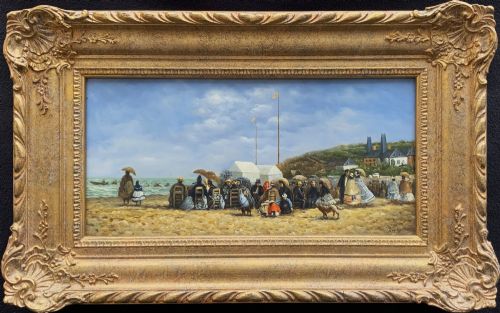
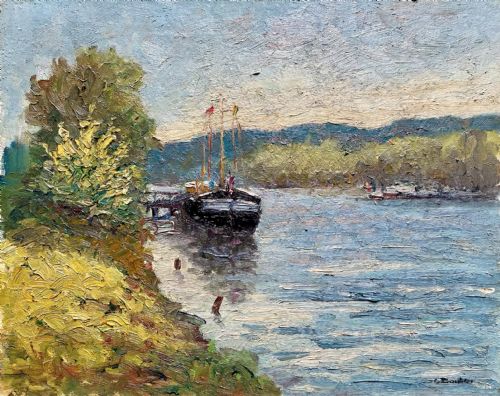
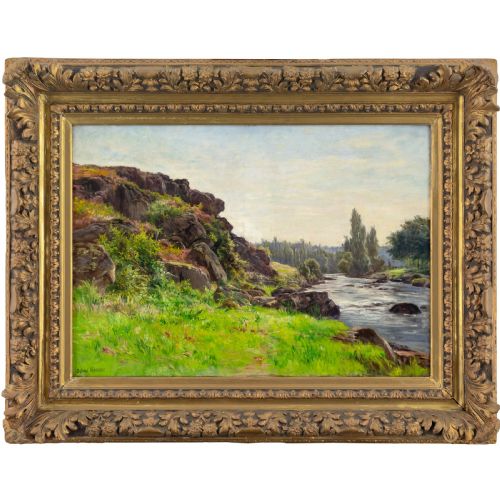
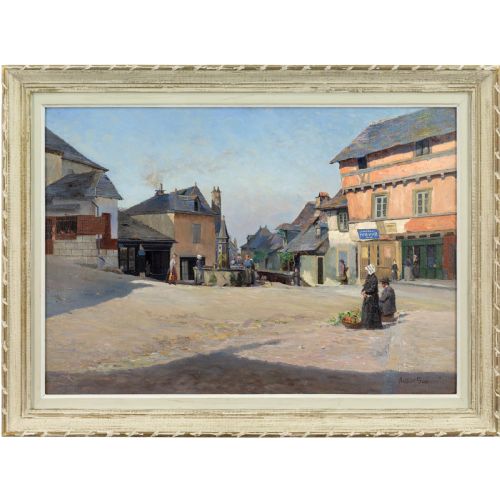
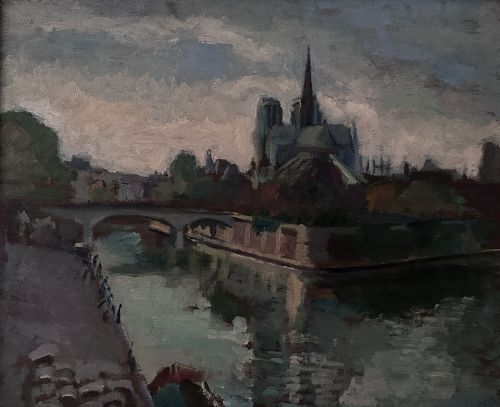
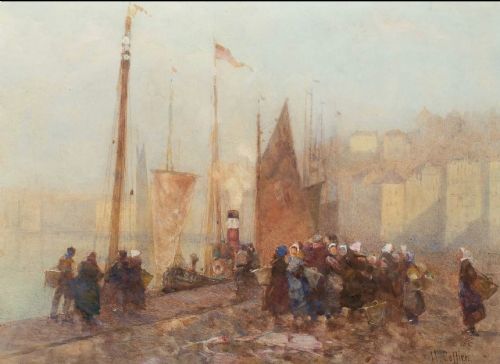
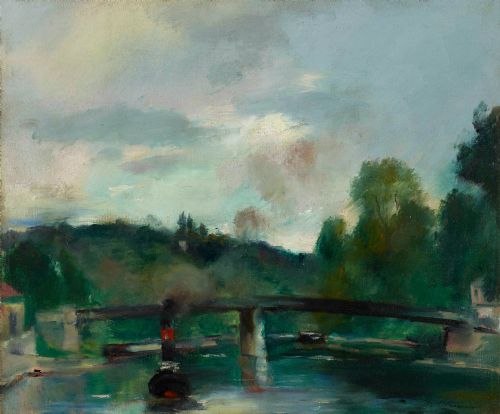
These artworks depict rural countryside views, riverbanks, city streets, harbours, and coastal cliffs across various regions of France. Scenes often capture everyday rural life, working horses, figures gathering fuel, or ships in harbour.
Compositions focus heavily on natural lighting effects, seasonal changes, and topographical views ranging from Normandy to the Mediterranean coast.
How do I care for an oil painting?
Display oil paintings away from direct sunlight, high humidity, and rapid temperature fluctuations to protect both the canvas and the wooden support. Keep the surface clean using a soft, dry brush to remove dust gently from the paint and frame.
Avoid using liquid cleaners or damp cloths on the painted surface. Professional conservators should handle any structural repairs or varnish removal.
Are these works original paintings?
The selection consists primarily of original hand-painted works in oil, watercolour, gouache, and mixed media created directly by the artists. Each piece represents a unique execution rather than a modern reproduction.
Signatures, artist biographies, and period materials help establish the authenticity of individual pieces within the inventory.
How do I date a French landscape?
Dating relies on recorded artist working dates, stylistic shifts from nineteenth-century realism toward impressionism, and framing materials. Signatures, exhibition labels, and written annotations on the reverse of panels or stretchers provide further chronological clues.
Comparative analysis with documented works by the same painter helps narrow the period of creation.