



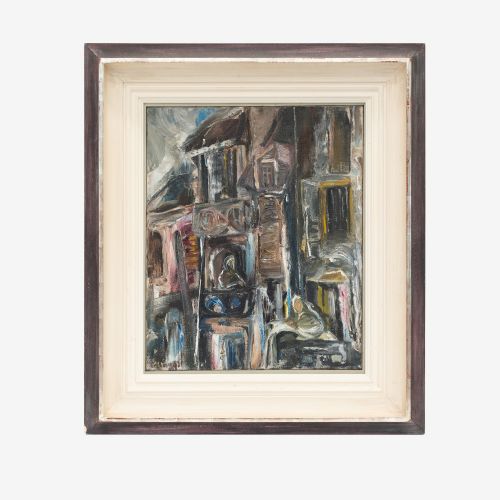
French Fine Art Painting
French fine art painting captures centuries of academic mastery, portraiture, and landscape tradition through oils on canvas.
French Fine Art Painting
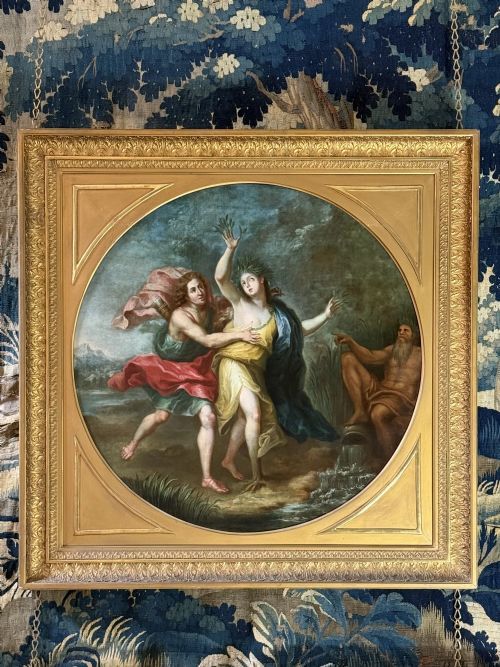
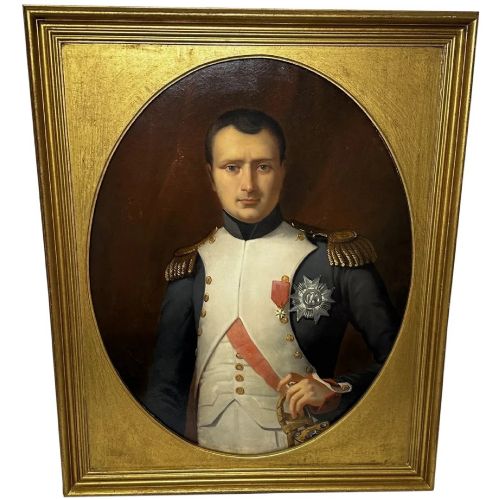
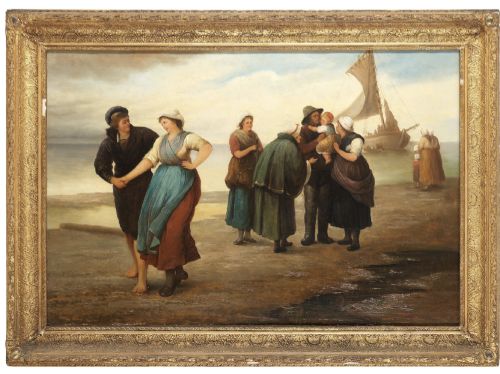
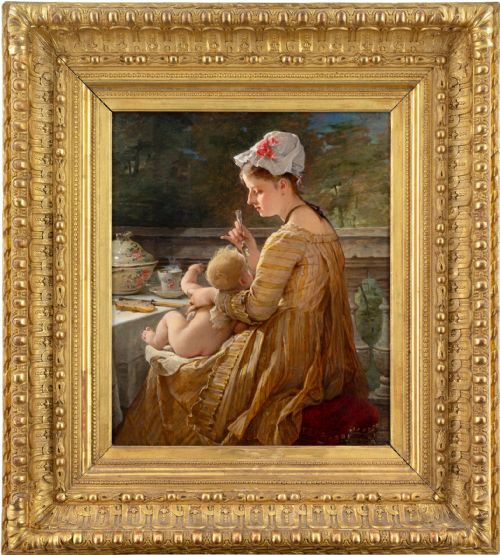
When seeking french fine art painting, a buyer navigates an extensive selection spanning the seventeenth century through to the mid-twentieth century. Works commonly manifest as framed oil paintings on canvas or panel, capturing classical mythology, intimate portraiture, and coastal landscapes.
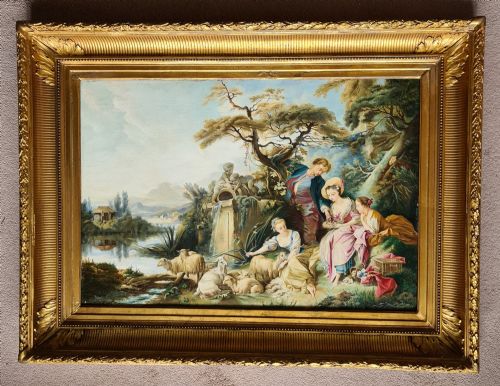
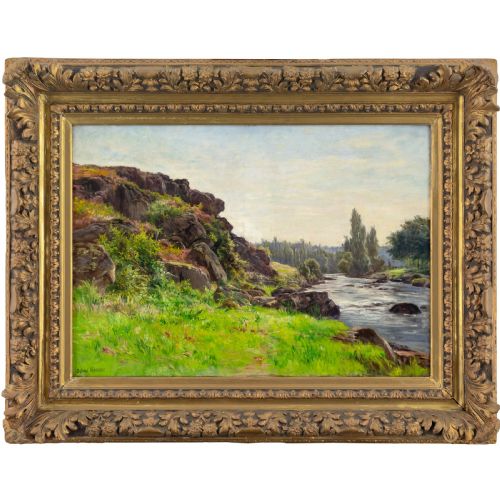
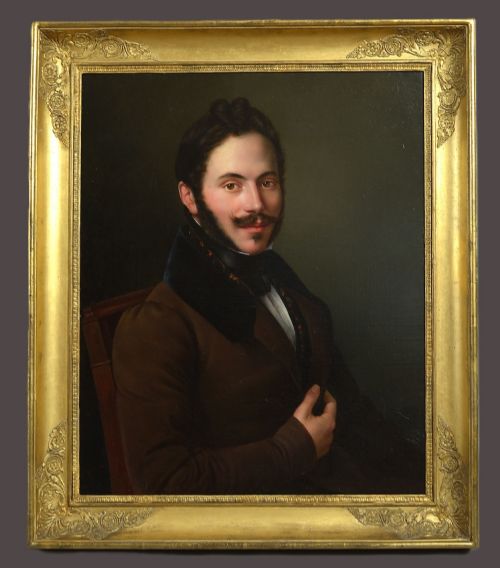
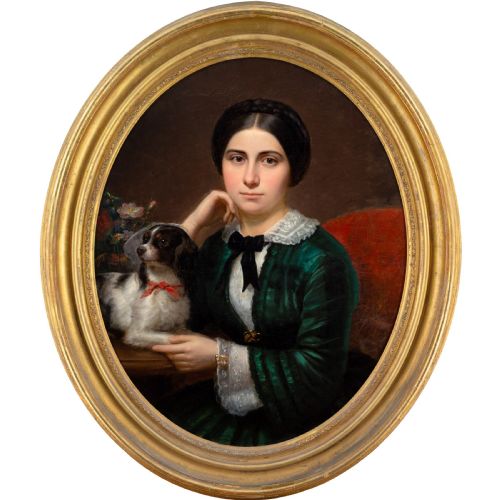
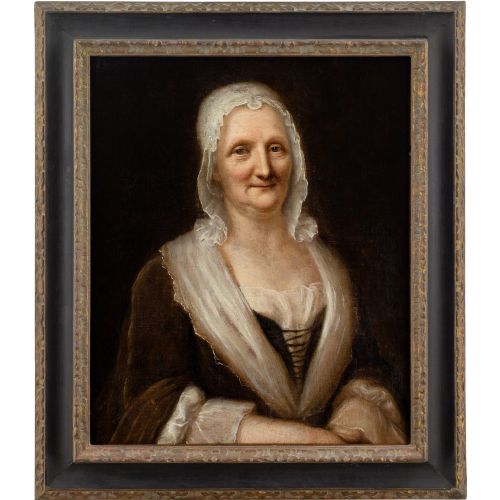
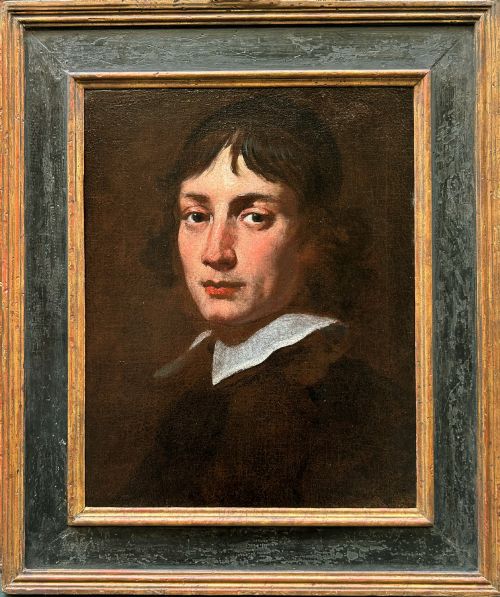
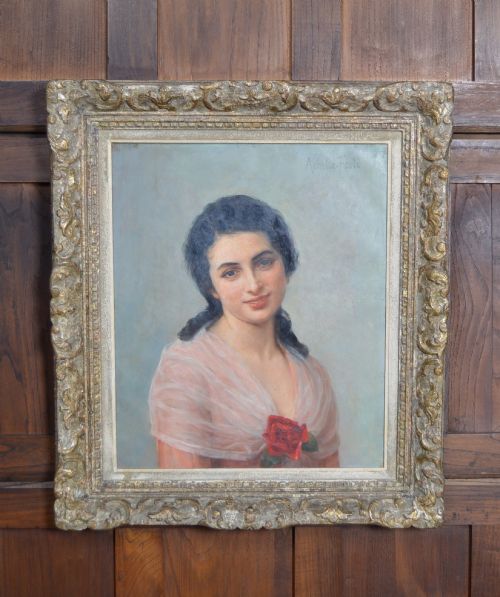
The objects derive largely from distinct regional schools and historical periods, including the Barbizon movement, Post-Impressionism, and French Baroque. Collectors frequently encounter expressive portraits of gentlemen and ladies alongside pastoral scenes executed by named academic and regional artists.
How they were made
The physical foundation of these works relies predominantly upon oil paint applied to prepared canvas or wood panels. Painters manipulated pigment to build rich textures, frequently incorporating watercolour and gouache in specific illustrative or preparatory contexts.
Presentation and preservation relied heavily on traditional framing techniques using wood, gesso, and giltwood. Elaborate gilt frames enhanced the visual depth of portraits and historical genre scenes while protecting the edges of the stretched fabric.
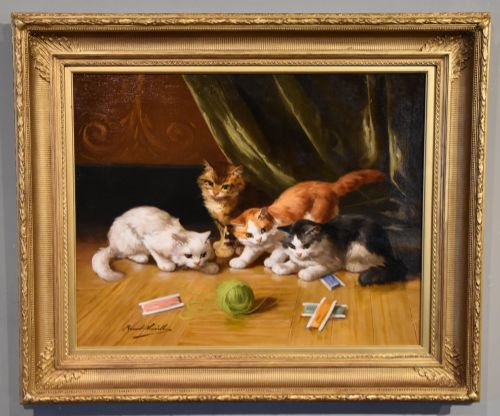
A feline subject breaks the solemnity of historic portraiture when kittens play across the canvas.
What varies in quality
The upper tier of the range is distinguished by the surety of the painter's brushwork, anatomical precision in portraiture, and the compelling psychological presence of the subject. Masterful handling of light and atmospheric perspective separates ambitious academic compositions from more formulaic workshop productions.
Provenance and historical attribution elevate certain works significantly, especially those securely linked to documented practitioners or prestigious exhibitions. The integrity of the original surface, alongside the harmonious pairing with period giltwood frames, also governs desirability.
Charles-Antoine Coypel·Francois Boucher·Pierre Mignard·Edouard Pingret·Paul Desire Trouillebert·Alfred Arthur Brunel de Neuville·Lilian Colbourn·Benjamin Eugene Fichel·Charles Zacharie Landelle·Edouard Julien·Gaston Cornil·Raymond Moritz·Alexandre Le Bihan·Henri Vincent-Anglade·Jean-Baptiste Olive·Edgard Maxence·Gabriel Dauchot·Georges Goursat·Nicolas Fouche·Mercedes Legrand·Charles Jean Agard
The French Fine Art Painting Glossary
- Oil on Canvas
- A traditional painting medium where pigments are bound with drying oils and applied to stretched woven fabric. This combination allows for rich blending and depth of colour.
- Giltwood
- Wood that has been coated with a thin layer of gold leaf or powder. It is frequently carved into decorative mouldings for period picture frames.
- Barbizon School
- A nineteenth-century French art movement dedicated to naturalistic landscape painting. Artists associated with this group worked directly from nature, focusing on light and weather.
- Gesso
- A paint mixture consisting of a binder mixed with chalk, gypsum, or pigment. It prepares rigid panels or canvas surfaces to receive oil paint.
- Post-Impressionism
- An art style developing roughly between the late nineteenth and early twentieth centuries. It extends Impressionism while rejecting its limitations, emphasising symbolic content and heavier brushwork.
French Fine Art Painting: Frequently Asked Questions
How do I identify French portraits?
French portraiture from these periods often relies on sophisticated costume details, distinct facial modelling, and sophisticated handling of light on fabrics like velvet and azure cloth.
Signature placement, historical inscriptions on the reverse, or archival records regarding the sitter frequently confirm the precise origin and date of the work.
What is the Barbizon School?
The Barbizon School comprises French painters who gathered near the forest of Fontainebleau to paint landscapes directly from observation. Their focus on the atmospheric qualities of rural scenery marked a shift away from strictly academic historical subjects.
Works from this tradition display earthy palettes and expressive handling of light over forests, rivers, and fields.
Are these paintings supplied framed?
Many listings include period frames, frequently constructed from wood with gesso and giltwood ornamentation. These surrounds complement the aesthetic of the era in which the artwork was created.
Review individual descriptions to confirm whether the artwork retains its original period housing or a later complementary setting.
How should I care for oil paintings?
Oil paintings on canvas or panel require stable environmental conditions away from direct sunlight, excessive humidity, and rapid temperature fluctuations. Avoiding heat sources prevents the canvas or wood panel from warping and keeps the paint film stable.
Dusting should be performed gently with a dry, soft brush by professionals when deep cleaning or conservation is required.