

Antique Scottish Landscape Art
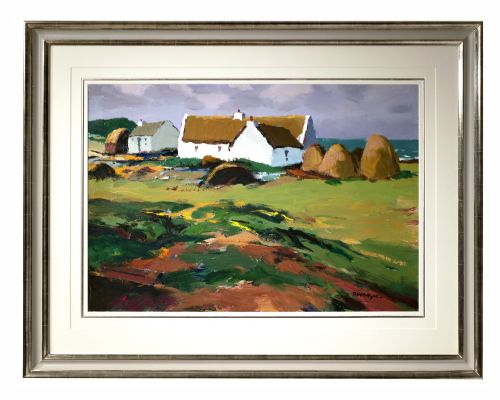
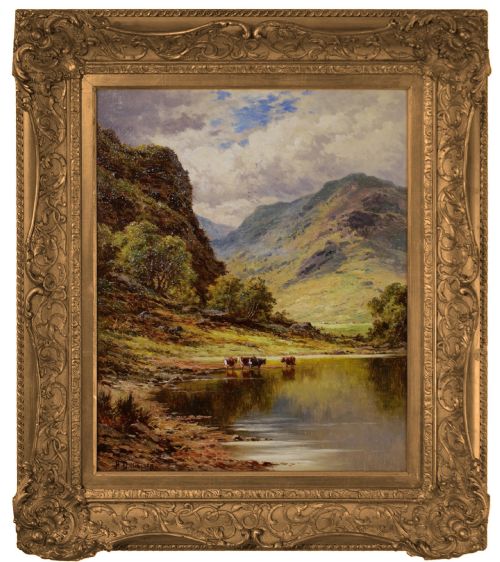
Antique scottish landscape art captures wild Highland scenery and tranquil lochs, bringing the rugged beauty of northern terrain straight into a room.
Understanding antique scottish landscape art
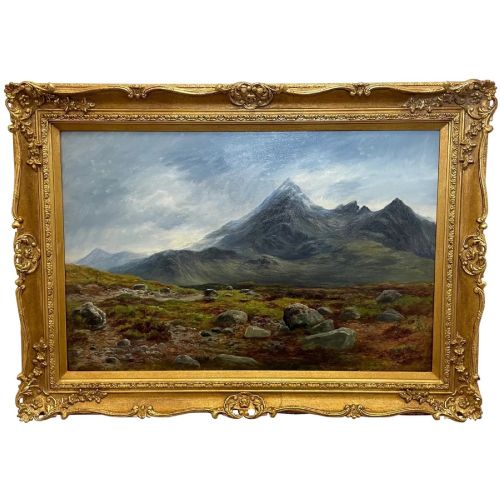
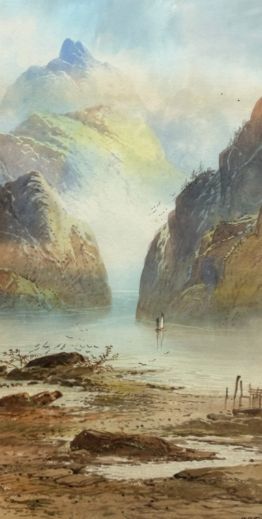
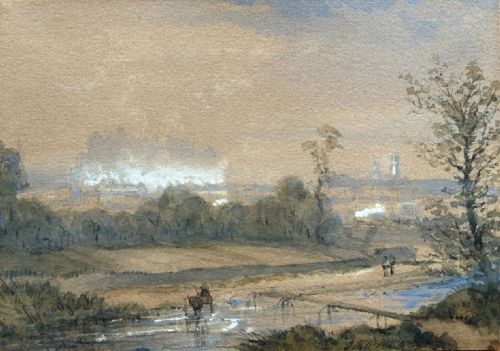
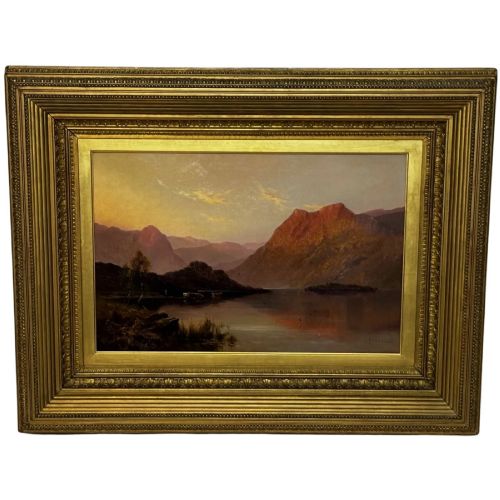
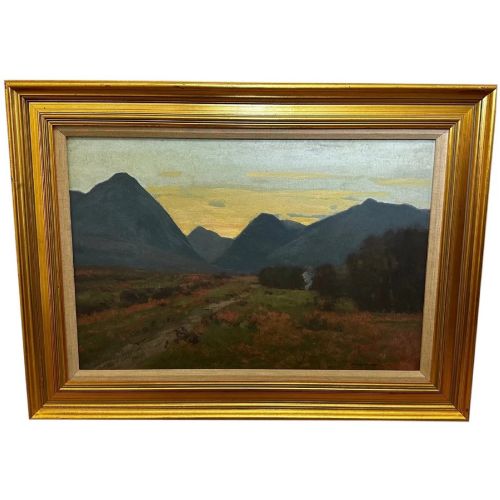
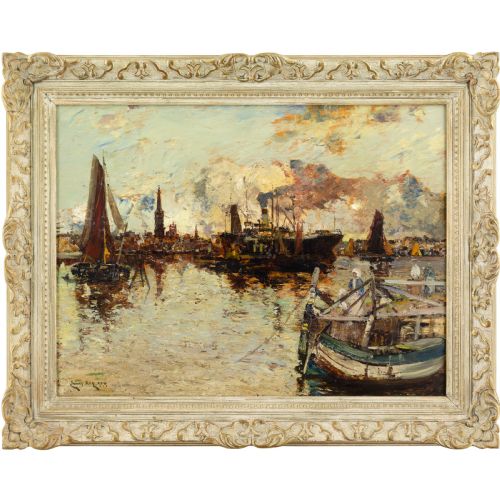
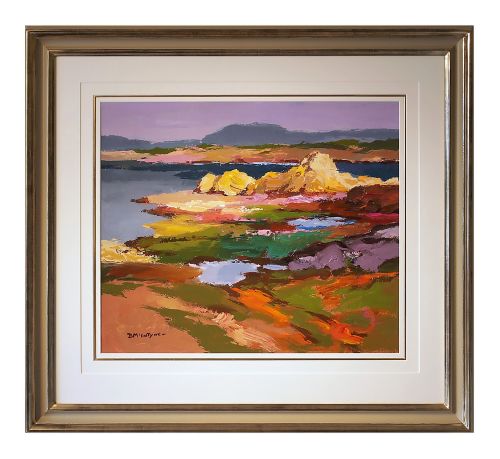
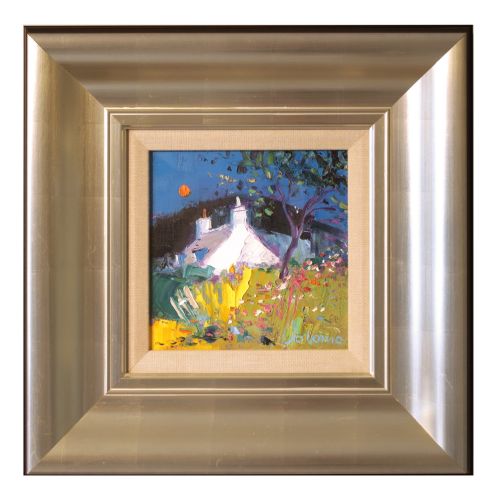
When you search for antique scottish landscape art, you encounter framed works depicting lochs, mountains, highland cattle and quiet rivers. These pieces capture the atmospheric terrain of Scotland through the eyes of Victorian and late nineteenth-century painters.
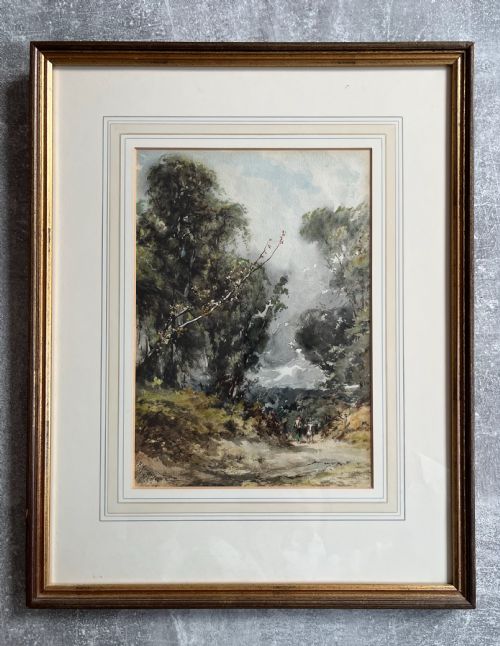
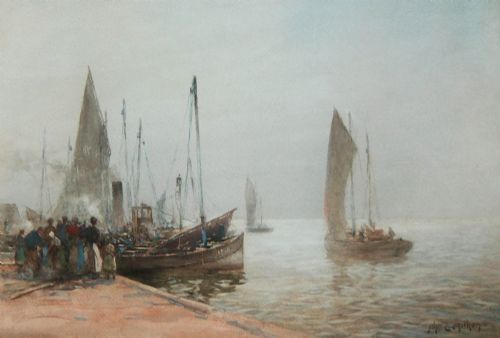
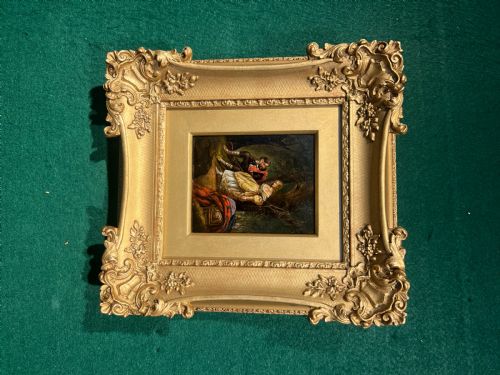
The most common examples on this page are oil paintings on canvas or wood panel, alongside signed watercolours. Many arrive in their period giltwood frames, preserving the original presentation of the artwork.
The periods represented span the nineteenth century, including specific dates around eighteen fifty, eighteen ninety and nineteen hundred. Victorian and Edwardian aesthetics dominate, reflecting a period of intense artistic interest in romantic Scottish scenery.
Materials and technique
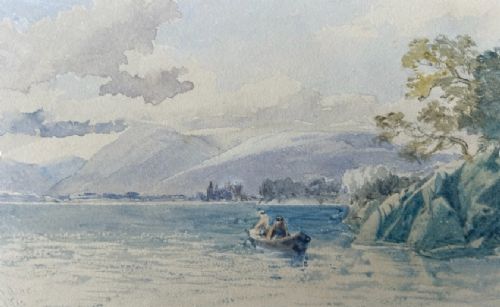
Artists painted primarily with oil paint on canvas or wood panel, occasionally utilising watercolour on paper. Support materials range from stretched canvas to solid wood boards.
Frames are constructed from wood and embellished with gesso before receiving a gilt finish. These period gilt frames complement the dark, rich tones typical of nineteenth-century Scottish landscape painting.
Retail Price Guide 2026
Typical UK retail prices for scottish landscape art, calculated from the Sellingantiques database of over a million retail prices indexed since 2003. This retail price guide relies exclusively on Sellingantiques data; no external sources or auction records are used, so the figures do not describe the wider market.
Listings feature works from the Victorian and Edwardian periods, executed in oil and watercolour on canvas, panel and board.
Judging quality in the range
Quality reveals itself in the confidence of the brushwork and the management of light across water and mountain. Finer works capture the shifting Highland weather with subtlety, whereas lesser examples rely on formulaic foliage and heavy, uninspired skies.
The preservation of the original gilt frame contributes significantly to the overall integrity of a piece. Frames retaining their original gesso moulding and gold leaf without heavy restoration elevate the presentation of the artwork.
Henry Hillier Parker·Frank Hider·Robert Buchan Nisbet·J Gibb·James Drummond
The Antique Scottish Landscape Art Glossary
- Oil on Canvas
- Pigment suspended in drying oil applied to a stretched woven fabric support. This was the primary medium for substantial nineteenth-century landscape painting.
- Giltwood
- Wood carved and coated with gold leaf or a metallic substitute. It defines the ornate frames typical of the Victorian period.
- Gesso
- A plaster-like mixture applied to wood frames to create a smooth surface for gilding. Intricate relief patterns are often moulded in this layer.
- RSW
- Royal Scottish Society of Painters in Watercolour. Membership indicates a recognised level of professional standing among Scottish artists.
Frequently Asked Questions
What periods do these paintings come from?
The works date predominantly from the nineteenth century, encompassing Victorian and Edwardian eras. Specific pieces align with dates such as eighteen fifty, eighteen ninety and nineteen hundred.
This timeframe reflects the height of romantic landscape painting in Britain, when artists frequently travelled north to capture the Scottish wilderness.
Are these paintings usually framed?
Many examples are presented in their original period gilt or giltwood frames. These frames often feature gesso mouldings appropriate to the Victorian era.
The combination of the canvas and its period frame provides a complete historical object ready for display.
What mediums were used by the artists?
Painters worked in oil on canvas, oil on wood panel, and watercolour on paper. Oil paint allowed for rich textures and deep tones, particularly suited to moody Highland skies.
Watercolours offered a lighter touch, often favoured for detailed atmospheric views of mills and lochs.
How do I identify a Scottish scene?
Subject matter provides the clearest indicator, typically featuring specific geographic markers such as lochs, Highland cattle, mountains and rivers. Titles and signatures often reference locations like Loch Etive or Killin.
Artists working in this genre frequently noted the Scottish setting directly on the reverse or within the title of the work.