
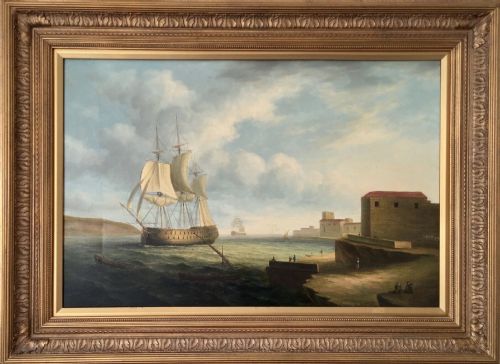


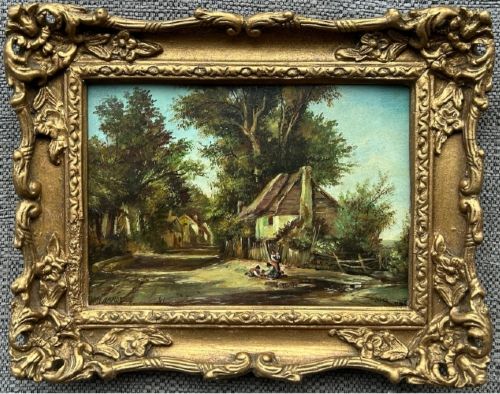
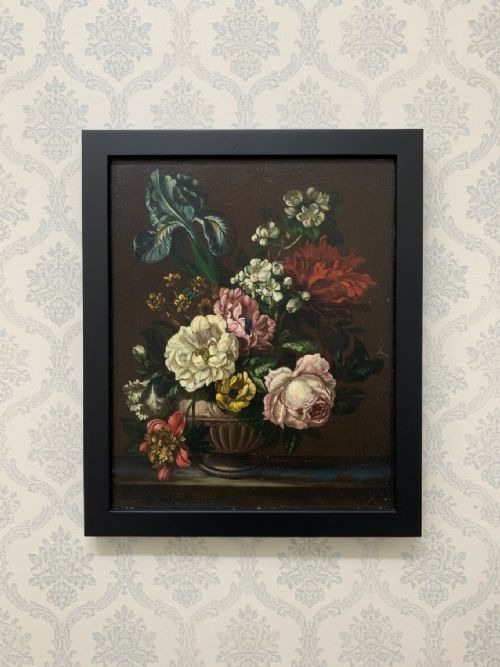
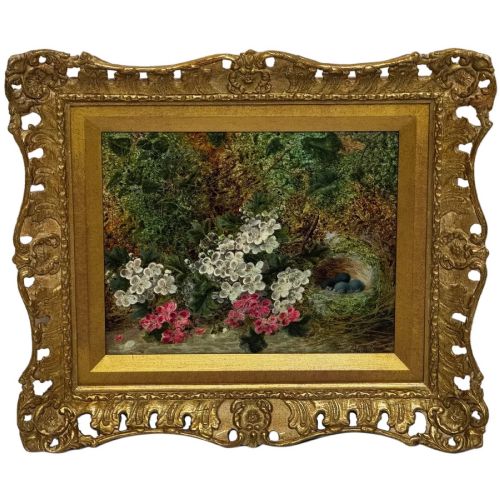

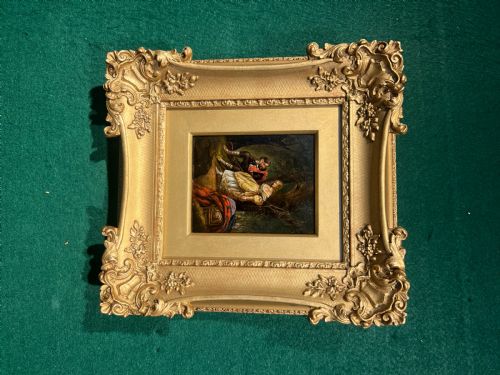
Oil on Panel Artwork
Oil on panel artwork brings together centuries of painted intimacy, offering the tactile grain of wood beneath rich layers of pigment.
Oil on Panel Artwork
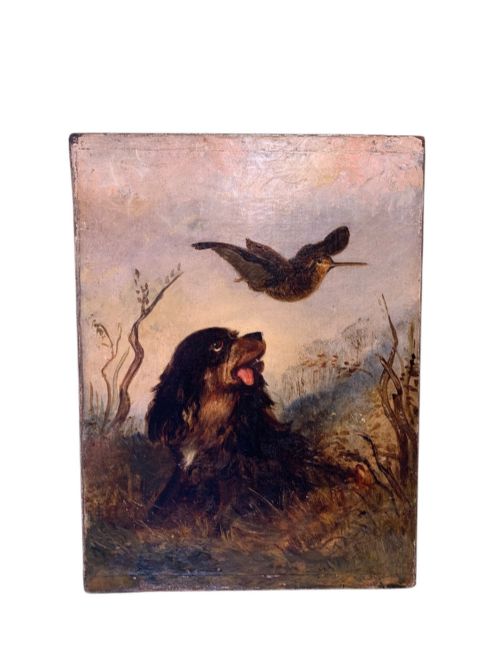
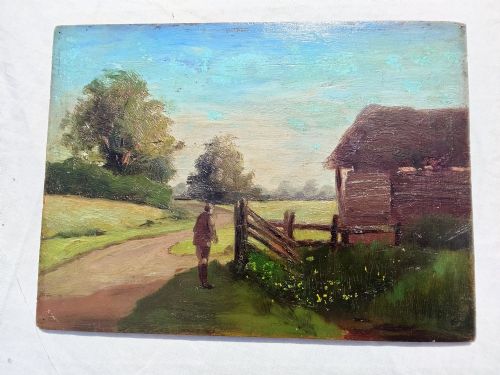
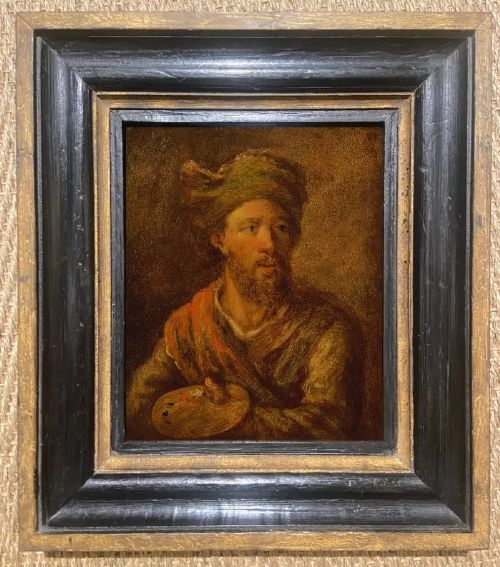
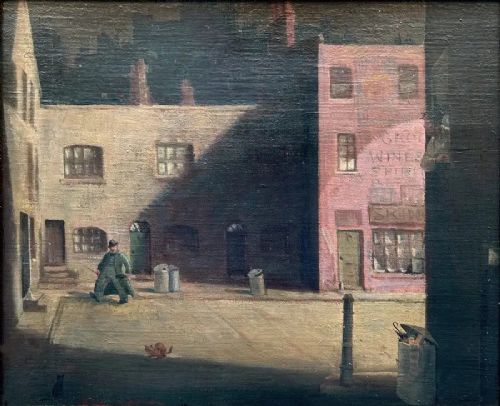
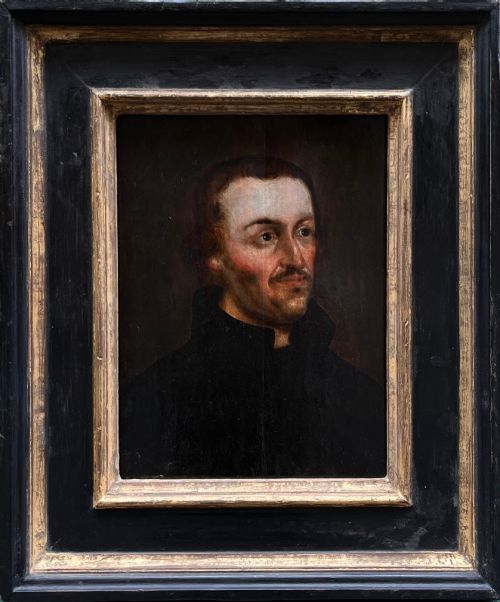
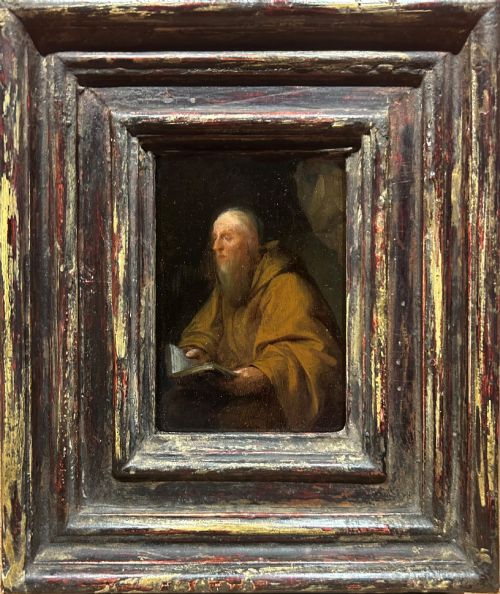
Oil on panel artwork spans several centuries of European painting traditions, capturing everything from intimate Dutch Golden Age still lifes to 19th-century British landscapes. These pieces rely on a solid wooden foundation rather than woven canvas, giving the painted surface a rigid stability that has preserved fine detail across generations.
The selections available here lean heavily toward 17th-, 18th-, and 19th-century examples, alongside early 20th-century works by British, French, and Scottish artists. Buyers frequently encounter framed portraits, pastoral scenes, and marine views executed on thin wooden boards or panels.
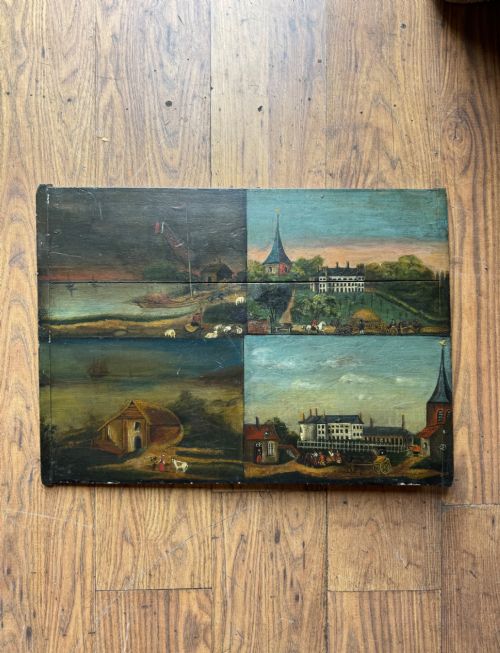
Provincial naive pieces and detailed academic studies sit side by side in this category, reflecting diverse regional schools from Flemish to British Impressionism. Each work demonstrates the enduring appeal of painting directly onto a prepared wooden support.
Distinctions in quality
Quality rests upon the confidence of the brushwork and the anatomical or perspective accuracy achieved within the composition. Master painters manipulated thin glazes and opaque highlights with a surety that lifts a portrait or landscape far above standard provincial output.
The stability of the underlying wood panel and the minimal presence of historical warping or shrinkage cracks also determine the integrity of the piece. Superior panels retain their original flat plane, allowing the paint layer to age uniformly without excessive flaking or separation from the grain.
Listings feature wood panels alongside alternative supports like zinc panels, spanning the 17th century through the mid-20th century.
James Hardy·Tom Campbell·Oliver Clare·Michelangelo Meucci·Paul Ehrenberg·Florence Adelina Hess·Paul-Élie Gernez·Hubert Wellington·Benjamin Eugene Fichel·Edouard Julien·Sir David Murray·Pieter Cornelis Dommersen·Cornelis Van Poelenburgh
The Oil on Panel Artwork Glossary
- Gesso
- A traditional paint mixture consisting of a binder mixed with chalk, gypsum, or pigment, applied to prepare wood panels for painting.
- Giltwood
- Wood carved and then coated with gold leaf or gold paint, frequently used for the decorative frames surrounding antique panels.
- Panel
- A flat piece of wood used as a rigid structural support for oil paintings instead of stretched canvas.
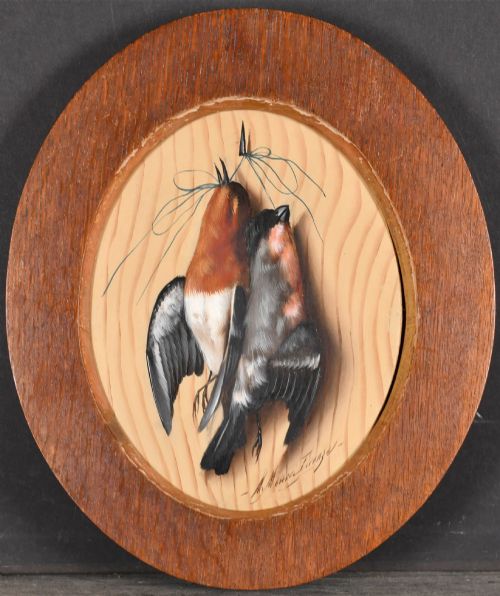
- Trompe l'oeil
- An art technique that uses realistic imagery to create the optical illusion that the depicted objects exist in three dimensions.
- Grisailles
- Paintings executed entirely in shades of grey or neutral greyish-brown, often designed to imitate sculpture.
Oil on Panel Artwork: Frequently Asked Questions
How do I care for an oil on panel artwork?
Keep the panel away from direct heat sources and drastic humidity swings to prevent the wood from expanding or contracting. Stable room conditions protect both the rigid wooden support and the delicate paint layers from stress.
Dust the surface gently with a soft, dry brush and avoid using liquid cleaners or household solvents. Professional conservators should handle any structural repairs or deep cleaning.
Why did artists paint on wood instead of canvas?
Wood panels offered a completely rigid surface that allowed for minute brushwork and glowing detail without the bounce of stretched fabric. This stability was the preferred standard for centuries before canvas became economically dominant.
Panels also provided a smooth, flat ground that lent itself to the luminous glazing techniques favored by early European masters. Many artists found that wood endured better against punctures and tears over long periods.
How can I tell the period of a panel painting?
Examine the preparation of the wood, the framing rebate, and the tool marks on the reverse of the board. Older panels often show hand-planed surfaces or cradle reinforcements added to prevent warping.
Stylistic cues within the dress, pigment composition, and signature styles also point toward specific decades or centuries. Comparing the panel construction methods with known examples helps confirm the era of origin.
Are all oil on panel artworks framed?
Many surviving pieces retain their original or period-appropriate gilt wood frames, which were designed specifically to complement the artwork. These frames protect the vulnerable edges of the wooden support from accidental knocks.
Some panels are offered unframed or in later replacement frames depending on their survival history. Collectors often look for period frames that match the age and nationality of the painting.