



16th Century Religious Art
These pieces of 16th century religious art bring centuries of devotion into a modern room through surviving sculptures and paintings.
16th Century Religious Art
You meet carved wood sculptures, including walnut and limewood figures finished with polychrome paint and gold leaf, alongside oil on canvas paintings. Italian Renaissance and Spanish Renaissance pieces appear frequently alongside Ayutthaya period gilt bronze works.
Materials and construction
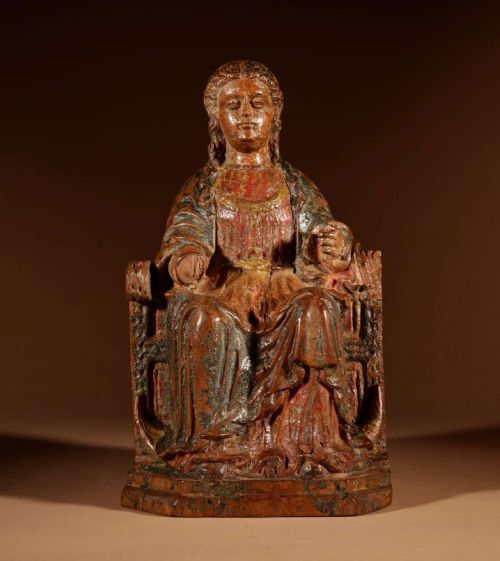
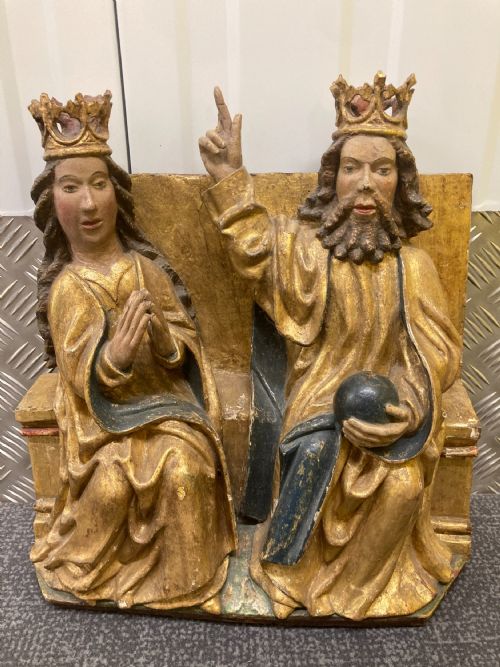
Carvers shaped figures from solid walnut, limewood, and general carved wood, applying layers of polychrome paint and delicate gold leaf for rich surface decoration. Giltwood highlights the divine figures in sculptural groups and busts.
Painters layered oil on canvas to create portraits and narrative scenes such as nativity paintings. Guild artisans and regional schools executed these works using traditional binders and pigments of the period.
St. Jude usually carries a club or ax in art, reminding viewers of the violent martyrdom he supposedly suffered before gaining patronage over lost causes.
Distinctions in quality
The degree of original surface preservation separates works of higher visual impact from those with extensive modern overpainting. Remaining traces of early polychrome paint and authentic gold leaf contribute significantly to the artistic merit of a sculpture.
Sculptural depth and anatomical precision define the finer carvings, particularly in facial expressions and drapery folds. Paintings attributed to specific regional circles or followers of known masters show greater nuance in composition than anonymous workshop output.
Miguel Barroso·Bernardino Luini·Benvenuto Tisi
The 16th Century Religious Art Glossary
- Polychrome
- Painted in several colours, often applied over a gesso ground on wooden sculptures. This technique brought devotional figures to lifelike appearance.
- Giltwood
- Wood carved and prepared to receive a thin layer of gold leaf. It creates a luminous surface suited to sacred imagery.
- Corpus Christi
- The body of Christ depicted on the cross. These limewood figures capture the solemnity of the crucifixion.
- Ayutthaya Style
- An artistic manner originating from the Ayutthaya period in Thailand. It appears in metalwork such as gilt bronze Buddha sculptures.
- Renaissance
- The cultural movement spanning the fifteenth and sixteenth centuries. It inspired naturalistic representation in Italian and Spanish painting and sculpture.
16th Century Religious Art: Frequently Asked Questions
What subjects appear most often?
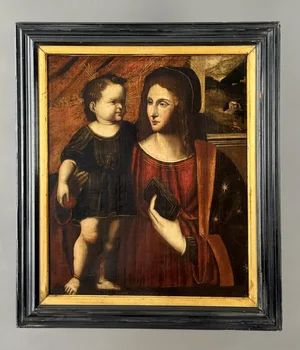
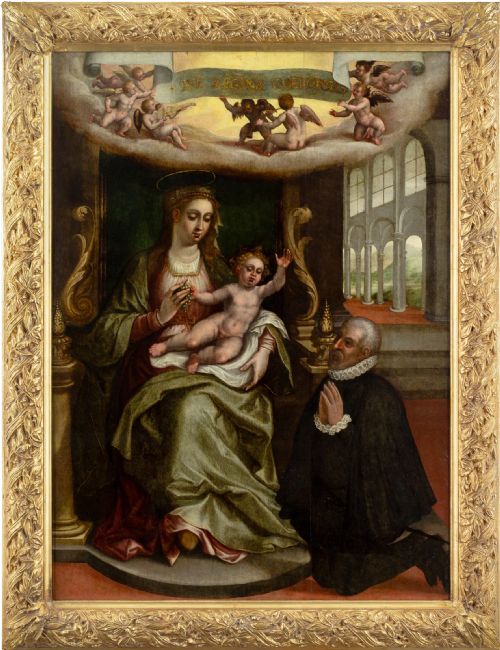
Sacred imagery dominates this category, with depictions of the Virgin and Child forming a large portion of the available paintings and sculptures. Biblical narratives such as the Adoration of the Magi and individual figures of saints also recur frequently.
Creators drew heavily on Christian theology for European pieces, while Eastern works focus on spiritual iconography like the Buddha in Ayutthaya style.
How should I care for wood sculptures?
Wooden figures coated in polychrome and gold leaf require stable indoor humidity to prevent the wood from splitting and the paint layers from flaking. Keep them away from direct sunlight and heat sources.
Dust them gently with a soft, dry brush without applying liquid cleaners or polishes to the historic surfaces.
How do I identify regional schools?
Regional attributions depend on stylistic traits, painting techniques, and the specific iconography favoured by local workshops. Terms like Romagnola school or Italian Renaissance indicate the geographic and cultural context of production.
Comparative study of facial types, drapery styles, and handling of oil paint helps connect anonymous works to broader artistic circles.
Where were these pieces displayed?
Religious art from this era served devotional functions in churches, private domestic chapels, and monastic foundations. Sculptural groups and painted panels created focal points for prayer and contemplation.
Over the centuries, many transitioned from sacred interiors into private collections and museums.