



16th Century Artwork
These pieces of 16th century artwork offer a direct portal into the Renaissance, capturing centuries of craftsmanship in oil paint, wood, and woven wool.
16th Century Artwork
When you search for 16th century artwork, you encounter surviving oil paintings, tapestries, and sculptures from periods such as the Italian Renaissance, Spanish Renaissance, and Flemish Renaissance. These items include religious depictions, royal portraits, and narrative scenes created during a time of profound artistic shift across Europe.
You also meet later interpretations from the nineteenth and twentieth centuries, including Elizabethan Revival and Tudor Revival pieces that mirror the aesthetics of the original period. These works encompass framed art and wall hangings, alongside distant Asian traditions represented by gilt bronze figures from the Ayutthaya period.
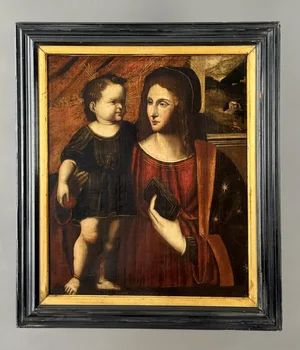
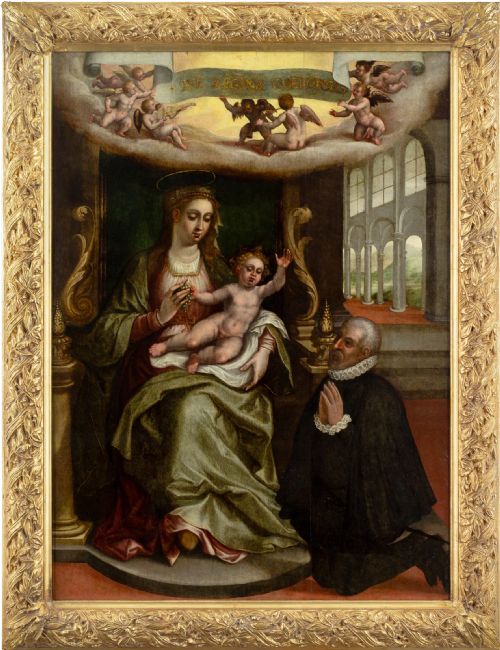
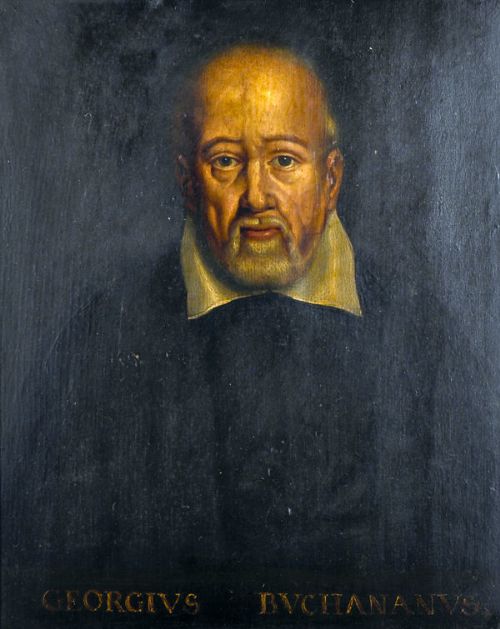
The core selection on this page focuses on oil paintings on canvas and wood panels depicting noble figures, Madonnas, and historical subjects. Portraiture dominates the offerings, capturing recognizable figures alongside anonymous noblewomen and gentlemen.
Factors of quality
The integrity of the support material, whether wood panel or woven textile, dictates the longevity and visual impact of the piece. Later revival pieces vary according to how faithfully they replicate the specific painting techniques and material richness of the original era.
The listings feature oil on canvas, wood, giltwood, wool, and silk across periods spanning the sixteenth century alongside later revival eras.
Miguel Barroso·Bernardino Luini·Benvenuto Tisi·John Bettes the Elder·Frans Pourbus the Elder
The 16th Century Artwork Glossary
- Oil on Canvas
- Pigments bound in a drying oil medium applied to a stretched canvas support. This technique allowed artists to work with richer colours and smoother tonal transitions.
- Giltwood
- Wood that has been coated with a thin layer of gold leaf or powder. It frequently frames Renaissance paintings to accentuate their visual presence.
- Tapestry Panel
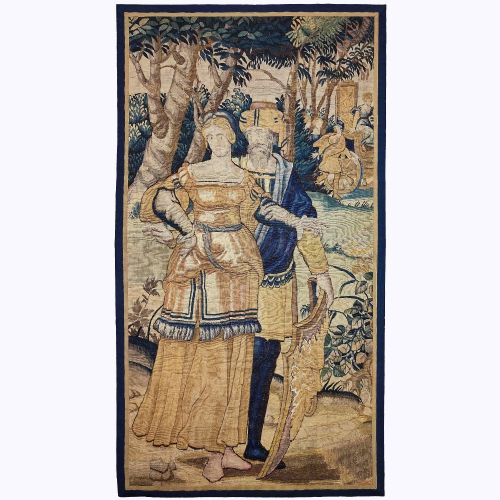
- A piece of heavy hand-woven textile designed for wall hanging. These textiles depict pictorial scenes using interlocking warp and weft threads.
- Circle of
- A designation indicating that an artwork was produced by an unidentified artist working closely within the orbit of a master. It reflects the style and workshop practices of the named figure.
- Ayutthaya Period
- An era in Thai history spanning several centuries noted for distinct Buddhist sculpture. Bronzes from this time display characteristic serene facial expressions and refined casting.
16th Century Artwork: Frequently Asked Questions
How do I identify a true period piece?
Examine the materials and the method of ageing visible in the canvas, wood support, and pigments. Technical analysis often reveals the composition of the ground layer beneath the paint.
Compare the stylistic conventions of the brushwork with established examples from regional schools like the Romagnola or Flemish traditions. Documentation and provenance records further help establish the timeline of creation.
What subjects are most common?
Religious imagery, particularly depictions of the Virgin and Child or the Adoration of the Magi, forms a significant portion of the religious works. These reflect the dominant patronage of the Church during the Renaissance.
Portraiture of nobility, poets, and monarchs also appears frequently. These images served to record status and lineage for posterity.
How should I care for oil paintings?
Keep paintings away from direct sunlight and fluctuating humidity levels to prevent the canvas from sagging or the wood panel from warping. Stable environmental conditions preserve the stability of the oil paint layers.
Dust the surface gently with a soft, dry brush and avoid using chemical cleaners. Professional conservation is recommended for any structural repairs or cleaning of aged varnish.
What is a revival piece?
A revival piece is a work created in a later century that deliberately adopts the style, dress, and artistic conventions of an earlier era. Examples include nineteenth and twentieth-century interpretations of Tudor or Elizabethan subjects.
These works demonstrate the enduring fascination with sixteenth-century aesthetics long after the original period closed. They offer alternative entry points for collectors interested in historical portraiture.