



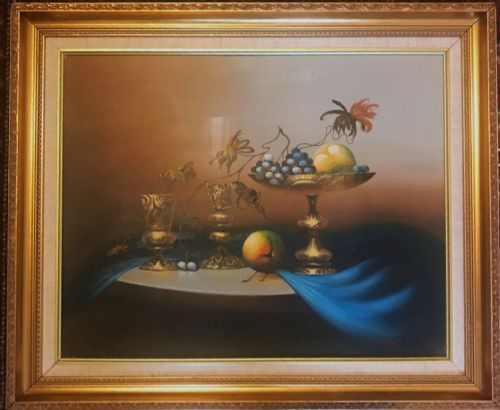
Antique Gilt Frame Painting
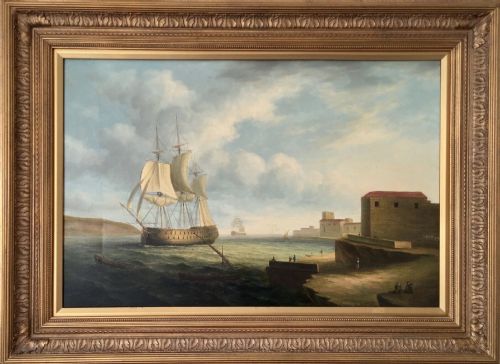
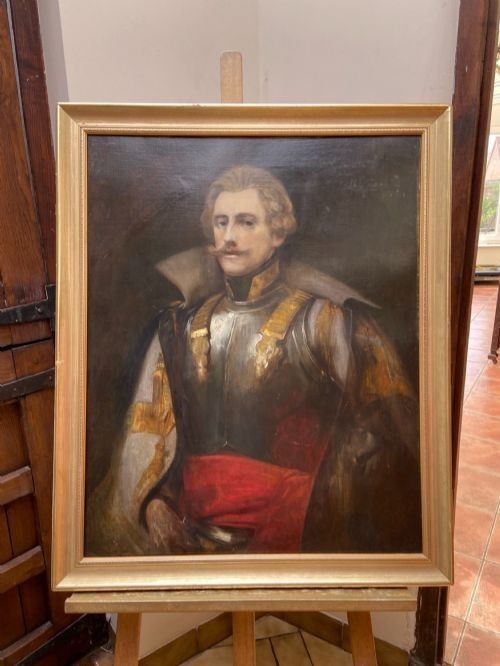
When choosing an antique gilt frame painting, you are investing in centuries of fine portraiture and landscapes wrapped in gleaming gold leaf.
Antique Gilt Frame Painting
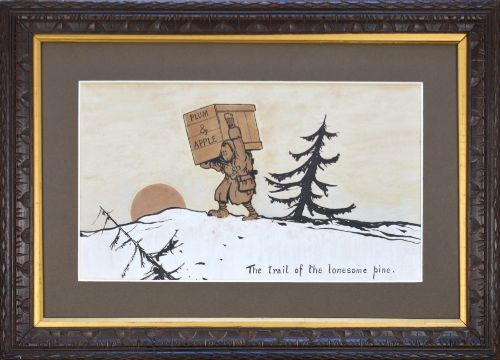
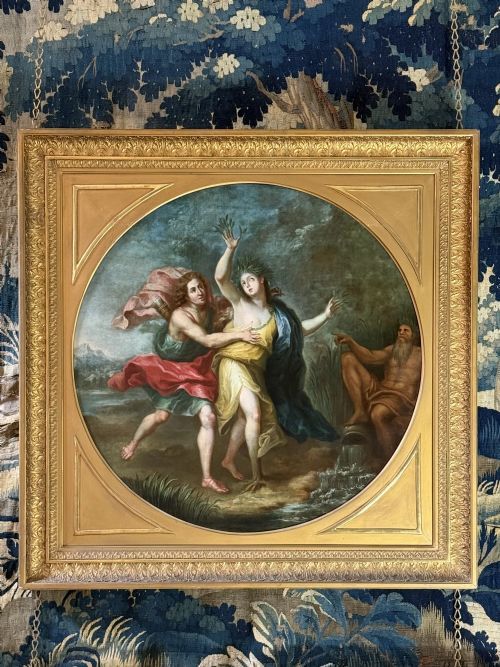
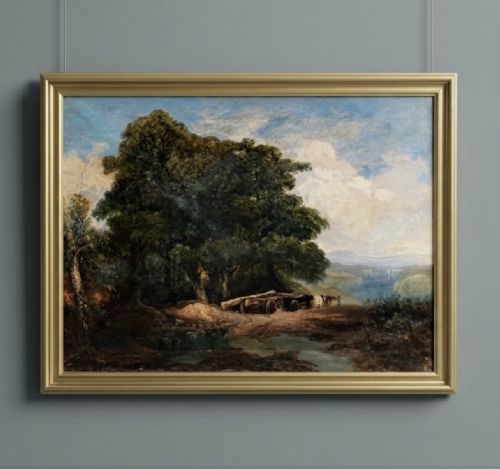
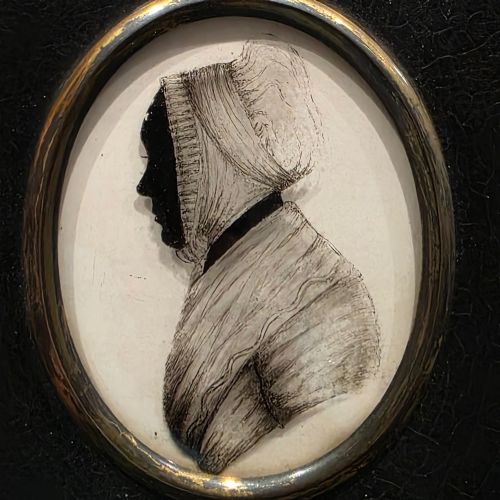
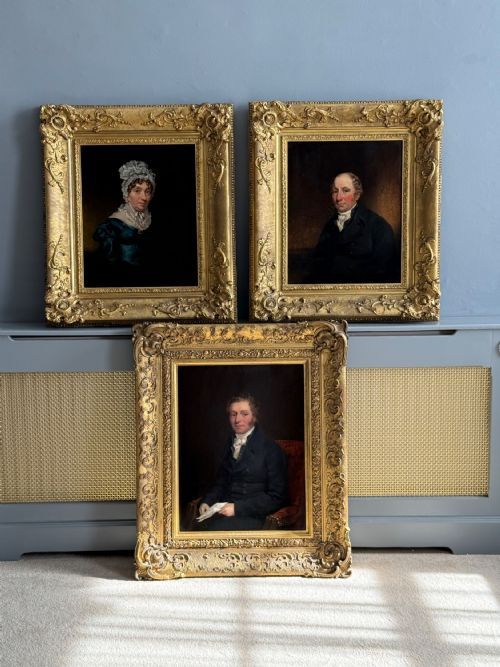
Buyers browsing for an antique gilt frame painting encounter a rich variety of historic oil paintings, watercolours, and portrait miniatures. The selection spans the seventeenth, eighteenth, and nineteenth centuries, featuring aristocratic portraits, pastoral scenes, and romantic landscapes.
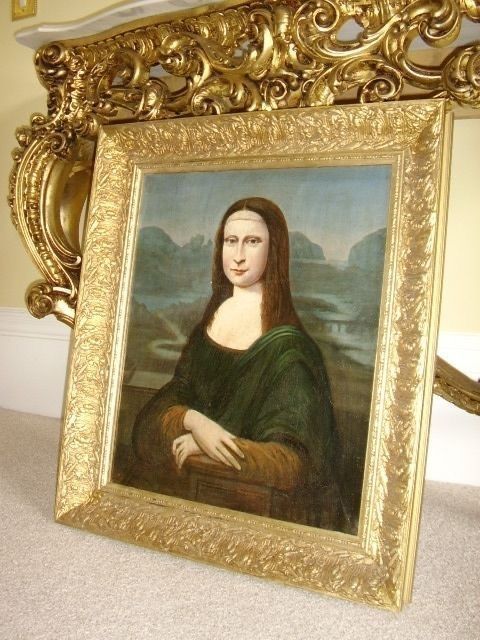
Most pieces combine canvas, wood panels, or card supports with ornate wooden frames finished in gilt or gold leaf. Alongside traditional artwork, the category occasionally includes period wall mirrors featuring the same gilded craftsmanship.
Origins stretch across British, Dutch, and French schools, offering everything from grand salon pieces to intimate domestic watercolours. These works bring centuries of artistic heritage and warm metallic lustre directly into contemporary rooms.
How they were made
Artists painted primarily using oil on canvas, wood panel, or card, occasionally employing watercolour or pastel for smaller works. Canvases were stretched over wooden frames and secured with traditional tines or nails.
The distinctive frames were built from carved wood or composition mouldings, then meticulously coated in layers of gesso before receiving fine applications of gold leaf or gilt paint.
Makers utilised traditional joinery for the frame corners and applied gesso ornamentation to create deep relief patterns, scrollwork, and leaf motifs that caught the candlelight in historic interiors.
Antique Gilt Frame Painting Retail Price Guide 2026
Typical asking prices for gilt frame painting among the pieces listed under this phrase on Sellingantiques today, from the lower quarter to the upper quarter. They describe what is for sale here now, not the wider market.
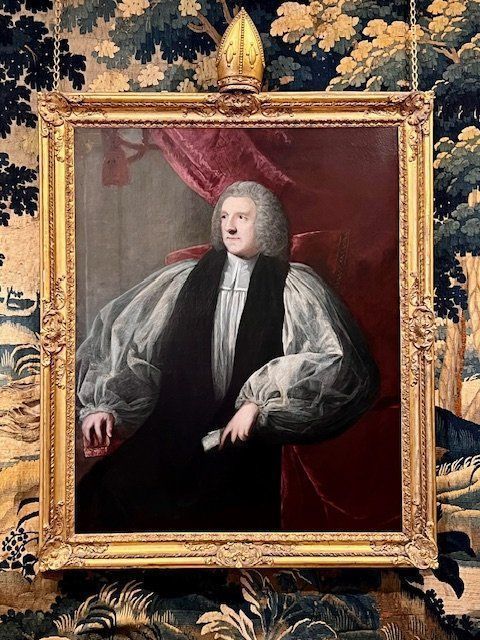
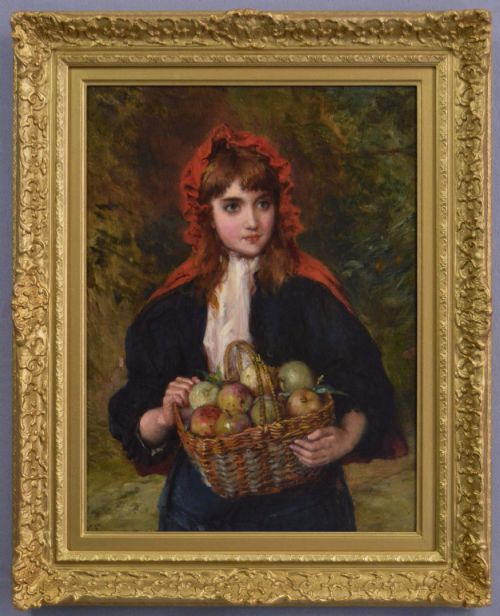
Among the historical portraits, observant dogs and baskets of apples occasionally share the canvas with stern aristocratic sitters.
What varies in quality
The construction and original gilding of the frame contribute significantly to the overall merit of the piece. Hand-carved wooden mouldings with deep relief work and intact gold leaf represent superior craftsmanship compared to later plaster cast replacements.
The preservation of the original surface, including stable craquelure on older oils and minimal overpainting, marks the difference between a museum-grade survival and a heavily restored artefact.
Sir Godfrey Kneller·Charles Antoine Coypel·Sir Joshua Reynolds·Jean Baptiste Van Loo·Sir Anthony van Dyck·Sir Peter Lely
The Antique Gilt Frame Painting Glossary
- Giltwood
- Wood that has been coated with gold leaf or a gold-coloured metallic finish. This material forms the primary decorative border for the majority of traditional artworks.
- Gesso
- A plaster-like mixture applied to wooden frames as a smooth base before gilding. It allows craftsmen to carve intricate relief patterns and decorative mouldings.
- Craquelure
- The fine network of cracking that develops across the surface of aged oil paintings as the paint film hardens over time. It serves as a natural indicator of age.
- Provenance
- The documented history of ownership of a work of art from its creation to the present day. Strong provenance adds considerable historical context to a portrait or landscape.
- Panel
- A flat wooden board used as a rigid support for oil paintings prior to the widespread adoption of stretched canvas. Oak and mahogany were common choices for early makers.
Antique Gilt Frame Painting: Frequently Asked Questions
How do I clean an antique frame?
Dust the gilded surfaces gently with a very soft, dry brush to remove accumulated particles without disturbing the delicate gold leaf.
Avoid using water, liquid cleaners, or chemical solvents, as these can strip the historical finish and damage the underlying gesso.
Are these paintings original?
The selection includes period originals, historic copies, and works produced by followers of major artistic schools from past centuries.
Descriptions detail whether a piece is an authentic primary work or created in the style of a noted master.
How should I hang heavy paintings?
Secure heavy oil paintings directly into wall studs using appropriate picture hooks rated for the total weight of the canvas and frame.
Ensure the hanging wire or D-rings affixed to the frame sides are robust and stable before mounting the artwork.
Can frames be separated from paintings?
Many antique artworks remain housed in their original period frames, which were specifically chosen or carved to complement the scale of the canvas.
Separating them is discouraged by collectors because the frame and painting often share a unified historical provenance.