


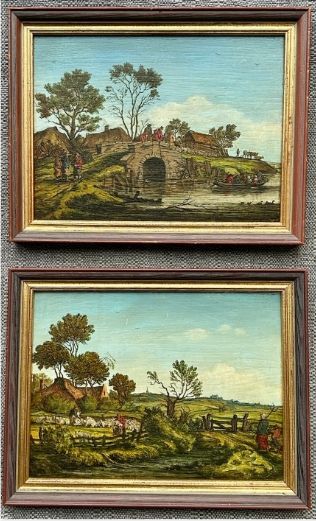
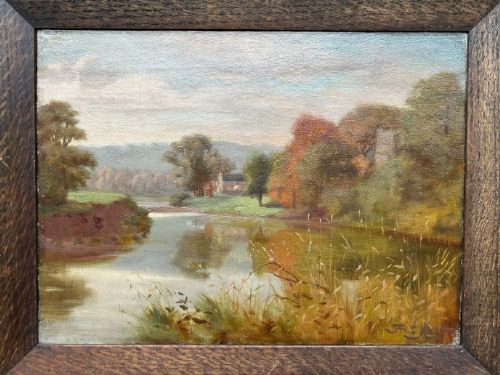
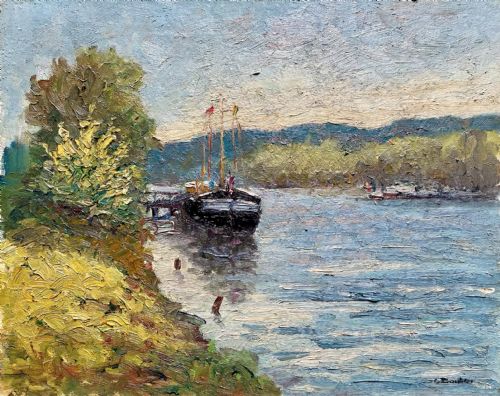
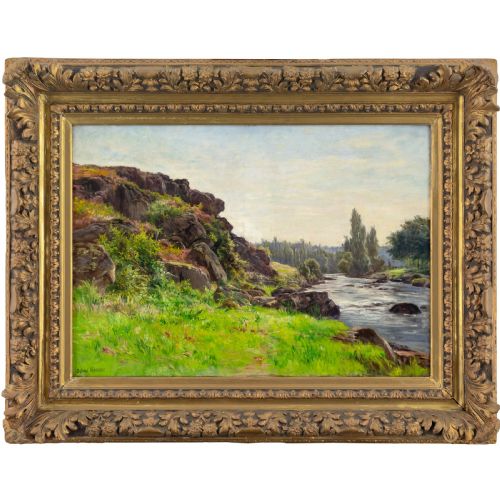
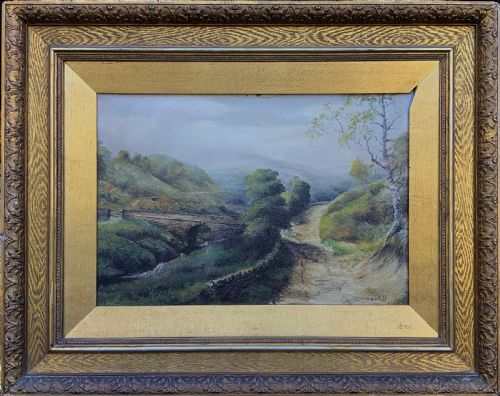

Original River Oil Painting
An original river oil painting captures the changing light and motion of water through centuries of European landscape tradition.
Original River Oil Painting
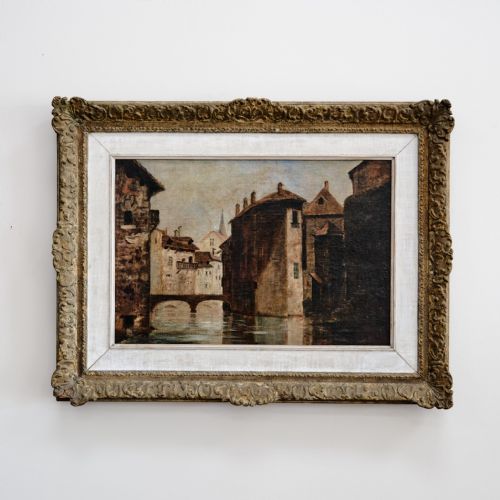
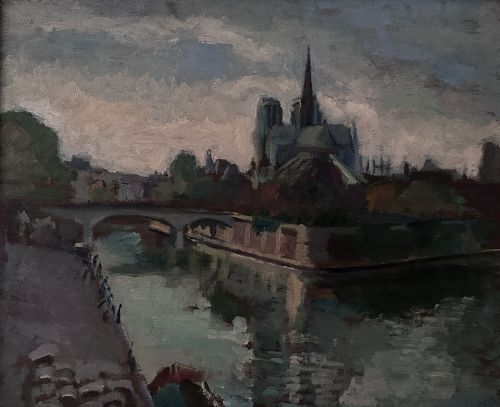
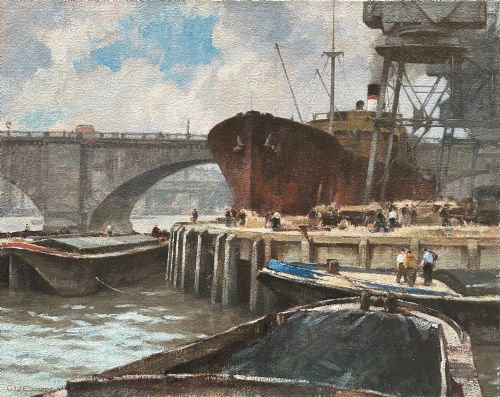
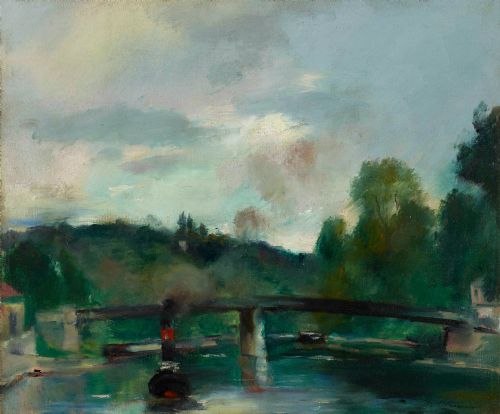
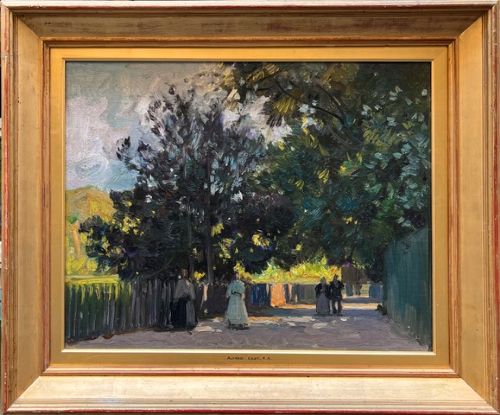
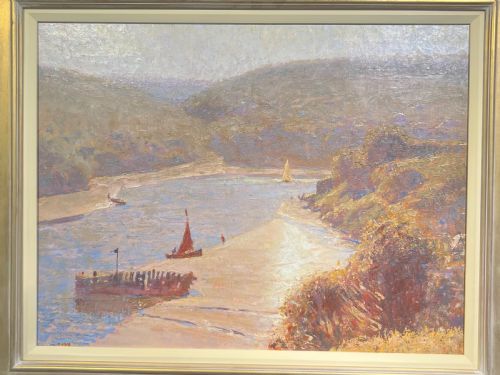
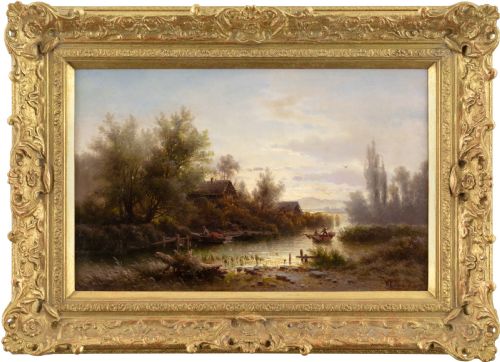
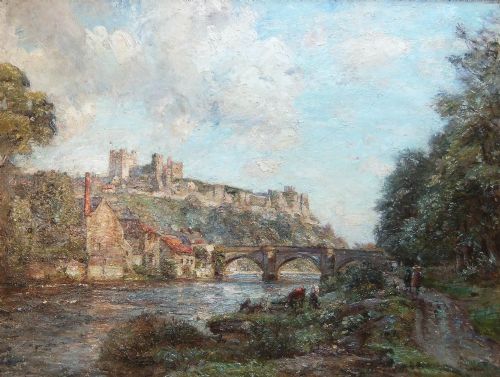
An original river oil painting on this page represents historical and mid-century topographical views, pastoral scenes, and rural waterways executed by British, French, and continental schools. A buyer browsing these listings encounters works spanning the nineteenth century through the mid-twentieth century, capturing subjects from busy bridges to quiet country banks.
The selections include works on traditional stretched canvas, wood panels, millboard, and card, reflecting the diverse material choices favoured by artists across different decades. Many pieces retain their period frames, ranging from simple wooden mouldings to ornate gilded surrounds that complement the pastoral or urban compositions within.
Regional British scenes from Yorkshire, Wales, Scotland, and the Thames sit alongside French impressionist interpretations of the Seine and Normandy waterways. These varied geographical origins provide a comprehensive view of how painters interpreted flowing water and riverbank life over successive generations.
What Varies in Quality
The success of a river painting rests on the artist's handling of light, atmospheric depth, and the fluid movement of the water itself. Superior works demonstrate a confident command of tone and perspective that draws the viewer into the landscape.
Condition of the pigment layer and the originality of the associated frame influence the integrity of the piece. Works that retain their authentic period mounts and uncompromised paint surfaces offer a more complete historical artefact.
Several canvases quietly preserve the stray thumbprint of an impatient nineteenth-century artist pressing against the wet edge.
Kenneth Cozens·George Graham·Frederick Marriott·Gabriel Mathieu·Sir Alfred East·Albert Rieger·Herbert Royle·Paul Désiré Trouillebert·Henry H Parker·John Horace Hooper·John Ferneley Senior·William George Tennick·Hubert Wellington·Honore Cavaroc·Archibald Kay·Charles Clair·Henri Jaques Delpy·Sir David Murray·André Prévot-Valéri·Mario Pinetti·Arthur Herbert Rigg·Gabriel Dauchot·James Aumonier·George Vicat Cole·William E Tindall
The Original River Oil Painting Glossary
- Canvas
- A heavy woven fabric stretched across a wooden frame to serve as a painting surface. It provides a slight give under the brush and remains the standard support for oil paintings.
- Gesso
- A plaster mix applied to wood panels or canvas to prepare the surface for oil paint. This ground creates a smooth, stable base that prevents the oil from rotting the fabric.
- Impressionism
- A nineteenth-century painting style focused on capturing the visual impression of a moment, especially regarding shifting light. Artists used visible brushstrokes and unblended colours.
- Panel
- A flat piece of wood used as a rigid support for painting. Panels were particularly common in nineteenth-century works executed outdoors.
- Verso
- The back of a painting or its support. Inscriptions, signatures, and gallery labels often appear here.
Original River Oil Painting: Frequently Asked Questions
How do I date a river painting?
Dating relies on stylistic evidence, artist signatures, and framing materials. Victorian works often display tighter brushwork and specific framing styles, while mid-century pieces show looser impressionist influences.
Examining the canvas preparation and any inscriptions on the verso can provide additional chronological clues. Comparing the subject matter to known dated works by the same school helps narrow the timeline.
Where should I hang an oil painting?
Choose a wall away from direct sunlight and extreme temperature fluctuations to protect the oil paint and canvas. Stable indoor conditions prevent the wood panels or canvas from warping over time.
Ensure the piece hangs at a comfortable eye level where adequate ambient light reveals the brushwork and texture. Pairing the painting with complementary period interior decor enhances its visual impact.
How were these river scenes painted?
Many nineteenth and twentieth-century artists worked directly outdoors in front of the subject to capture changing weather and water reflections. They applied oil paint using brushes and palette knives on prepared canvas boards or wood panels.
Studio finishing touches sometimes refined the composition, though the immediacy of the initial plein air session usually remained visible in the final texture of the pigment.
What subjects appear in these landscapes?
Common subjects include rural rivers, industrial bridges, pastoral banks with cattle, and urban waterways like the Thames or the Seine. Artists sought out these locations for their reflective water surfaces and surrounding architecture.
Figures fishing, boating, or working near mills frequently populate the foreground, adding a sense of scale and human activity to the natural scenery.