



Autumn Landscape Painting
An autumn landscape painting captures the muted warmth of declining woodland, translating seasonal amber and ochre into lasting pigment.
Autumn Landscape Painting
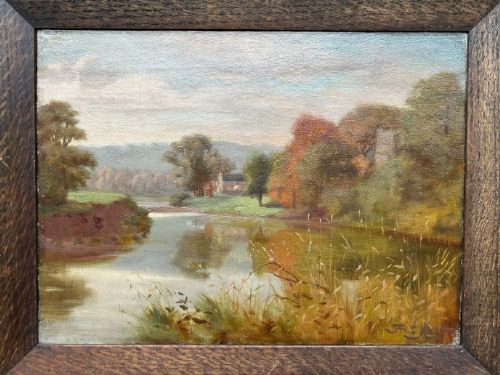
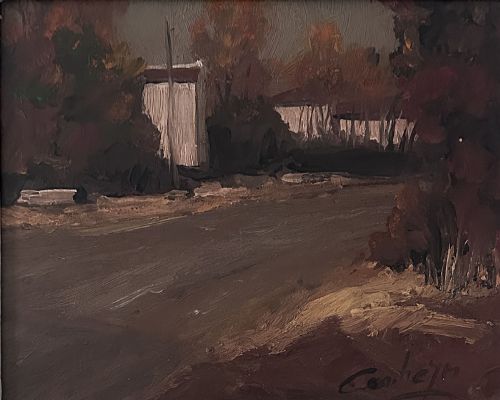
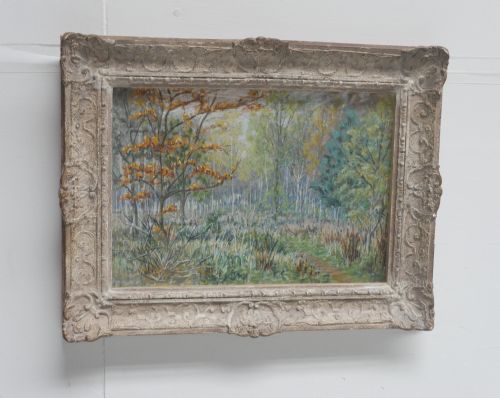
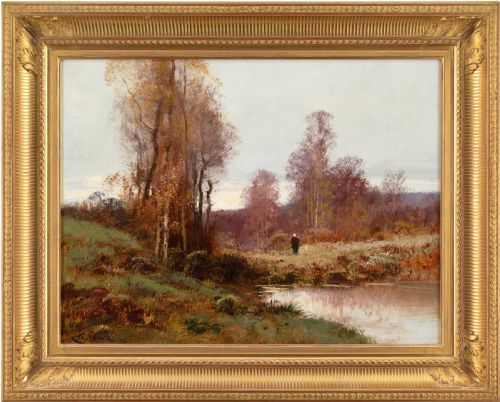
An autumn landscape painting focuses on seasonal change, depicting woodland paths, riverbanks, and harvested fields under low autumn light.
The selections span from late Victorian depictions to mid-century British and continental works, capturing the changing hues of October and November.
Canvases and watercolours dominate the selection, portraying scenes from Yorkshire dales to French river valleys.
Materials and technique
Artists deployed oil paint and watercolour across primed canvas, wooden panels, and heavy paper sheets.
Oil painters built texture with thick brushstrokes and layering, while watercolourists relied on translucent washes to convey damp morning air and fading sunlight.
Autumn Landscape Painting Retail Price Guide 2026
Typical asking prices for autumn landscape painting among the pieces listed under this phrase on Sellingantiques today, from the lower quarter to the upper quarter. They describe what is for sale here now, not the wider market.
Listings feature works from the nineteenth century, Victorian period, and mid-century era, rendered in oil and watercolour.
Judging quality
Quality rests on the artist's handling of light and seasonal atmosphere, distinguishing evocative tonal shifts from mechanical repetition.
A successful composition balances the weight of autumn foliage with structural elements like riverbeds, stonework, or distant hills.
Frederick Marriott·Charles Clair·Samuel Timmins·Arthur Herbert Rigg·George Graham·Owen Bowen·William Mellor·Walter Follen Bishop·Edmund George Warren·Berthe des Clayes·John Falconar Slater·Robert Lesley Howey·Charles James Adams·Frederick W Jackson·Ernest Higgins Rigg·Hans Kappel Øvre·George Sykes·Ernest Moore·Augustus William Ennes·Everett Watson Mellor·Fred Merriman·Frederick J Haycock·Percy Lancaster·Charles Ashmore·Florence F Wilmot
The Autumn Landscape Painting Glossary
- Oil on Canvas
- Pigment mixed with drying oil applied to stretched woven fabric. This medium allows for deep layering and rich tonal depth in foliage.
- Watercolour
- Paint consisting of water-soluble pigment suspended in a water-based solution. It creates light washes suited to misty seasonal skies.
- Wood Panel
- A rigid wooden support used instead of canvas. It provides a firm foundation for detailed brushwork.
- British Impressionism
- A late nineteenth and early twentieth-century painting style focusing on natural light and everyday scenery. Practitioners recorded transient weather effects with loose brushwork.
- Provenance
- The documented history of a painting's ownership and origin. It helps establish authenticity and attribution.
Autumn Landscape Painting: Frequently Asked Questions
What periods do these paintings date from?
The works span from the late nineteenth century through the Victorian and Edwardian eras into the mid-twentieth century.
Most examples reflect traditional approaches to natural scenery developed during these decades.
How should I hang an oil painting?
Choose a wall away from direct sunlight and fluctuating heat sources like radiators to protect the canvas and frame.
Secure the piece using appropriate fixings matched to the weight of the wooden frame.
What is the difference between oil and watercolour?
Oils use pigment bound in slow-drying plant oils, allowing artists to build heavy texture and deep colour.
Watercolours use water-soluble binders on paper, producing lighter, more translucent effects.