




English Impressionist Painting
When you search for an english impressionist painting, you are looking at canvases and watercolours capturing light and atmosphere across the British countryside and coast.
English Impressionist Painting
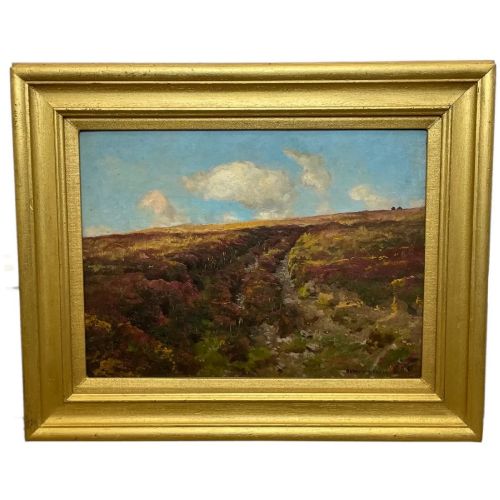
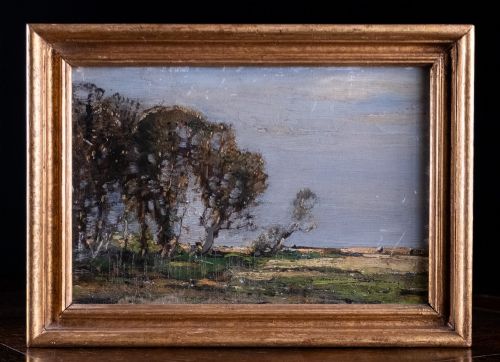
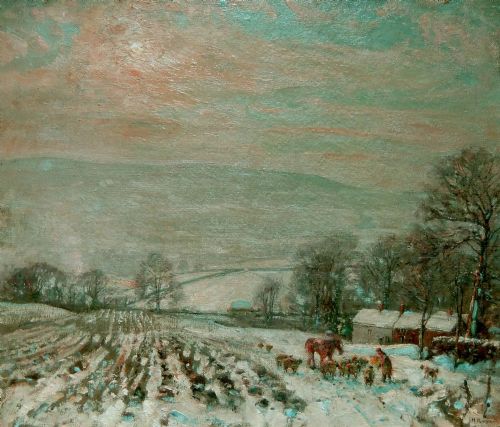
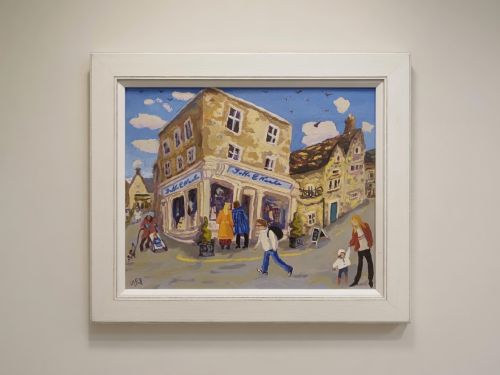
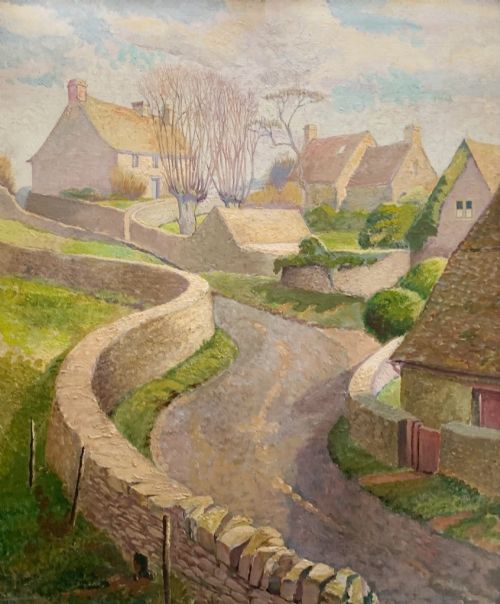
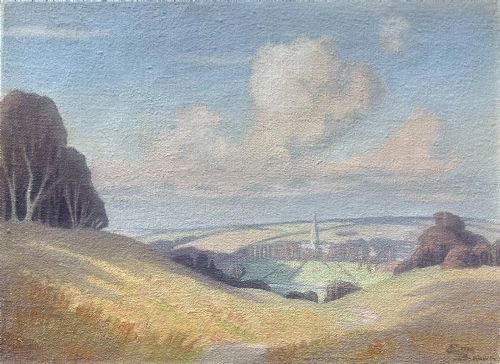
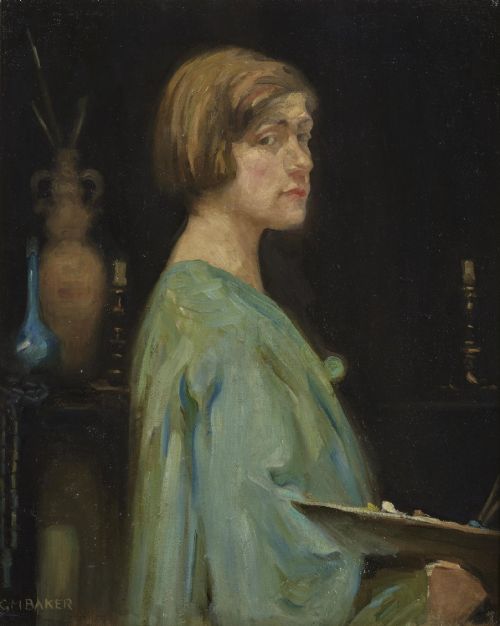
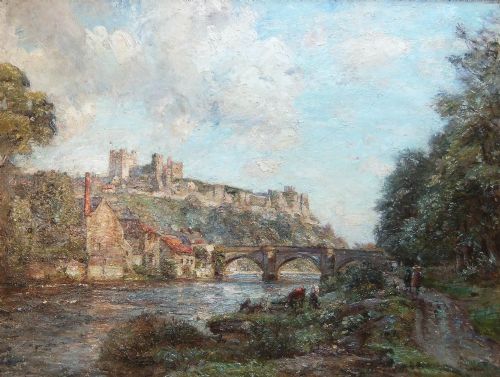
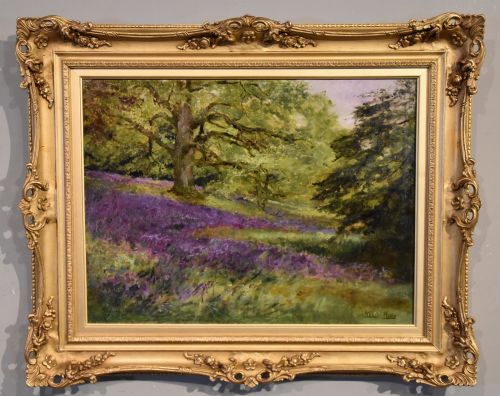
An english impressionist painting records landscapes, coastal scenes, and rural life through loose brushwork and a focus on natural light. You will frequently encounter works from the early decades of the twentieth century, alongside late nineteenth-century examples.
The subjects span pastoral views in Yorkshire, Devon, and Cornwall, capturing farmyards, riverbanks, and village streets. Painters worked directly from nature, recording the shifting conditions of weather and seasons.
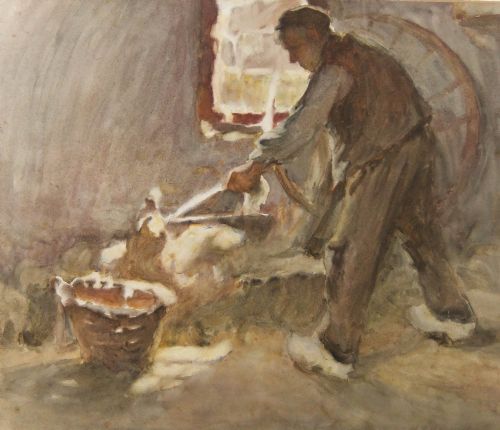
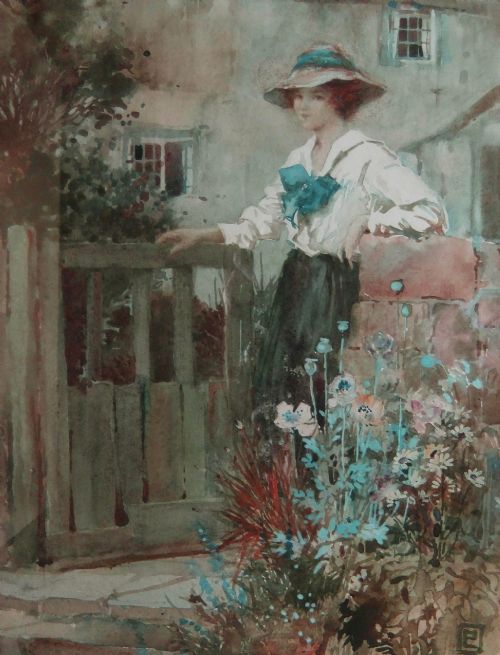
These pieces connect the traditions of British landscape art with continental techniques of plein air observation. Works range from intimate watercolour studies on paper to substantial oil paintings on canvas and wood panel.
Materials and Methods
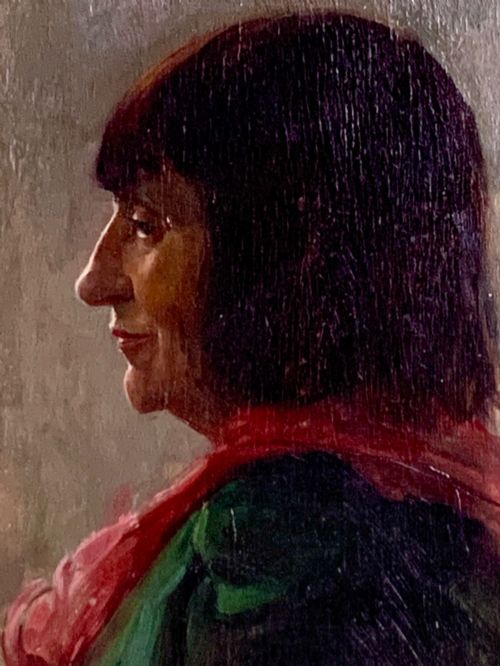
Artists applied oil paint and watercolour onto supports of canvas, paper, wood panel, and board. The handling of the medium relies on visible brush marks and rapid application to capture transient effects of light.
Plein air execution required portable boxes and boards, allowing painters to work outdoors in rural and marine settings. Support panels of wood and canvas boards provided rigid surfaces for outdoor sketching.
English Impressionist Painting Retail Price Guide 2026
Typical asking prices for english impressionist painting among the pieces listed under this phrase on Sellingantiques today, from the lower quarter to the upper quarter. They describe what is for sale here now, not the wider market.
Several canvases record the quiet presence of domestic ponies sharing the yard with farm hands and gypsy caravans.
Evaluating Quality and Execution
Quality rests upon the confidence of the brushwork and the artist's command of tone and atmosphere. Stronger works demonstrate a deliberate handling of light that animates the entire composition rather than relying on strict detail.
The integration of colour and pigment deployment distinguishes accomplished pieces from routine topographical views. The energy of the mark-making carries the visual weight of the scene.
George Graham·Arthur Wardle·Kershaw Schofield·Herbert Royle·Henry Silkstone Hopwood·Eric Brown·Percy Lancaster·John Horace Hooper·Edgar Woollatt·Charles Walter Simpson·Harry Freckleton·Ernest Higgins Rigg·Owen Bowen·John Atkinson
The English Impressionist Painting Glossary
- Plein air
- Painting outdoors directly from the subject to capture natural light and transient weather. This method defined the working practice of many twentieth-century landscape artists.
- Canvas board
- A stiff board covered with primed canvas used as a lightweight support for painting. Artists utilised these for outdoor studies.
- Watercolour
- Pigment ground in a water-soluble binder and applied to paper. It allows for translucent washes and rapid sketching.
- Impressionist style
- An approach prioritising light, atmosphere, and loose brushwork over academic finish. It emerged in British art through the influence of plein air observation.
English Impressionist Painting: Frequently Asked Questions
What subjects do these paintings show?
The works depict rural landscapes, coastal harbours, river valleys, and farmyard scenes across Britain. Artists favoured local views ranging from Yorkshire to Cornwall.
Common motifs include haymaking, livestock, cottages, and marine settings observed under changing daylight.
How do I care for an oil painting on canvas?
Keep paintings away from direct sunlight, excessive heat, and damp environments to protect the canvas and paint layers. Stable room temperatures prevent the wood stretcher and canvas from warping.
Dust the surface gently with a soft, dry brush without applying pressure to the pigment.
How are watercolours preserved safely?
Watercolour paintings on paper require framing behind glass with acid-free mounts to prevent fading and paper degradation. Direct exposure to bright sunlight causes pigments to fade over time.
Display them on interior walls away from moisture and direct heat sources.
How can I tell the period of a painting?
Dating relies on stylistic markers, framing techniques, and the material composition of the support boards or canvas. Signatures, exhibition labels, and written annotations on the reverse often provide clues.
Comparing brushwork and subject matter with documented works by the same artist helps confirm the timeframe.