

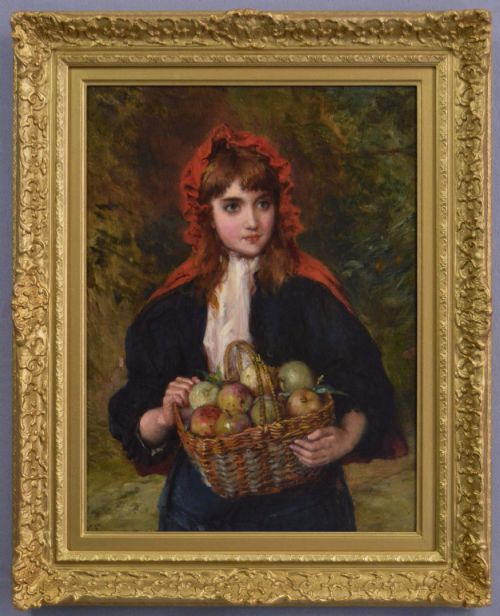
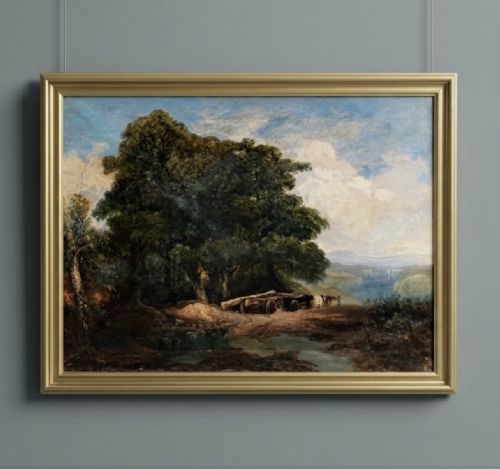

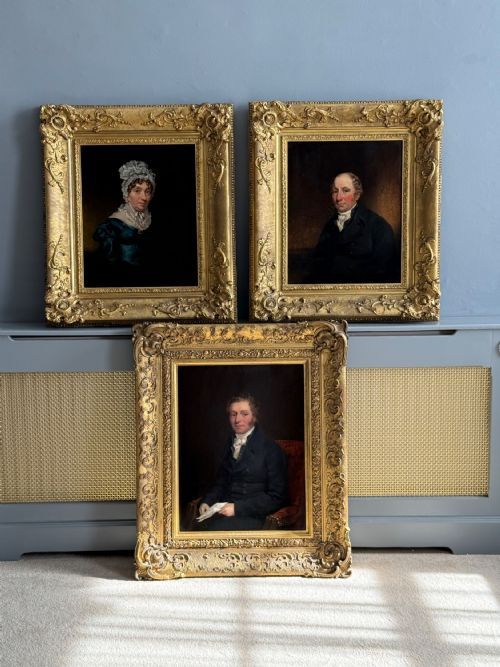
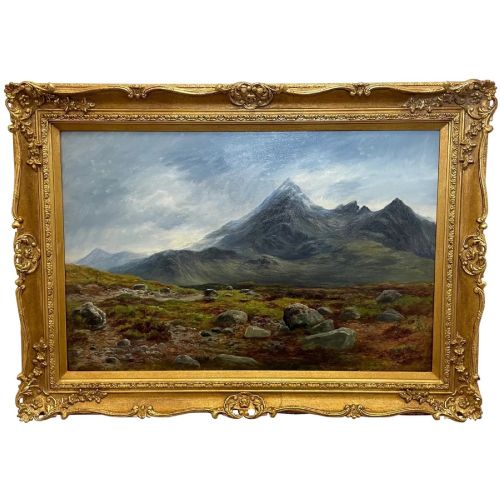
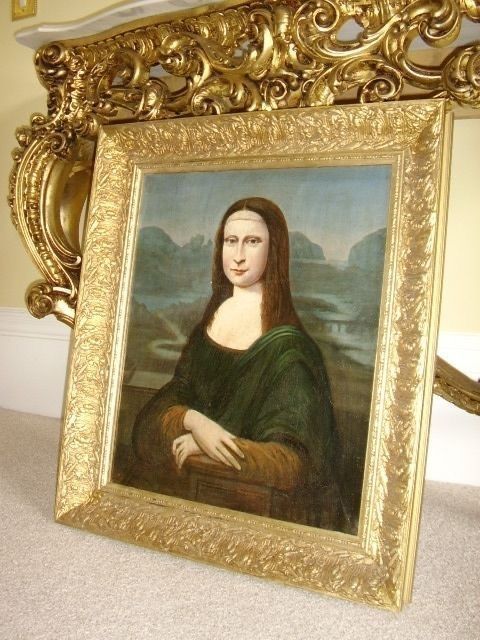

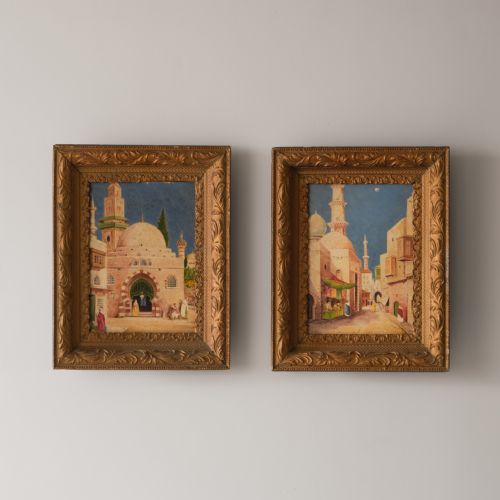

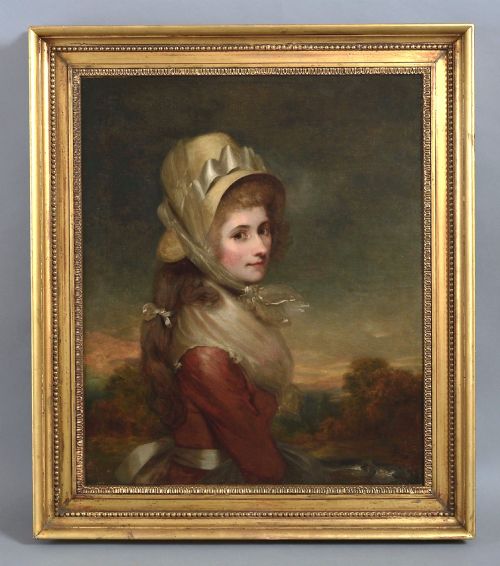
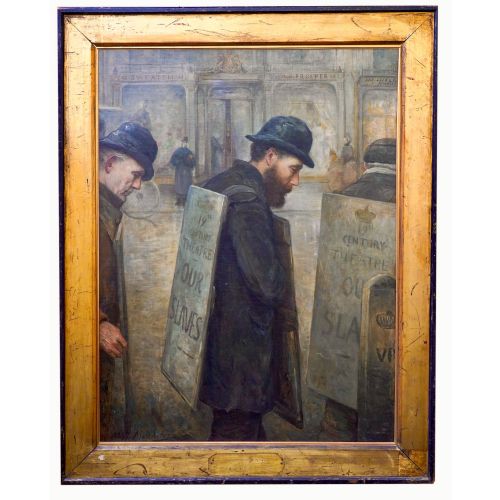
Gilt Framed Oil Artwork
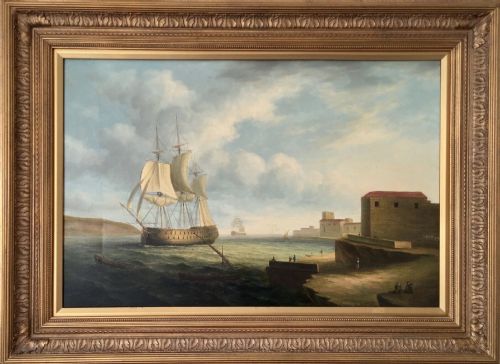
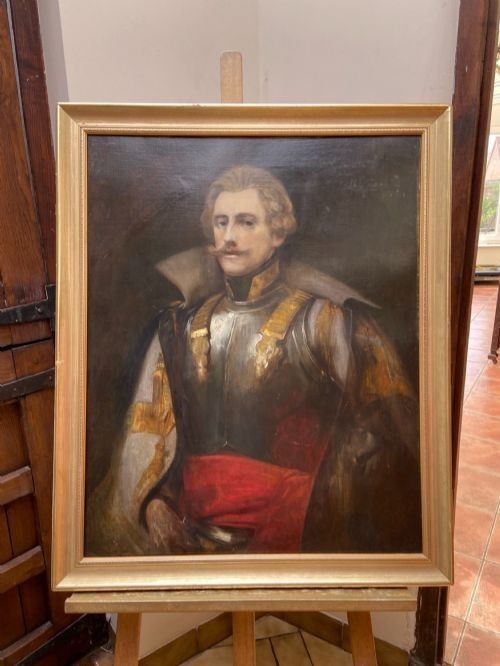
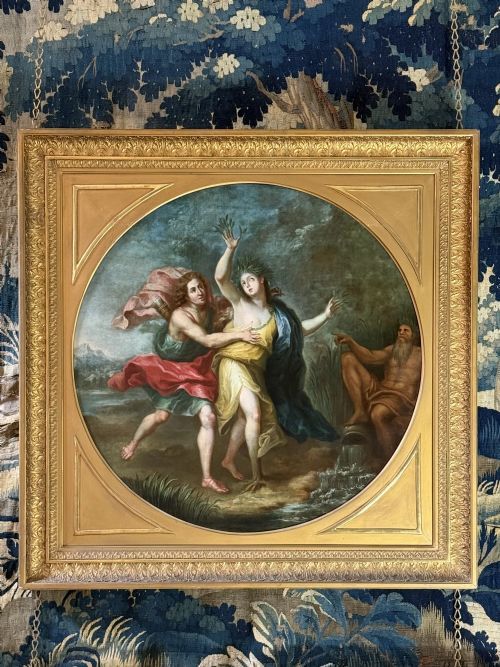
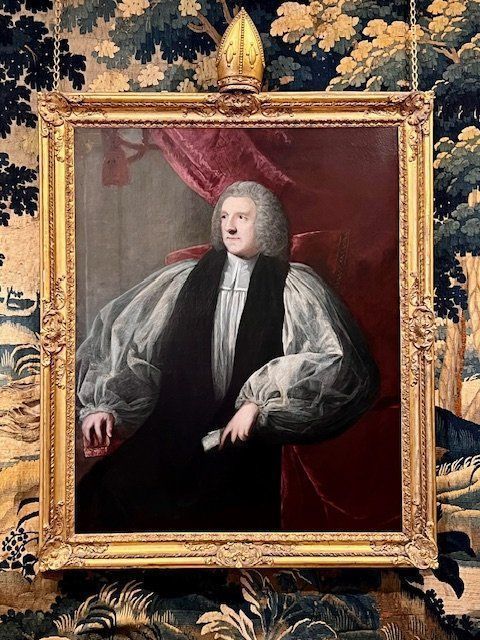
These pieces of gilt framed oil artwork bring rich canvas texture and warm metallic lustre into a room, spanning centuries of portraiture and landscape.
Gilt Framed Oil Artwork
A gilt framed oil artwork unites painted pigment on canvas, board or panel with a metallic-surfaced moulding designed to frame and project the composition. When buyers search for gilt framed oil artwork, they seek paintings that combine the depth of traditional oil media with the decorative warmth of gold leaf or giltwood surrounds.
The selections available range from 17th-century aristocratic portraits to 20th-century landscape and still life paintings. These pieces arrive in various scales, from intimate panel studies to large canvases depicting romantic vistas and historical scenes.
Portraits of sitters in period attire sit alongside marine seascapes, pastoral landscapes and botanical arrangements. Many bear the distinct influence of British and European movements including Victorian realism, post-impressionism and the Georgian aesthetic.
How they were made
Makers built these works using oil paint applied to stretched canvas, wooden panel or prepared board. The medium allowed artists to build rich layers of colour, transparent glazes and textured impasto that hold their pigment over centuries.
The accompanying frames consist of carved wood, composition ornament or moulded plaster finished with layers of gold leaf, gilt or metallic paint. Artisans applied these metallic surfaces to enrich the visual boundary of the painting and complement the warm tones within the oil composition.
Listings feature works spanning the 17th, 18th, 19th and 20th centuries, executed in oil on canvas, wood and panel.
What varies in quality
The division between ordinary and exceptional pieces lies in the skill of the brushwork and the anatomical or spatial confidence of the composition. Master painters captured light, fabric texture and human expression with a precision that elevates a canvas far beyond standard studio output.
Frame construction also dictates the overall standard of the piece, with hand-carved wooden mouldings and genuine gold leaf displaying a crispness and depth missing from later cast plaster replacements. The harmony between the painting's execution and the original framing defines the cohesion of the work.
Sir Joshua Reynolds·William Oliver·Richard Sebastian Bond·Joseph Clover·William Beattie-Brown·Arthur Wardle·Sir Peter Lely·Constantyn Netscher
The Gilt Framed Oil Artwork Glossary
- Giltwood
- Wood that has been coated with thin sheets of gold leaf or metallic powder. This material provides the bright, reflective border characteristic of traditional picture frames.
- Impasto
- Paint applied thickly to a canvas, standing out from the surface so that the marks of the brush or palette knife remain visible. This technique adds tactile dimension to highlights and textures.
- Panel painting
- A work executed on a flat piece of wood rather than stretched canvas. These rigid supports were common in earlier centuries before canvas became the dominant medium.
- Provenance
- The documented history of a painting's ownership and origin. Clear provenance helps verify the attribution and age of historical artworks.
- Post-Impressionism
- An art movement extending beyond impressionist methods to emphasise geometric forms, expressive use of colour and symbolic content. Works in this style often display bolder brushwork and simplified shapes.
Gilt Framed Oil Artwork: Frequently Asked Questions
How do I clean a gilt frame?
Dust the moulding gently with a soft, dry brush to remove particles without disturbing the delicate metallic surface. Avoid using liquid cleaners or abrasive cloths, which can strip the gold leaf or damage the underlying gesso.
Professional conservators should handle any accumulated grime or restoration work to protect the integrity of the antique finish. Regular, gentle dusting remains the safest method for preserving the lustre of the frame.
Are these paintings on canvas or panel?
The pieces utilise a variety of supports, including traditional stretched canvas, sturdy wooden panels and prepared boards. Earlier works frequently appeared on wooden panels before canvas became the standard choice for larger compositions.
Examining the reverse of the artwork often reveals the weave of the canvas, stretcher bars or the grain of the wooden panel. Each support type requires specific environmental conditions to prevent warping or cracking of the paint layer.
Where should I hang a large oil painting?
Position the artwork on a wall away from direct sunlight, heating vents and damp areas to protect both the oil pigments and the wooden frame. Stable indoor temperatures prevent the canvas and panel from expanding or contracting.
Ensure the wall structure can support the substantial weight of the timber and gilt framing hardware. Hang the piece at eye level to best appreciate the brushwork and composition.
How can I tell the period of a frame?
Frame styles often correspond to the era of the painting, featuring the intricate mouldings of Georgian design or the heavier ornamentation of Victorian work. Construction details such as corner mitres, applied composition ornaments and hand-carving provide clues to the date of manufacture.
Original frames that have remained with their canvases for centuries show consistent wear patterns and matching patina. Replacement frames may display modern fixings or styles that predate or postdate the artwork itself.