





20th Century Landscape Picture
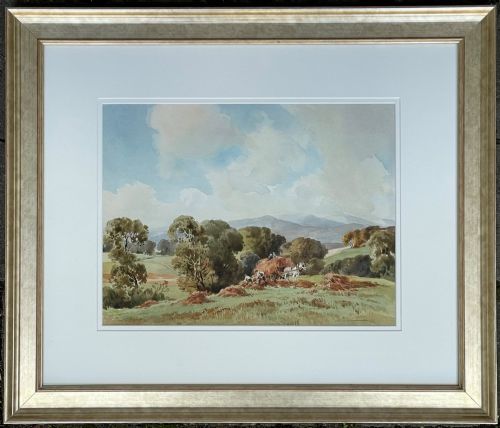
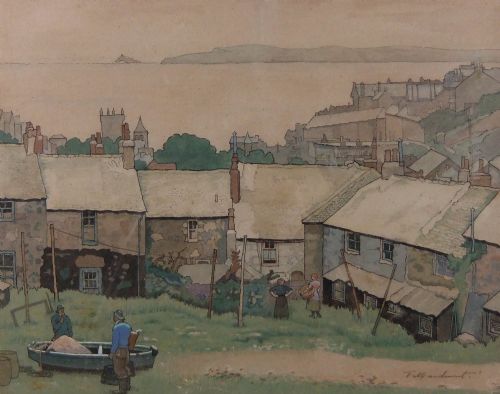
When you search for a 20th century landscape picture, you encounter works that capture countryside, coastal and river scenes through the changing artistic movements of the hundred years.
20th Century Landscape Picture
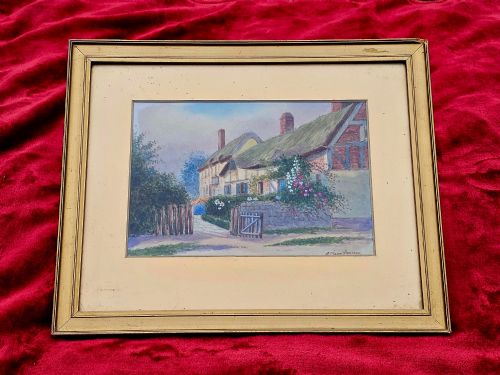
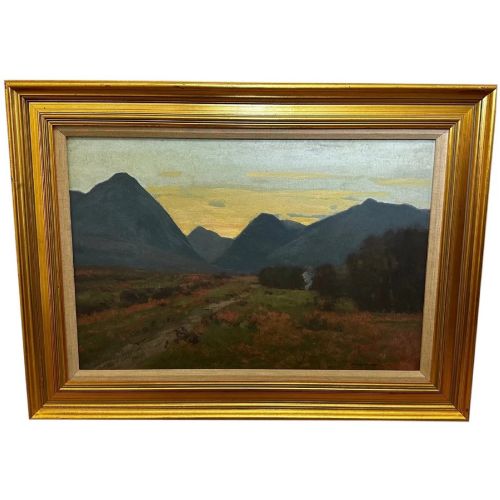
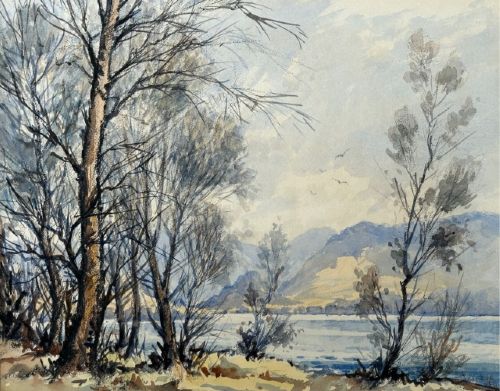
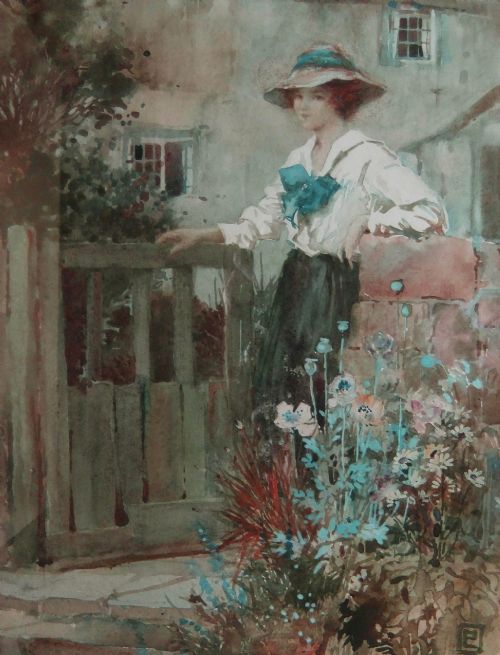
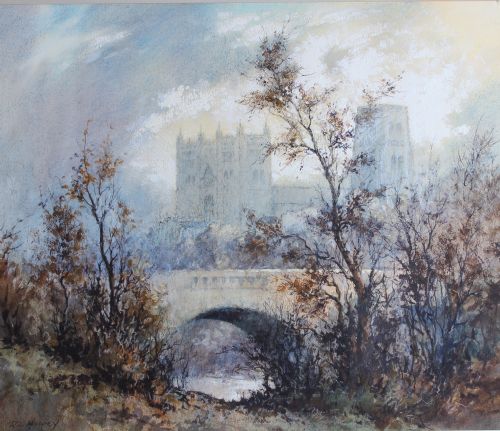
A 20th century landscape picture encompasses paintings and watercolours depicting rural, marine and urban environments across Britain and beyond. The pieces span periods from Edwardian examples to mid-century works, reflecting shifts from traditional representation to impressionistic treatments.
Buyers frequently encounter watercolours on paper and oil paintings on canvas, board or wood panel. These artworks range from intimate cottage views and pastoral farmyards to expansive coastal harbours and river valleys.
The selections demonstrate the breadth of regional British schools, alongside continental scenes such as Venetian canals and French waterways. Works appear either framed in their original surrounds or mounted as individual paintings.
How they were made
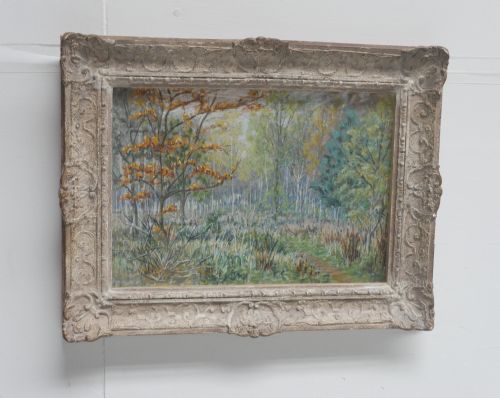
Artists painted using oil on canvas, wood panel or board, applying heavy pigments that built rich textures and deep tones. Watercolours were applied fluidly to paper, capturing light and atmosphere with transparent washes.
Support materials varied according to the medium, with wooden panels and heavy boards used for oils, while delicate paper accommodated watercolours and pastels. Frames of wood often accompanied the finished artworks to protect the edges and complete the presentation.
Pan, the Greek god of nature, occasionally interrupts quiet English landscapes to play his panpipes amidst the woodland trees.
What varies in quality
Quality rests upon the artist's command of light, brushwork and composition within the chosen medium. Stronger works display confident handling of paint or watercolour wash that defines the atmosphere of the landscape.
The preservation of the pigment and the condition of the paper or panel influence the visual impact. Original framing and clear provenance linked to named artists further distinguish finer examples from anonymous studio pieces.
Kenneth Cozens·William H Myers·Percy Lancaster·A Marie Parsons·George Houston·Robert Leslie Howey·Thomas Maidment·Hubert Wellington·Joan Gillchrest·Margaret Maitland Howard·Gyrth Russell·William JB Jenkins·Arthur Reginald Smith·Cuthbert Crossley·Fred Lawson·William Hoggatt·Ron Folland·Frederick Septimus Lewis·John Hobson Nicholson·Rowland Henry Hill·William Tuck·Louie Stanley Maurice Prince·George Soper·Nora Cundell·James Proudfoot
The 20th Century Landscape Picture Glossary
- Watercolour
- A paint consisting of pigment suspended in a water-based solution, typically applied to paper to create translucent washes of colour.
- Oil paint
- A slow-drying paint made with pigments suspended in a drying oil, allowing artists to build thick impasto layers or smooth blended surfaces.
- Wood panel
- A rigid flat wooden support used as a substitute for canvas in oil painting, often showing the grain beneath thin pigment applications.
- Impressionism
- An art style focused on accurate depiction of light and its shifting qualities, often rendered with visible brush strokes.
- Provenance
- The chronological history of the ownership of a work of art, establishing its authenticity and origin.
20th Century Landscape Picture: Frequently Asked Questions
What periods do these landscape pictures cover?
The listings span from the Edwardian era through the 1910s, 1920s, 1930s, 1940s, and 1950s into the 1960s. This timeline captures the transition from traditional academic styles toward mid-century impressionism.
Artworks reflect the prevailing aesthetic choices of their specific decade, showing how artists recorded rural and urban environments over sixty years.
How do I hang a watercolour painting safely?
Watercolours require protection from direct sunlight to prevent the pigments and paper from fading over time. Glazing with appropriate glass helps shield the delicate washes from moisture and atmospheric dust.
Positioning the framed artwork away from heat sources and damp walls ensures the paper support remains stable for decades.
What is the difference between oil on canvas and oil on board?
Canvas provides a flexible woven textile support that responds differently to tension and environmental changes compared to rigid boards. Wood panels and rigid boards offer a completely solid surface that painters often favoured for smaller, direct outdoor studies.
Both methods utilise oil paint, but the underlying support changes the physical weight and framing requirements of the finished picture.
Are these paintings signed by the artists?
Many examples feature signatures or monograms applied by the artist, sometimes accompanied by dates or location inscriptions. Signed works provide a direct link to the creator and assist in identifying regional British schools.
Unsigned pieces also appear, often attributed through style, subject matter, or documentation provided with studio sales and collections.