

Grey Oil Landscape Painting
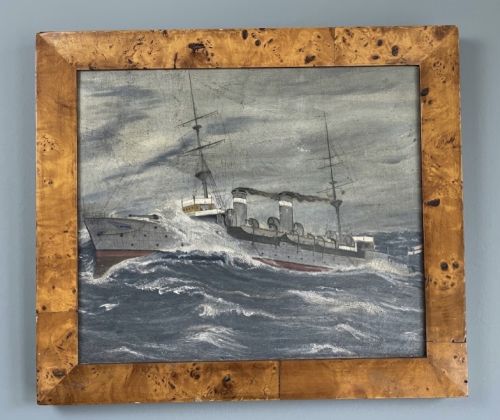
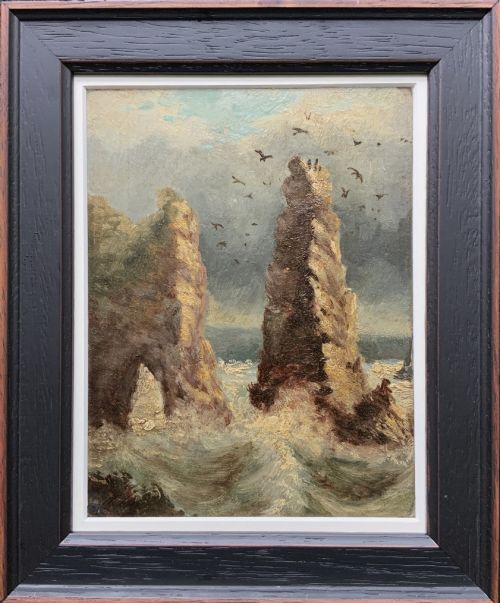
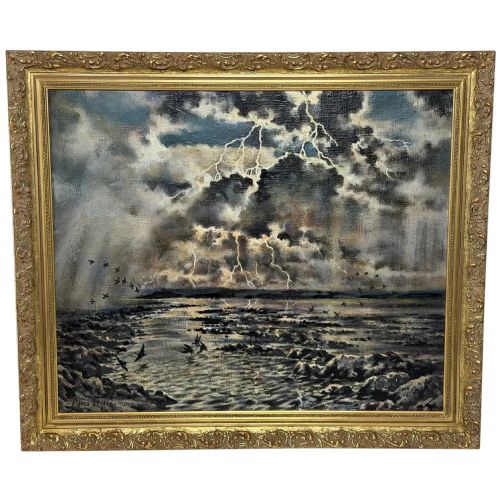
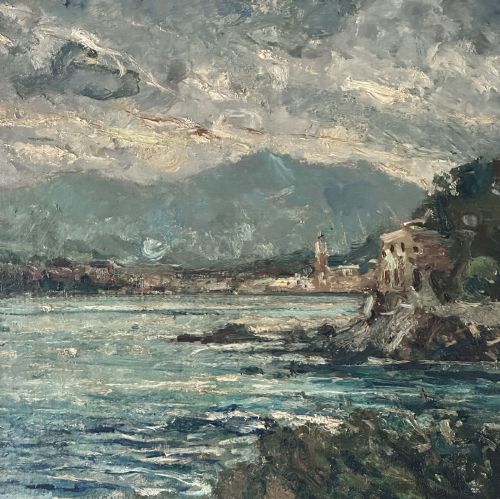
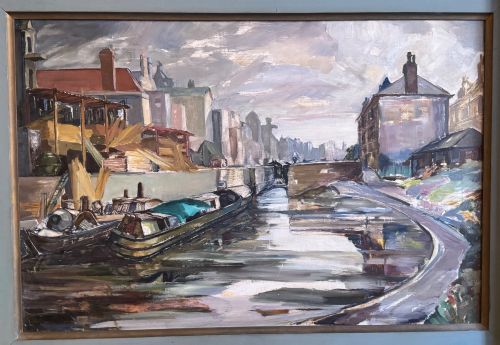
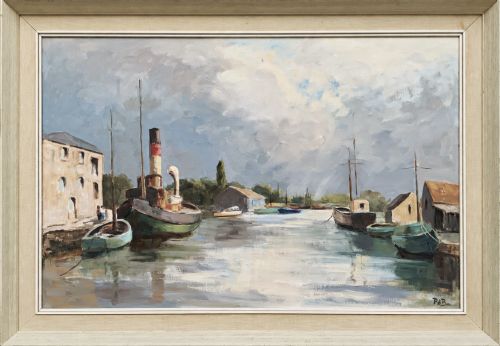
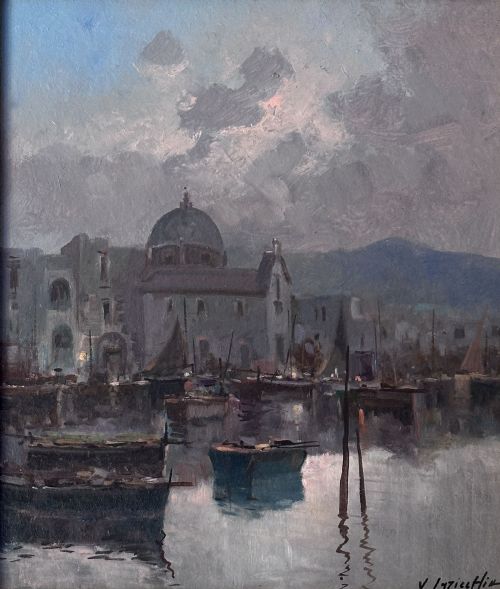
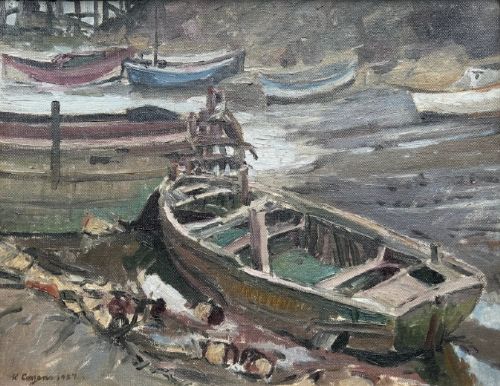
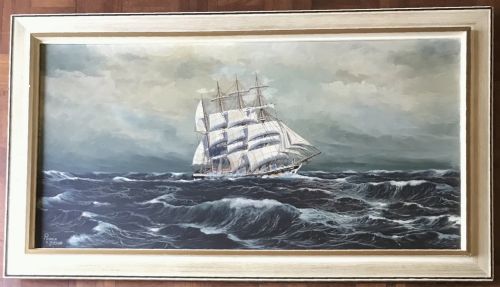
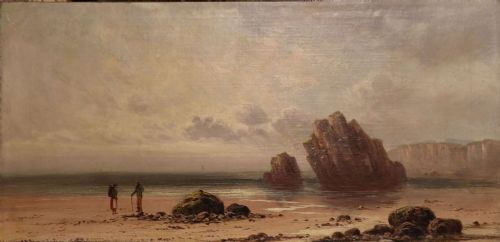
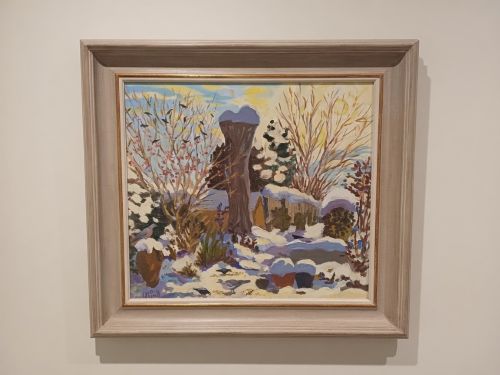
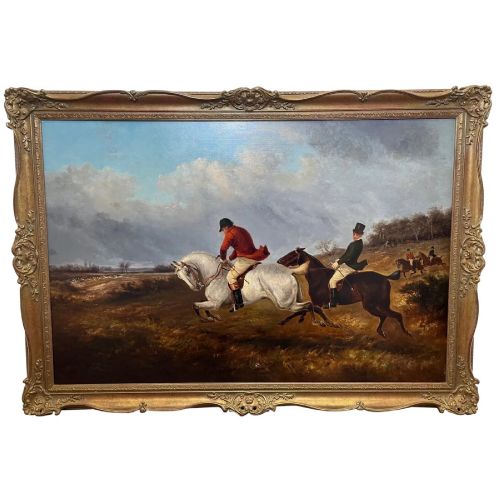
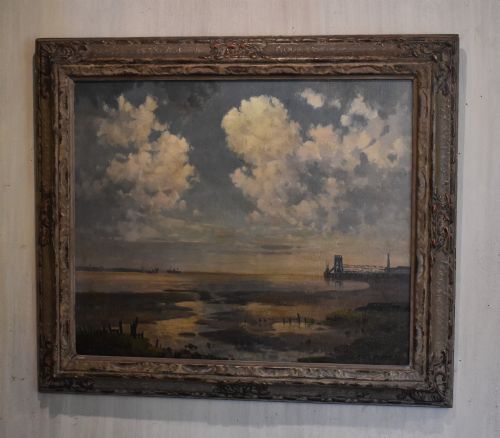
Grey oil landscape painting encompasses works executed in oil paint upon canvas, board, and panel, capturing muted skies, overcast seascapes, and industrial townscapes.
Grey Oil Landscape Painting
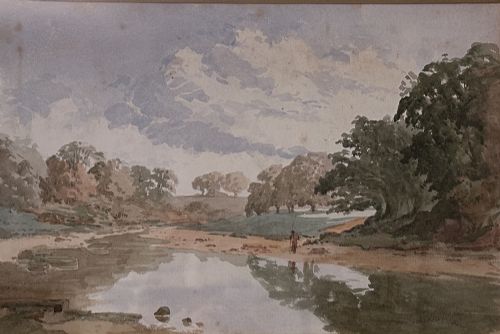
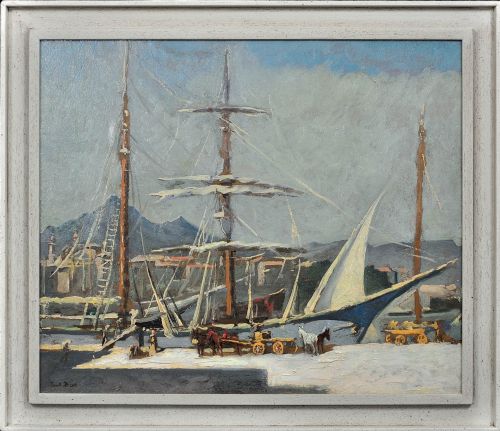
A grey oil landscape painting brings together muted atmospheric tones, overcast skies, and tonal palettes applied to canvas, board, and panel. These works span the nineteenth century through the mid-twentieth century, recording coastal scenes, industrial townscapes, and rural views.
The versions most frequently met on this page include mid-century modern interpretations, British Impressionist coastal views, and nineteenth-century realist depictions. Painters utilise oil paint to build up textured impasto surfaces or smooth tonal gradients across the picture plane.
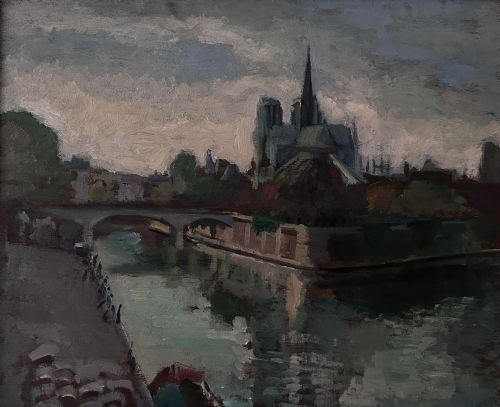
Subjects range from Parisian street scenes and maritime harbours to quiet agricultural fields under heavy winter weather. The emphasis remains on restricted colour harmonies dominated by lead white, ivory black, and muted earth pigments.
How they were made
Makers apply oil paint directly onto stretched canvas, wooden board, or wooden panels using bristle brushes and palette knives. Ground layers prepare the support to receive successive applications of pigment mixed with drying oils.
Techniques vary from thin, translucent glazing to thick impasto applications that retain visible knife marks and brush ridges. Pigments derived from minerals and earths achieve the characteristic grey tonalities found across these landscapes.
Grey Oil Landscape Painting Retail Price Guide 2026
Typical asking prices for grey oil landscape painting among the pieces listed under this phrase on Sellingantiques today, from the lower quarter to the upper quarter. They describe what is for sale here now, not the wider market.
Listings feature works spanning the nineteenth century up to the 1960s, executed across canvas, board, and panel supports.
What varies in quality
Technical execution separates works that capture atmospheric depth through confident brushwork from those relying on flat, uniform colour application. The handling of paint layers, such as visible impasto or subtle tonal modulation, determines the visual weight of the surface.
Compositional coherence and spatial control distinguish accomplished pieces from derivative examples. The integration of light and shadow within a restricted palette demonstrates the maker's mastery over the medium.
Thomas Smythe·Clive Browne·Peter Brannan·Stuart Walton·Lilian Colbourn·Herbert Royle
The Grey Oil Landscape Painting Glossary
- Canvas
- A heavy woven fabric stretched across a wooden frame to serve as a primary support for oil painting. It provides a flexible yet durable surface that accepts multiple layers of ground and pigment.
- Impasto
- A technique where oil paint is laid thickly onto the surface, leaving prominent brush or palette knife marks. This texture catches light and adds physical dimension to the painted scene.
- Board
- A rigid wooden or composition panel utilised as a firm base for oil painting instead of woven fabric. Painters often select board for smaller sketches and plein air studies.
- Pentimento
- An alteration in a painting evidenced by visible traces of earlier work beneath the surface layers. These revealed changes occur as top paint layers become semi-transparent over time.
- Gilt
- A thin layer of gold leaf or metallic gilding applied to the surface of a wooden picture frame. It provides an ornate decorative border that complements the oil painting within.
Grey Oil Landscape Painting: Frequently Asked Questions
How do I clean a grey oil landscape painting?
Surface dust is gently removed using a soft, dry brush without applying pressure to the paint layer. Chemical solvents and moisture require professional conservation treatment to prevent permanent damage to the oil pigments.
Framed works benefit from periodic inspection of the backing boards to ensure trapped humidity does not degrade the canvas support over time.
What periods do these paintings cover?
The selection spans from the nineteenth century through the mid-twentieth century, encompassing Victorian realism and mid-century modernism. Each era brings distinct handling of paint and variations in canvas preparation.
Twentieth-century examples often favour board supports and expressive impasto, while earlier pieces lean towards detailed canvas compositions.
How were these paintings originally displayed?
Works typically hung within domestic parlours, galleries, or corporate offices enclosed by moulded wooden frames. Gilt or painted surrounds provided both physical protection and visual separation from the wall.
Many retain their original frames, which offer contextual clues regarding the date and origin of the piece.
Can I identify the artist from the canvas maker?
Stamps and stencil marks on the reverse of the canvas or stretcher frame often indicate the artists' supplier rather than the painter. These trade marks help date the support but rarely name the creator directly.
Signatures on the front require comparison with known examples of an artist's handwriting and stylistic output.